
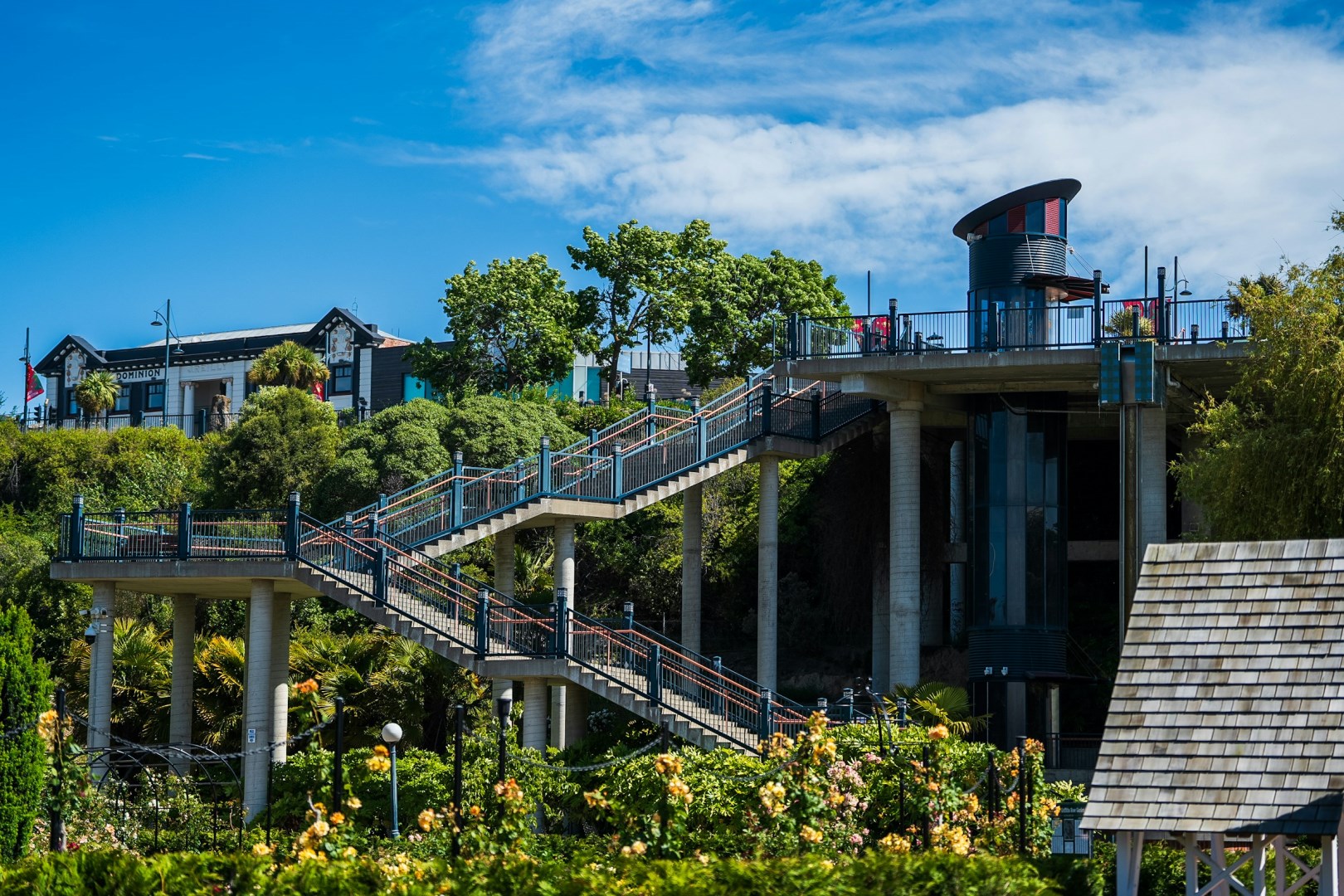
Timaru
Timaru is located on an island off the east coast of New Zealand, between Christchurch and Dunedin. It is a main sea port for industry and farming, as well as a popular port of call, especially around the Christmas Holidays. Originally named "Te Maru - The Place of Shelter", this port town was built as a whaling station until immigrants from England arrived in 1859, and the town was finally declared a city in 1948.
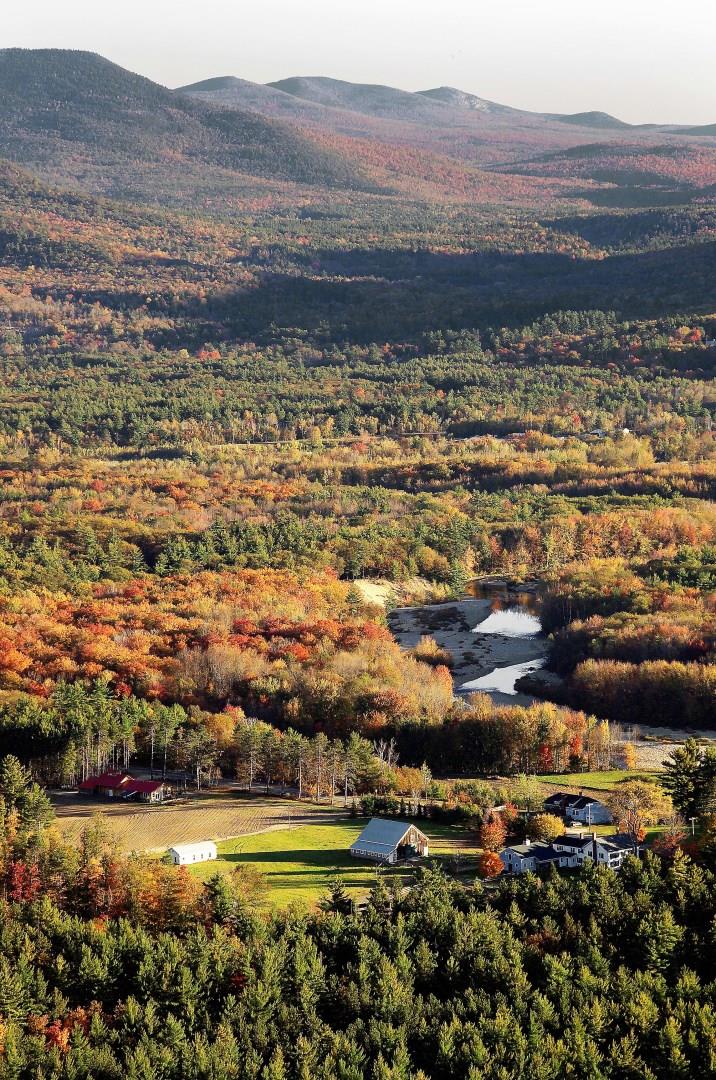
Bartlett
Bartlett, New Hampshire is a small White Mountains town with a deep connection to outdoor adventure and quiet mountain charm. Founded in the late 18th century, Bartlett began as a logging and railroad hub, and remnants of that past still echo through its historic buildings and covered bridges. The Bartlett Roundhouse, a relic from the town’s railway days, now serves as a museum and reminder of how trains once connected this remote region to the rest of New England.

Georgia
Georgia, nestled at the crossroads of Europe and Asia, is a country defined by dramatic landscapes, rich traditions, and a deep sense of history. The snow-capped Caucasus Mountains rise in the north, offering scenic hiking trails and ancient villages, while the Black Sea coastline in the west provides a warmer, more relaxed atmosphere.

Hokkaido
Hokkaido is Japan's northernmost main island and the country's second-largest island, known for broad landscapes, volcanic mountains, forests, lakes, and a cooler climate than most of Japan. Sapporo serves as the prefectural capital and largest city, while smaller communities extend across farmland, coastlines, and mountain regions.
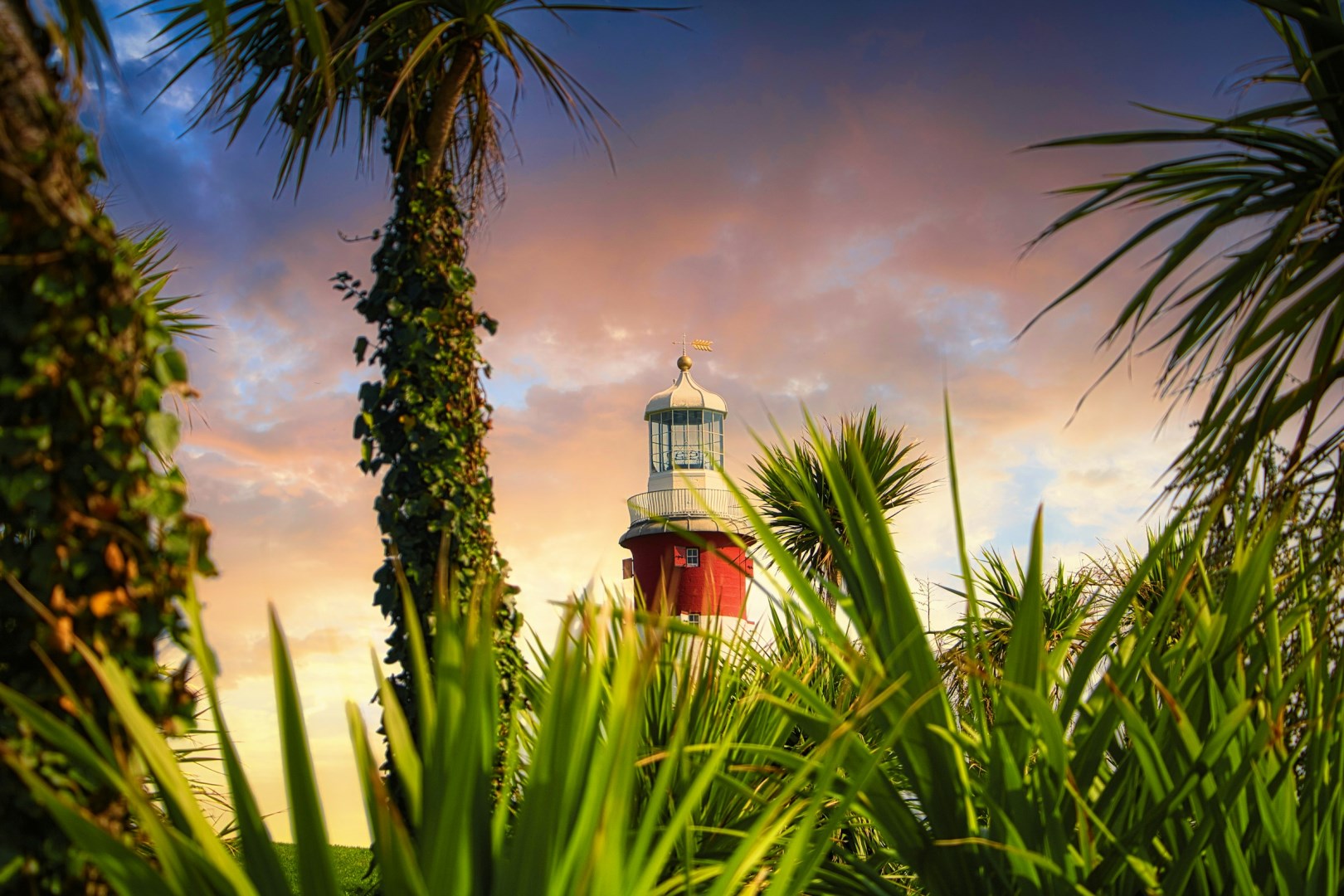
Plymouth
Plymouth sits on England’s southwest coast, where the River Plym meets the sea, forming a wide natural harbor that has shaped the city’s identity for generations. The waterfront remains central to daily life, with views stretching across Plymouth Sound and boats moving in and out of the marina. Visitors often begin along the historic Barbican, an area of narrow streets and old buildings that survived past conflicts and now house independent shops, galleries, and small cafés.
