
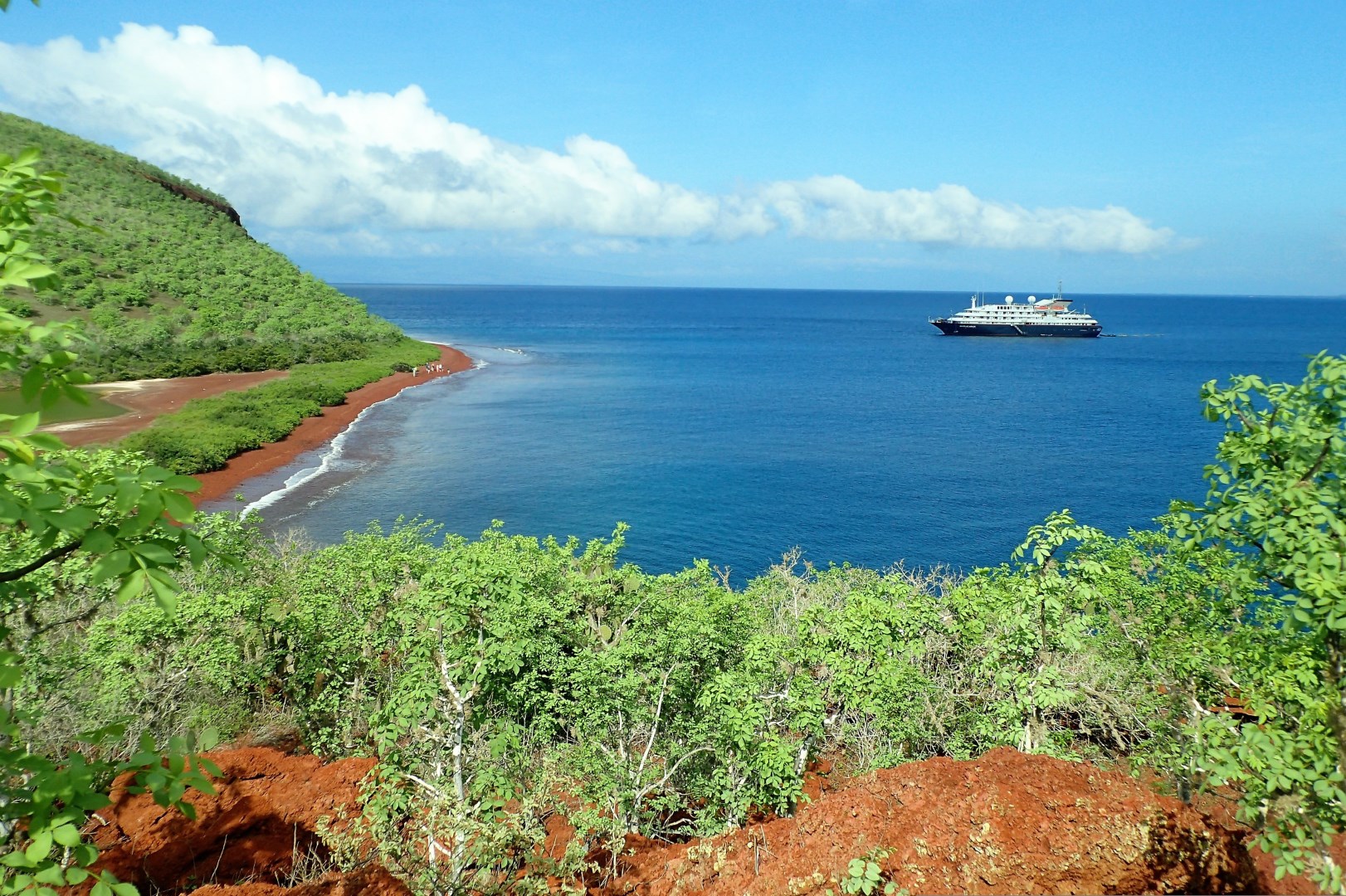
Santiago Island
Set in the heart of the Galápagos archipelago, Santiago Island offers a raw and untamed landscape shaped by volcanic forces. Unlike more developed islands in the region, Santiago remains largely uninhabited, giving visitors a rare look at ecosystems that have evolved with minimal human presence. Its coastline shifts from black lava fields to soft sandy beaches, while inland trails reveal hardened flows and scattered vegetation slowly reclaiming the terrain.

El Calafate
El Calafate, a small town in southern Patagonia, serves as the main gateway to one of Argentina’s most spectacular natural wonders, the Los Glaciares National Park. Sitting on the shores of Lake Argentino, El Calafate was once a quiet outpost known mainly for sheep farming and the hardy calafate berry. Today, it attracts travelers from around the world who come to witness massive ice formations and the shifting blue walls of nearby glaciers.
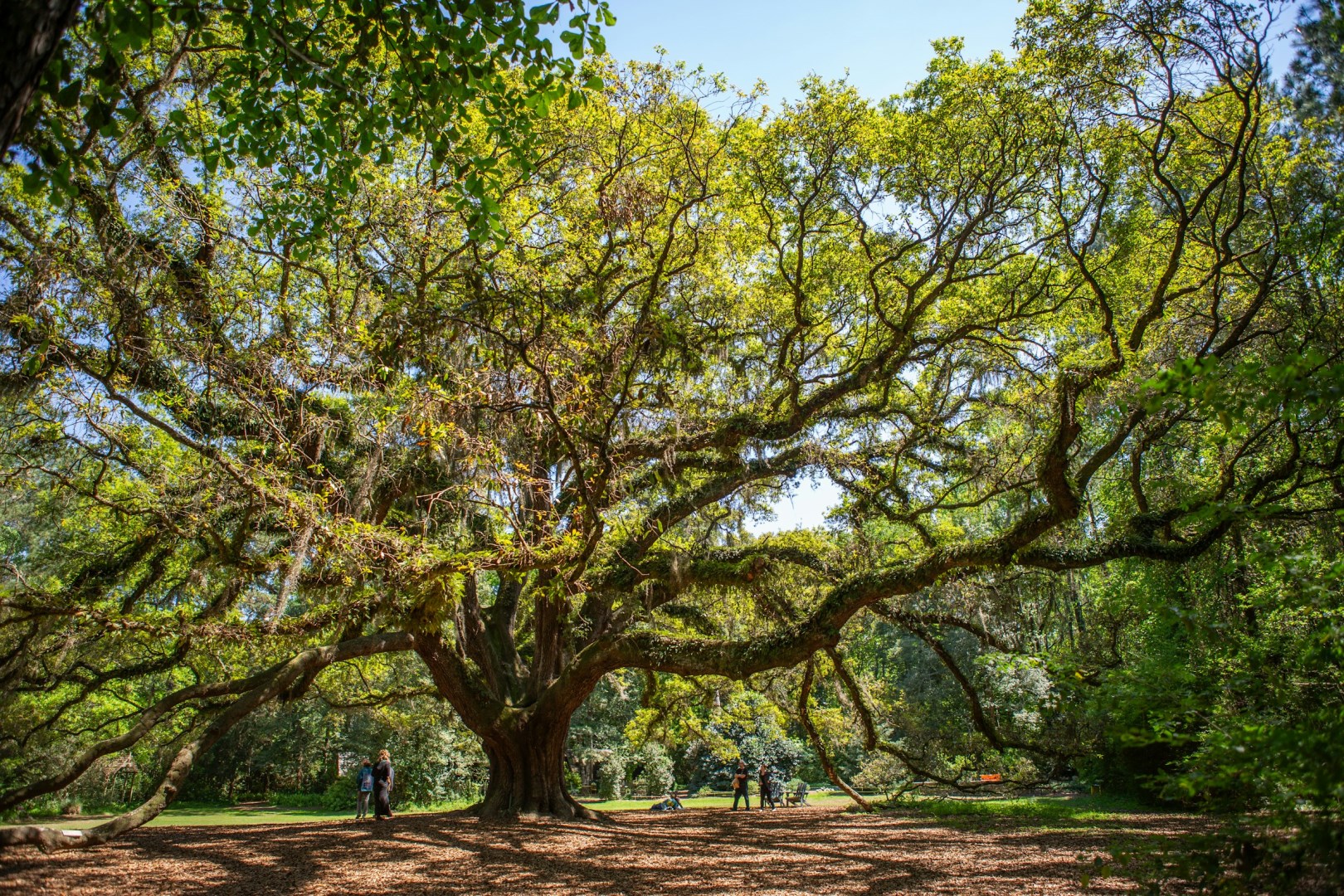
Tallahassee
Near but far from the glaring strips and crowds of Disney, lies another magical place in the Sunshine State. Often called "The Other Florida", with its deep-rooted history, rolling hills and Southern-style hospitality, Leon County is a different kind of Florida waiting to be explored.
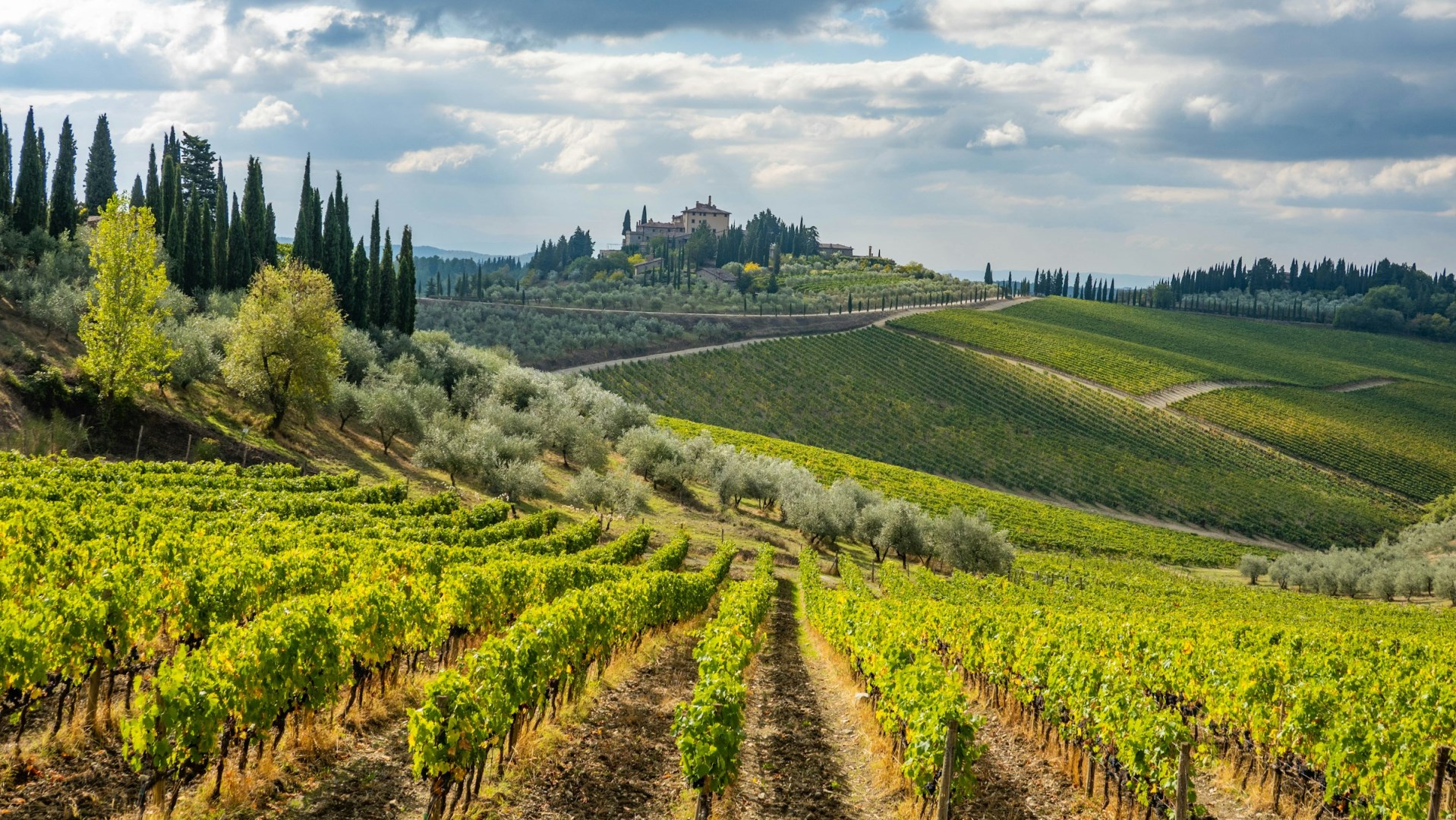
Radda in Chianti
Radda in Chianti, a hilltop gem in the heart of Tuscany’s Chianti wine region, embodies the quintessential Italian countryside experience. Once a medieval stronghold between rival city-states Florence and Siena, Radda still preserves its ancient walls, stone streets, and panoramic views of vineyards and olive groves that stretch across the rolling landscape.

Arequipa
Arequipa, known as the "White City," is built from sillar, a pale volcanic stone that glows in the sunlight. This architectural detail gives the historic center its striking appearance and has earned it recognition as a UNESCO World Heritage Site. Towering above the city is the perfectly symmetrical Misti Volcano, which, along with two neighboring peaks, forms a dramatic backdrop.
