
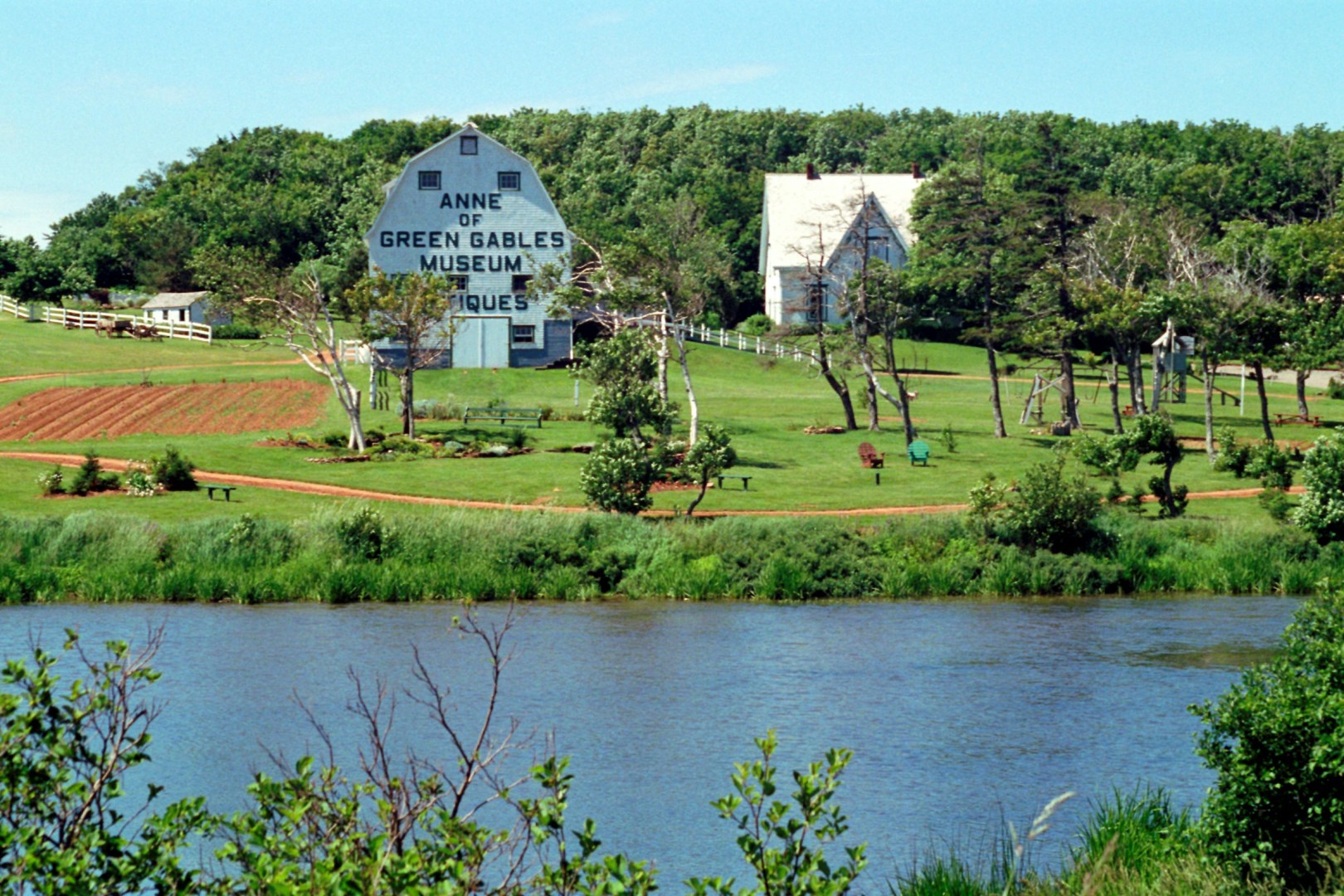
Park Corner
Park Corner is a rural community in Prince Edward Island's Queens County, situated near the shores of New London Bay. The area is closely associated with Lucy Maud Montgomery, the Island author whose Anne of Green Gables stories drew on the landscapes and communities of Prince Edward Island. Park Corner is surrounded by farmland, woodland, and coastal scenery, with the nearby Lake of Shining Waters forming part of the setting connected to Montgomery's writing.

Bioko
Bioko is a volcanic island in the Gulf of Guinea and forms the main part of Equatorial Guinea’s insular region.
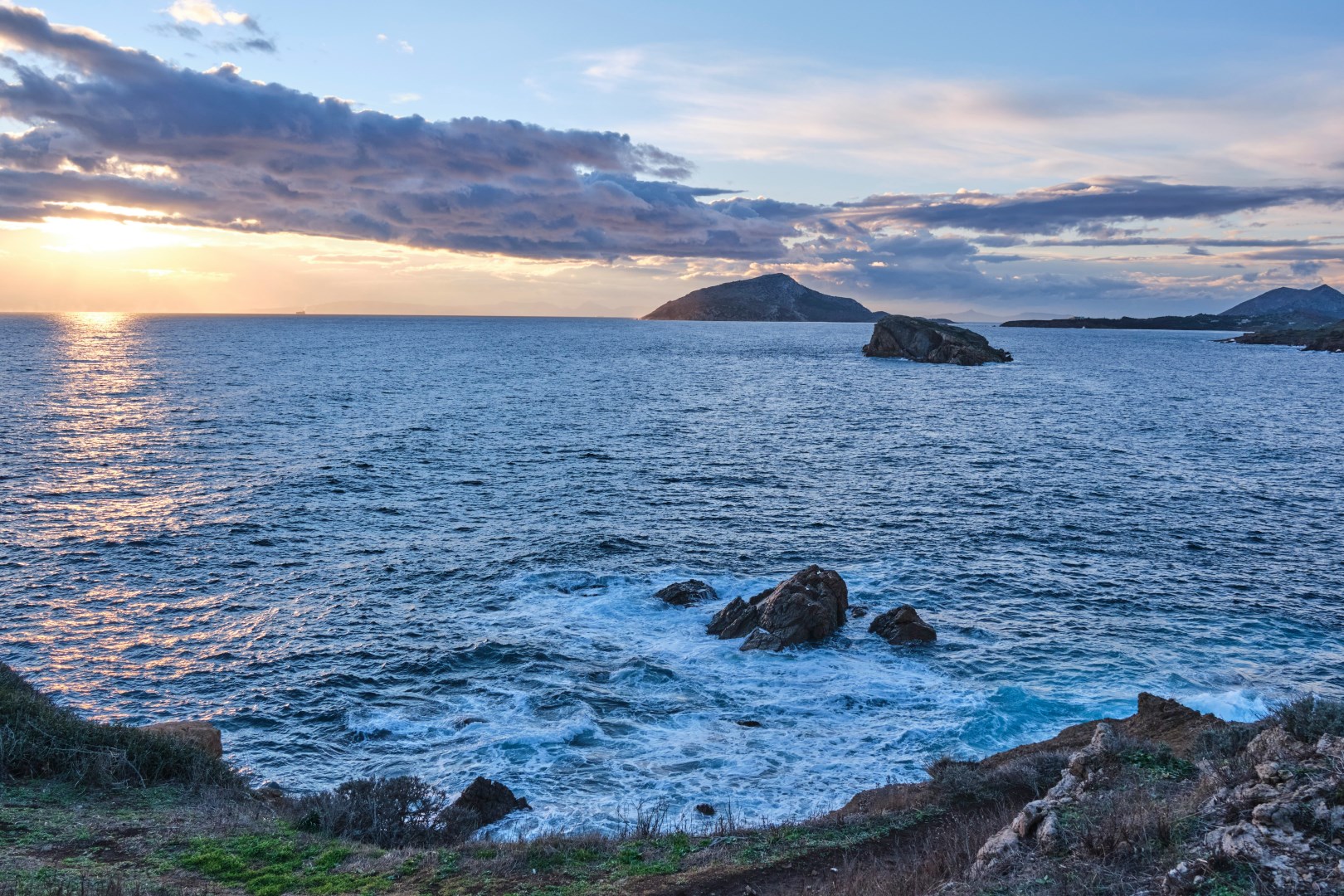
Lavrio
Lavrio is a port town on the southeastern coast of Attica, Greece, facing the Aegean Sea. Its harbour handles ferries, fishing vessels and recreational boats, while the surrounding hills contain extensive traces of mining.

Piraeus
Seven miles outside of historic Athens, the Greek coastal city of Piraeus lies upon the sparkling waters of the Aegean Sea and is the largest passenger port in Europe, servicing nearly 20 million passengers per year.
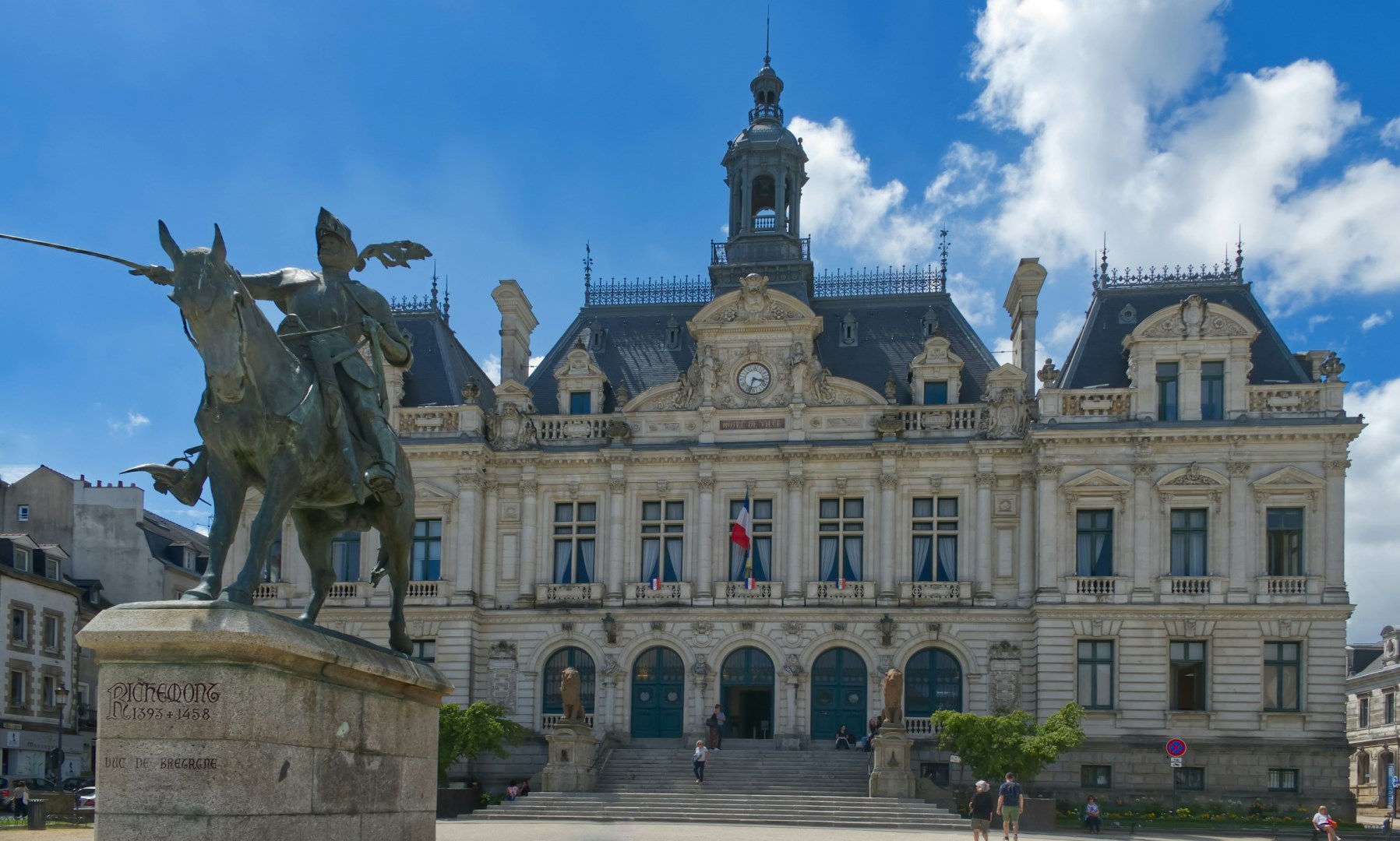
Vannes
Vannes is a historic port city in Brittany, set at the northern end of the Golfe du Morbihan. Its compact old center is enclosed by medieval fortifications and combines cobbled lanes, half-timbered houses, private mansions, and small squares. The harbor extends the city toward the gulf, making Vannes an important gateway to the islands and coastal landscapes of southern Brittany.
