

Saint Augustine
Saint Augustine, Florida, is a charming tapestry of history and coastal beauty. As the oldest continuously inhabited European-established settlement in the continental United States, this historic city offers a fascinating glimpse into early American life. Founded by Spanish explorers in 1565, Saint Augustine boasts an array of colonial architecture and historic landmarks.
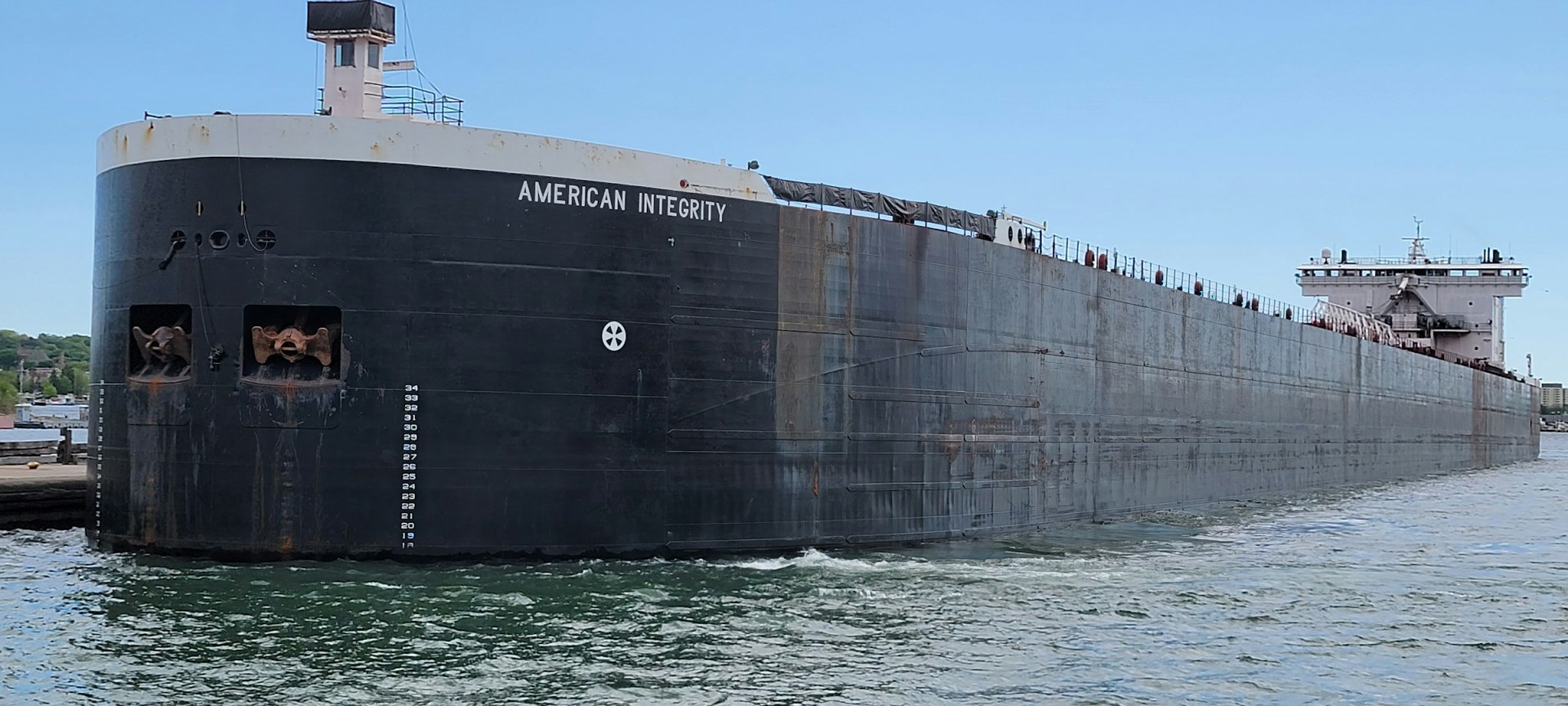
Sault Sainte Marie
On the Canadian border where Lake Huron and Lake Superior meet, a canal built in 1895 still is used to have boats bypass the rapids of the St. Mary's river.
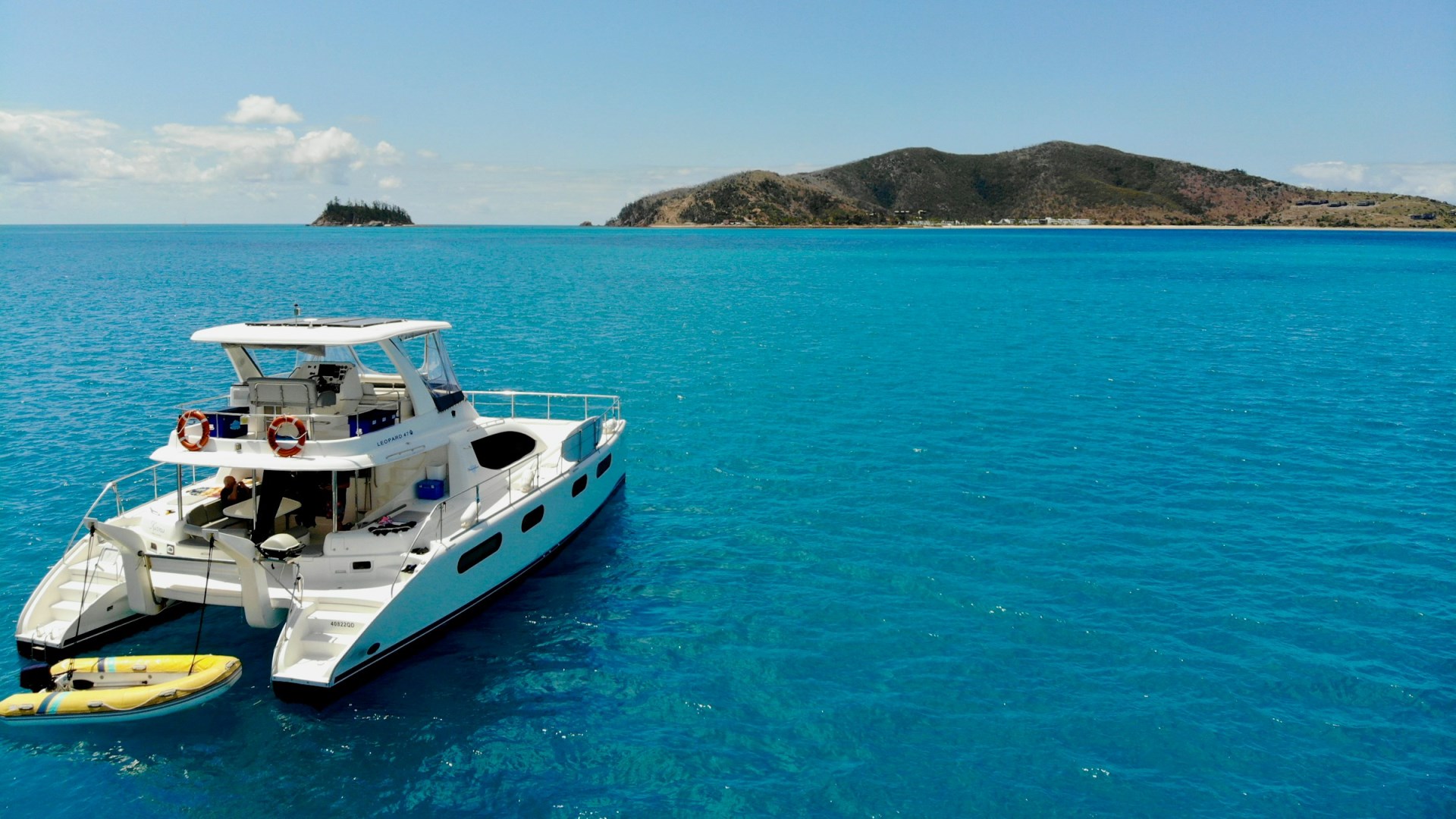
Hayman Island
Hayman Island is nestled in the spectacular Whitsunday Islands off Australia's north Queensland Coast.
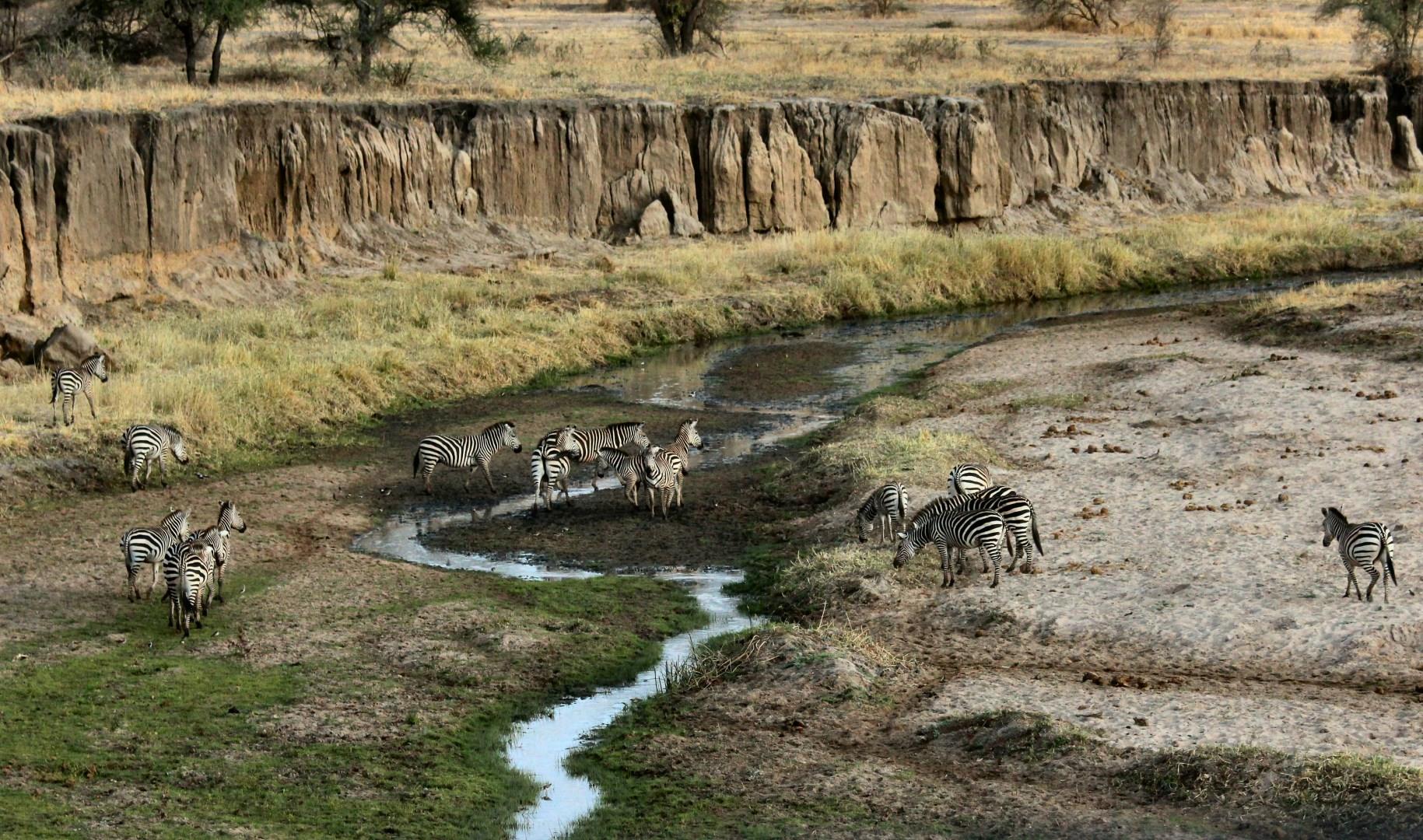
Tarangire National Park
Tarangire National Park, a stunning gem in northern Tanzania, offers an unparalleled safari experience amid its diverse landscapes and wildlife. Renowned for its dense population of elephants, the park's vast baobab-studded plains and swamps create a dramatic setting that brings you face-to-face with these magnificent creatures. The park is home to over 300 bird species, including the strikingly beautiful Lilac-breasted Roller and the majestic Secretary Bird.
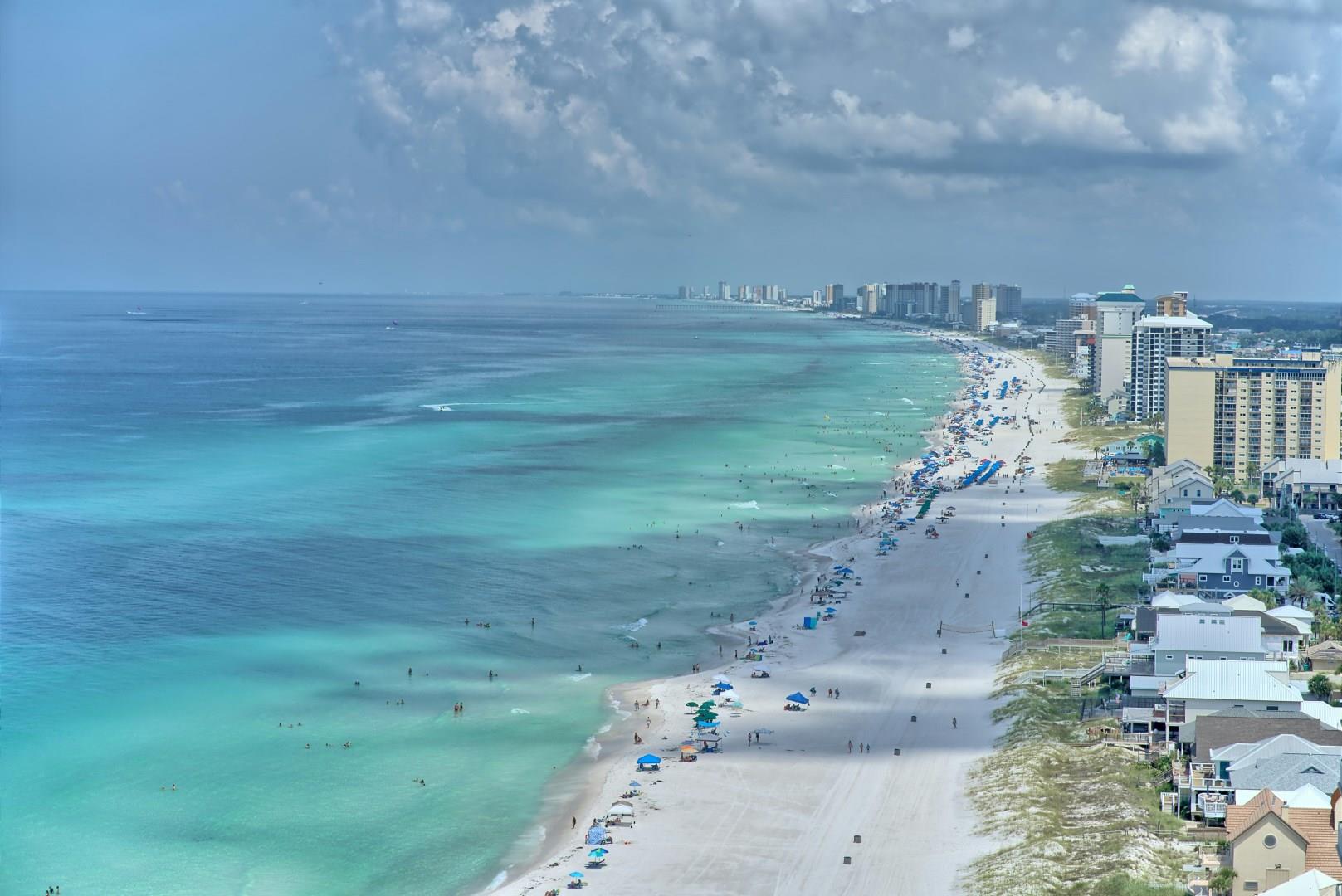
Panama City
Panama City, Florida, sits along the Gulf Coast where maritime history and modern beach culture intersect. Originally tied to shipbuilding and fishing, the city developed around St. Andrews Bay, which still anchors local identity through working marinas and long-established neighborhoods.
