
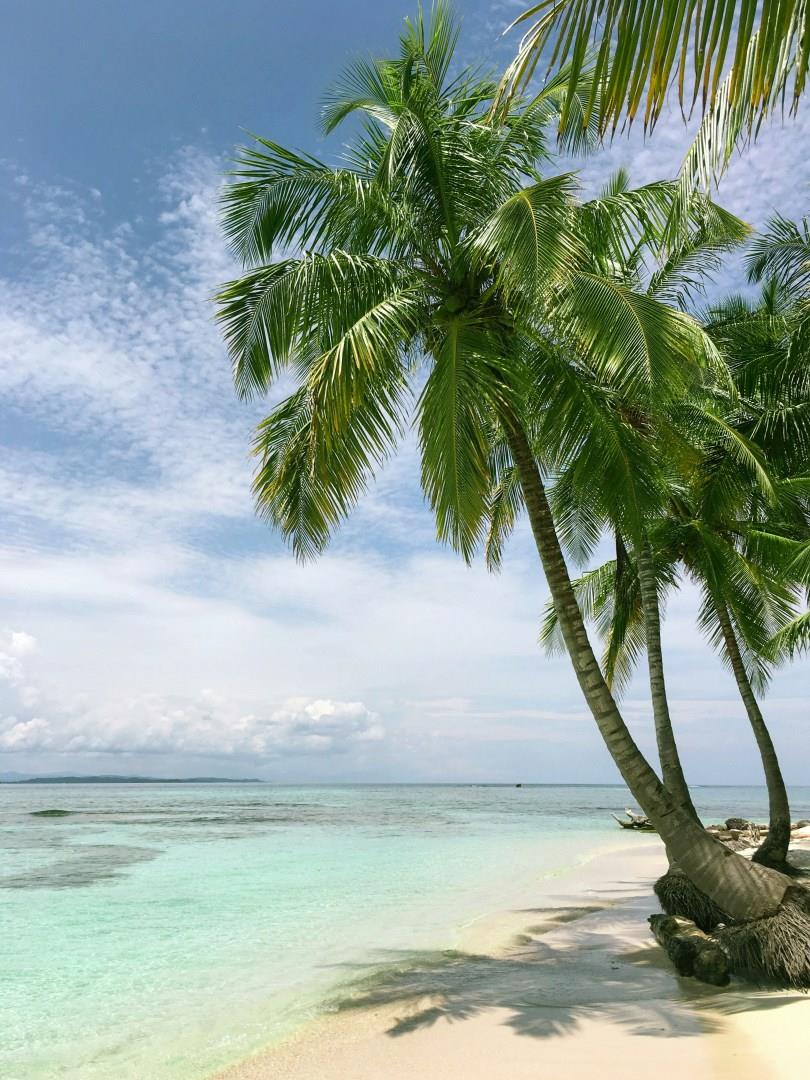
San Blas
San Blas, Panama, known locally as Guna Yala, is a paradise of untouched beauty and indigenous culture, nestled along Panama's Caribbean coast. Comprising an archipelago of over 365 islands, San Blas offers a new adventure for every day of the year. Crystal-clear turquoise waters, pristine white sand beaches, and coral reefs teeming with marine life make it a haven for snorkeling, diving, and sailing enthusiasts.
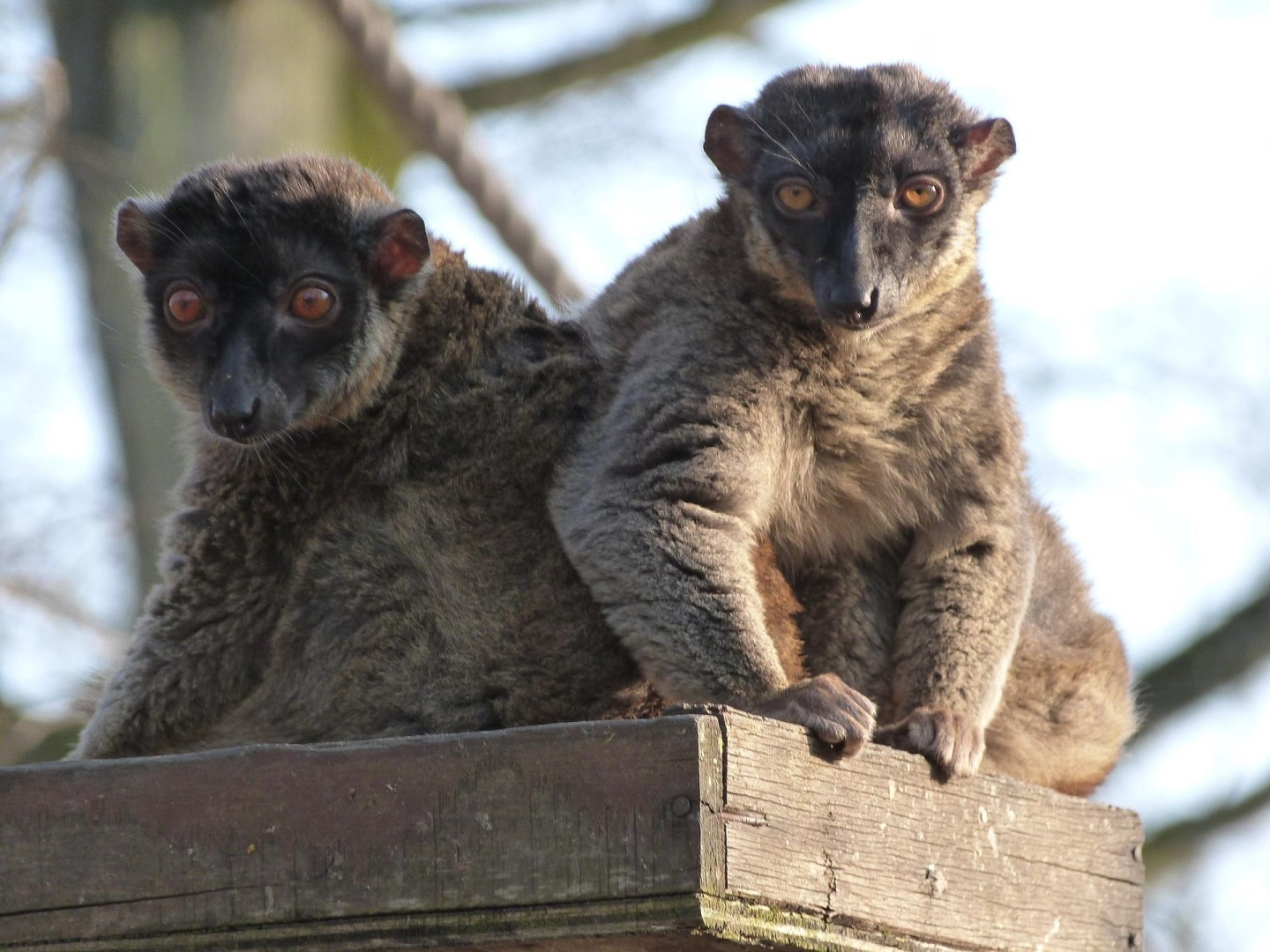
Mayotte
The southernmost island in the crescent-shaped Comoros archipelago. Encircled by a barrier reef, Mayotte is blessed with one of the world's perfect lagoons. In its lush forests, the fragrant yellow flowers of the ylang-ylang tree are picked to extract their perfumed oil. Against a backdrop of waterfalls and volcanic peaks on Mayotte, there is a feeling of rural tranquility.
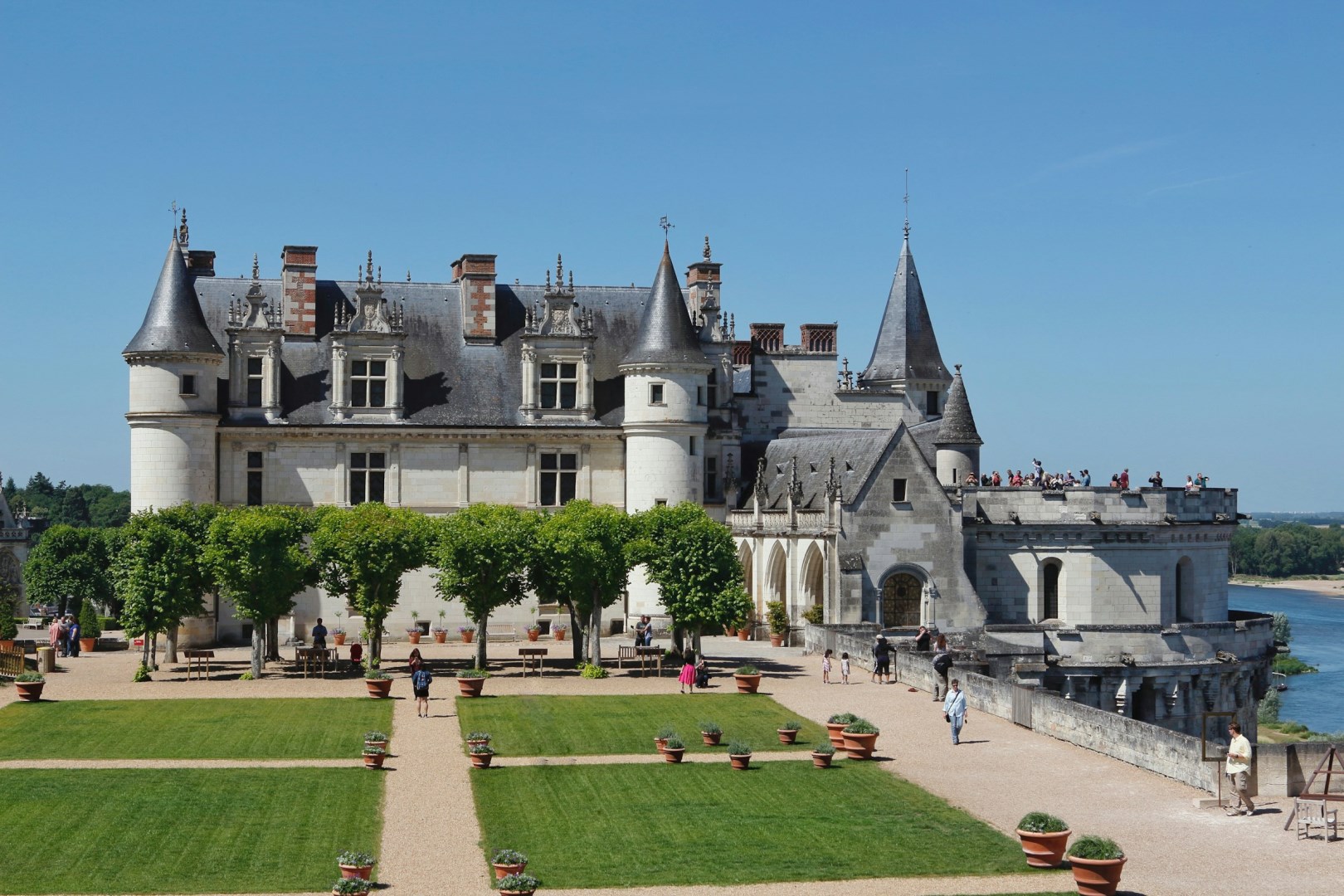
Amboise
Amboise has 12,000 inhabitants and is in the heart of Touraine, in the land of chateaux. It is a town both traditional and modern, lively and quiet. In Amboise, there is a royal castle set above the Loire Valley and is a strong point extensively embellished during the 15th and 16th centuries.

Seward
This quaint port city is breathtakingly beautiful! Surrounded by peaks, Seward fjords are the perfect whale and porpoise habitat, and both seals and puffins fill the Alaska SeaLife Center. Those looking for a challenge can hike the western trail to the summit of Mount Marathon.
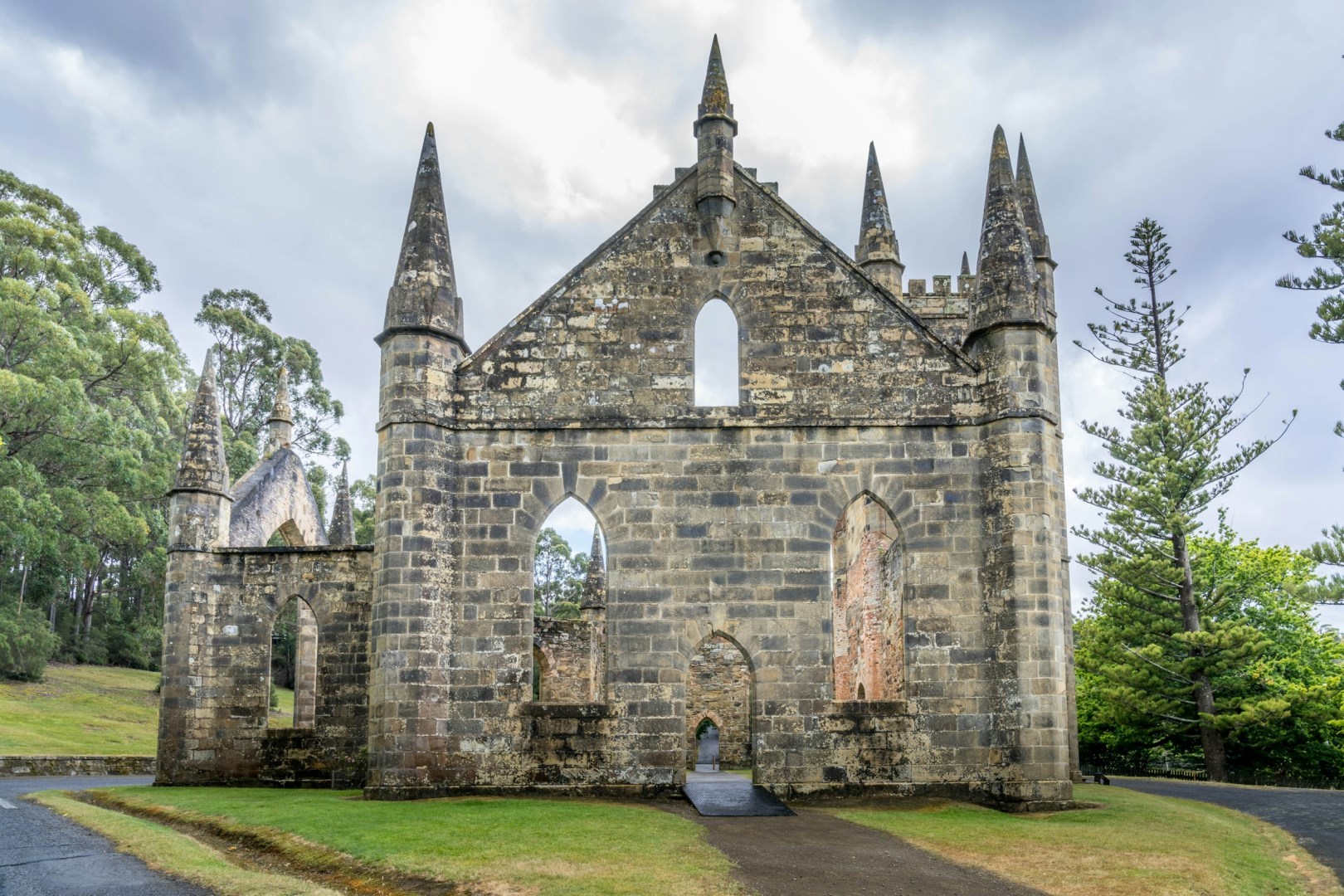
Port Arthur Tasmania
Port Arthur is a historic penal settlement from the brutal days of the convict settlement. It is located on the southeastern shores of Tasmania.
