
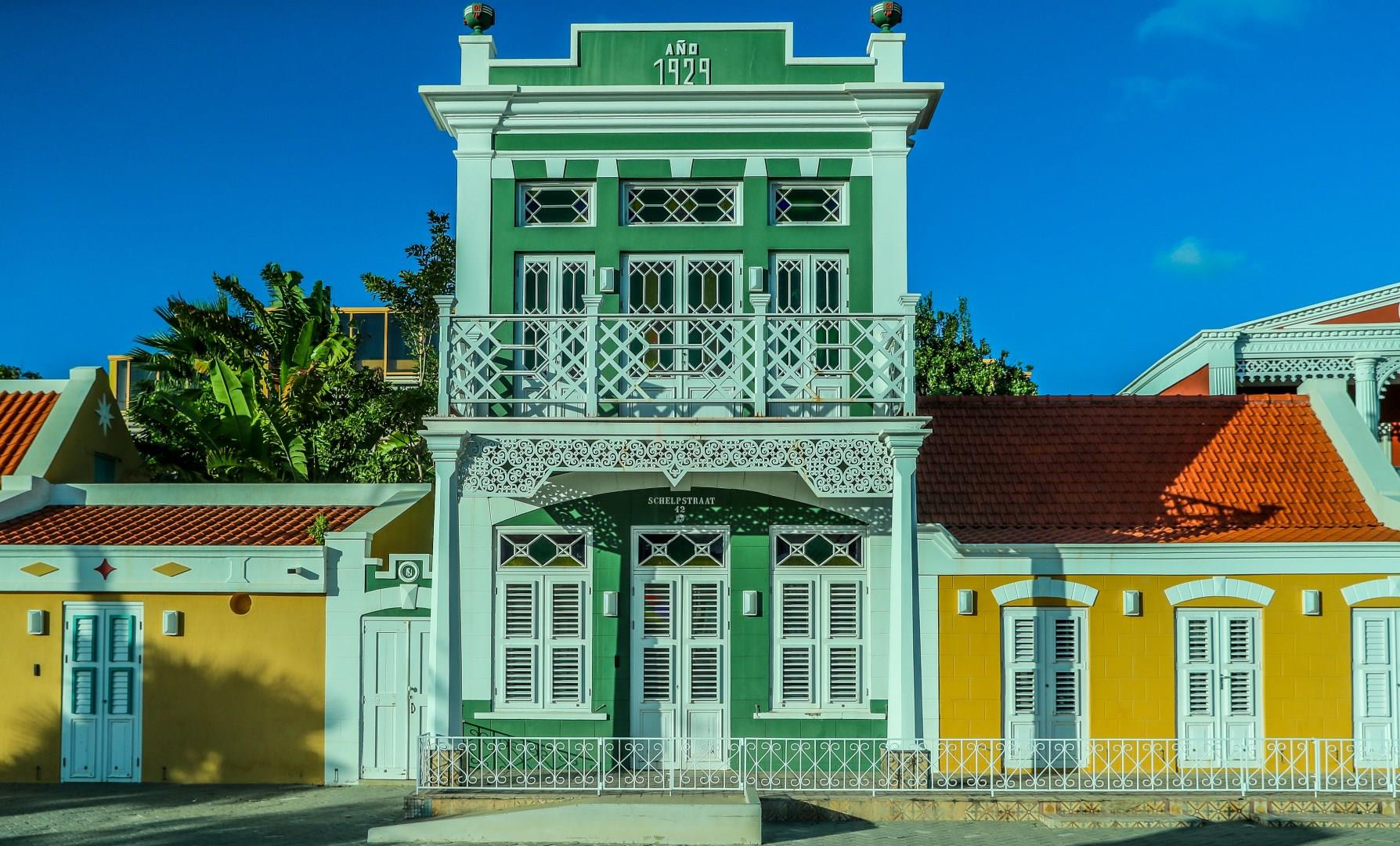
Oranjestad
Oranjestad, Aruba’s colorful capital, blends Dutch colonial charm with the island’s easygoing Caribbean character. The city’s pastel-painted buildings, adorned with gables and decorative facades, recall its Dutch heritage while housing modern boutiques, cafés, and museums.

Portland
Portland, England, offers a charming blend of coastal beauty, historical intrigue, and unique geological features. Nestled on the Jurassic Coast in Dorset, this picturesque island town is renowned for its stunning cliffs and quarries.
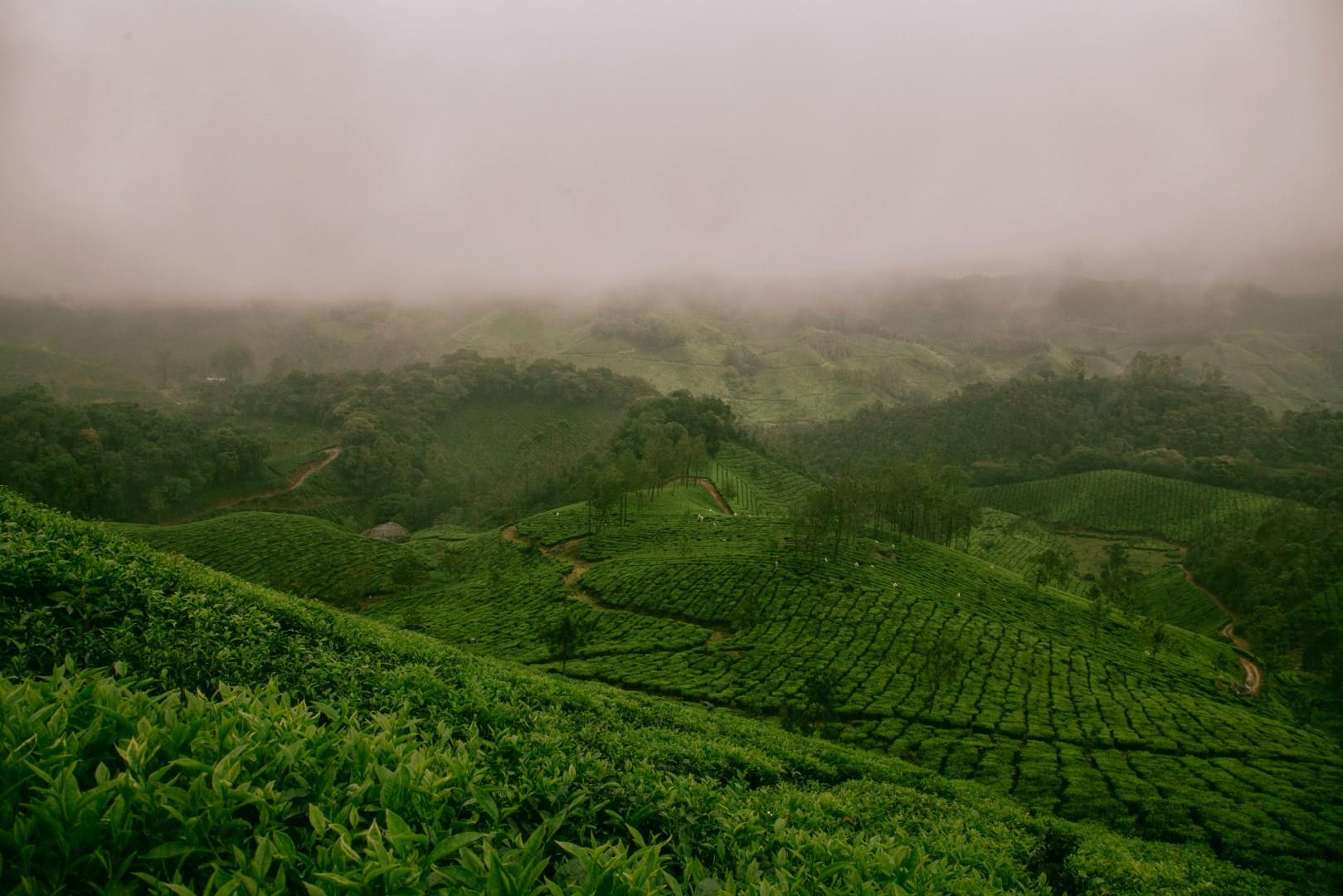
Munnar
Munnar, located in the Western Ghats of Kerala, India, sits at around 1,600 meters above sea level and was once the summer resort of British colonial officers. Today, it’s known for its vast tea plantations, many of which date back to the 19th century. Visitors can walk through estates like Kolukkumalai, the highest tea plantation in the world, where traditional methods are still used to process leaves by hand.
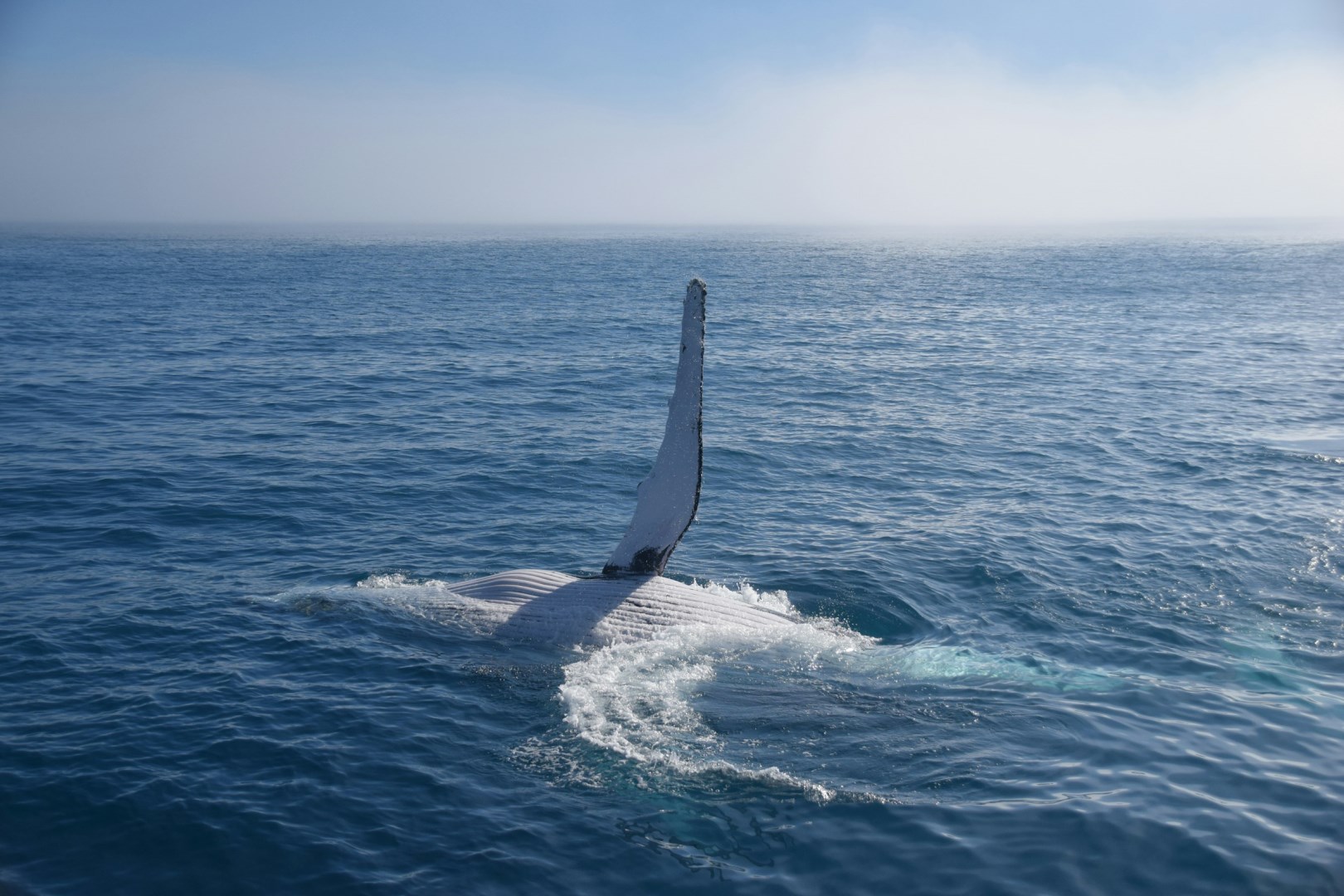
Hervey Bay
Hervey Bay, a rapidly expanding city, situated in sub tropical Queensland, is one of Australia's favorite holiday destinations. With a marvelous climate and wonderful calm water beaches ideal for swimming all year round , it is a well known aquatic playground. Whatever your needs may be: water sports tours of adjacent world heritage Fraser Island, fishing trips, coral viewing trips, diving, scenic flights, whale watching (August to October), or just relaxing, Hervey Bay is ideally situated.

Kings Wharf
King's Wharf is the largest and most active port in Bermuda, with a high volume of cruise ship and ferry traffic. Shopping, restaurants and museums are close by.
