

Giurgiu
Giurgiu, a charming city in southern Romania, offers a unique blend of history, culture, and natural beauty, making it a captivating destination for travelers seeking an off-the-beaten-path experience.
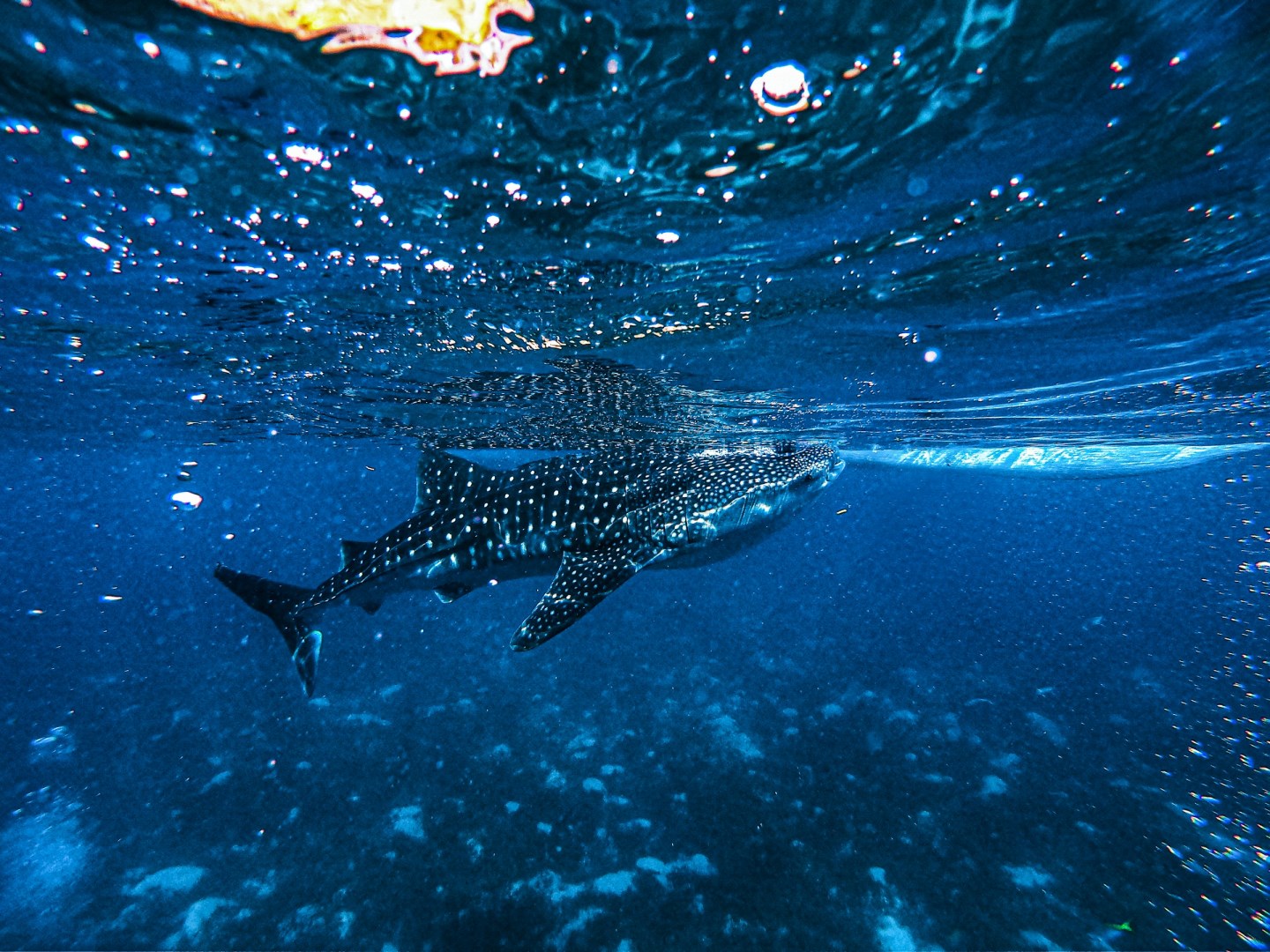
Oslob
Oslob is a coastal municipality in southern Cebu, Philippines, facing the Bohol Strait. The area combines a historic town center with fishing communities, beaches, coral-rich waters, and mountainous terrain rising inland. Oslob is best known for its marine tourism, particularly whale shark encounters, but it also has cultural and natural attractions away from the coast.

Mississippi
Mississippi, a state rich in history and culture, offers a unique blend of Southern charm and historic significance. For those drawn to natural beauty, Mississippi's landscape is a tapestry of rolling hills, dense forests, and scenic rivers.
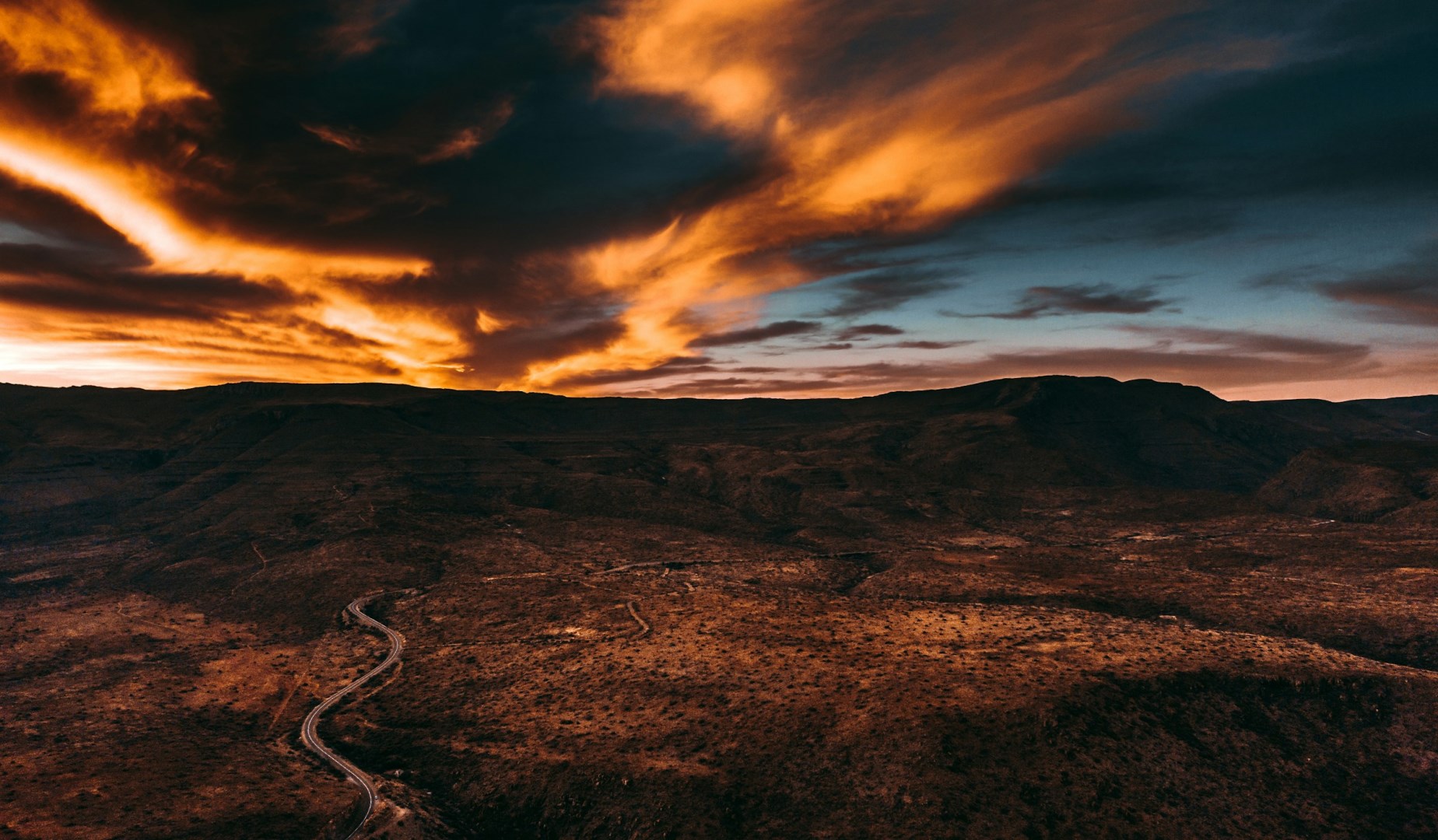
Karoo
The Karoo National Park is one of the quietest places on Earth. The park is known to be breathtakingly quiet, offering its visitors an opportunity to really connect with nature.
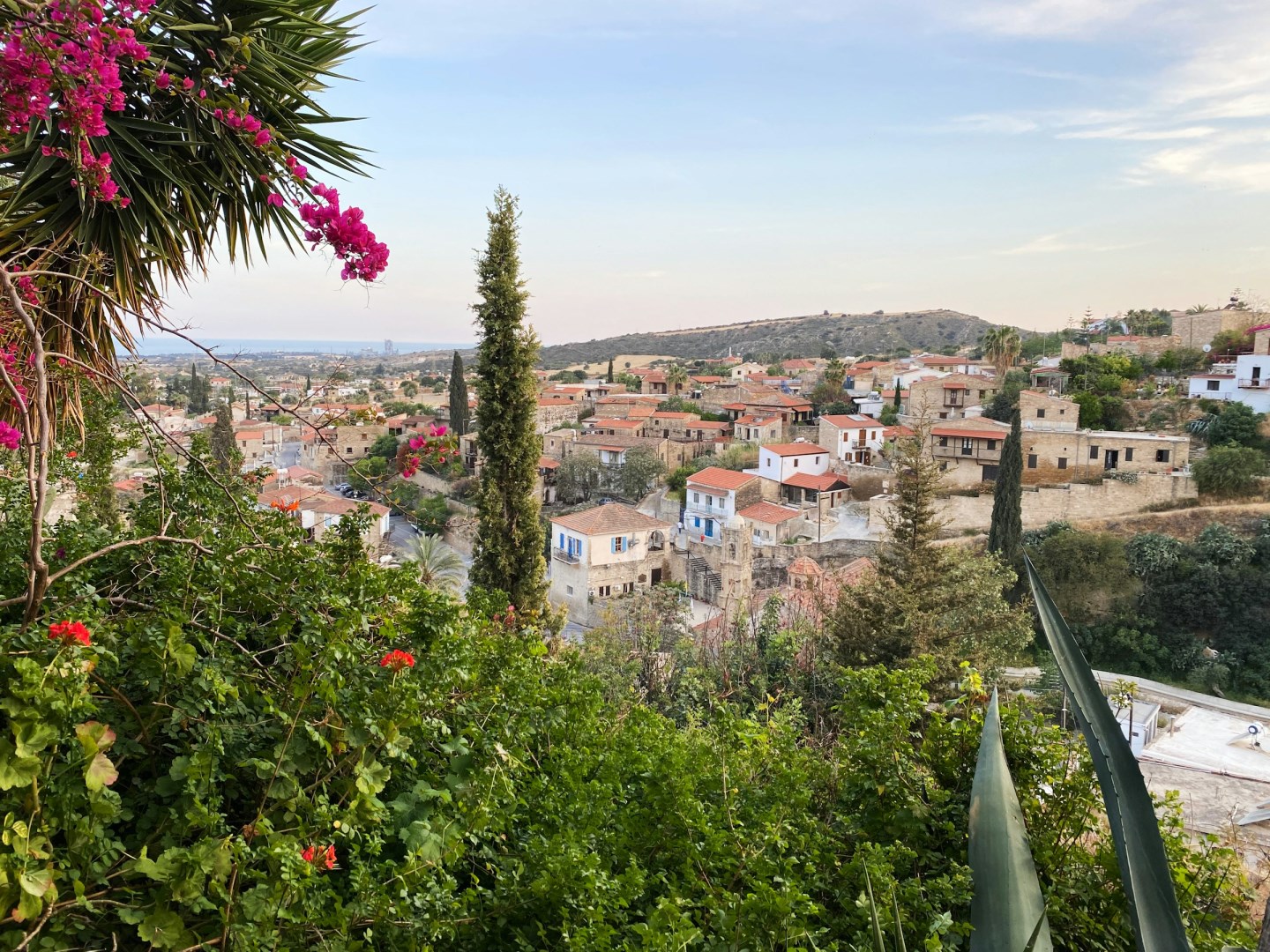
Larnaca
Larnaca is a coastal city in southeastern Cyprus, built around a broad bay on the Mediterranean Sea. It is one of the island's main urban centers and combines a long waterfront, sandy beaches, historic neighborhoods, and archaeological sites. The palm-lined Finikoudes promenade runs beside the central beach and continues toward the old harbor and medieval castle.
