

Santiago
Flanked by the Chilean Coast Range and the snowy Andes, Chile's largest metropolis offers a dazzling array of sights and attractions for visitors to pursue. Mirrored skyscrapers, 16th-century churches, hip cafes, dance clubs... and did we mention the delicious Chilean cuisine?

Lake Como
Lake Como, nestled in the Lombardy region of northern Italy, offers a sublime retreat with its stunning landscapes and elegant charm. Renowned for its crescent shape and crystal-clear waters, Lake Como is framed by lush hills and dramatic mountain scenery. The lake's picturesque towns, such as Bellagio and Varenna, showcase charming cobblestone streets, historic villas, and lush gardens.
La Rioja
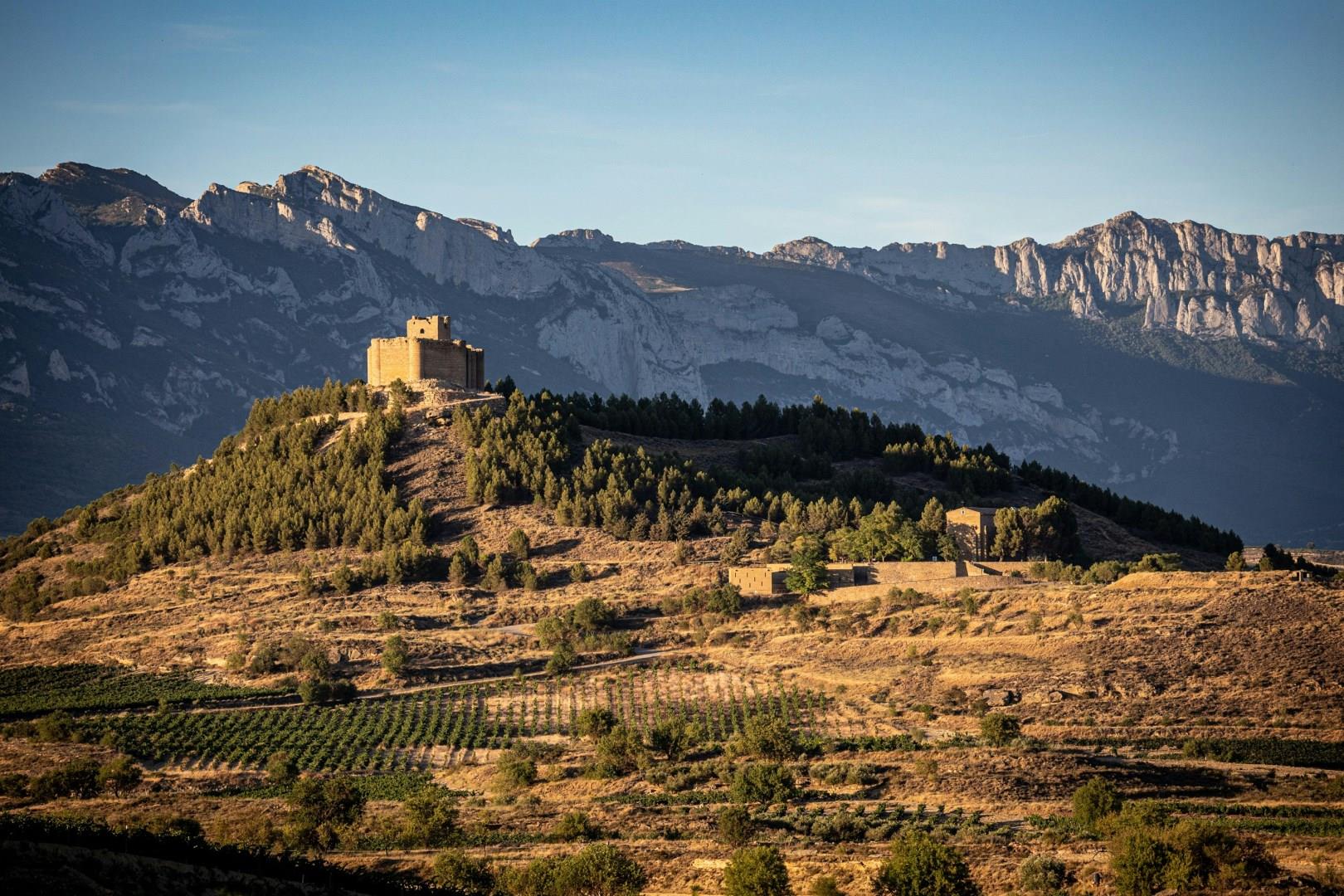
La Rioja, located in northern Spain, is best known for its wine, but the region offers much more than vineyard views. Its capital, Logroño, sits along the Camino de Santiago and has welcomed travelers for centuries. The city’s historic center is compact and lively, with narrow streets lined by centuries-old churches, pintxo bars, and quiet plazas.

Aalborg
Aalborg is the fourth largest city in Denmark and constitutes a natural center for the North Jutland region. In addition Aalborg is Denmark's largest conference center, outside Copenhagen. Aalborg has many cultural attractions which appeal to a wide variety of tastes; a varied night-life and more than 300 restaurants, bars and clubs.
Mt. Cook National Park
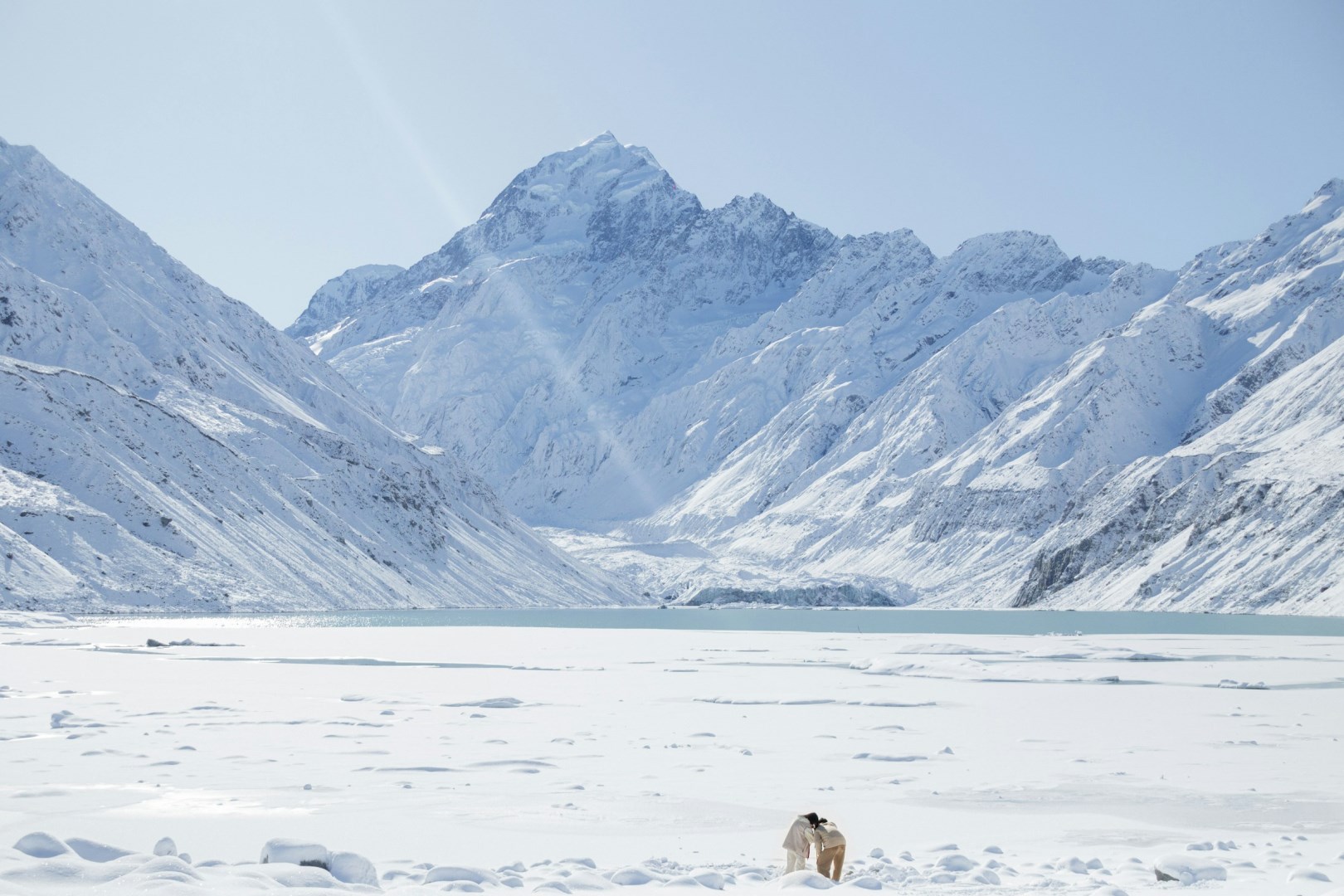
Aoraki / Mount Cook, New Zealand's highest mountain, and the eponymous park that surrounds it, are popular with South Island tourists, especially mountaineers and other adventurers. The only way in or out is State highway 80, which also happens to be one of the country's most scenic roads.
