
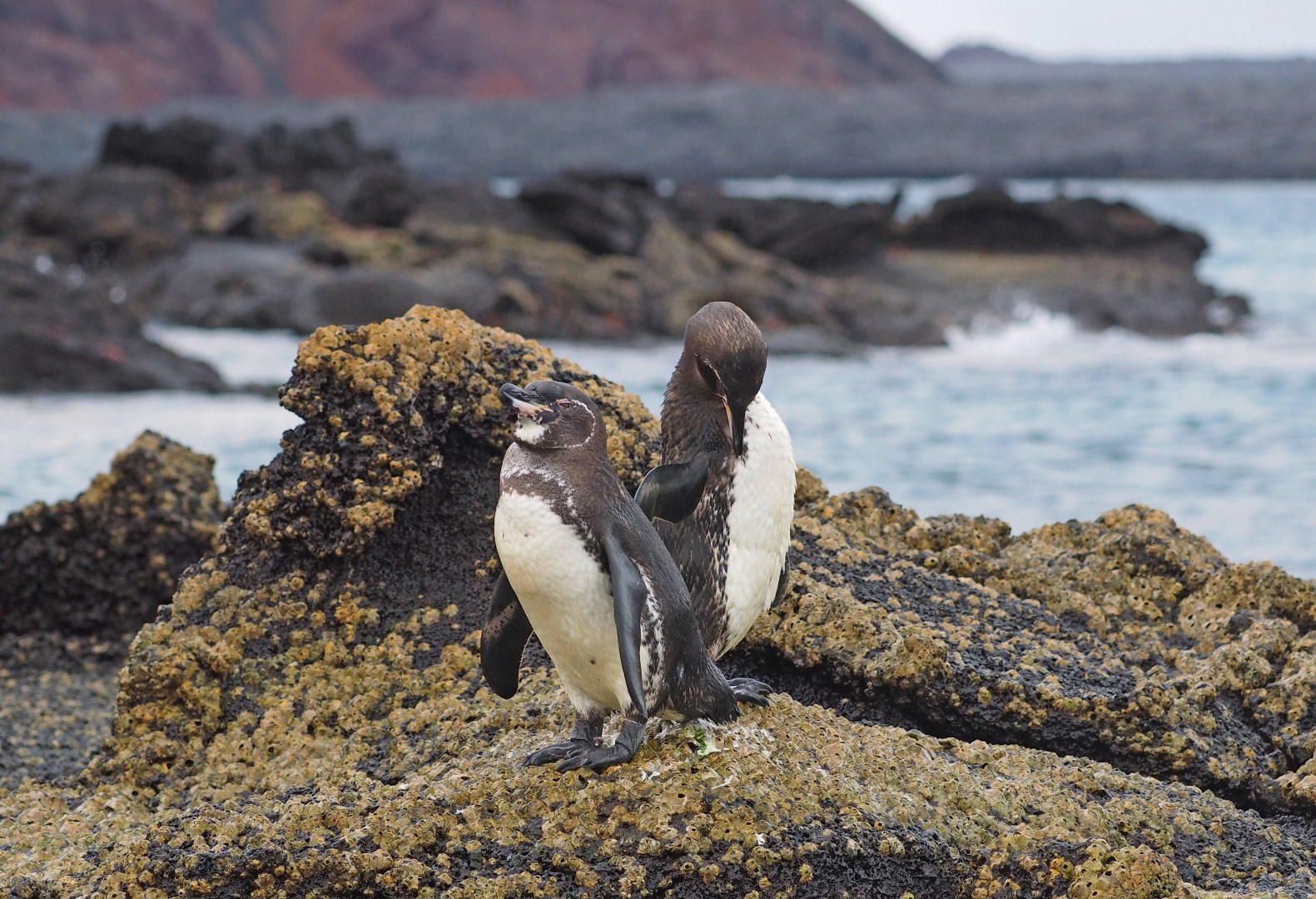
Fernandina Island
Besides being one of the largest and most remote of the Galapagos Islands, Fernandina Island is home to the area's most active volcano. It also boasts the most pristine ecosystem; unlike other islands in the Galapagos, Fernandina has thus far avoided the introduction of any non-native mammal species.
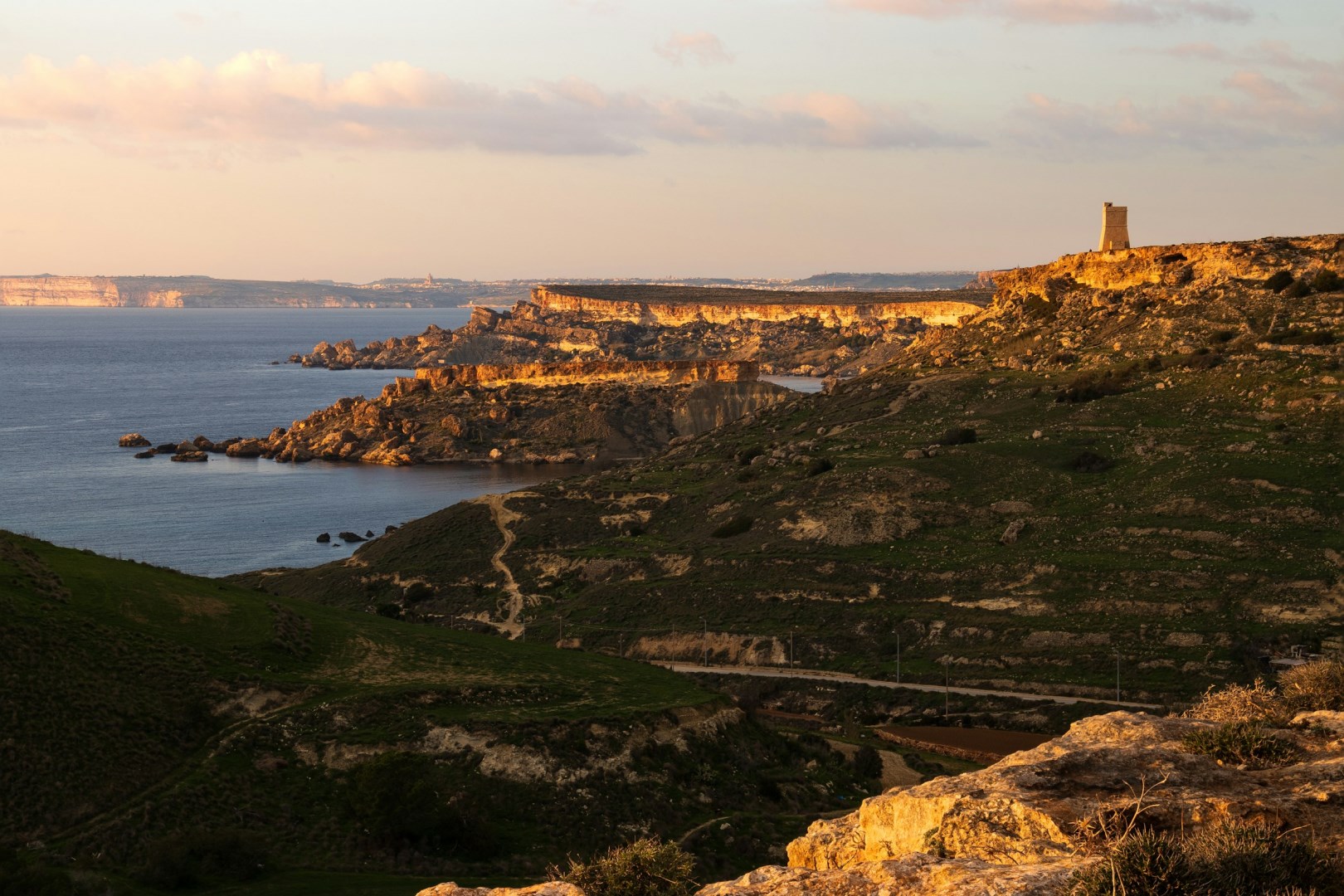
Mġarr
Mgarr is a rural village in northwestern Malta, surrounded by some of the island’s most extensive areas of farmland and open countryside. Its name is associated with a sheltered place or landing area, reflecting Malta’s long relationship with agriculture and rural settlement. The village is centered on the large parish church of the Assumption of the Virgin Mary, whose distinctive dome dominates the surrounding landscape.
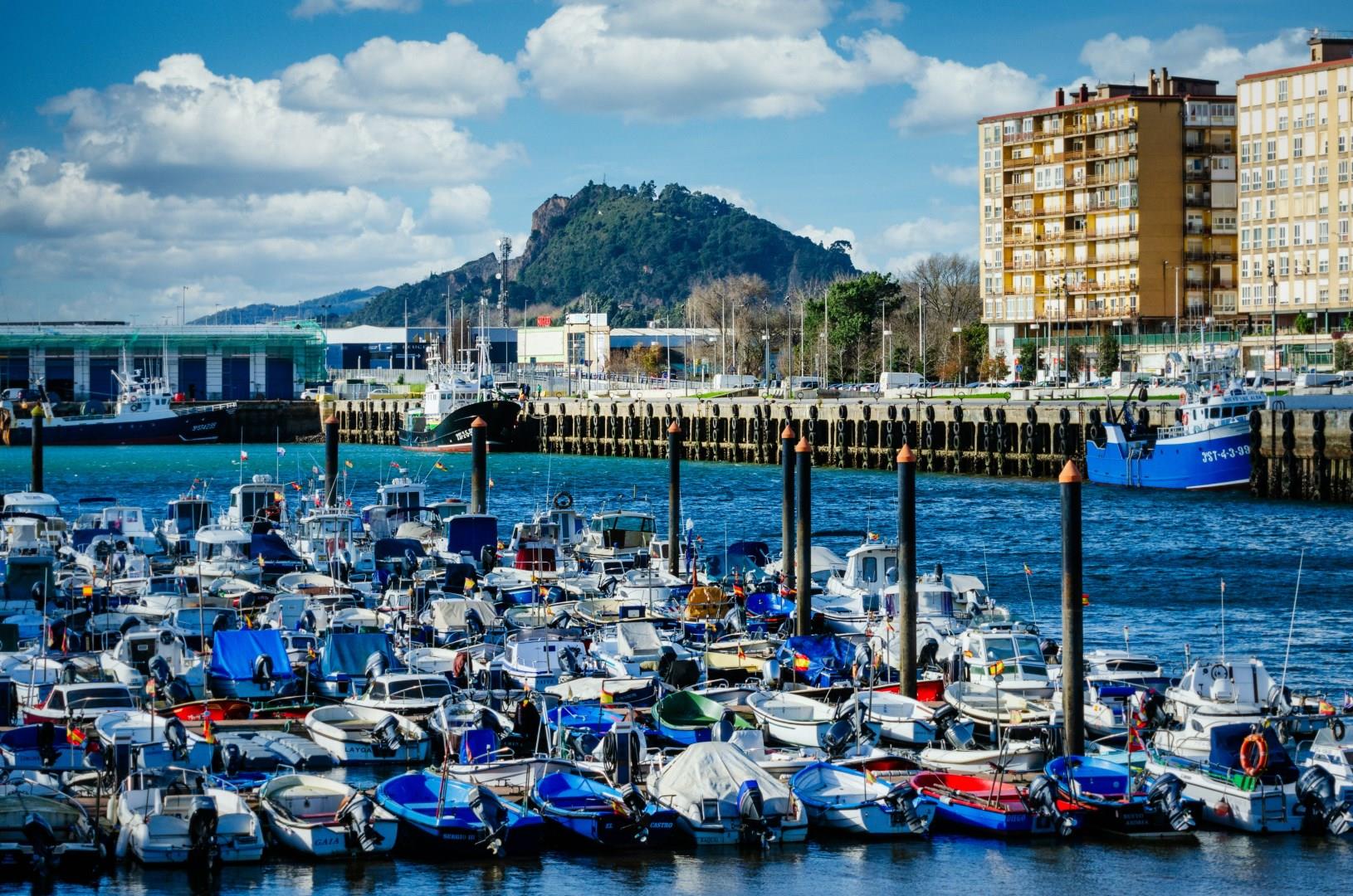
Santander
Santander, the capital of Spain’s Cantabria region, sits along the Bay of Biscay and offers travelers a mix of coastline, culture, and history shaped by centuries of maritime life. Once a bustling port for Castilian exports, Santander saw its golden age in the 19th century when Spanish royalty turned it into a summer retreat. The legacy of that era remains visible at the Palacio de la Magdalena, perched on a peninsula with views of the sea and home to royal stables, a mini zoo, and guided tours.

Klaipeda
Klaipeda, Lithuania’s only port city, is a place where history, nature, and the sea come together. Located on the coast of the Baltic Sea, this charming city has a unique old town filled with cobblestone streets.
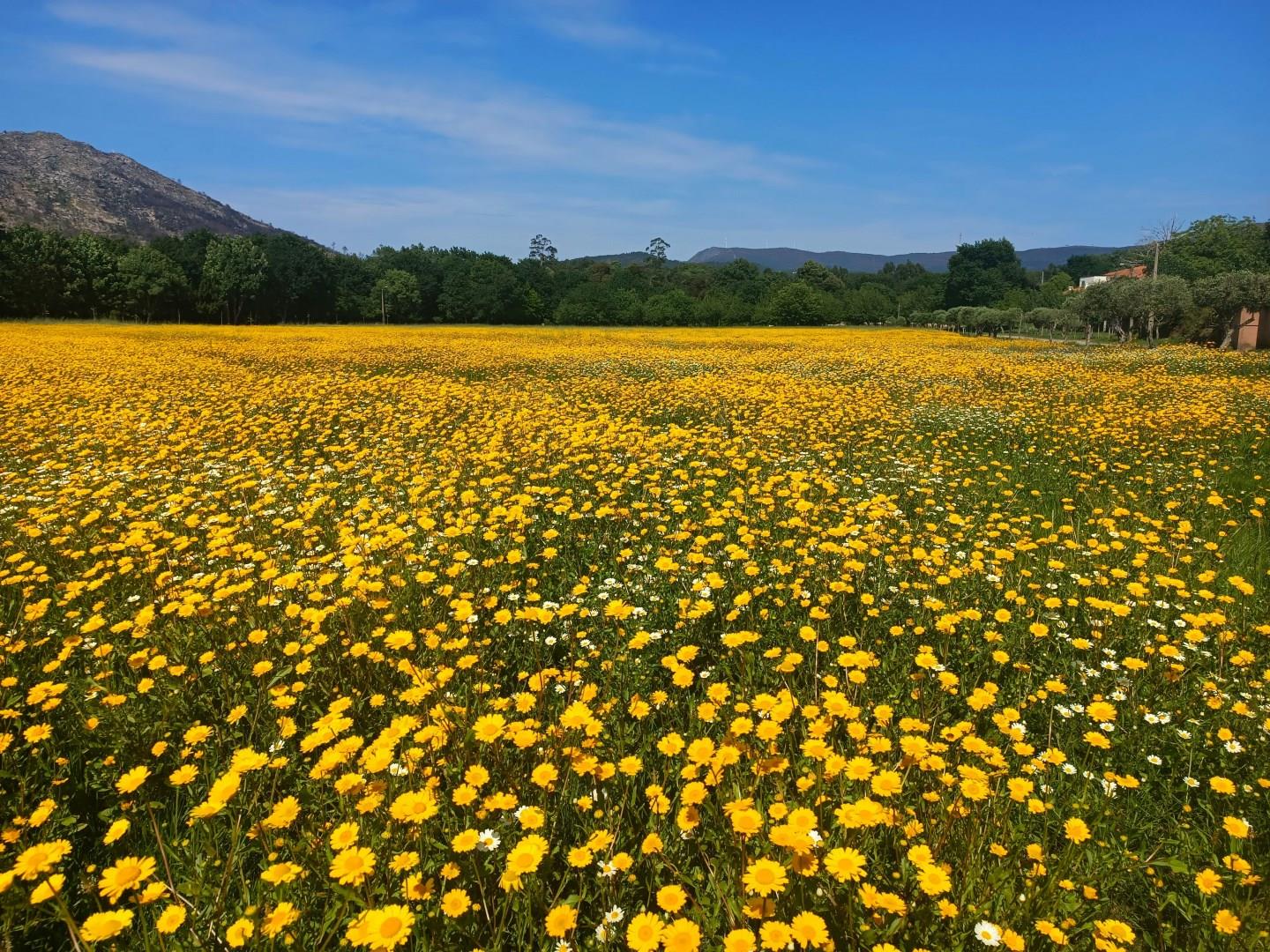
Caminha
Caminha sits at Portugal’s northern edge, where the Minho River meets the Atlantic and marks the border with Spain. Its history is closely tied to defense and trade, visible in remnants of medieval walls and a compact historic center that once guarded the river mouth.
