
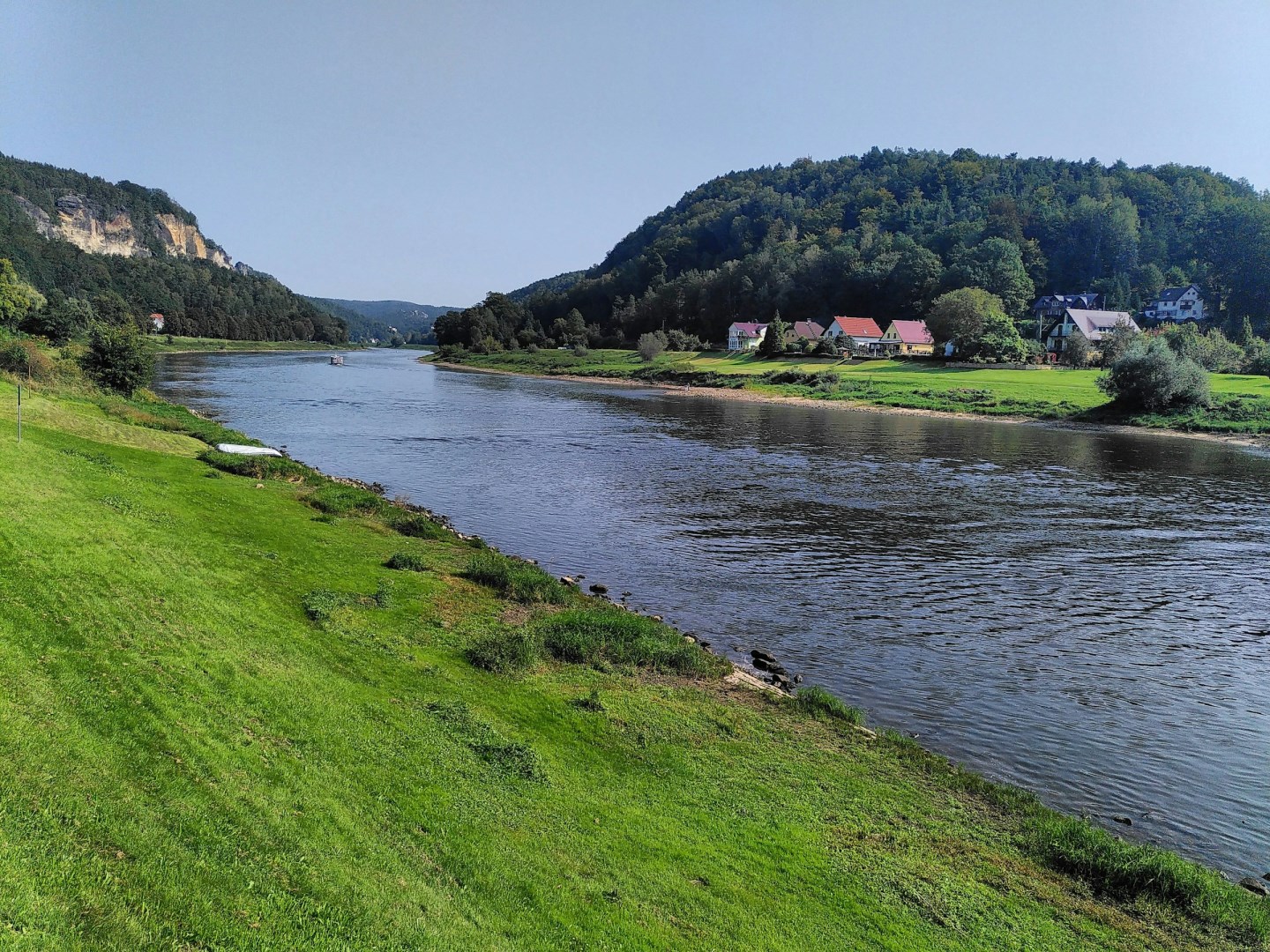
Elbe River
The Elbe is one of the Central Europe's greatest rivers, rising in the northern Czech Republic, traversing through Bohemia and Germany, and flowing into the North Sea not far from Hamburg. The river and its route have been largely untouched, so wildlife visibly abounds along its wetlands and wooded regions. Other scenery includes terraced vineyards and charming wine villages.

Cinque Terre
Cinque Terre, a UNESCO World Heritage Site, is a slice of Italian paradise nestled along the rugged Ligurian coast. This collection of five fishing villages—Monterosso, Vernazza, Corniglia, Manarola, and Riomaggiore—offers visitors a breathtaking landscape of pastel-colored homes perched on cliffs overlooking the Mediterranean.
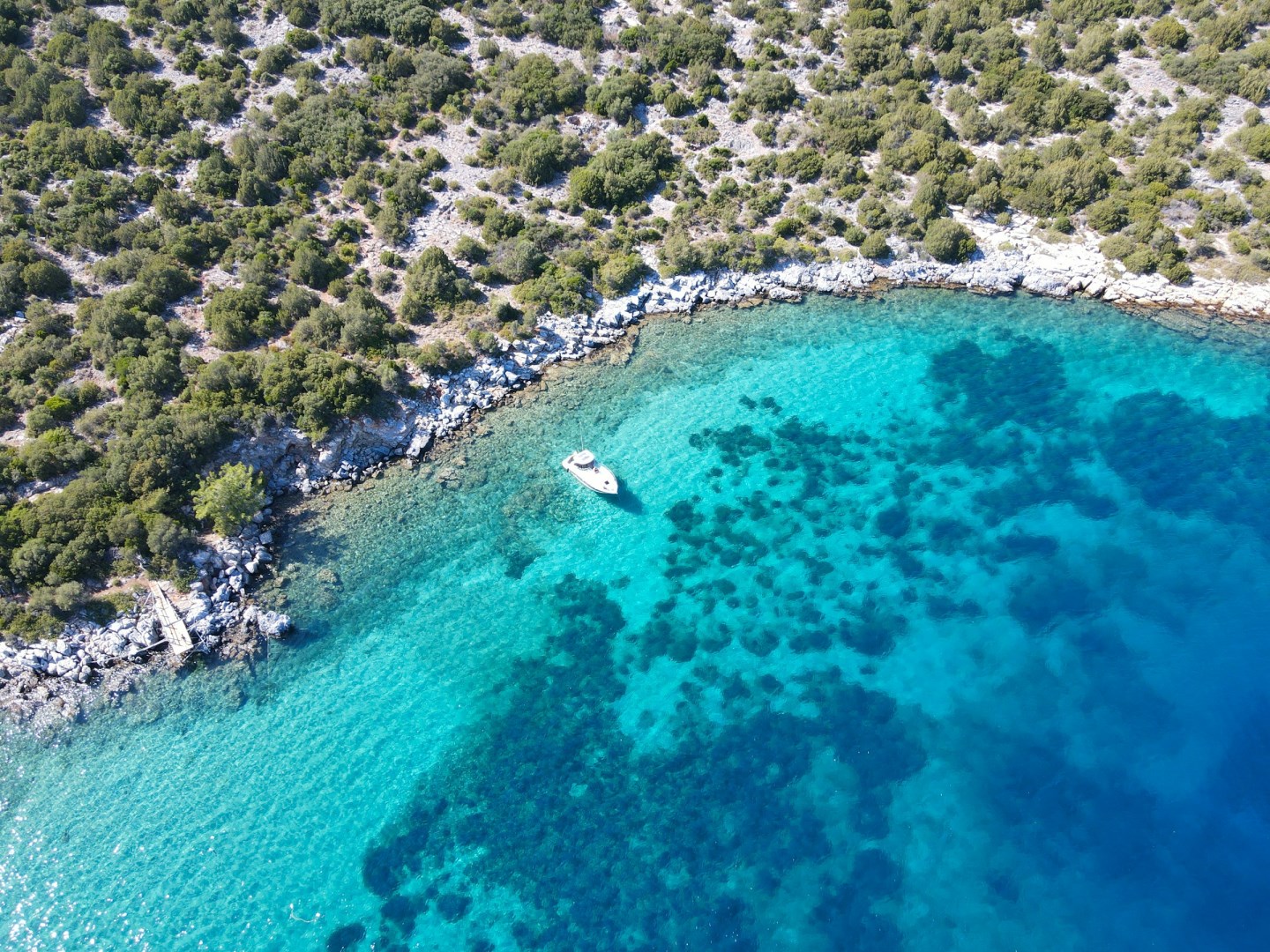
Samos
This hilly Aegean island, legendary birthplace of the goddess Hera, rests along a narrow strait across from the Turkish coast. Stroll through the streets of Old Town, lined with Turkish-style houses. Visit the Archarological Museum, housing artifacts from the Hearion, and be sure to view the lighted harbor at night. Also explore the 6th century AD Eupalina Tunnel, an enormous aqueduct built through the mountains to supply the city with water.
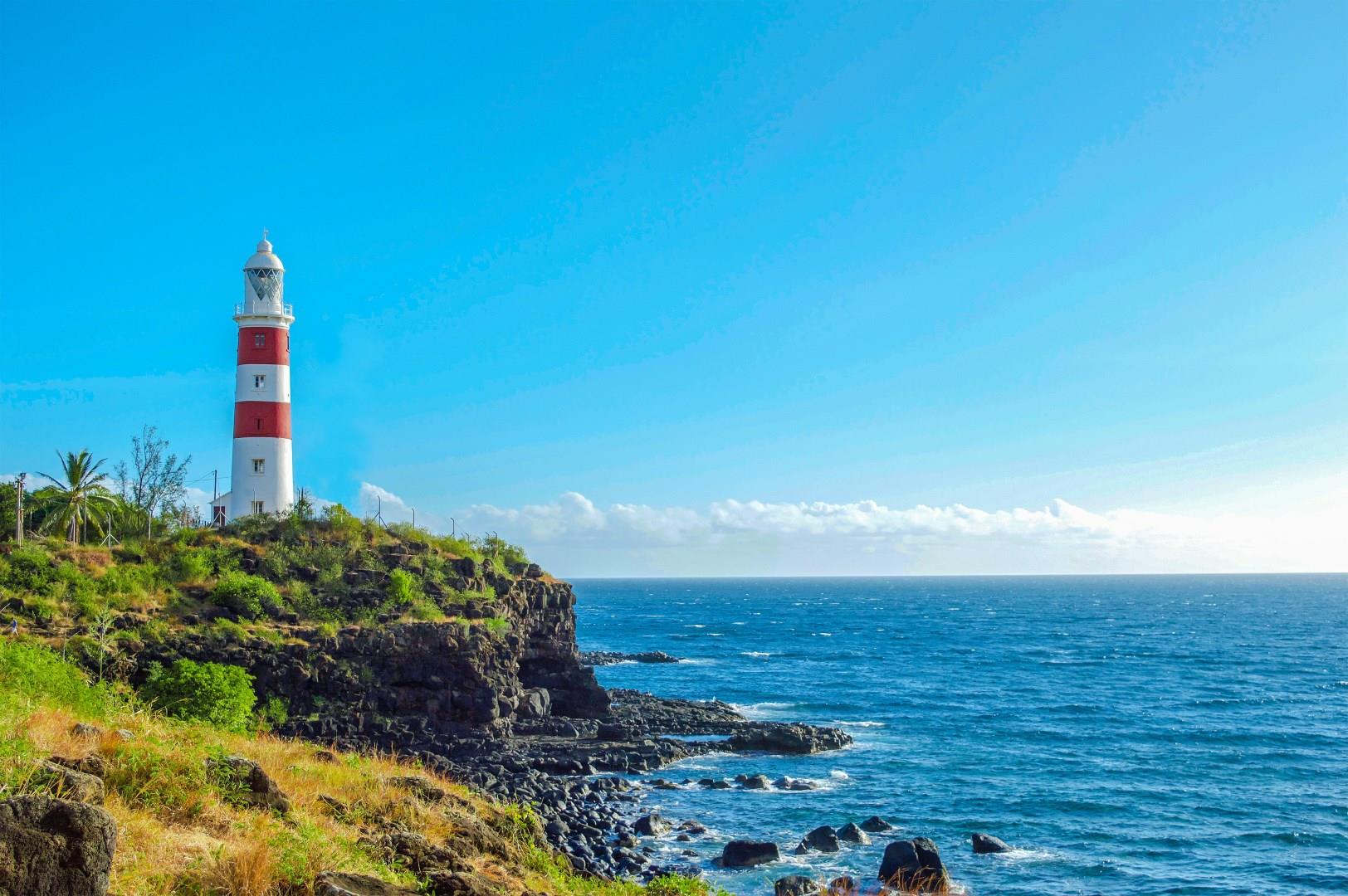
Albion
Albion, a small coastal town on the west coast of Mauritius, is known for its peaceful atmosphere and scenic setting by the Indian Ocean. Unlike some of the island’s more crowded resort areas, Albion offers a quieter escape while still showcasing the natural beauty that makes Mauritius a favorite destination.

Brno
Brno, the vibrant heart of the Czech Republic's Moravian region, offers a captivating blend of historical charm and modern dynamism. As the second-largest city in the country, Brno is known for its striking architecture, including the Špilberk Castle, which overlooks the city from its hilltop perch. Originally a medieval fortress, Špilberk Castle has evolved into a cultural and historical museum, showcasing exhibits on the city’s rich past and providing panoramic views of Brno.
