
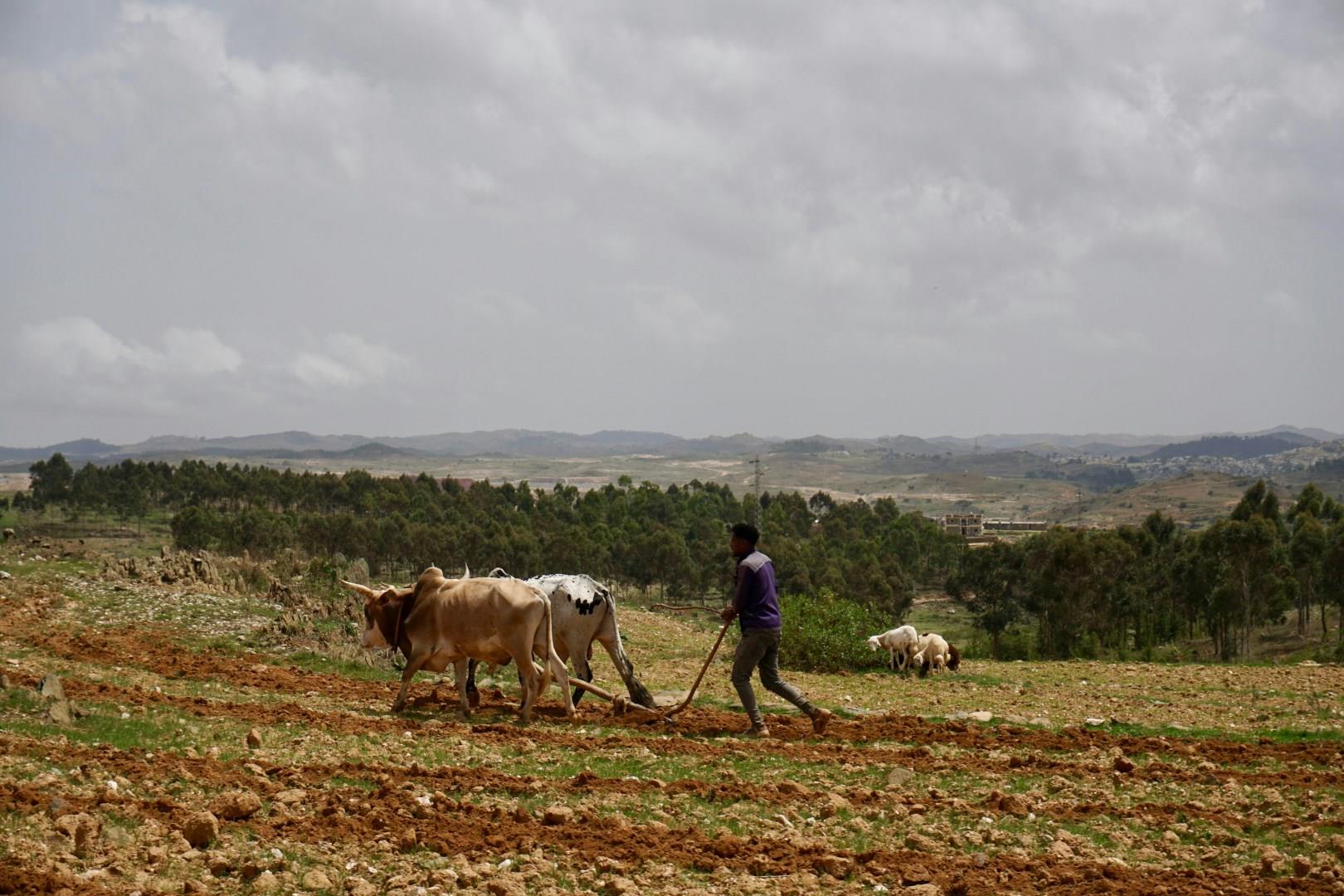
Asmara
Asmara, the capital of Eritrea, is a city where time seems to have paused in the mid-20th century. Known for its remarkably preserved Italian modernist architecture, the city has earned recognition as a UNESCO World Heritage Site.
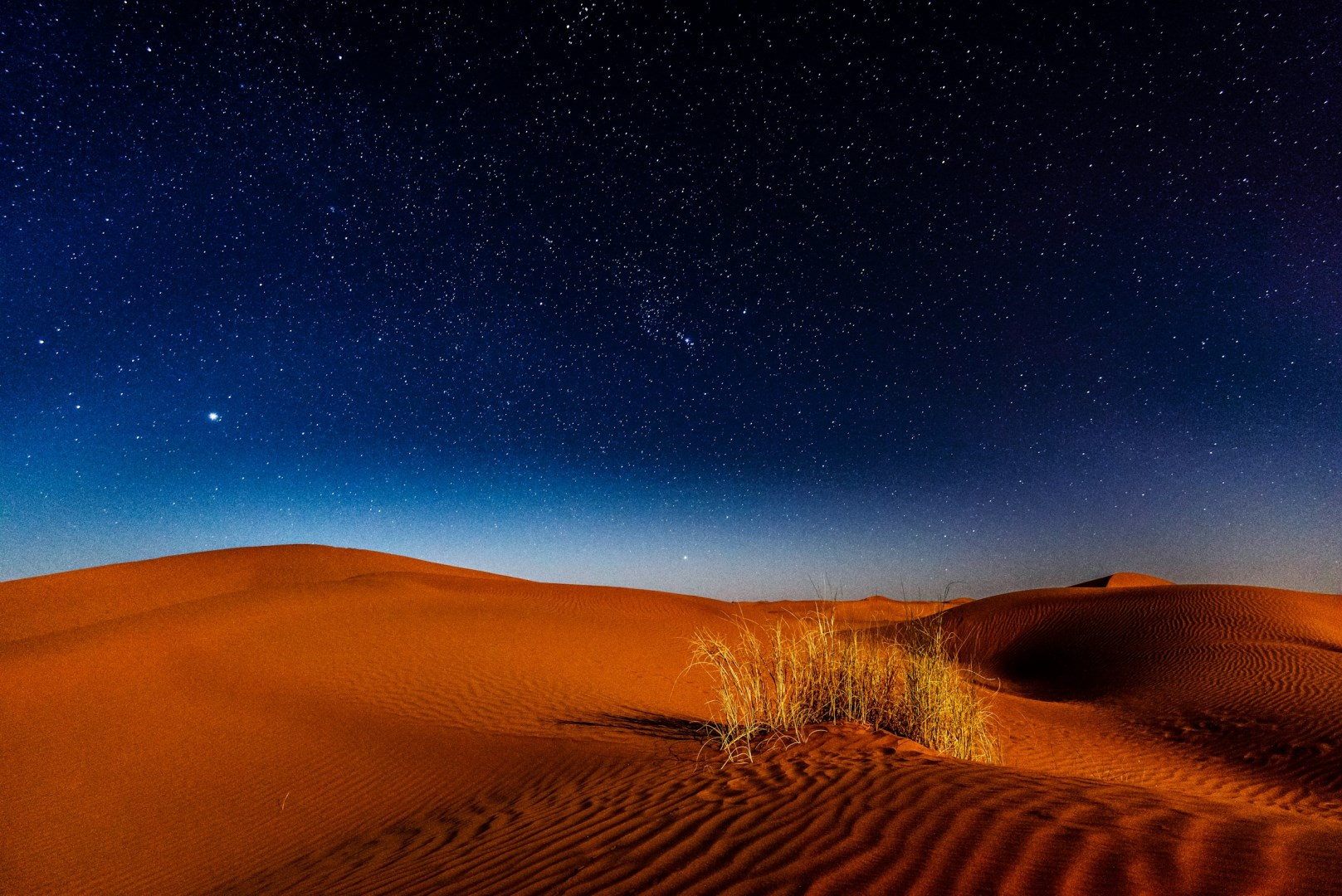
Western Sahara
Western Sahara, (formerly Spanish Sahara), northwestern Africa, former overseas province of Spain partitioned in 1976 between Mauritania and Morocco, and since 1979, occupied entirely by Morocco.
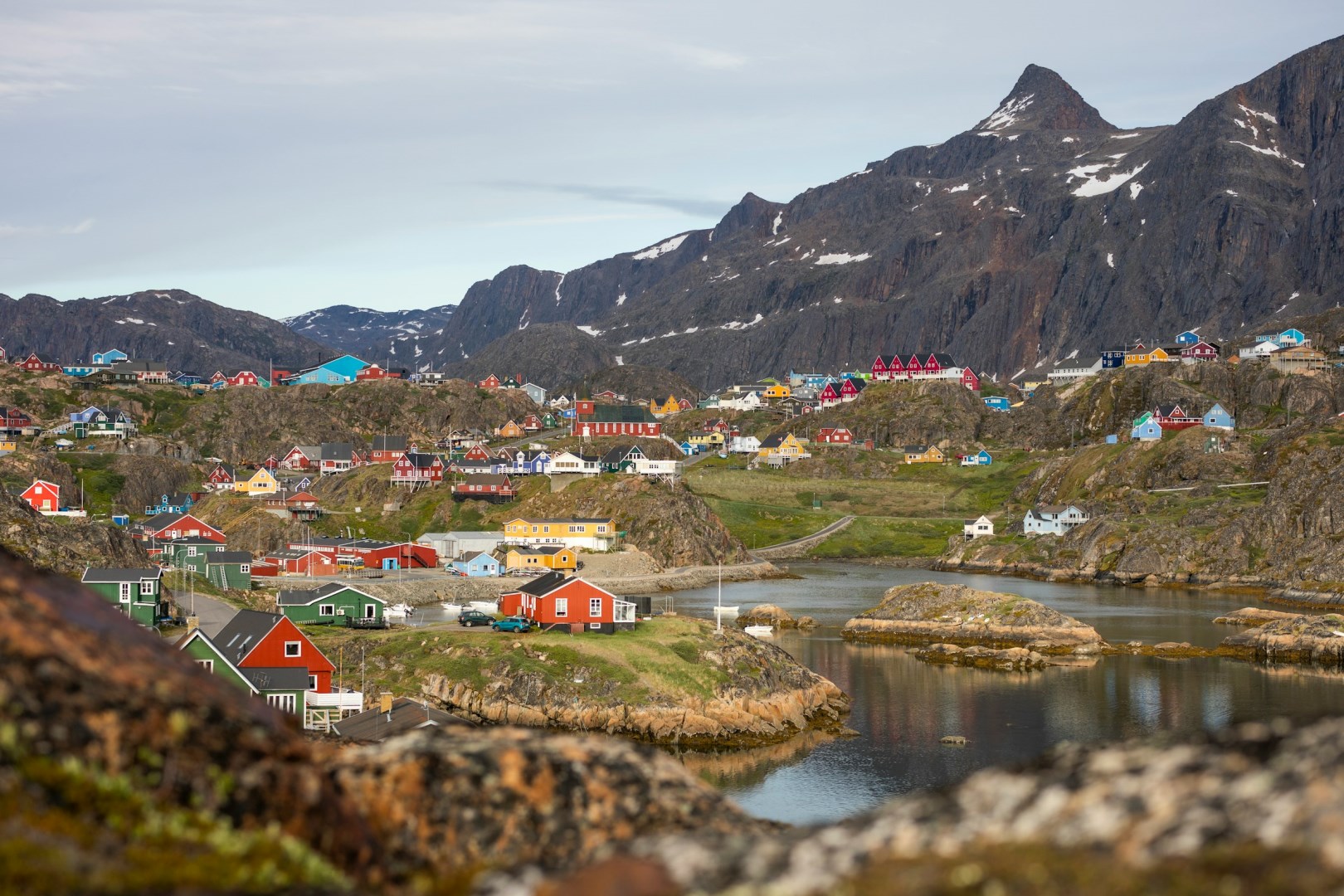
Sisimiut
Sisimiut, Greenland's second-largest city, offers a captivating glimpse into Arctic life and stunning natural beauty. Nestled on the shores of the Davis Strait, Sisimiut is renowned for its striking landscapes and rich cultural heritage.

Basel
Basel is the global center of the pharmaceutical industry, but most travelers visit for the world-famous ART Basel festival, as well as the numerous art galleries, iconic architecture and museums.
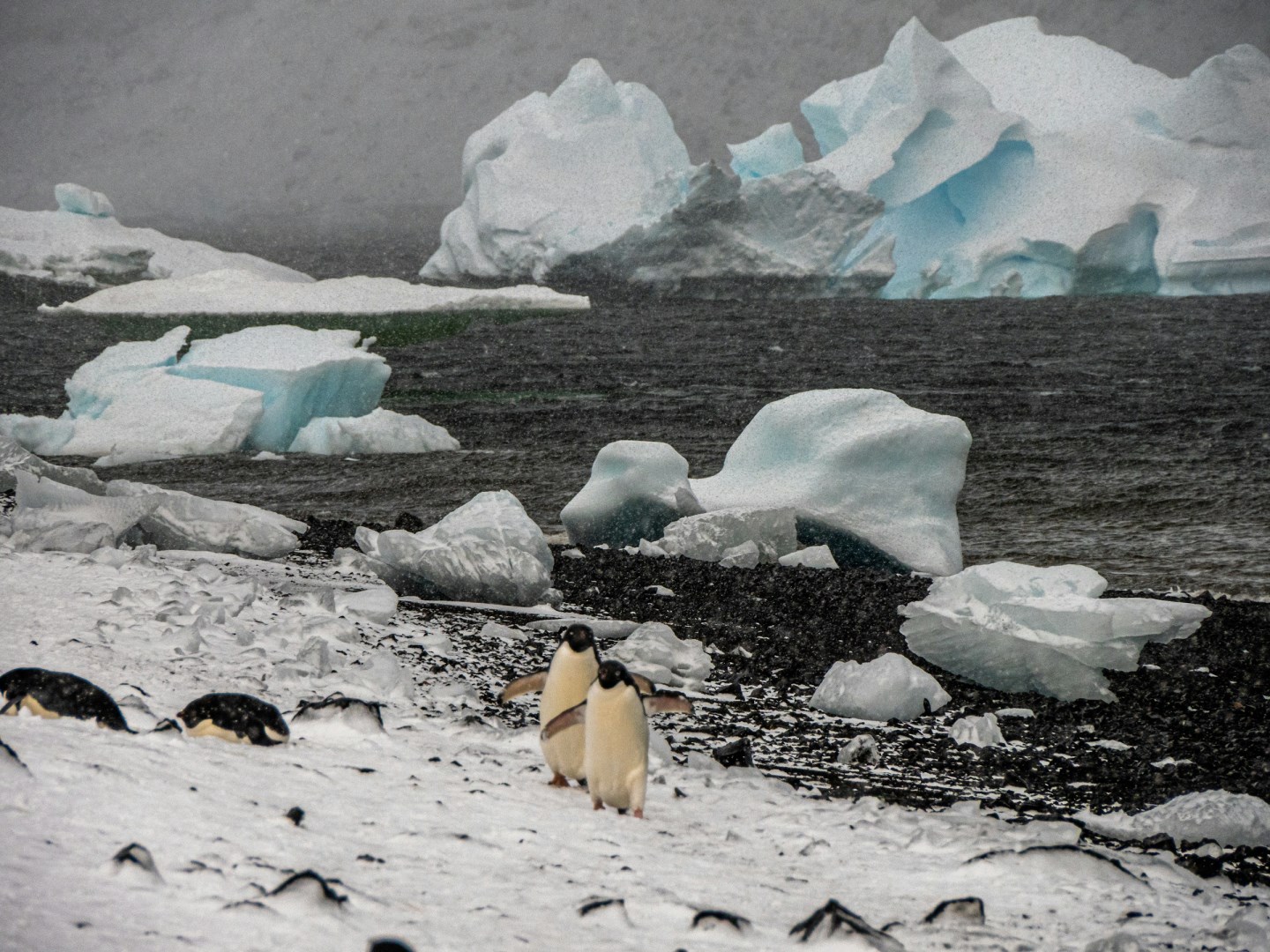
South Orkney Islands
The South Orkney Islands, lying in the icy waters of the Southern Ocean northeast of the Antarctic Peninsula, are a remote and rarely visited corner of the world. This small archipelago, claimed by both the United Kingdom and Argentina, is largely uninhabited except for a few research stations.
