
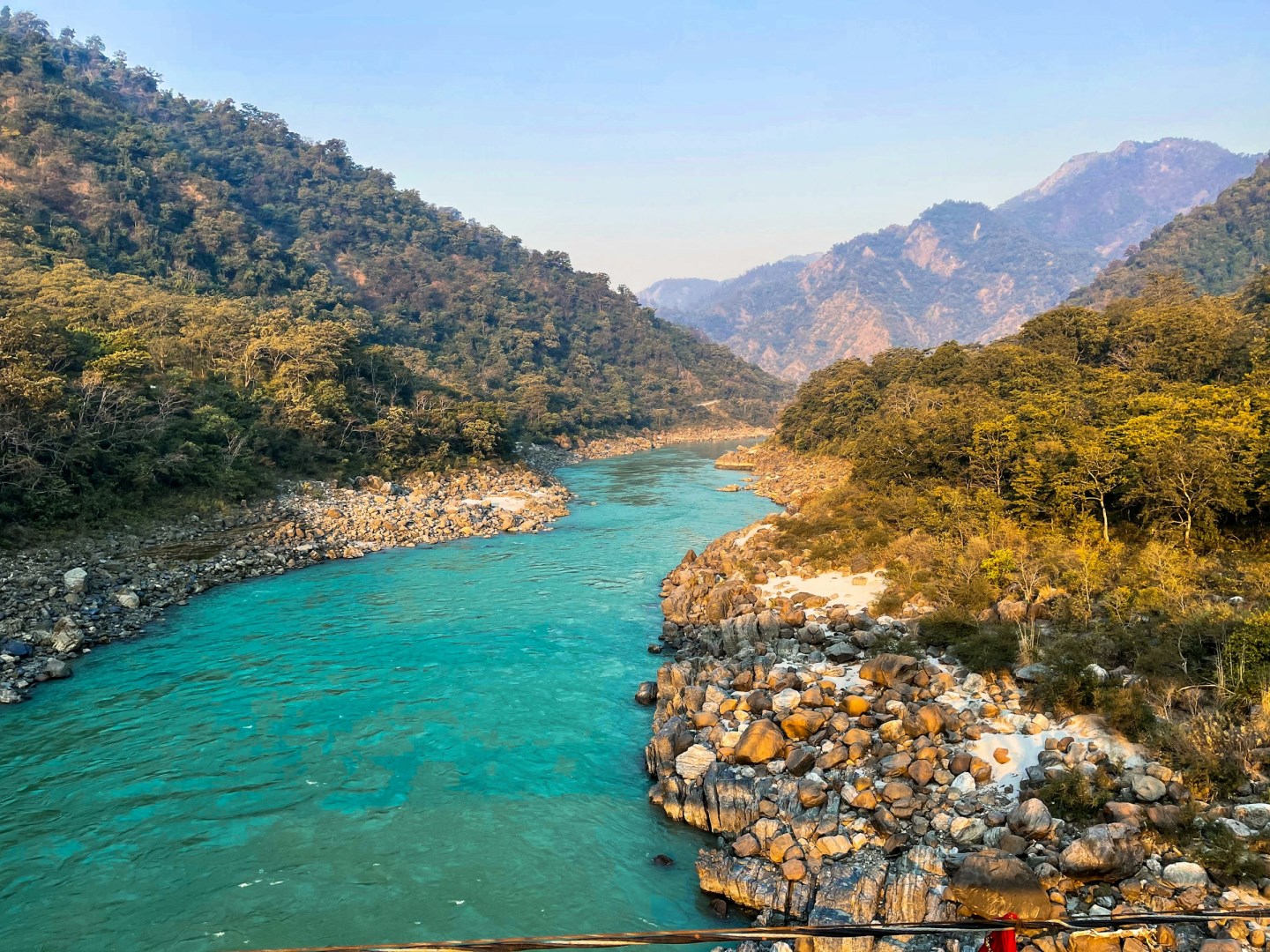
Ganges River
The River Ganges, flowing through India and Bangladesh, supports millions of people living in the river basin. In Hinduism, the river is considered the most sacred, and as a result it is in important element of many Hindu rituals and festivals.
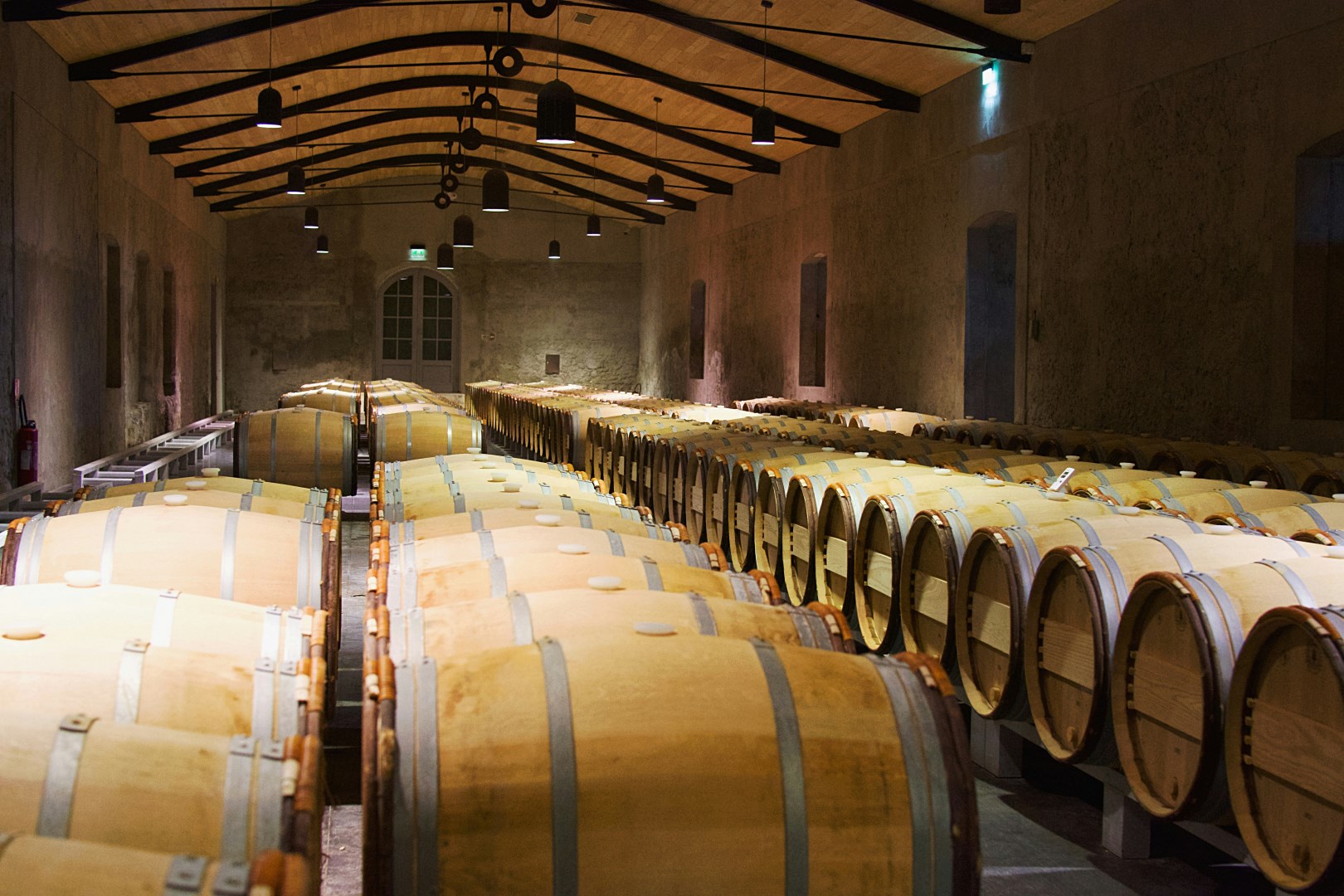
Medoc
Médoc is a peninsula in southwestern France, located between the Atlantic Ocean and the Gironde estuary, north of Bordeaux. It is widely recognized for its vineyards, which produce some of the country’s most established wines, particularly red varieties based on Cabernet Sauvignon and Merlot.
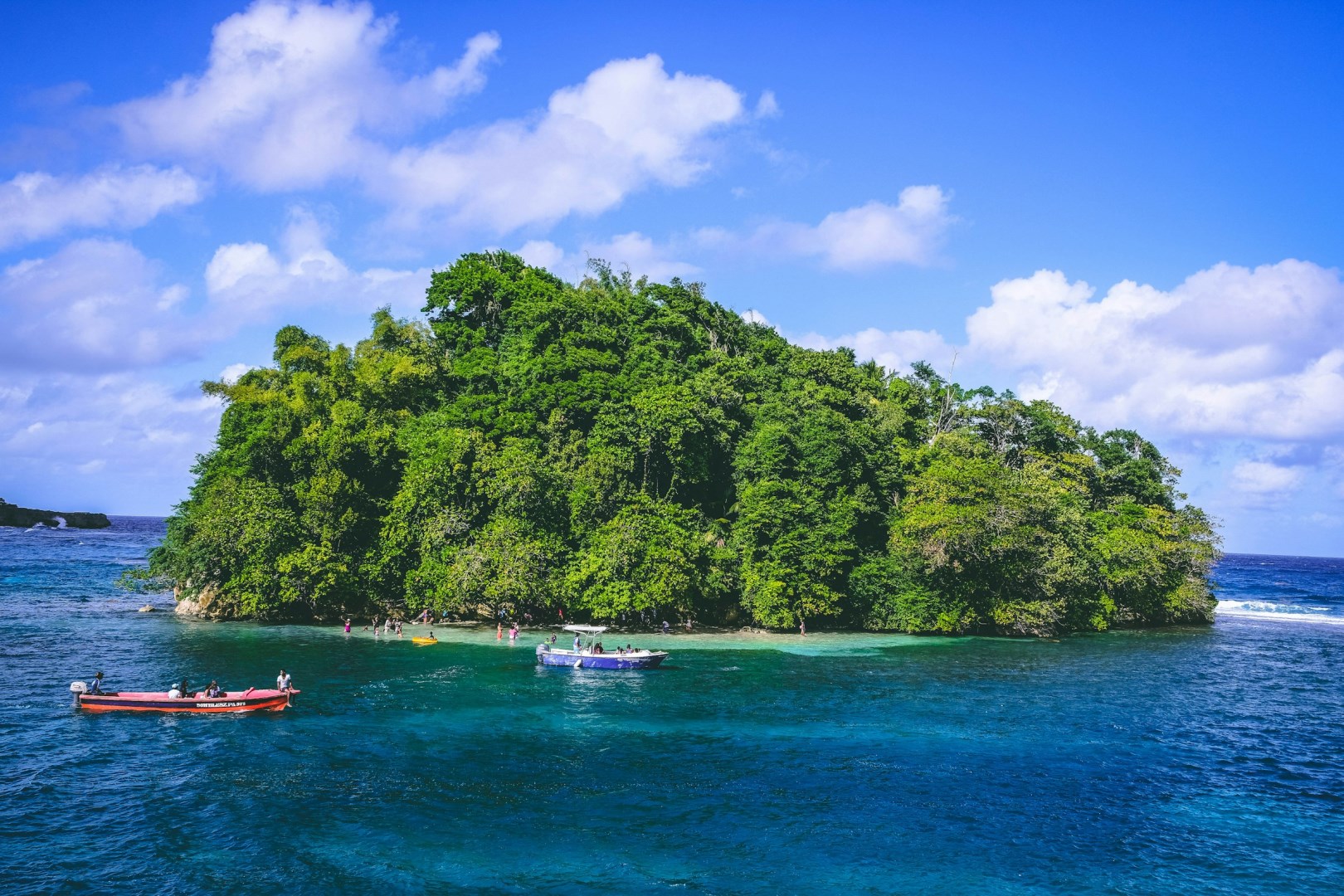
Port Antonio
Port Antonio is a coastal town in northeastern Jamaica, serving as the capital of Portland Parish and sitting between the Caribbean Sea and the foothills of the Blue Mountains. The town is surrounded by steep green hills, rivers, bays, and tropical vegetation, with the natural harbour formed by Navy Island and the mainland providing a sheltered setting.
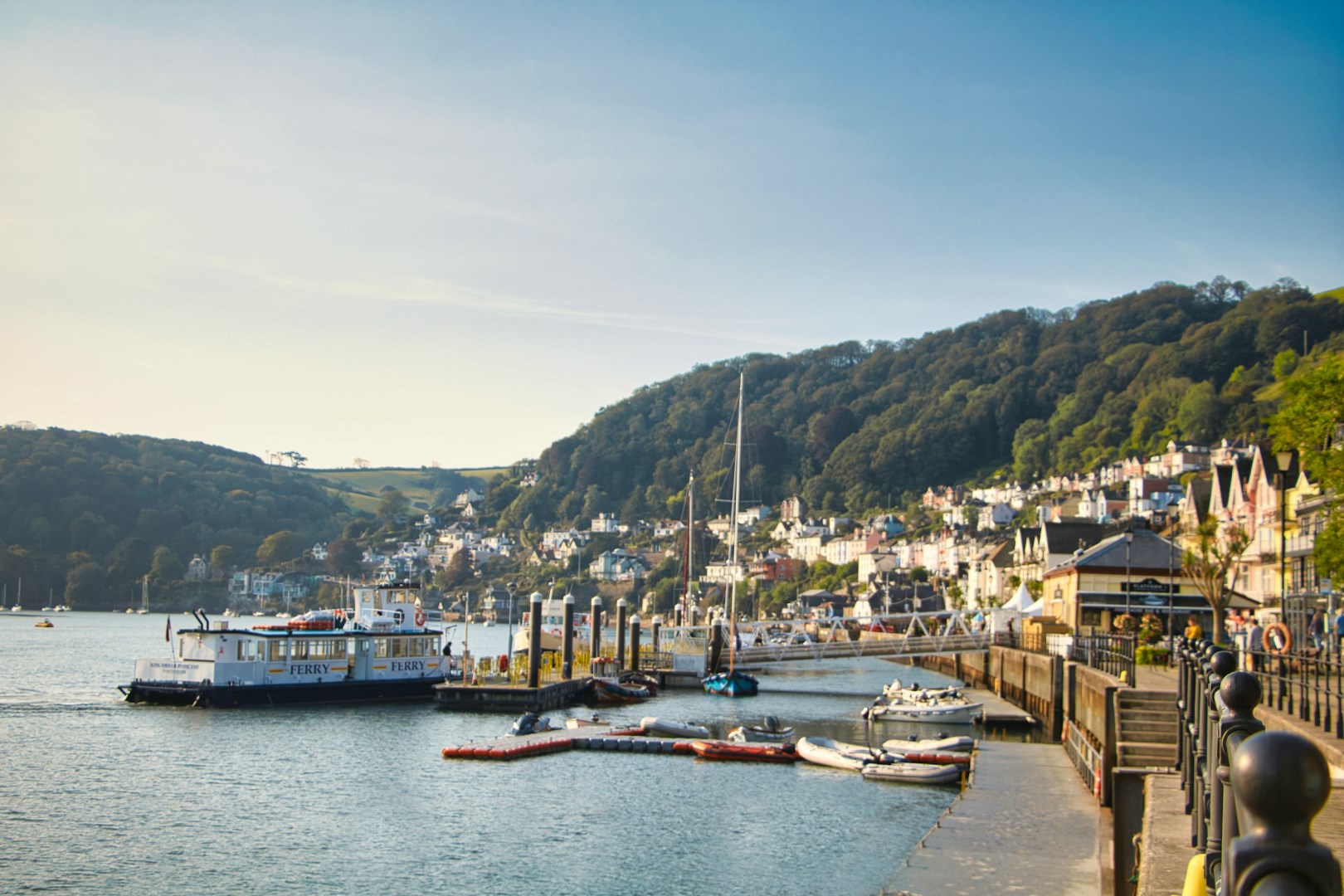
Dartmouth
Dartmouth is a coastal town in Devon, southwestern England, positioned on the steep western bank of the River Dart near its meeting with the English Channel. Its waterfront is shaped by a deep natural harbor, with boats moving between the river and the sea throughout the year. The historic center rises sharply from the quays, with narrow lanes, stone buildings, independent shops, and old merchants’ houses.
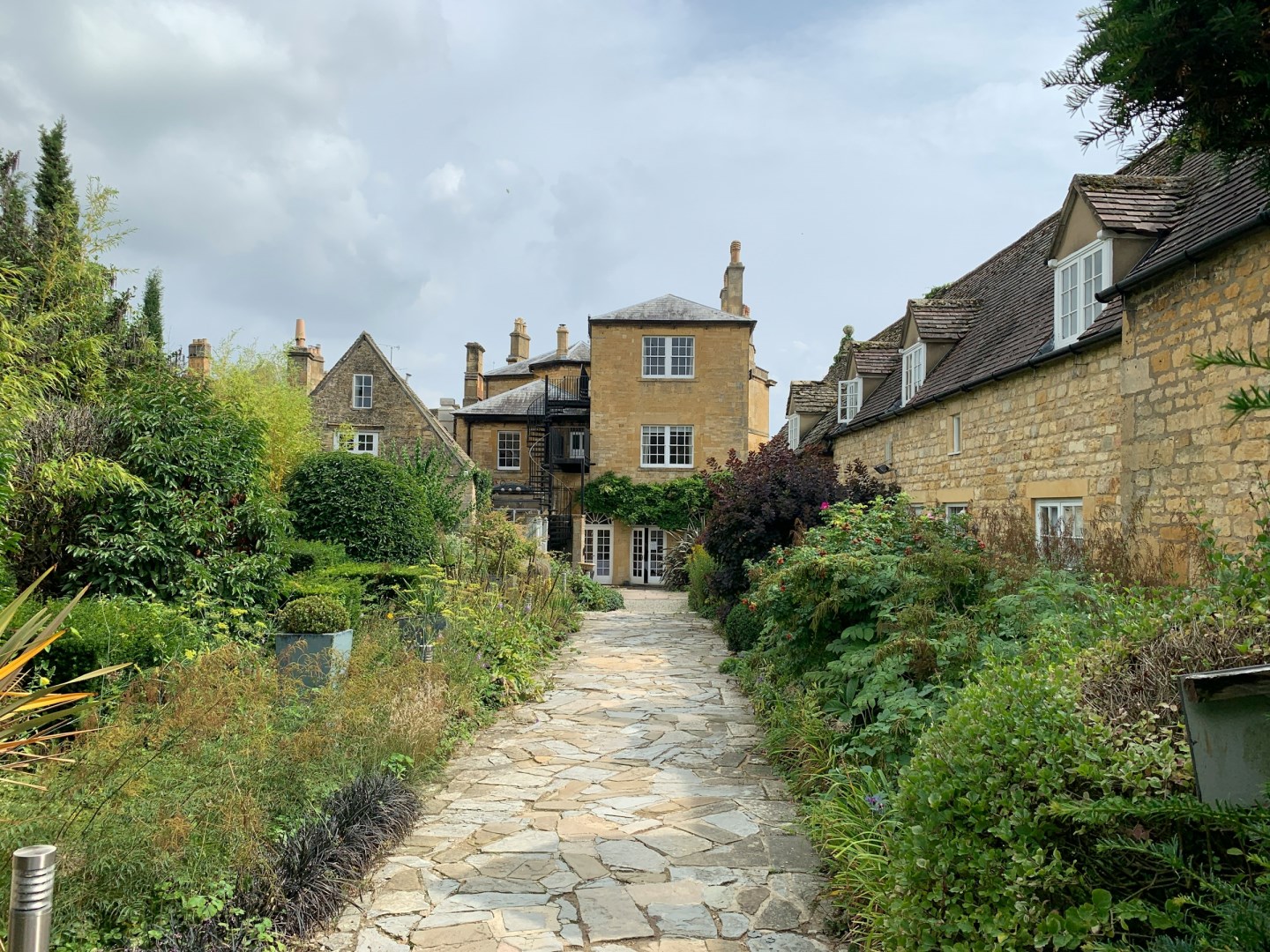
Chipping Campden
Chipping Campden is a historic market town in the Cotswolds of Gloucestershire, surrounded by gently rolling farmland and limestone villages. Its main street is lined with honey-colored stone buildings, many dating from the medieval and early modern periods, giving the town a distinctive architectural character. The Market Hall, built as a shelter for local traders, is one of its best-known landmarks.
