

Dominica
Dominica, known as the “Nature Island of the Caribbean,” is a haven for eco-tourists and adventure seekers. Nestled between the French islands of Guadeloupe and Martinique, this lush island boasts a remarkable landscape of volcanic mountains, dense rainforests, and stunning waterfalls. Dominica’s most iconic natural wonder is the Boiling Lake, the second-largest hot spring in the world.

Grand Teton National Park
Grand Teton National Park, located in northwestern Wyoming, offers a breathtaking panorama of rugged mountain landscapes and pristine wilderness. Dominated by the imposing Teton Range, the park’s dramatic peaks rise sharply from the valley floor, creating one of the most striking mountain vistas in the United States. The Tetons are renowned for their stunning granite spires, including the iconic Grand Teton, which reaches 13,775 feet and is a favorite among climbers and photographers alike.

Barcelona
To visit Barcelona is to embrace both the past and the future. There is much to do and see in this cosmopolitan capital of Catalonia, from medieval structures to beaches to UNESCO Heritage Sites by Antoni Gaudí and Lluís Doménech i Montaner.
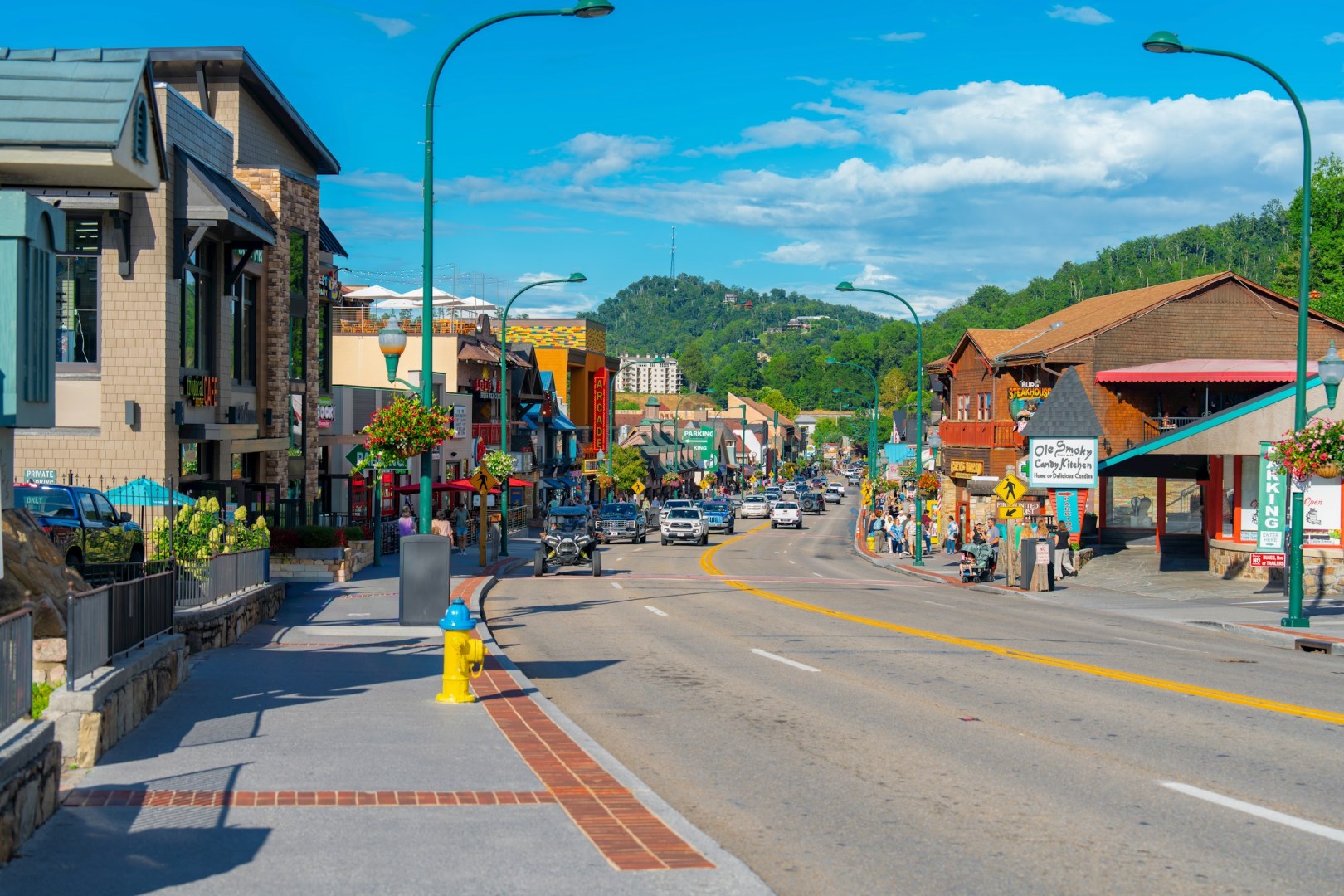
Gatlinburg
Plan to spend at least a full day in downtown Gatlinburg exploring the hundreds of gift and craft shops, and dozens of family entertainment attractions such as the "Sweet Fanny Adams" Theater and Elwood Smooch's Hillbilly Hoedown. For a totally different experience, ride the world's larges tramway to Ober Gatlinburg featuring year round skking, ice skating, and ski lift rides...

Victoria
Victoria, the capital of Seychelles, is often described as one of the world’s smallest capitals, yet it brims with color and character. Located on Mahé Island, the city is both a cultural hub and a gateway to the surrounding beaches and mountains.
