
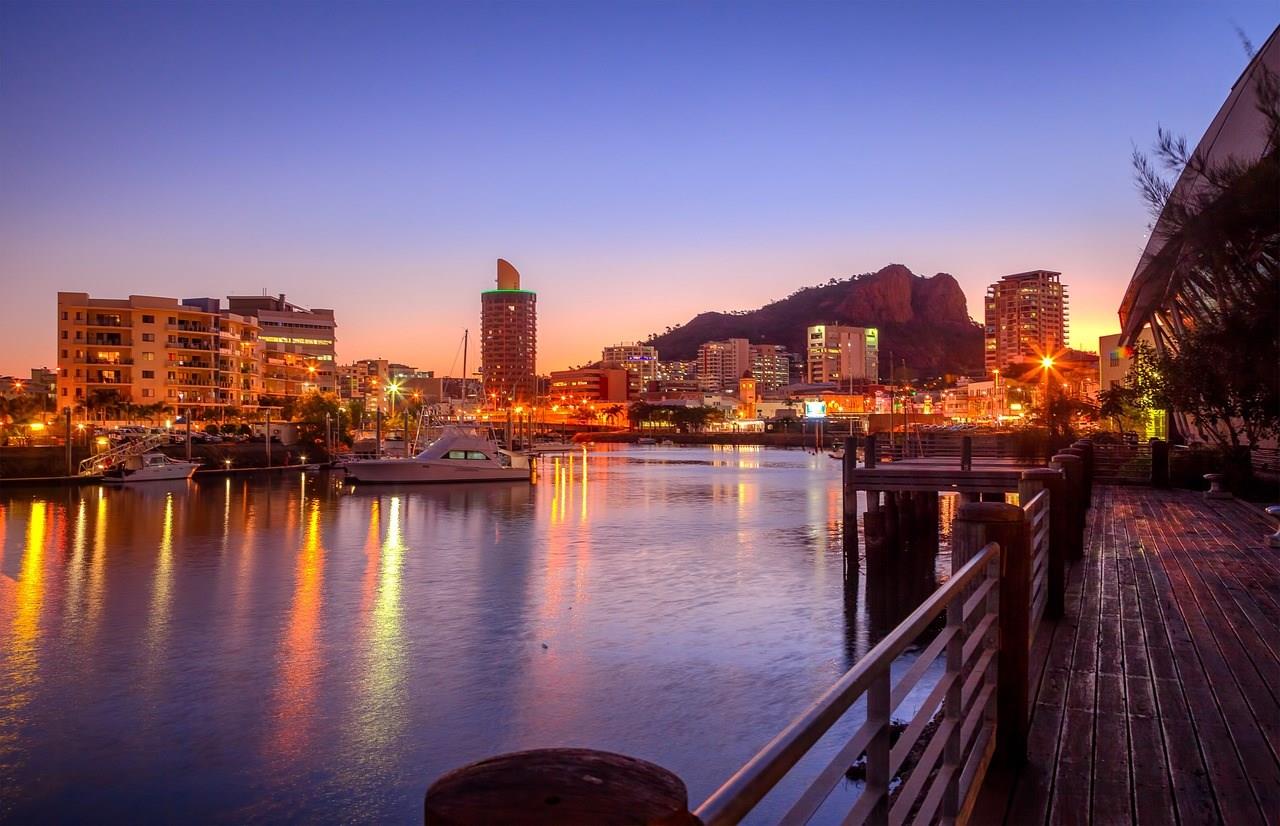
Townsville
Townsville, perched on the northeastern coast of Queensland, is a city where tropical charm meets rich heritage. Once a strategic military base during World War II, Townsville still carries echoes of its past through sites like the Townsville Heritage Centre. The Strand, a scenic, palm-lined beachfront promenade, serves as a gathering place for locals and visitors alike, where weekend drum circles and food trucks bring the esplanade to life.
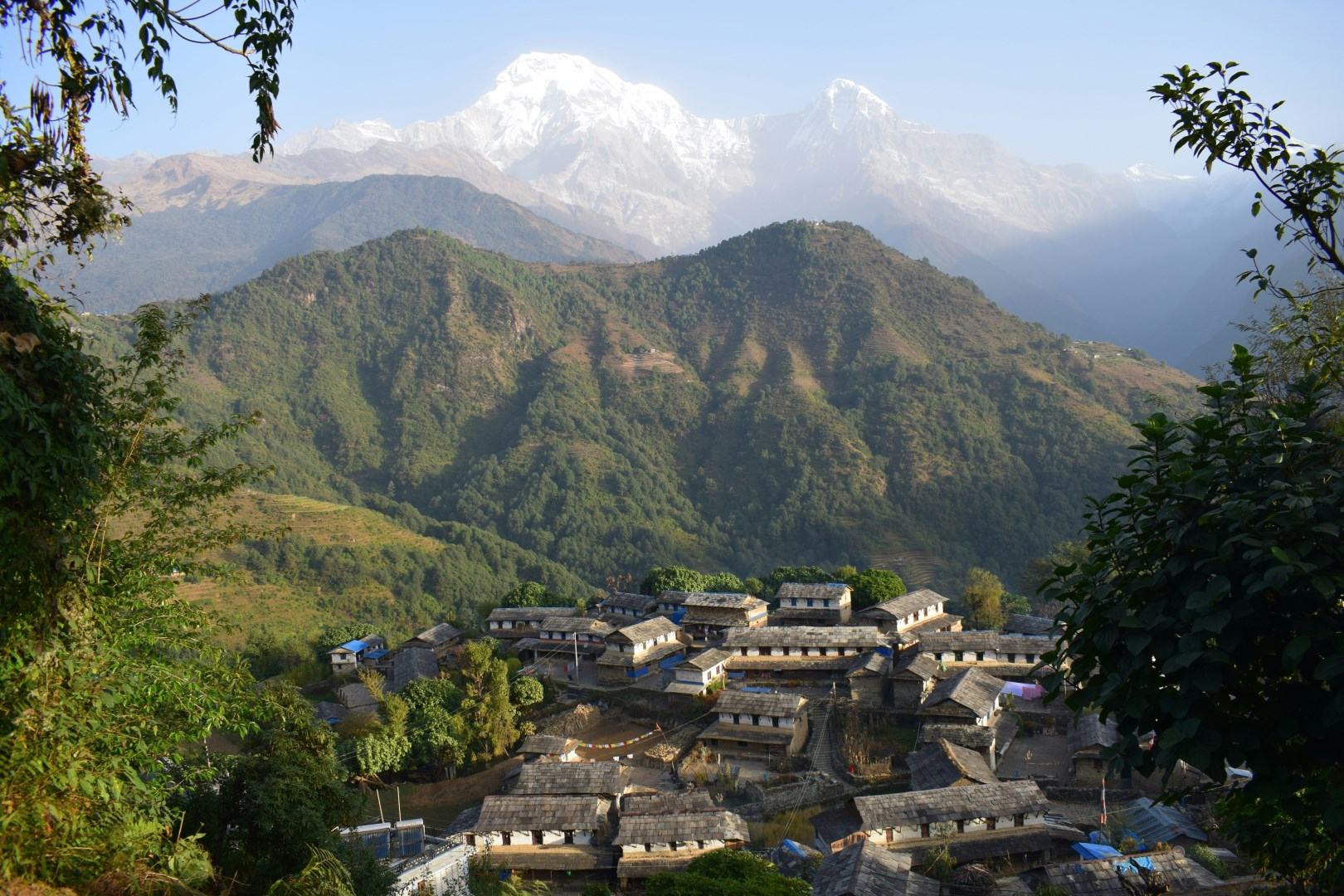
Ghandruk
Ghandruk is a mountain village in Nepal’s Annapurna region, located on terraced hillsides overlooking the Modi Khola Valley. The village is widely recognized for its stone houses, slate roofs, and panoramic views of peaks.
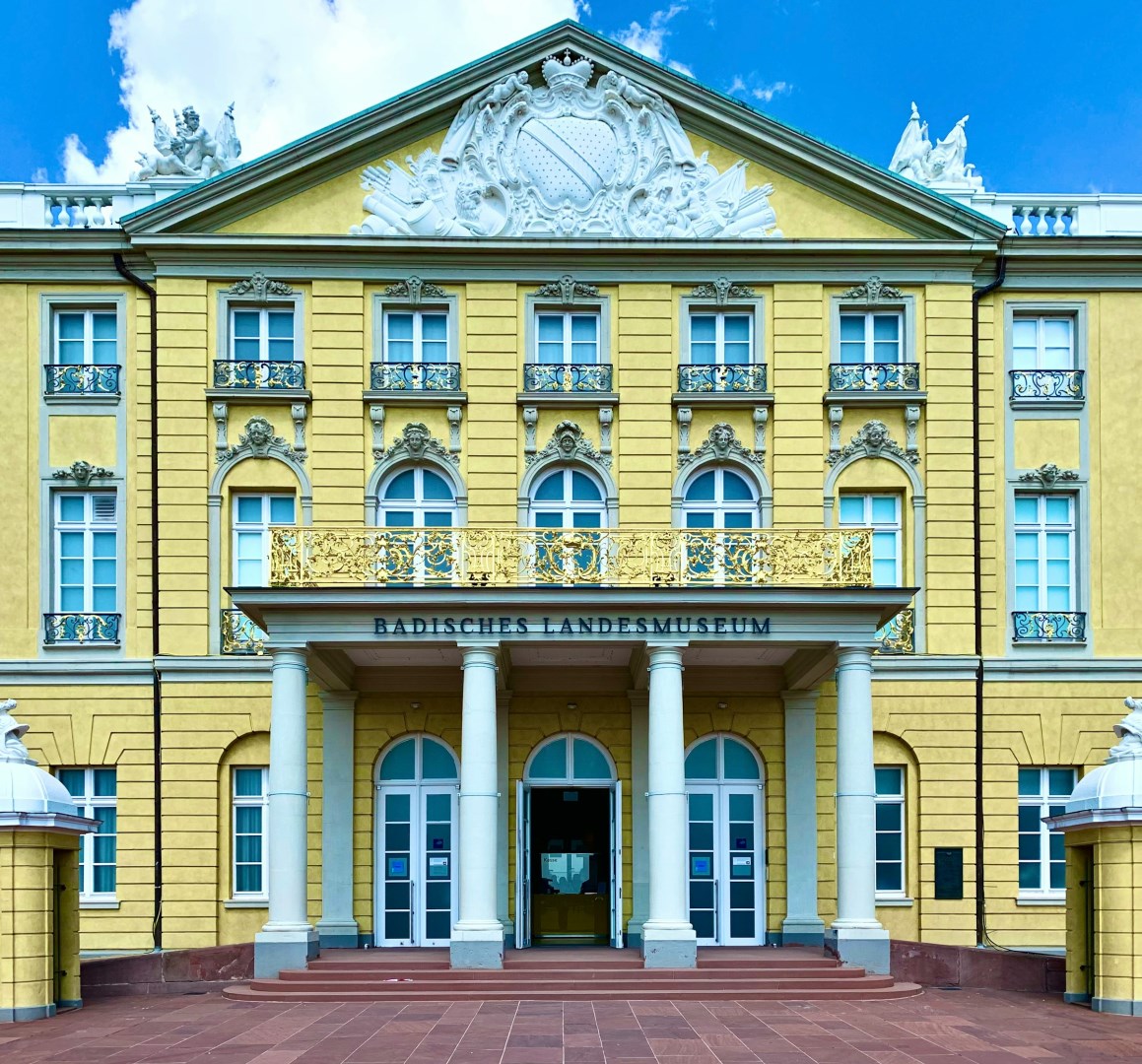
Karlsruhe
Karlsruhe, located in southwestern Germany near the French border, is a city known for its unique radial layout, rich cultural life, and role as a hub for law and technology. Founded in 1715, the city was planned around the iconic Karlsruhe Palace, with streets radiating outward like the spokes of a wheel.
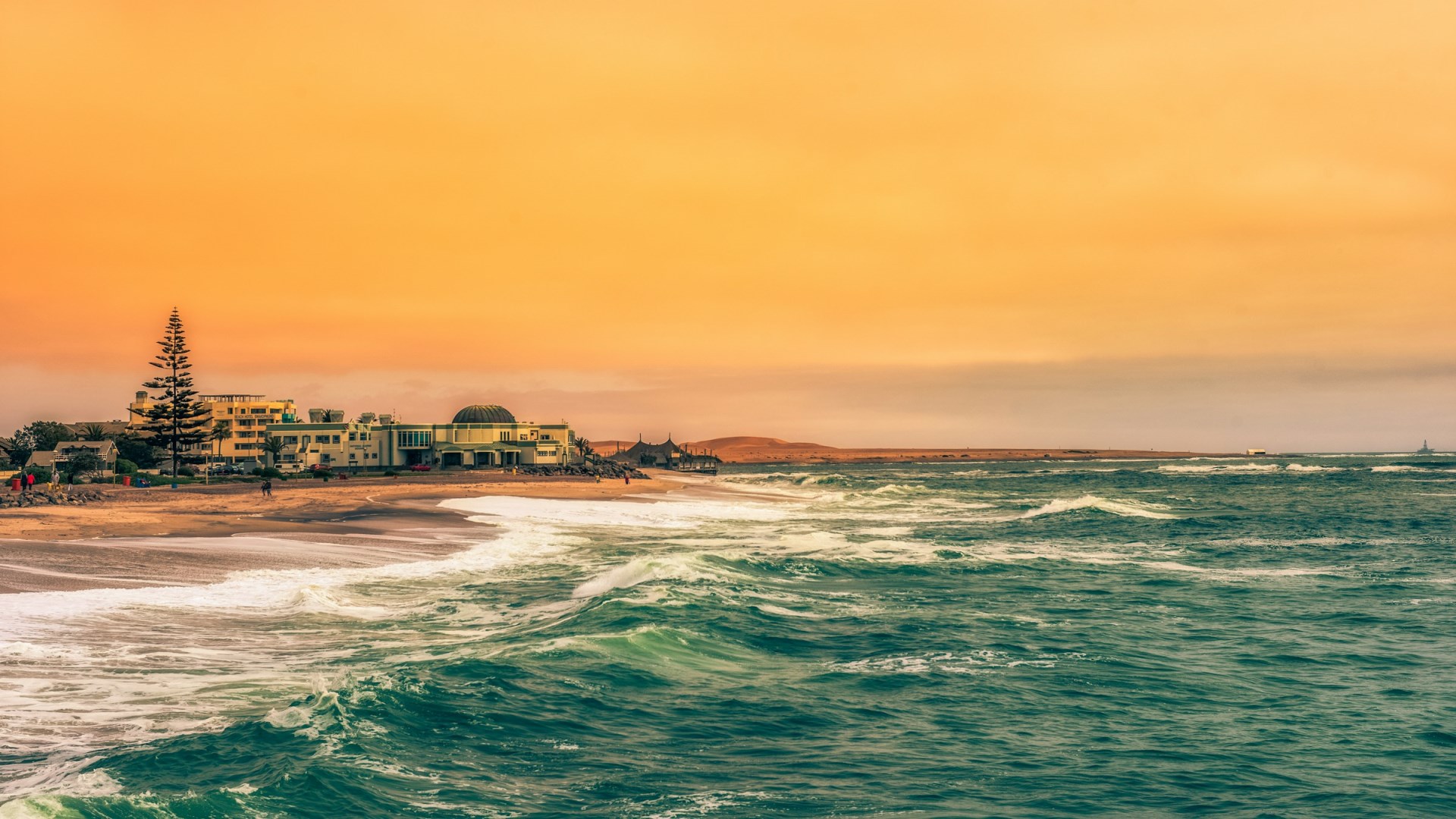
Swakopmund
Swakopmund, on Namibia’s Atlantic coast, is a town where desert meets ocean in striking contrast. Founded by German colonists in the late 19th century, its streets are lined with colonial-era buildings painted in pastel colors, giving the town a distinctly European feel.
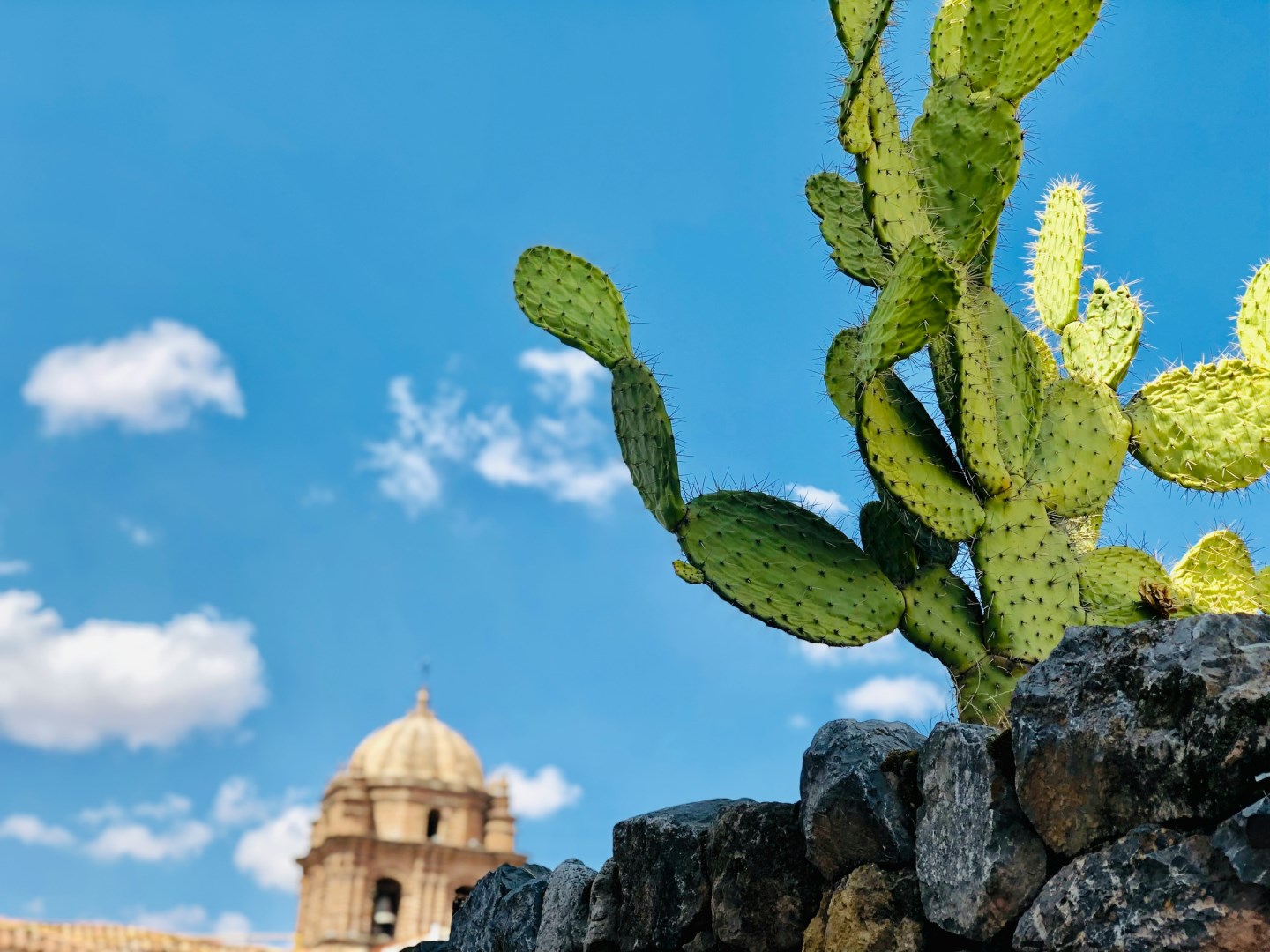
Cusco
Cusco once served as the heart of the Inca Empire, and that legacy still shapes every corner of the city even as it serves as a gateway to Machu Picchu. Outside the historic center, the ruins of Sacsayhuamán overlook the city from a nearby hilltop. This ceremonial complex is best known for its massive zigzag stone walls, some weighing over 100 tons. During the Inti Raymi festival in June, thousands gather here to reenact ancient Andean rituals.
