
Ely
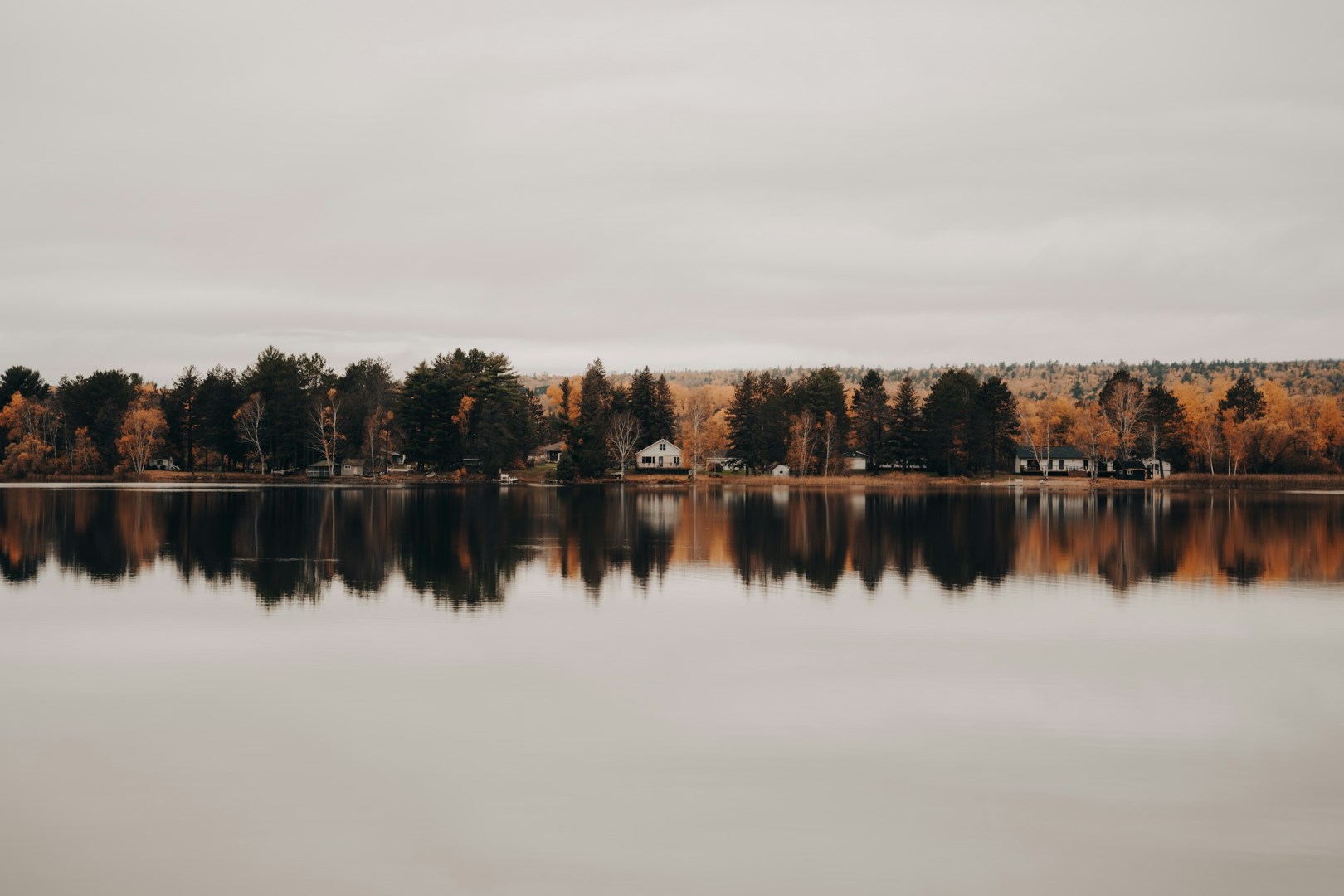
Ely, Minnesota, sits on the edge of the Superior National Forest in the state’s Northwoods, where boreal forest, rocky terrain, and interconnected lakes define the landscape. The community is best known as a major gateway to the Boundary Waters Canoe Area Wilderness, which contains more than one million acres of protected forest and waterways along the Canadian border. Ely itself has a compact downtown with independent shops, galleries, restaurants, and outfitters serving wilderness travelers.
Sceilg Mhichíl
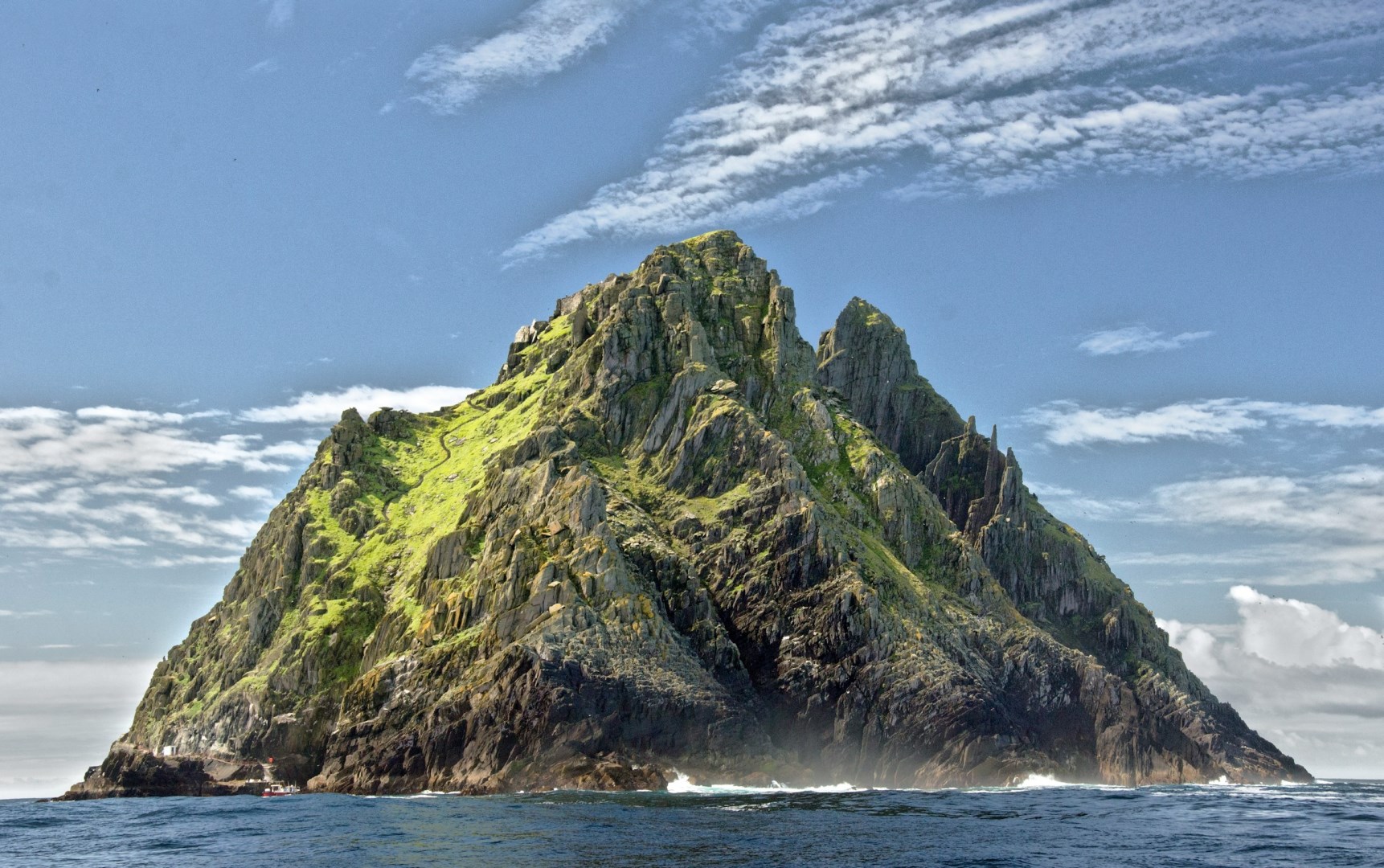
Sceilg Mhichíl, also known as Skellig Michael, is a steep rocky island in the Atlantic Ocean off the Iveragh Peninsula in County Kerry. Rising sharply from the sea, the island is dominated by rugged peaks, exposed cliffs, and narrow terraces. Its remote position helped preserve an early Christian monastic settlement that occupies a high ridge above the landing points.

Kos
Kos, an enchanting island in Greece’s Dodecanese archipelago, is a gem steeped in both history and natural beauty. Known as the birthplace of Hippocrates, the father of modern medicine, Kos is home to the ancient Asclepeion, a healing temple where Hippocrates taught his students. Visitors can wander through the well-preserved ruins and enjoy sweeping views over the island and the Aegean Sea.
Quepos
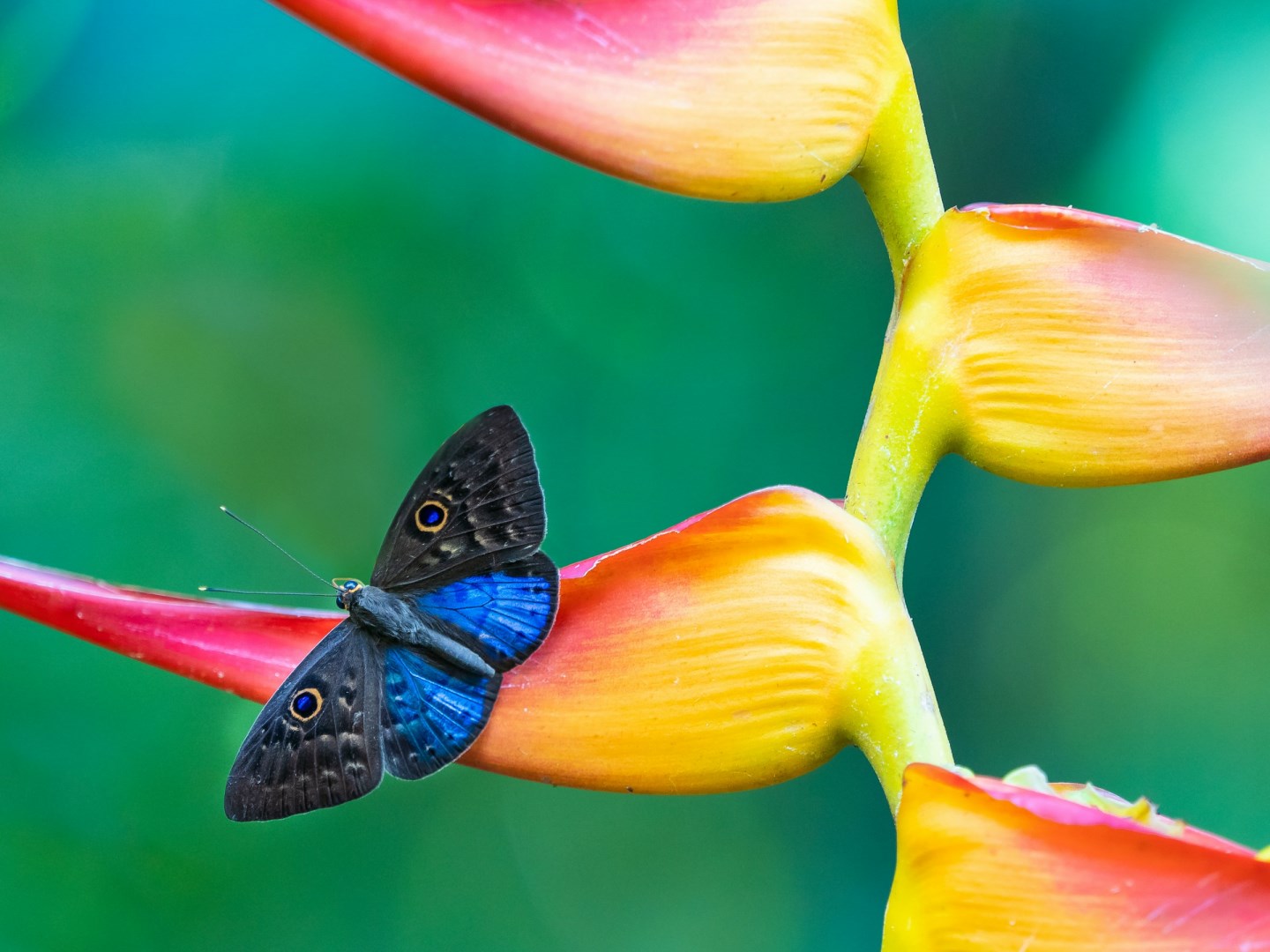
Quepos is a coastal town in Puntarenas Province on Costa Rica's central Pacific coast, situated beside the Quepos River and a sheltered bay. The town serves as a regional center for fishing, agriculture, tourism, and transportation, with a marina and waterfront areas overlooking the Pacific. Quepos is also one of the main gateways to Manuel Antonio National Park, located a short distance south of town.
Avenue of the Baobabs
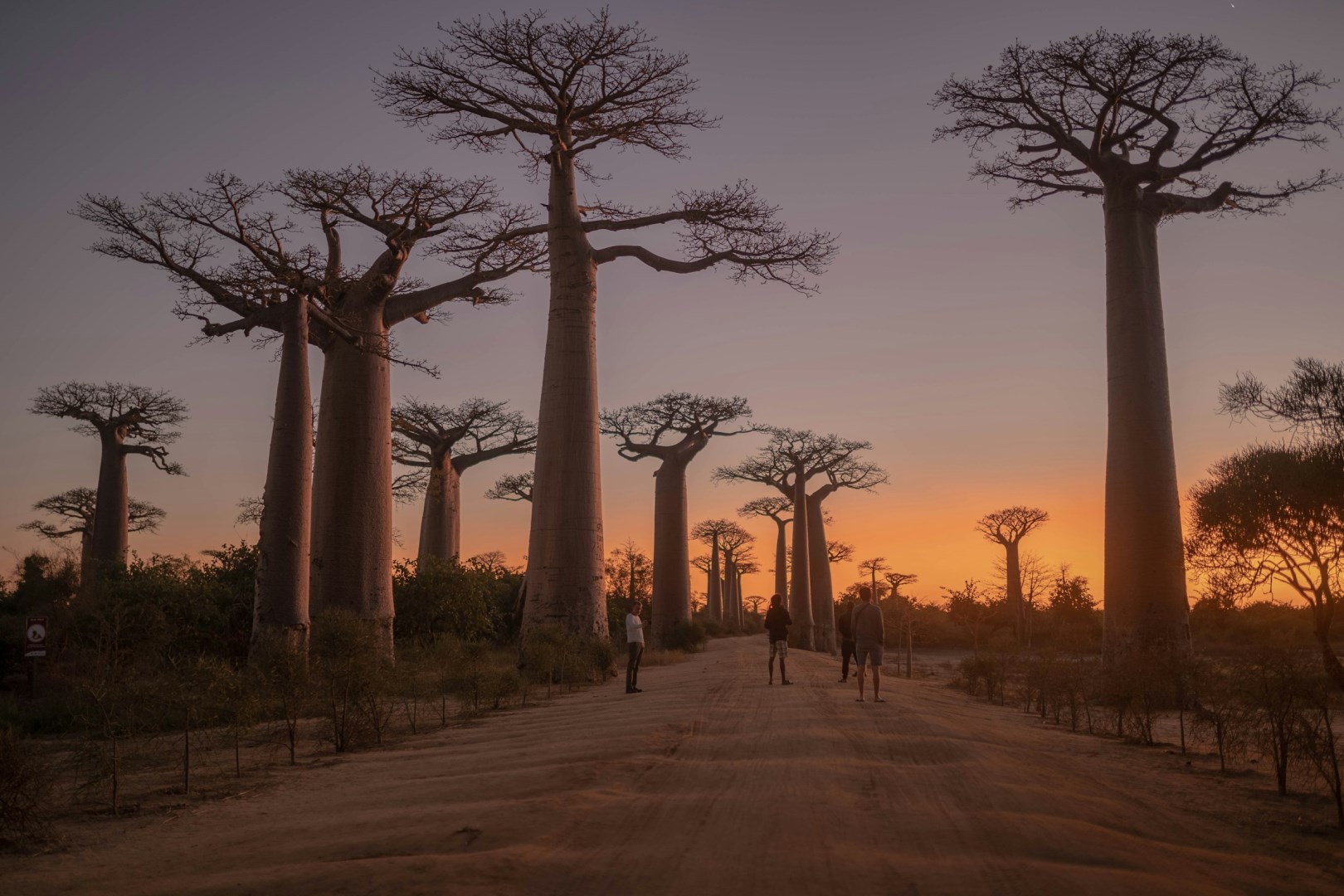
The Avenue of the Baobabs is a famous landscape in western Madagascar, located near Morondava in the Menabe region. A group of tall Grandidier's baobabs lines a dirt road across a broad, dry plain, creating one of the country's most recognizable natural scenes. These trees are endemic to Madagascar and can reach great heights, with thick trunks adapted to storing water during the dry season.
