
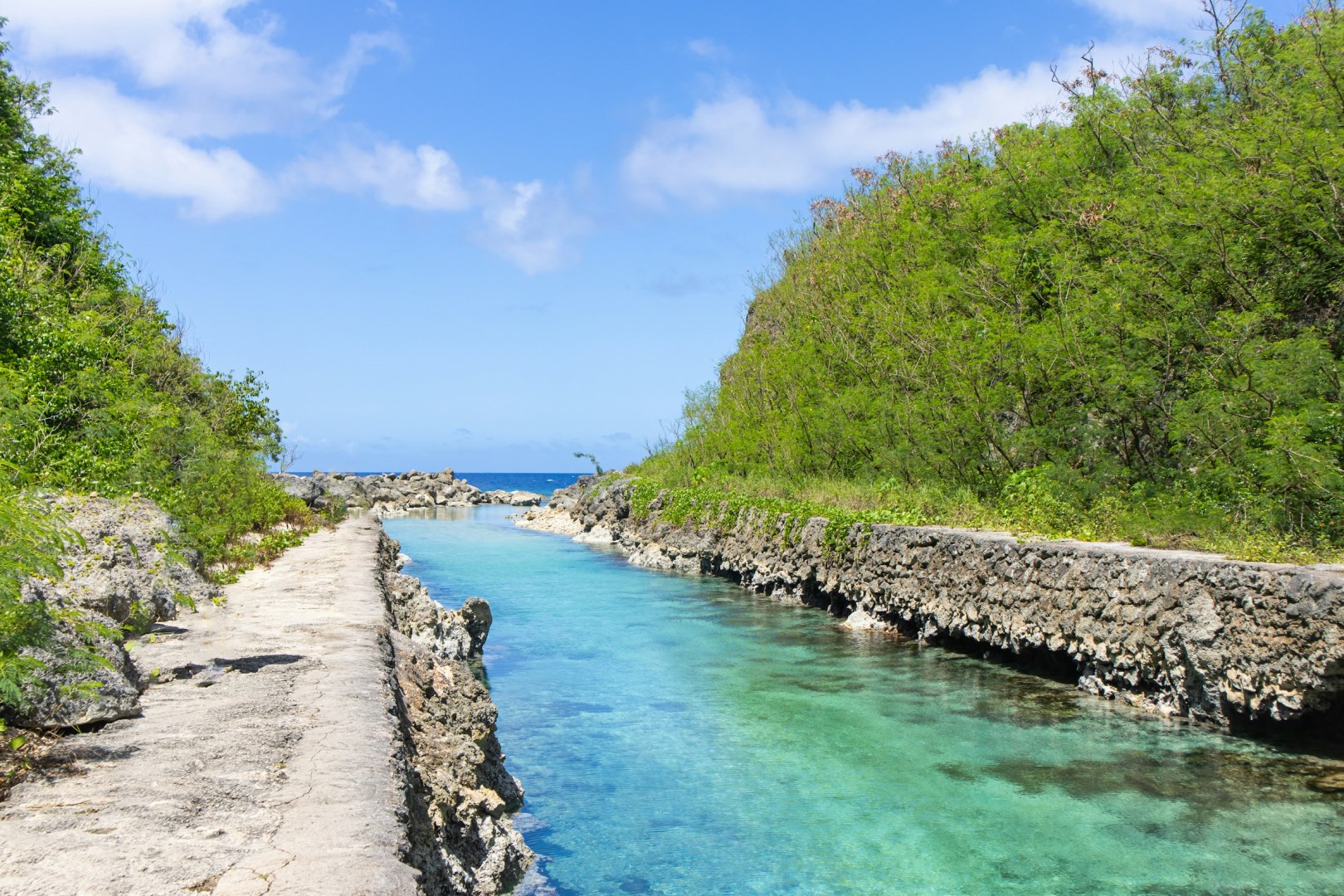
Guam
Guam, a vibrant island territory in the Western Pacific, offers travelers more than just sandy beaches and turquoise water. As the largest island in Micronesia, Guam has a dynamic past that’s shaped its present. Evidence of ancient Chamorro settlements can be found at sites like Latte Stone Park, where limestone pillars dating back over a thousand years stand tall.

Antananarivo
Antananarivo, Madagascar’s vibrant capital, offers a unique blend of cultural richness and historical depth. Perched on a series of hills, the city’s layout is characterized by its steep streets and traditional architecture. The Royal Palace, or Rova of Antananarivo, is a central landmark, offering a glimpse into Madagascar's royal past. Although much of the palace was destroyed by fire in 1995, the site remains a significant cultural and historical monument.
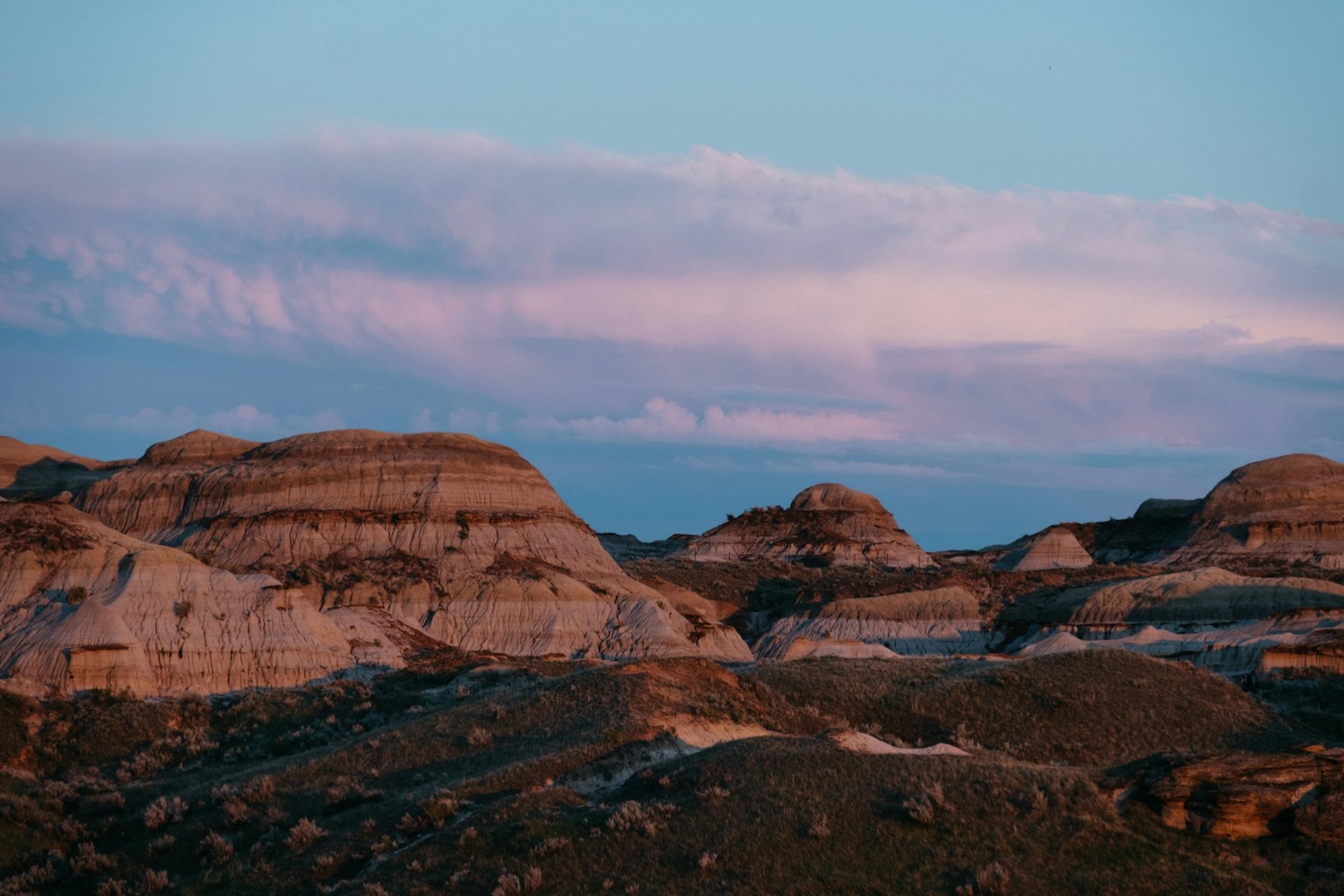
Dinosaur Provincial Park
Dinosaur Provincial Park lies in the badlands of southeastern Alberta, along the Red Deer River. The park is recognized as a UNESCO World Heritage Site for both its geological landscape and its exceptional fossil record. Its dry valleys, eroded cliffs, hoodoos, and exposed rock layers reveal sediments from the Late Cretaceous period, when the region supported a very different ecosystem.
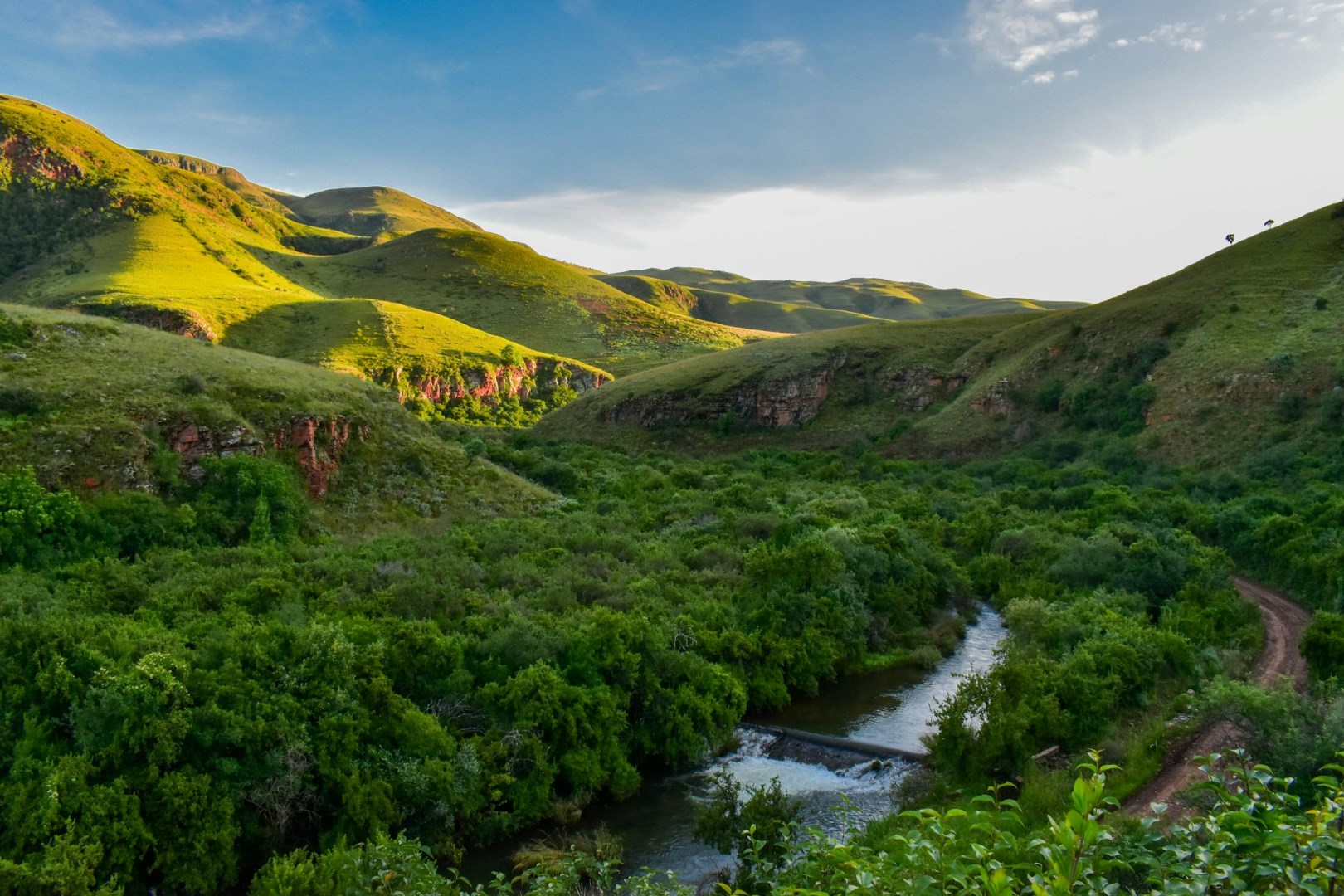
Mpumalanga
Mpumalanga is a province in northeastern South Africa, stretching from the grass-covered Highveld to the subtropical Lowveld along the border with Mozambique and Eswatini. Its name means “place where the sun rises” in siSwati. The province is known for contrasting landscapes, including the escarpment, mountain forests, rolling grasslands, citrus farms, and wildlife-rich bushveld.
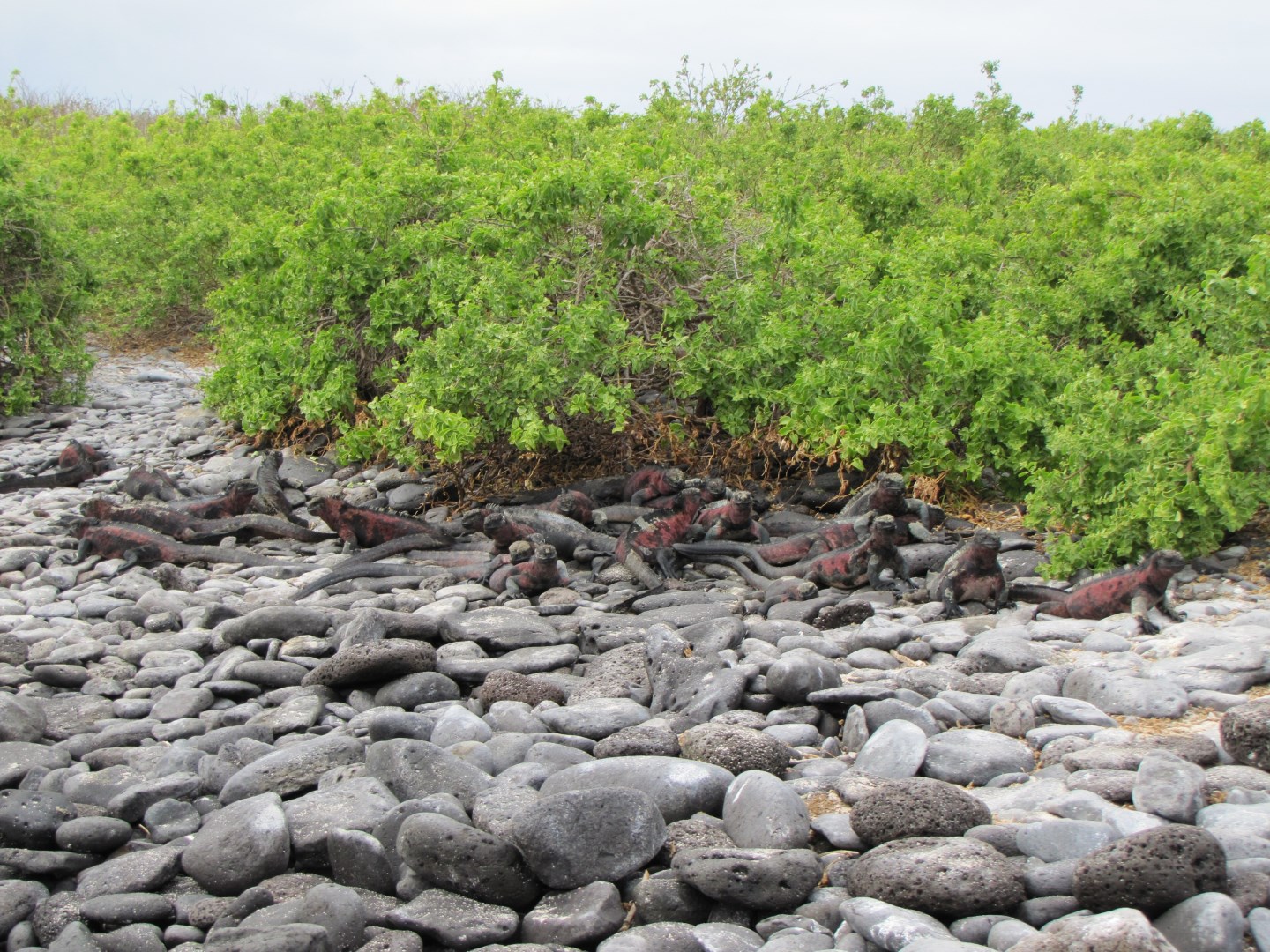
Española Island
Española Island lies in the southeastern part of the Galápagos archipelago. Highlights of this tropical paradise include Punta Suarez, a popular scenic point for bird watching, and the beaches of Bahía Gardner on the island's north coast.
