

Death Valley
Death Valley, California, is a land of extremes that captures the imagination with its striking desert landscapes and surreal beauty. Located in the Mojave Desert, it is the hottest, driest, and lowest national park in the United States. Visitors are drawn to its iconic features, such as the vast salt flats of Badwater Basin, which at 282 feet below sea level, mark the lowest point in North America.

Phu Quoc
This island in the Gulf of Thailand is known for white sand beaches, lush national parks, and night markets packed with fresh seafood. Visitors can spend mornings snorkeling, afternoons exploring temples, and evenings tasting local fish sauce, one of the island’s specialties.
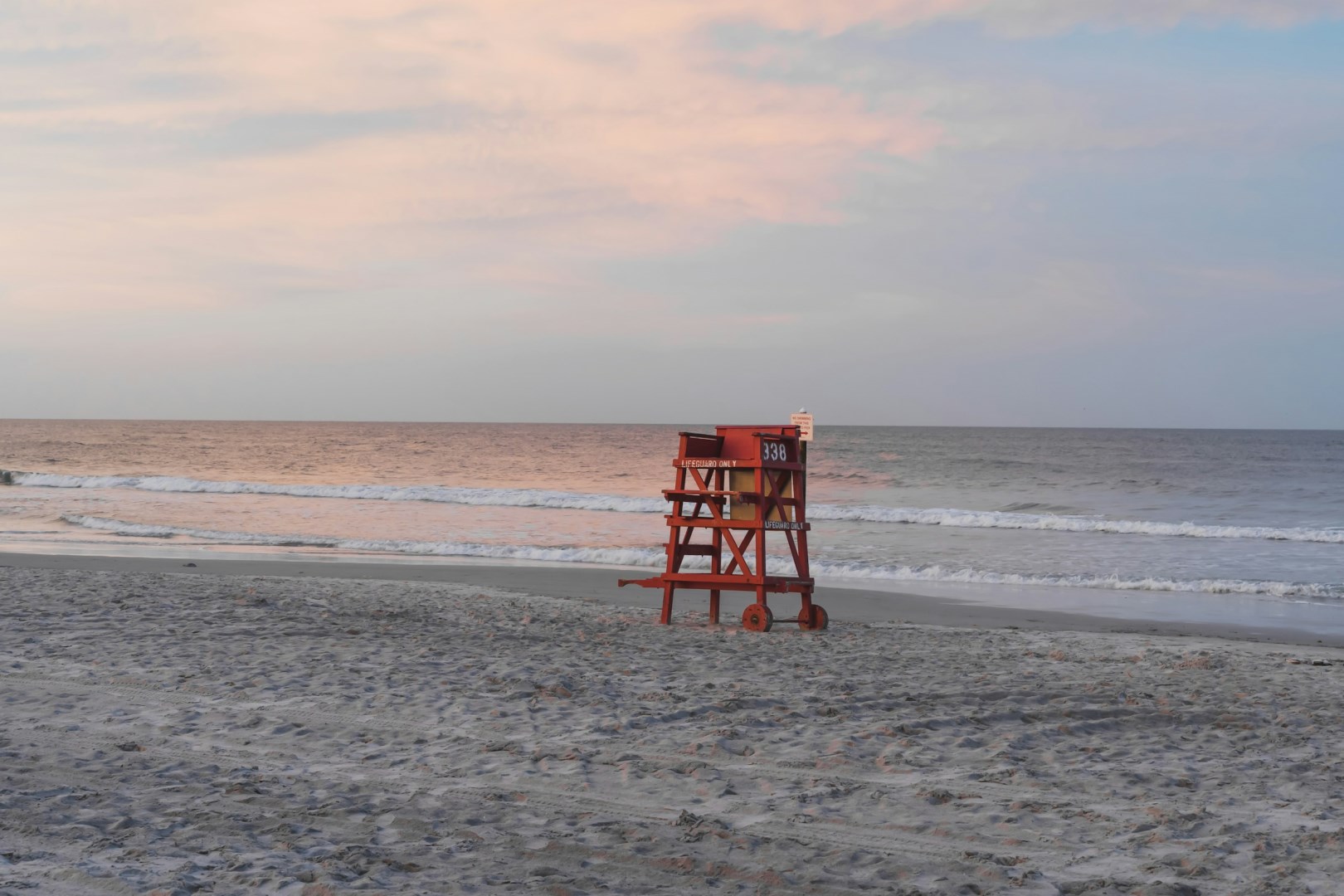
Daytona Beach
Located on the northern coast of the state of Florida in the United States, Daytona Beach is a popular winter sun destination and the site of the famous Daytona 500 car race.

Oregon
Oregon invites travelers to experience landscapes and stories that shift dramatically from one region to the next. In the south, Crater Lake National Park holds the title of deepest lake in the U.S., formed inside the remains of an ancient volcano. With its intense blue color and dramatic cliffs, the lake draws visitors year-round for hiking, snowshoeing, or simply standing in awe.

Honduras
Honduras, located in the heart of Central America, is a destination that offers both hidden treasures and well-known wonders. The country’s history is deeply tied to the ancient Maya civilization, with the ruins of Copán, a UNESCO World Heritage Site, standing as one of the most impressive archaeological sites in the region.
