
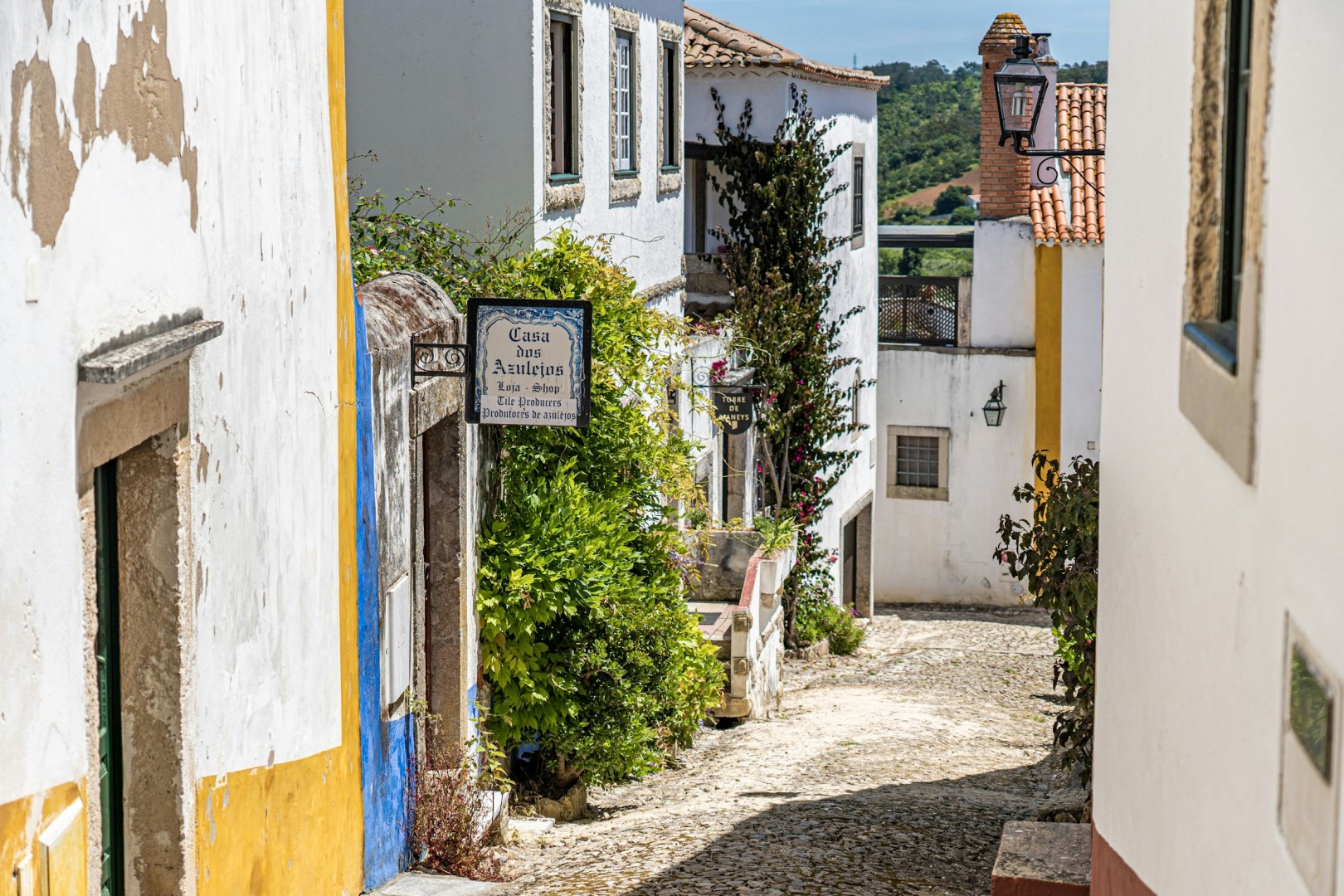
Óbidos
An enchanting, medieval walled town with tiny whitewashed houses and balconies brimming with flowers.
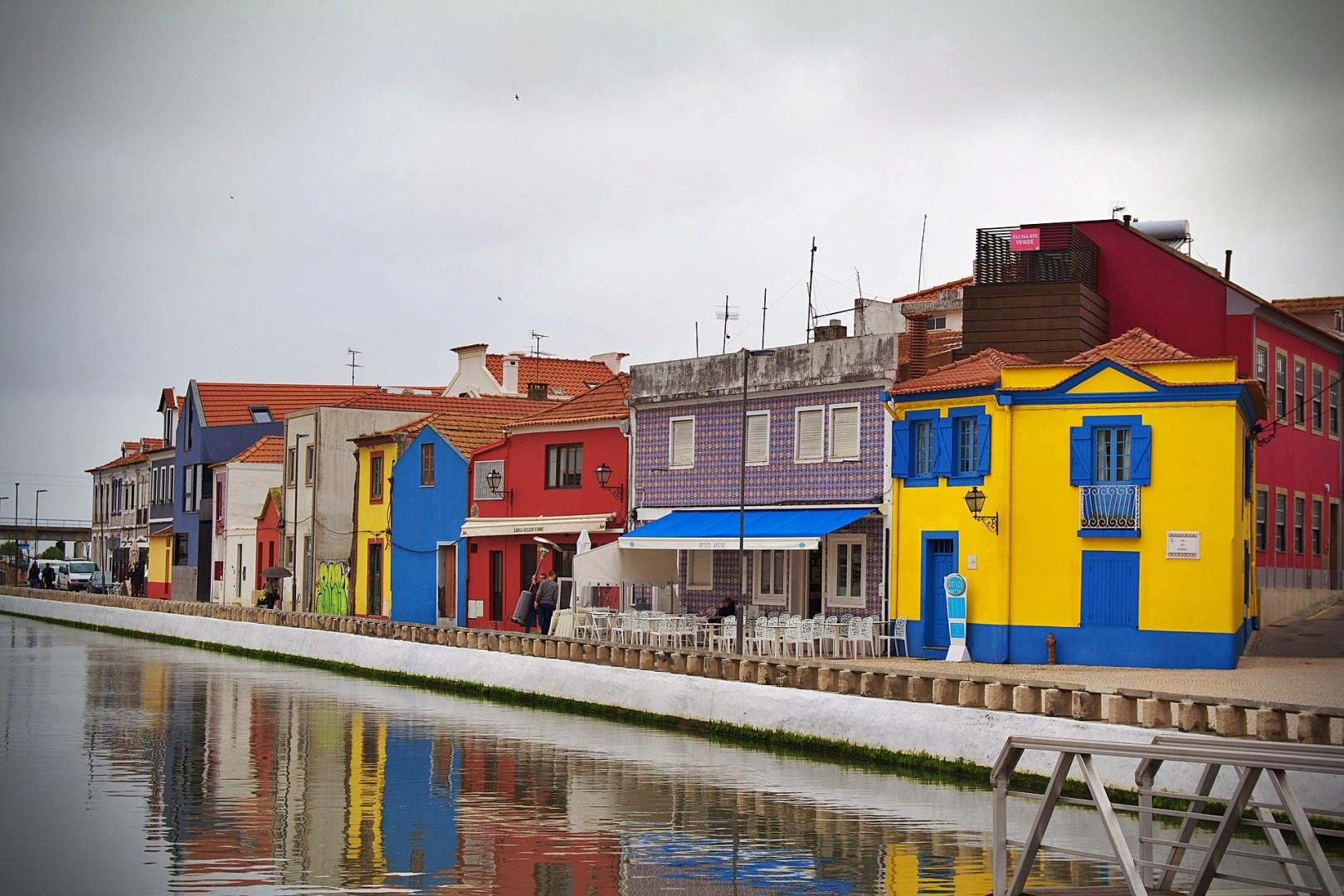
Aveiro
Aveiro, often called the "Venice of Portugal," enchants visitors with its picturesque canals, brightly painted boats called moliceiros, and Art Nouveau architecture. Located on the northern coast of Portugal, Aveiro offers a charming blend of history, culture, and natural beauty. Glide along its tranquil waterways on a moliceiro ride, once used to harvest seaweed but now a peaceful way to admire the city’s colorful façades and iconic architecture. These boats, decorated with vibrant, humorous pa
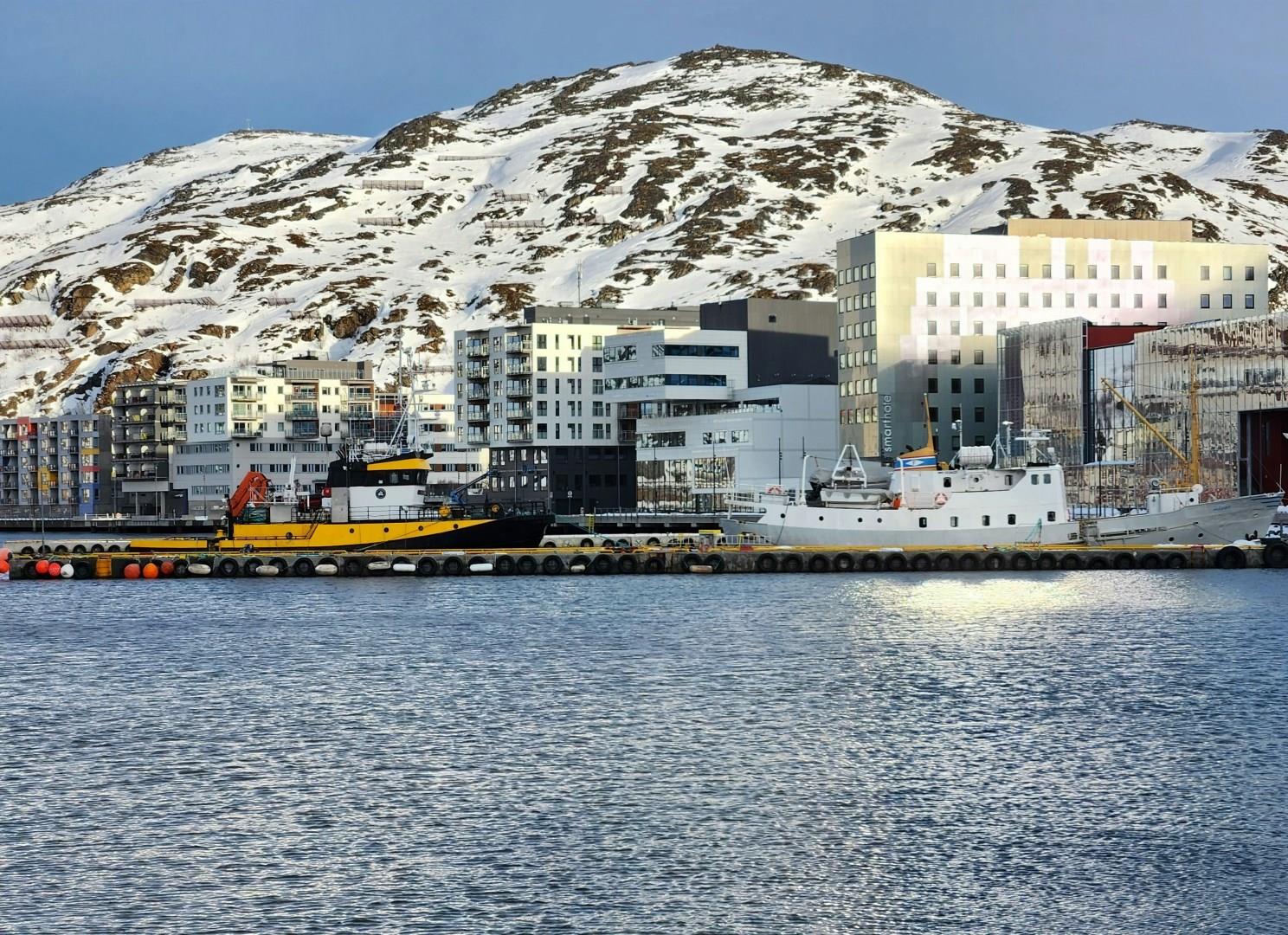
Hammerfest
Hammerfest, located above the Arctic Circle in northern Norway, is one of the northernmost towns in the world with a population of over 10,000. It’s a place where the midnight sun shines from mid-May to late July, and the polar night sets in from late November to mid-January. Historically a hub for Arctic hunting and fishing, Hammerfest was also the first town in Northern Europe to install electric streetlights in 1891.
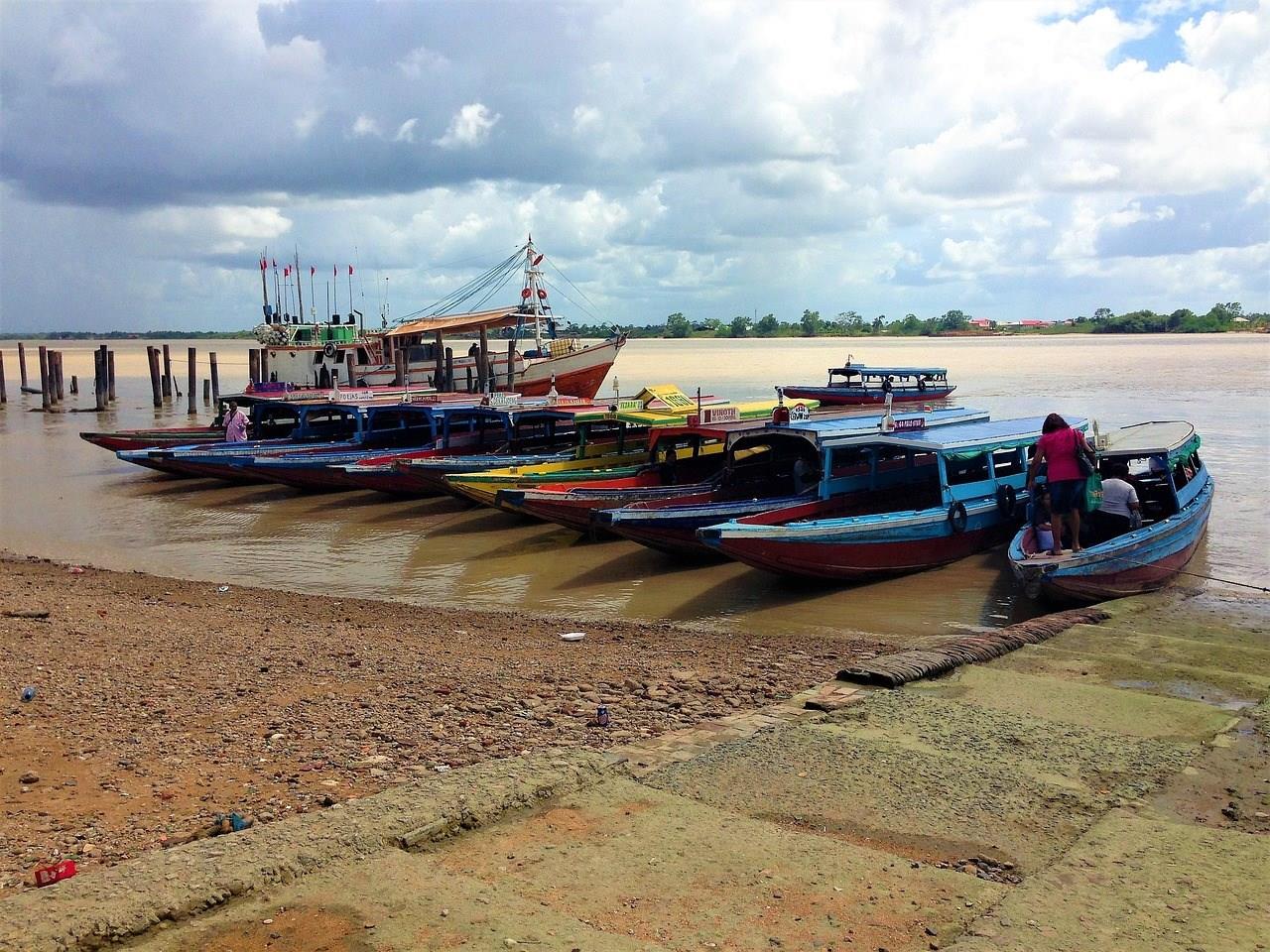
Paramaribo
Paramaribo, Suriname’s capital, unfolds like a living storybook along the Suriname River, where wooden structures from the 17th and 18th centuries still stand today. This historic heart reveals a rare fusion of Dutch design and local craftsmanship. Visitors can stroll the Waterkant, a riverside avenue, and take in landmarks such as Fort Zeelandia, the neoclassical Reformed Church, and the lofty wooden Cathedral of St. Peter and Paul.
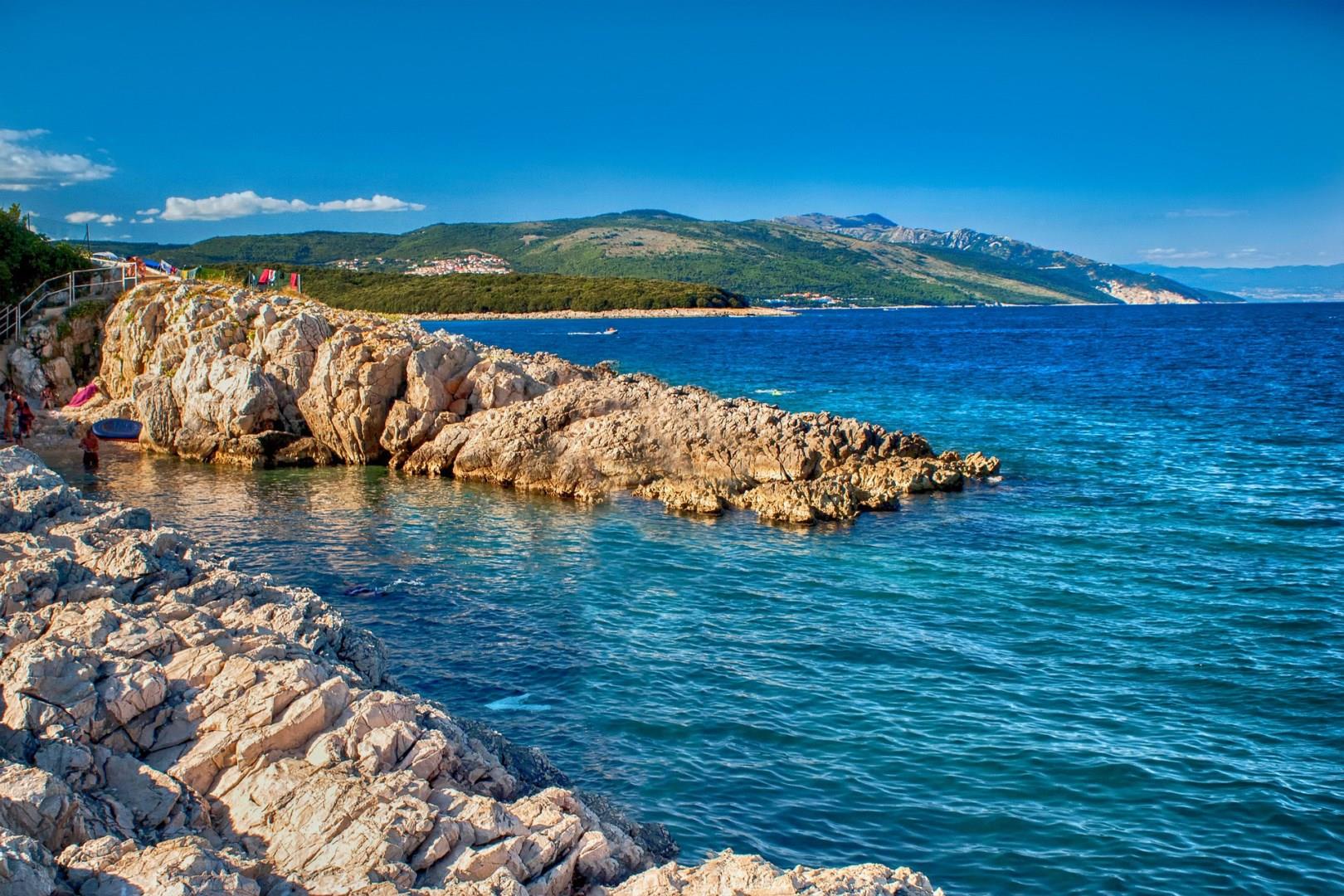
Croatia
Croatia, a gem of the Adriatic coast, invites travelers to explore its stunning landscapes and rich history. The capital city, Zagreb, is a vibrant blend of medieval charm and modern sophistication. Wander through the Upper Town (Gornji Grad), where cobblestone streets lead you to the historic Stone Gate and the majestic Zagreb Cathedral. For a taste of local culture, visit Dolac Market, where fresh produce and traditional Croatian delicacies create a lively atmosphere source.
