

Santa Monica
Santa Monica, California, a gem on the Pacific coast, offers a quintessential Southern California experience. The city is renowned for its iconic Santa Monica Pier, which features an amusement park, aquarium, and family-friendly dining. A ride on the historic Ferris wheel provides stunning ocean views and a sense of nostalgia.

Haines
Haines is a charming stop in the Alaska Panhandle and a gateway to Glacier Bay National Park and Tongass National Forest.
Sinaloa
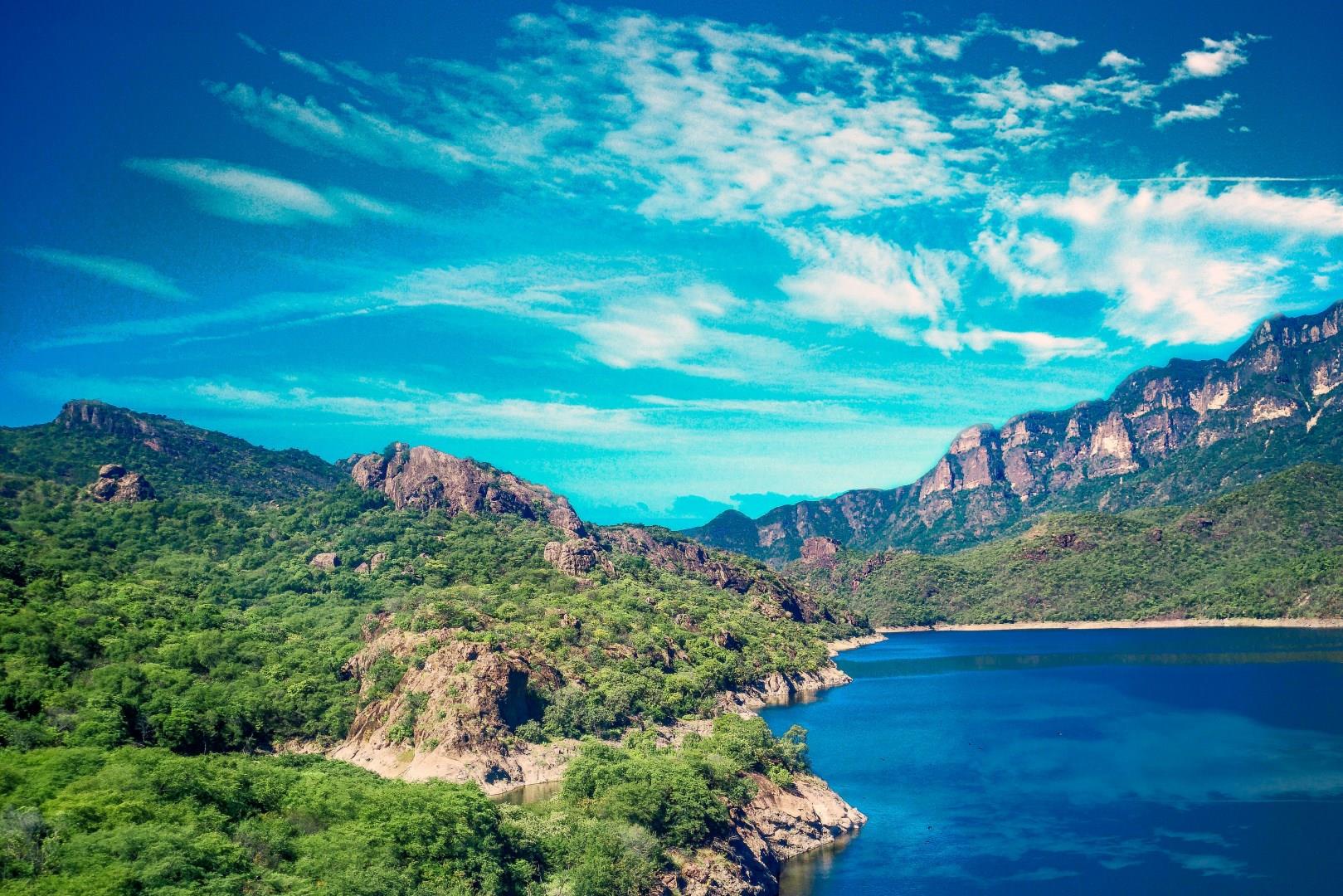
Sinaloa, in Northwest Mexico, comprises 18 municipalities, and Culiacán Rosales serves as its capital. It is located opposite Baja California Sur, across the Gulf of California.

Savuti
Savuti, located in the northern part of Botswana, is a prime destination for those seeking an extraordinary wildlife experience. Nestled within the Chobe National Park, Savuti is renowned for its dynamic landscapes and prolific game viewing opportunities. This area is particularly famous for its seasonal changes, where the Savuti Channel, a once-dry riverbed, transforms into a vibrant waterway during periods of flooding.
Tamil Nadu
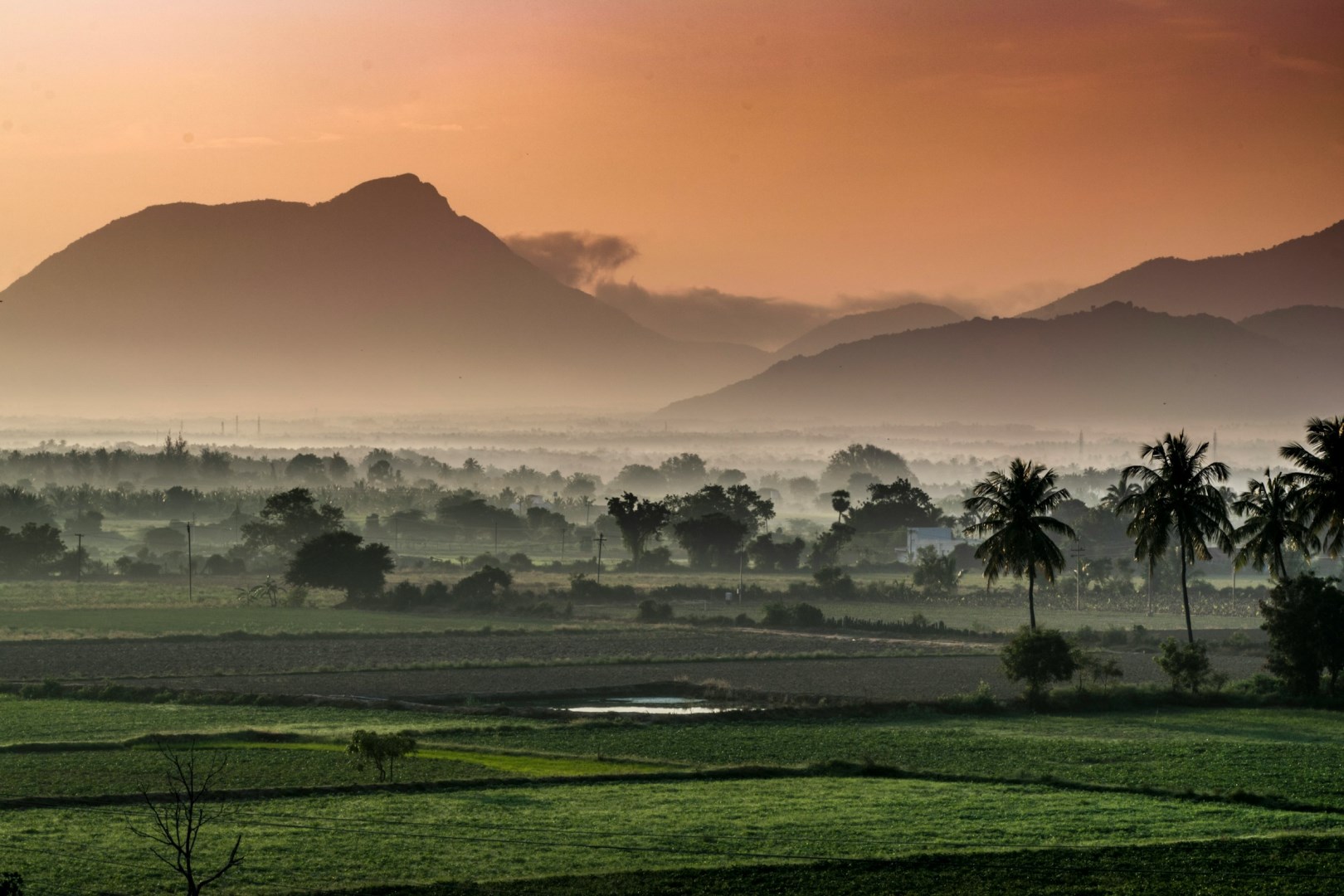
Tamil Nadu occupies India’s southeastern corner, stretching from the Coromandel Coast to the forested Western Ghats and the dry interior plains. The state is distinguished by its extensive network of Hindu temples, classical arts, coastal landscapes, fertile river deltas, and hill regions such as the Nilgiris. Chennai is the state capital and a major centre for commerce, music, cinema, and education
