
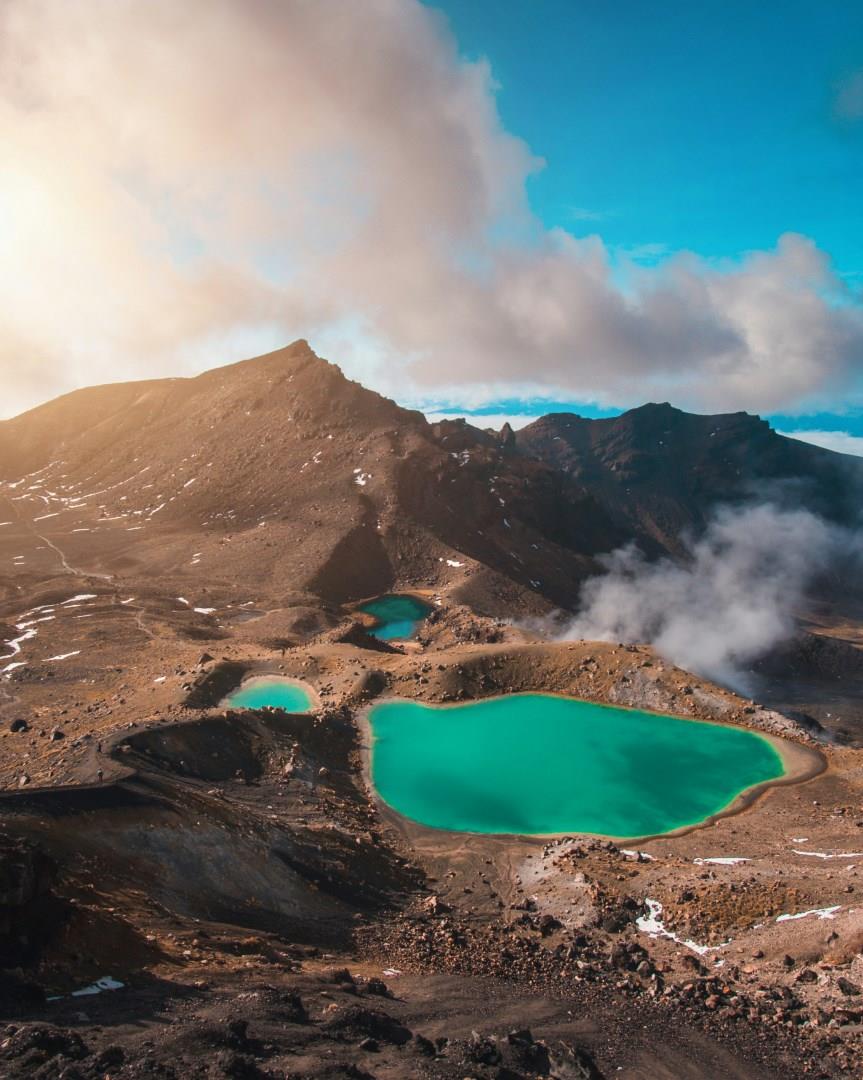
Tongariro National Park
Tongariro National Park, on New Zealand’s North Island, holds deep cultural meaning as well as striking geological presence. It was the country’s first national park, gifted to the nation by Ngāti Tūwharetoa chiefs in the 19th century, establishing a model that tied conservation to Māori guardianship. The volcanic peaks of Tongariro, Ngāuruhoe, and Ruapehu are considered ancestors, giving the landscape a living cultural identity rather than a purely scenic one.
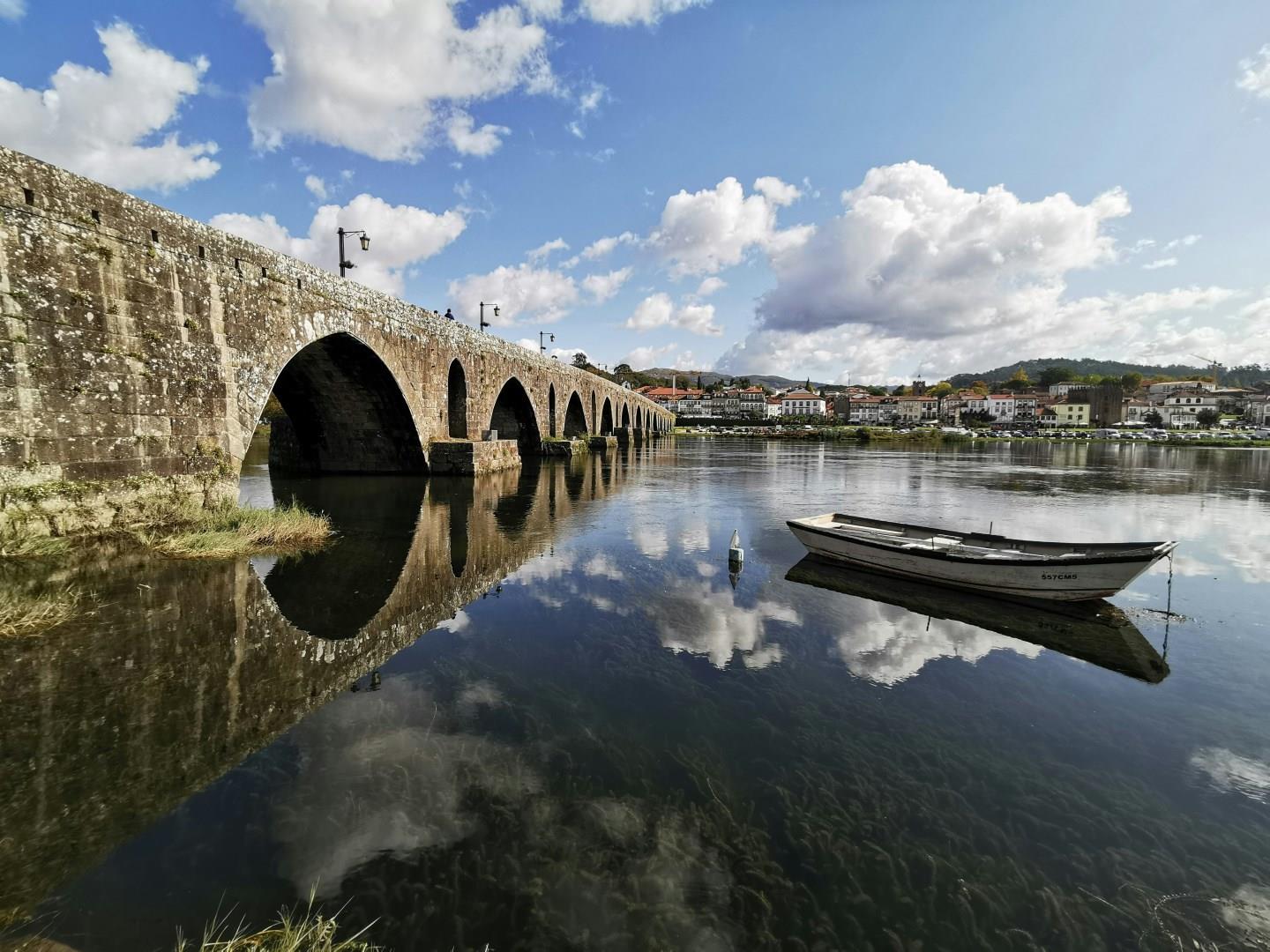
Ponte de Lima
Ponte de Lima sits along the Lima River in northern Portugal and is often regarded as the country’s oldest town. Its identity centers on the medieval bridge that spans the river, parts of which date back to Roman times and still structure how the town is experienced today.
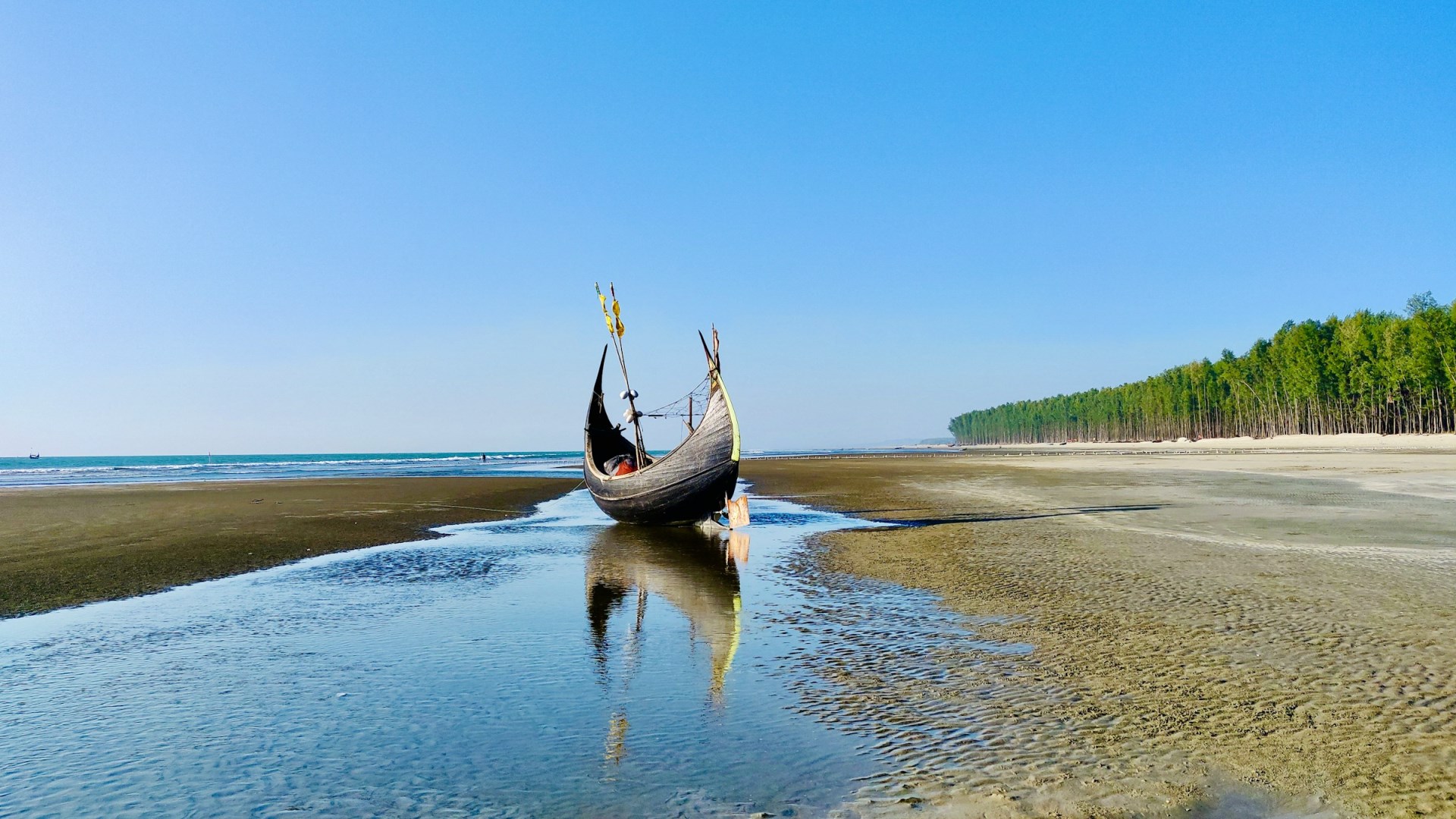
Cox's Bazar
Cox’s Bazar is a coastal city in southeastern Bangladesh, known for its exceptionally long stretch of natural sandy shoreline along the Bay of Bengal. The city functions as a fishing port, tourism center, and regional commercial hub, with the beach extending through a series of coastal communities. Its setting combines open sea, sandy flats, low hills, and nearby forests, while fishing boats and seafood markets remain part of everyday life. The coastline is the main focus of the city, supporting

Vigo
Vigo is a vibrant city nestled in the heart of Galicia, Spain, on the shores of the Atlantic Ocean. It is a treasure trove of history, culture, and natural beauty with origins dating back to Roman times and a fascinating evolution that has transpired through the centuries.
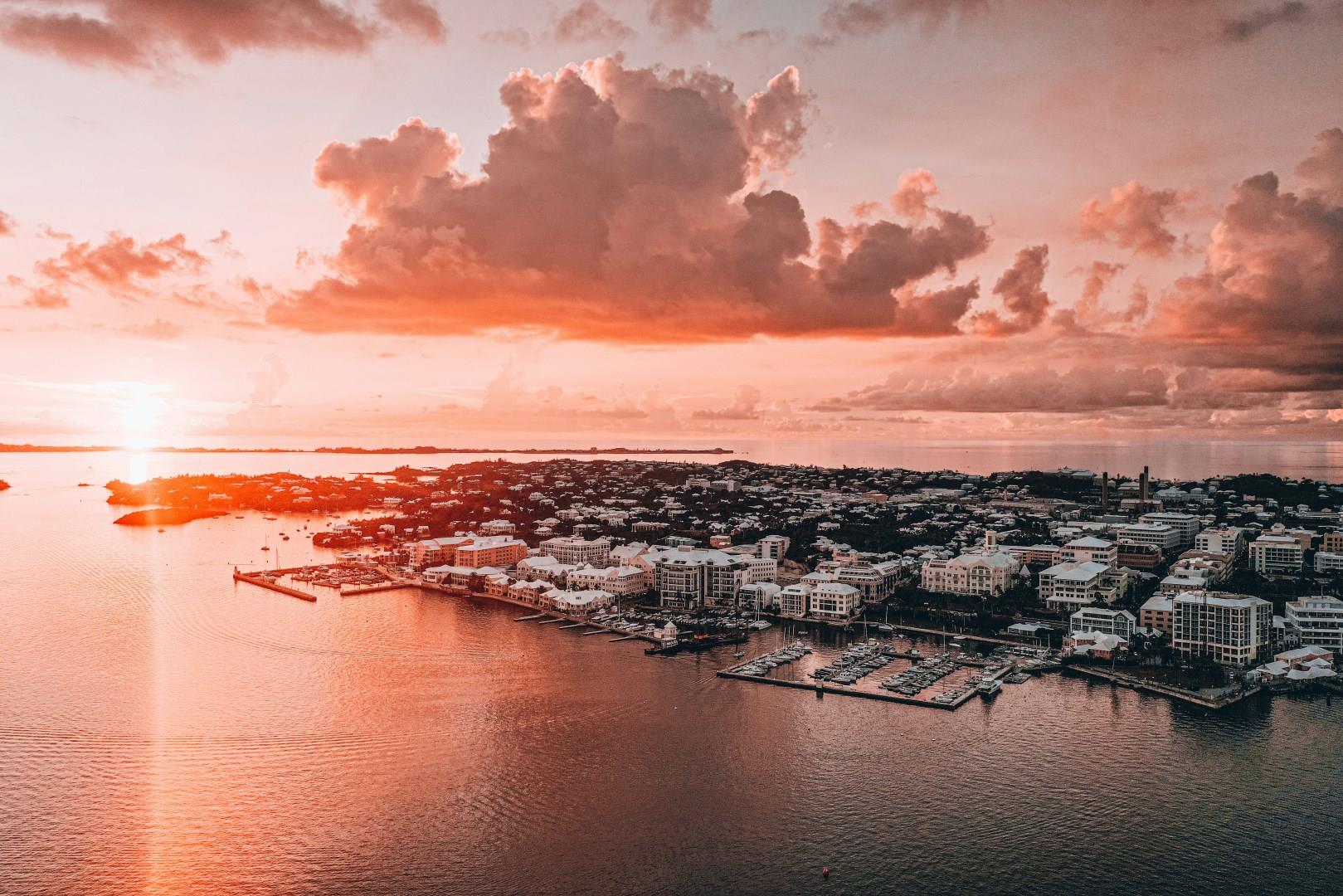
Hamilton
Hamilton, the capital of Bermuda, is the island’s lively cultural and commercial heart. Established in 1793, the city blends colonial charm with a modern island vibe, framed by pastel buildings and a picturesque harbor.
