
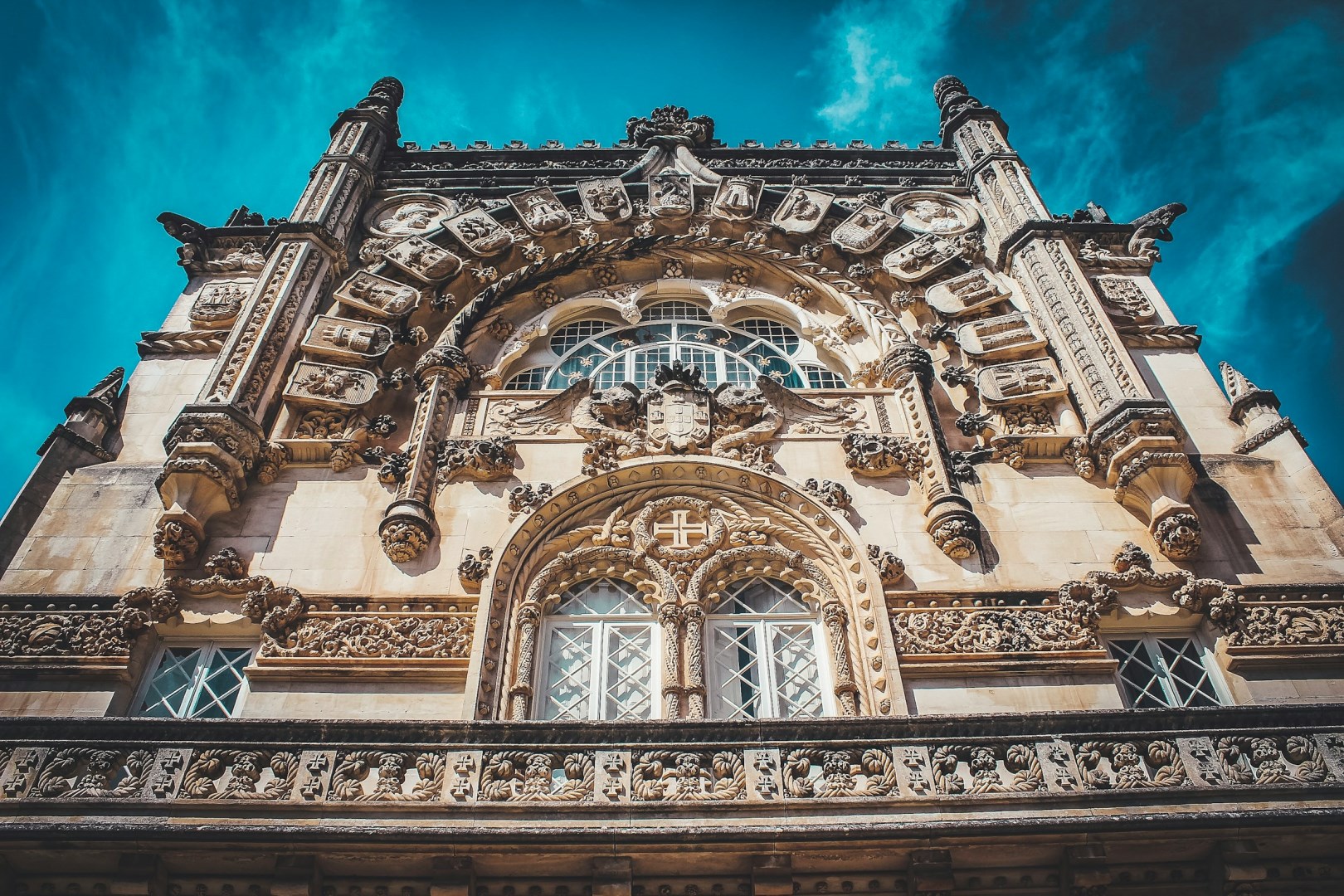
Portugal
Portugal offers a layered experience shaped by maritime history, deep-rooted traditions, and a coastline that stretches for nearly 1,800 kilometers. In Lisbon, the streets of Alfama wind uphill toward São Jorge Castle, where views of red-tiled rooftops and the Tagus River reveal how the city was rebuilt after the 1755 earthquake. Trams still clatter through narrow streets, and fado music, often performed in candlelit taverns, tells stories of longing and the sea.

Dominica
Dominica, known as the “Nature Island of the Caribbean,” is a haven for eco-tourists and adventure seekers. Nestled between the French islands of Guadeloupe and Martinique, this lush island boasts a remarkable landscape of volcanic mountains, dense rainforests, and stunning waterfalls. Dominica’s most iconic natural wonder is the Boiling Lake, the second-largest hot spring in the world.
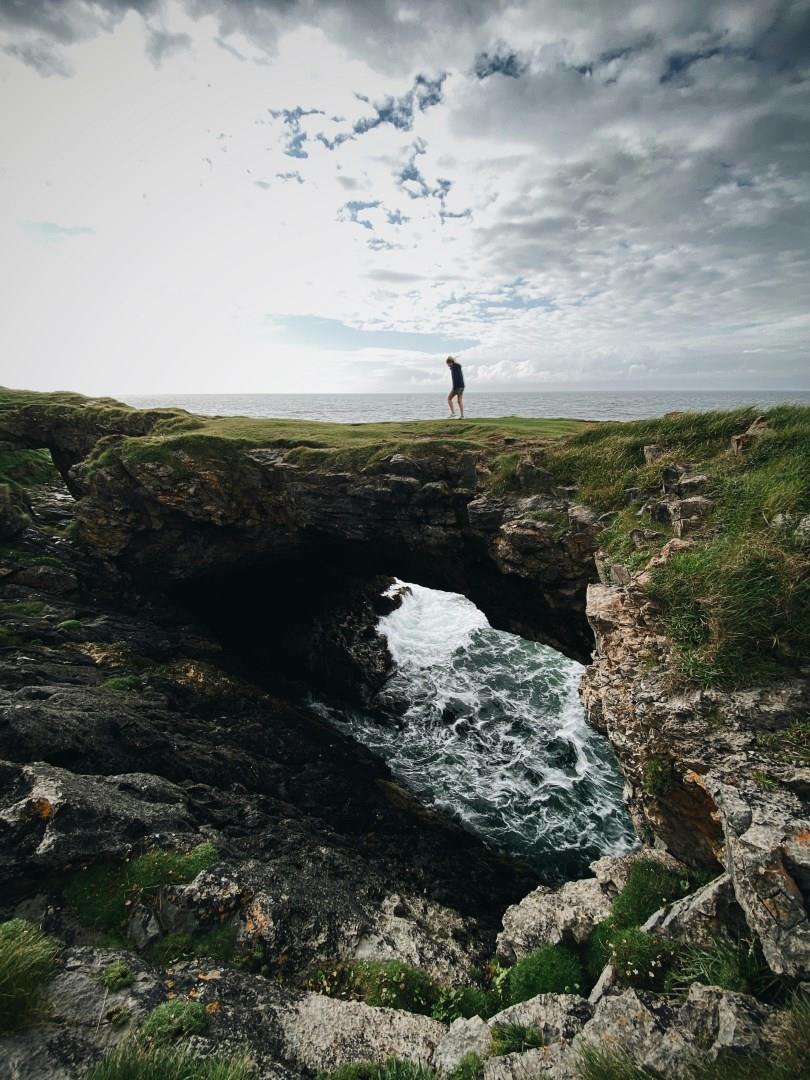
Westport
Westport, located on Ireland’s west coast in County Mayo, is a charming town renowned for its picturesque streets, lively cultural scene, and proximity to some of Ireland’s most scenic landscapes.
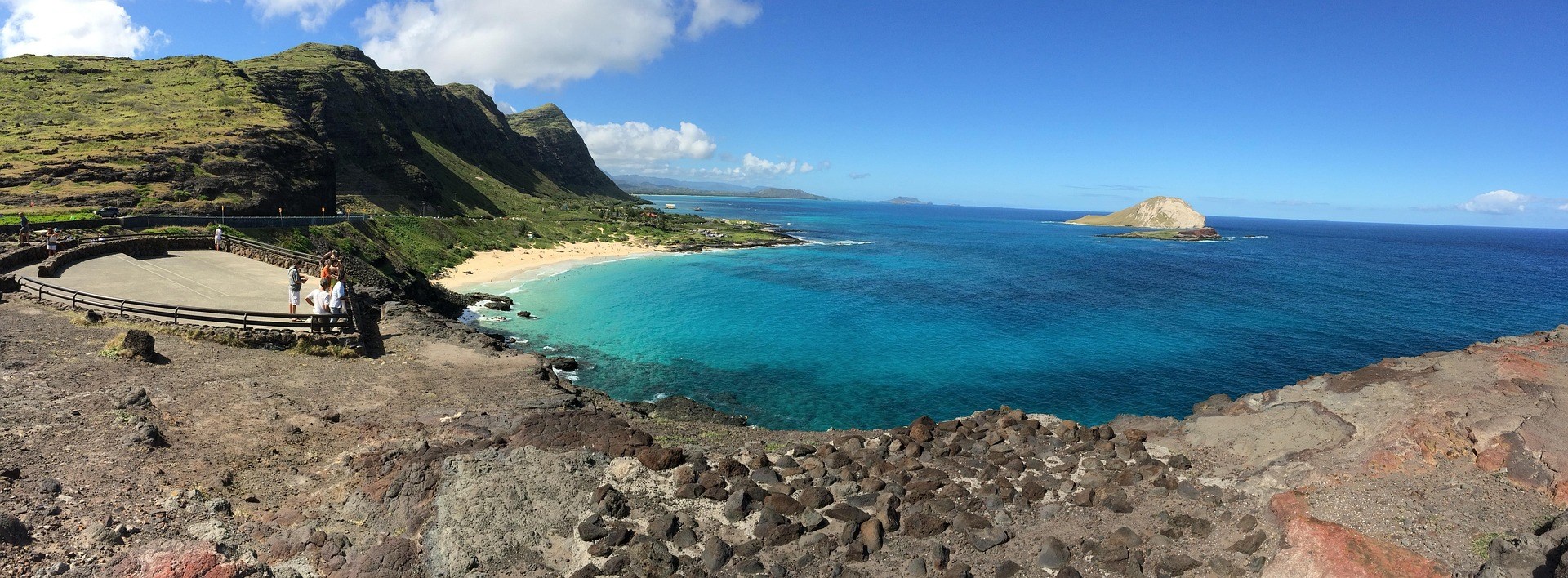
O'ahu Island
The most heavily populated of the Hawaiian islands, Oahu is known as the Gathering Place. Two parallel mountain ranges, the Koolau Range and the Waianae Range, cross Oahu from northwest to southeast. . Among the many popular beaches is the renowned Waikiki, backed by the famous Diamond Head, an extinct volcano.
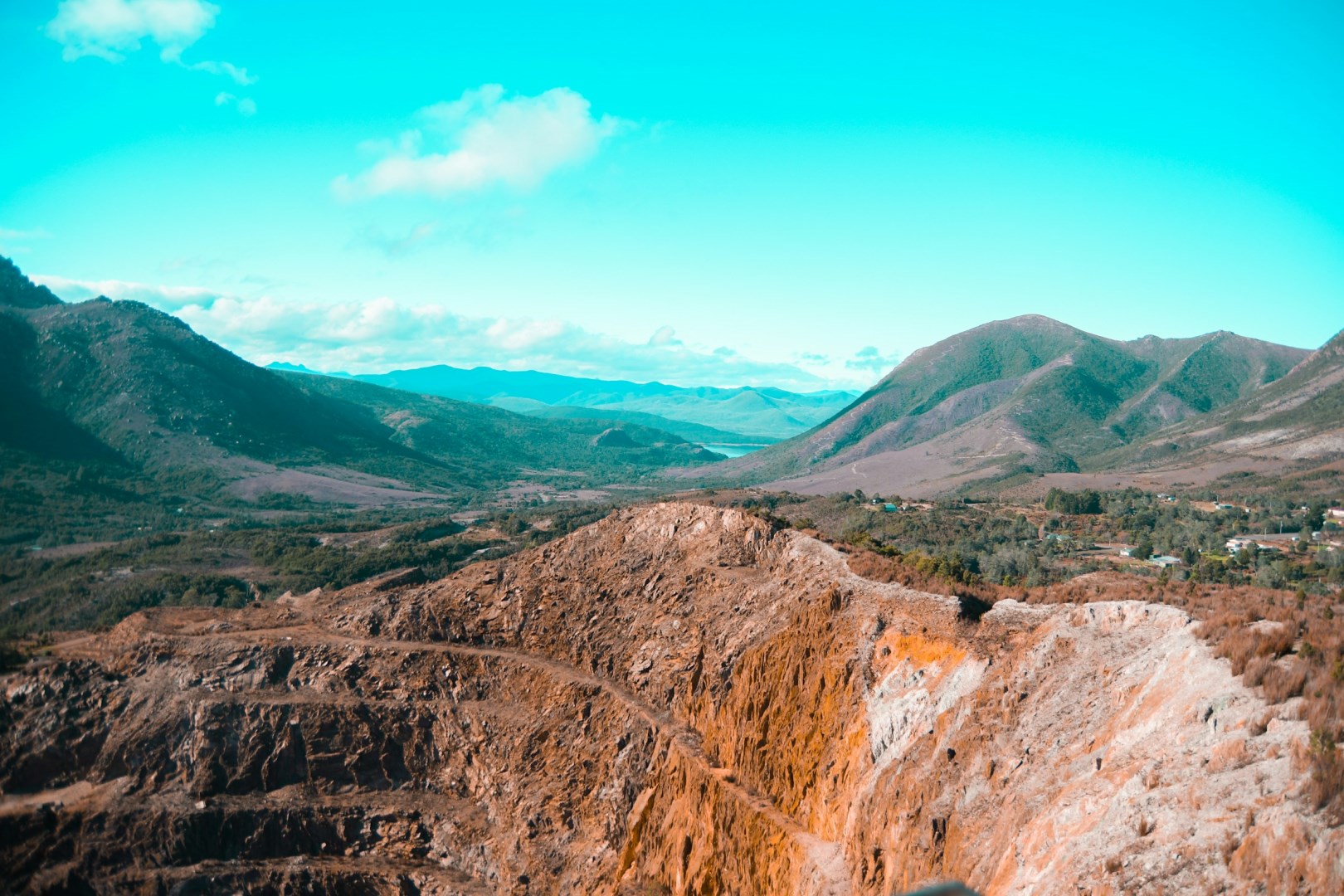
Queenstown Tasmania
Queenstown started off as a major gold mining area, based around the Queen River Valley. This then developed into a profitable copper mining area, which was still running until 1969. There are a variety of things to do in Queenstown, and it is a good base from which to explore western Tasmania.
