

Zadar
Set on the Adriatic Sea, Zadar, Croatia, is a major Dalmatia historical center and a tourism magnet. Walk ancient streets, see Roman ruins and enjoy white-sand beaches.
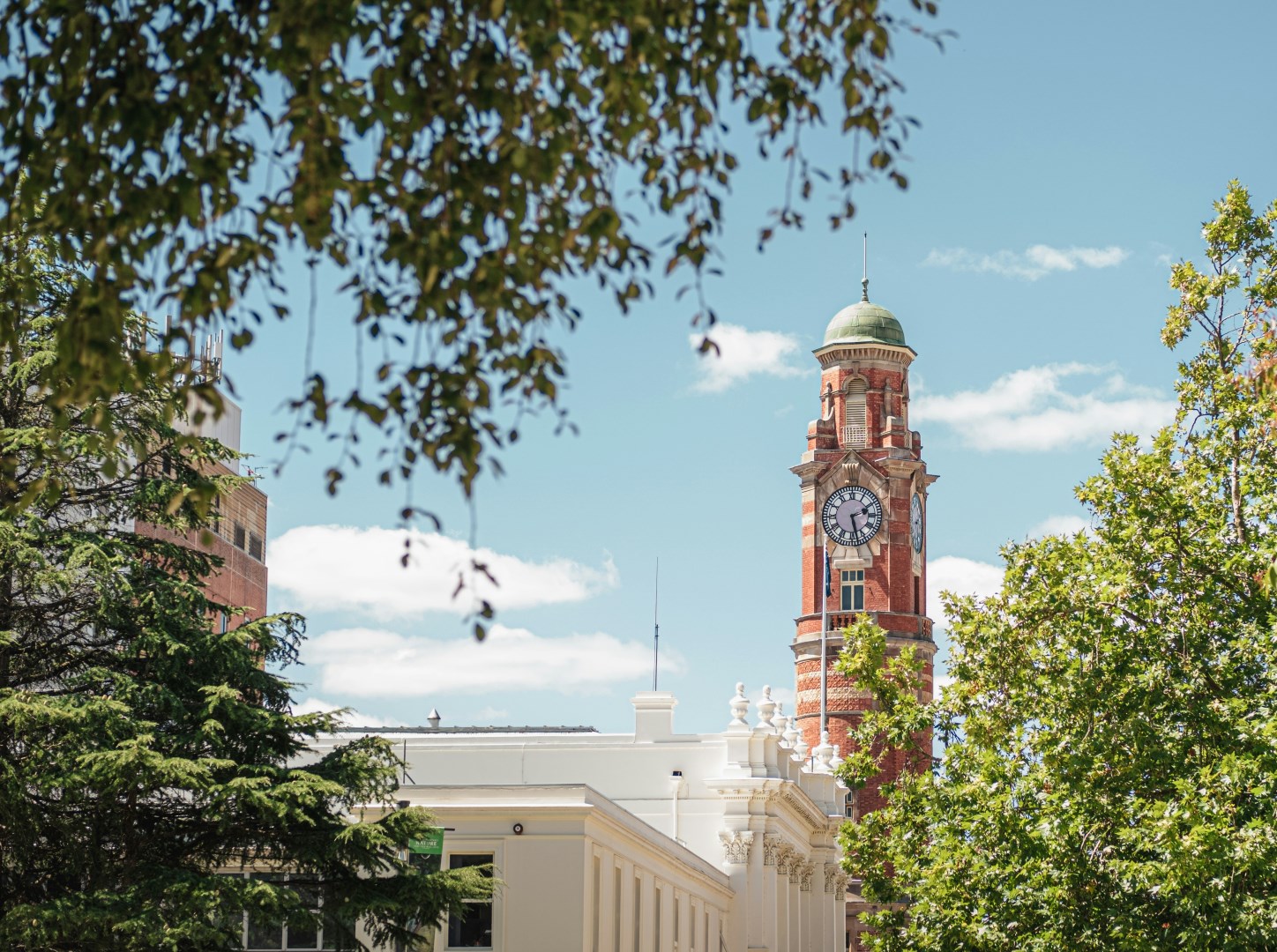
Launceston Tasmania
Launceston is a city in northern Tasmania, Australia, positioned where the Tamar, North Esk, and South Esk rivers meet. It serves as one of the island’s main urban centers and is known for its well-preserved streetscapes, public parks, and proximity to agricultural regions.
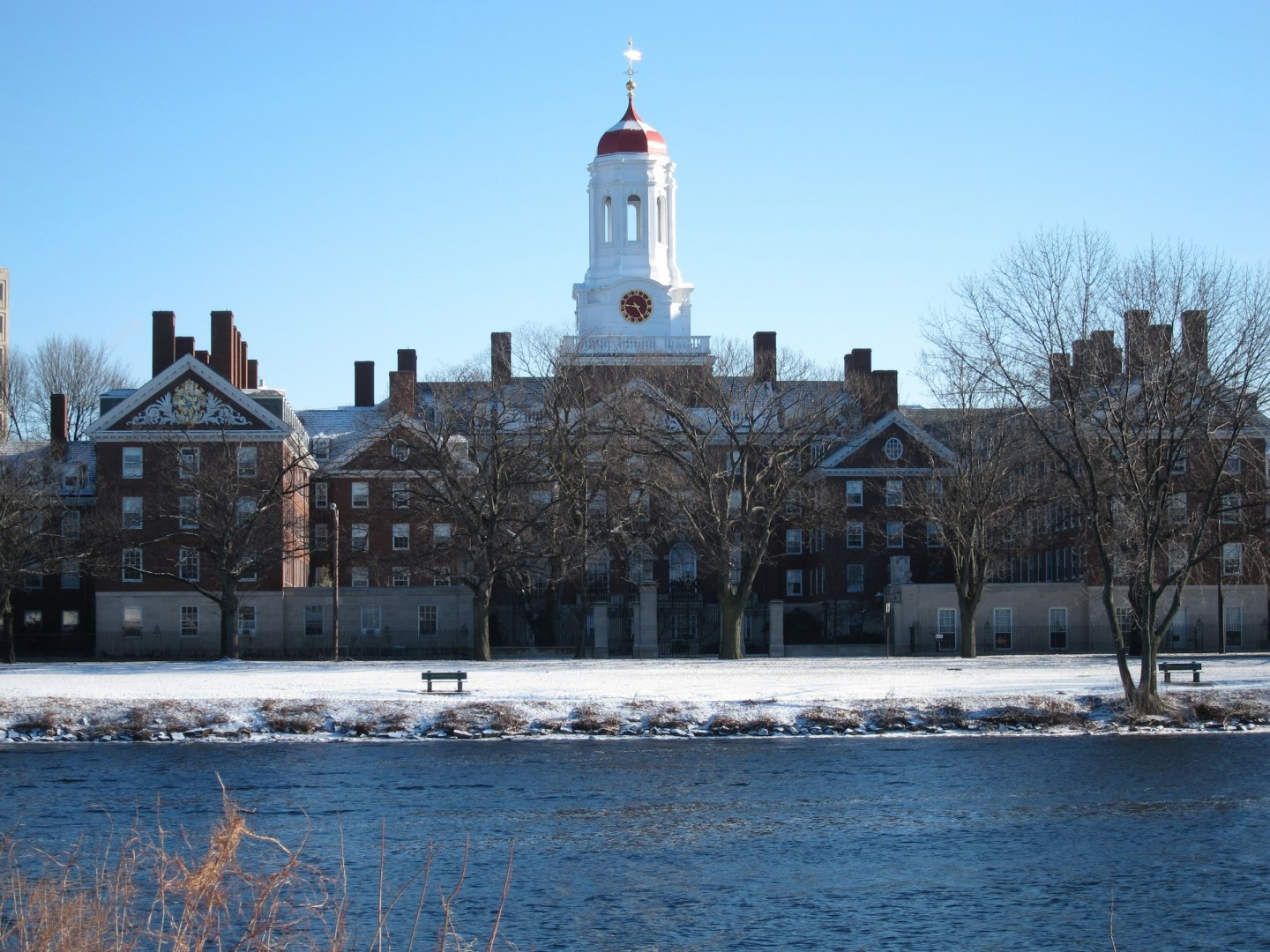
Cambridge
Cambridge, Massachusetts, sits across the Charles River from Boston and is known for its universities, historic neighborhoods, research institutions, and distinctive network of public squares. Harvard University and the Massachusetts Institute of Technology give the city an international academic profile, while areas such as Harvard Square, Central Square, Kendall Square, and Inman Square each have their own mix of shops, restaurants, cultural venues, and businesses.

Koper
Located on the Adriatic, Koper is a coastal port city in Slovenia. Koper is home to a variety of architectural gems dating back centuries, especially near the city's central Tito Square. Koper's marina and beaches provide spectacular views of the Bay of Trieste, while the city's variety of museums, parks, restaurants, and bars offer plenty to explore and entertain.

Kralendijk
There's plenty to explore and savor in this vibrant paradise on the Caribbean Sea, including numerous beaches, an assortment of water sports, and plenty of delicious eats and cocktails.
