

Amazon River
The Amazon River, winding through the heart of South America, is a marvel of nature that offers unparalleled adventure in one of the most biodiverse regions on Earth. Originating from the Peruvian Andes, the Amazon travels through nine countries before emptying into the Atlantic Ocean.
Canyon de Chelly National Monument
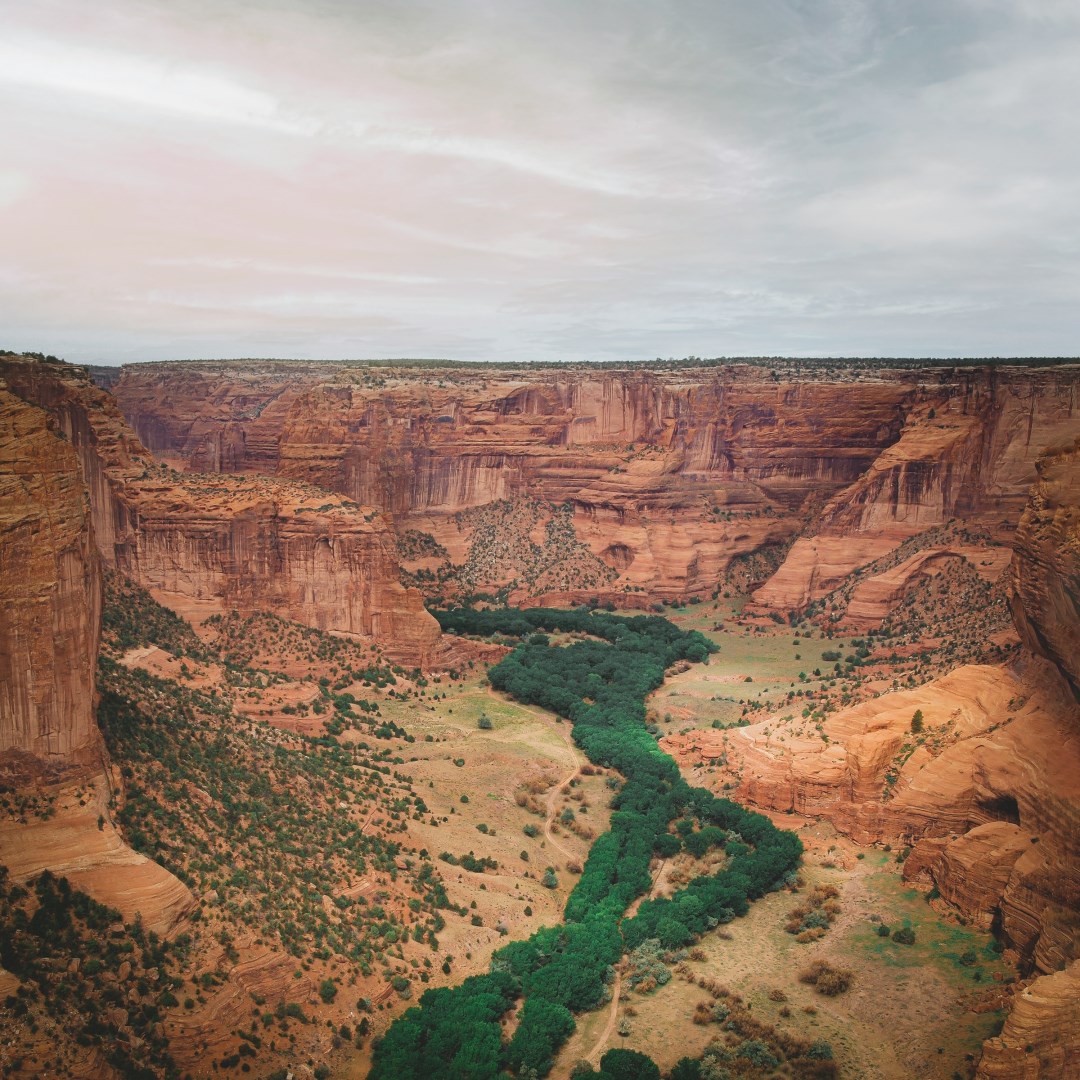
Canyon de Chelly National Monument lies in northeastern Arizona on Navajo Nation land, surrounding a network of deep sandstone canyons near Chinle. The monument is distinctive because it is both a protected landscape and a living community, with Diné families continuing to farm, raise livestock, and maintain homes within the canyon.
Hyderabad
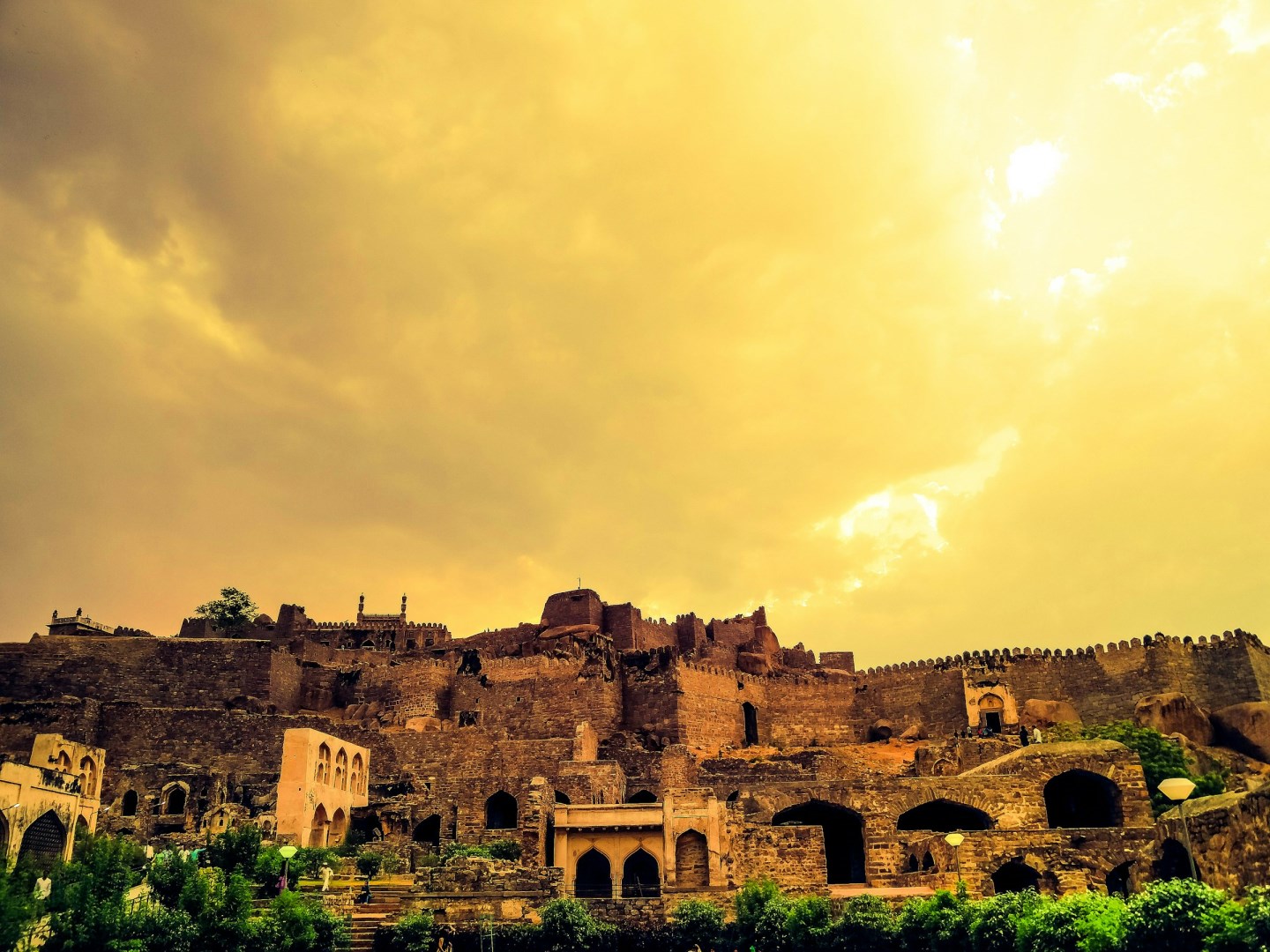
Hyderabad is the capital of Telangana in southern India, built around the Musi River and shaped by a long history of Deccan kingdoms, Islamic architecture, Hindu traditions, and modern technology. The city combines historic neighborhoods with expanding business districts, universities, markets, and residential areas. Its older quarters are centered around landmarks such as Charminar and the Mecca Masjid, while newer Hyderabad is known for its technology and pharmaceutical industries. Granite out
Cambridge
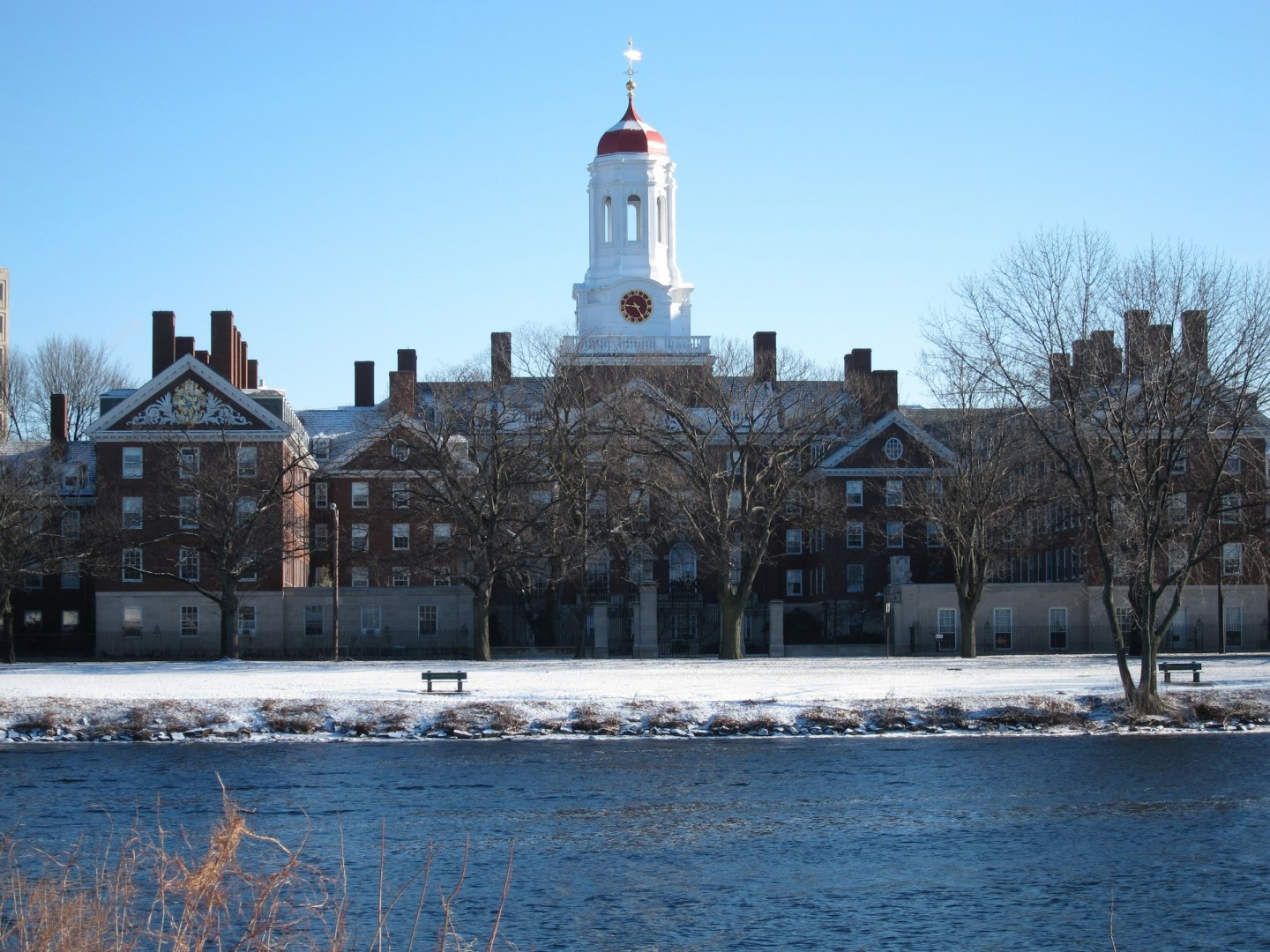
Cambridge, Massachusetts, sits across the Charles River from Boston and is known for its universities, historic neighborhoods, research institutions, and distinctive network of public squares. Harvard University and the Massachusetts Institute of Technology give the city an international academic profile, while areas such as Harvard Square, Central Square, Kendall Square, and Inman Square each have their own mix of shops, restaurants, cultural venues, and businesses.
Po River
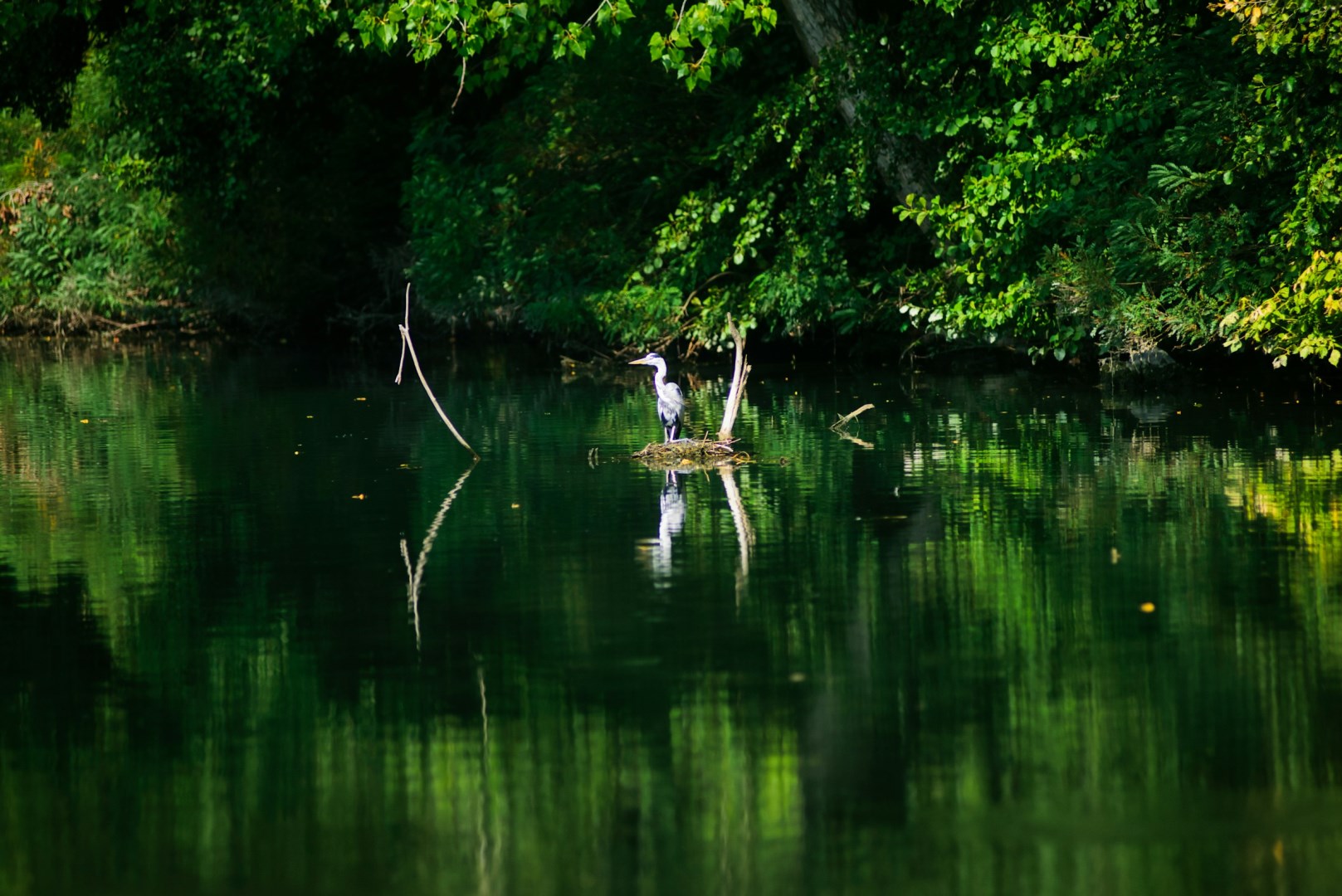
The Po River, the longest in Italy, flows eastward from Monte Viso, in the Cottian Alps, through the northern part of the country and drains into the Adriatic Sea near Venice. The Po flows through many important Italian cities, including Turin, Cremona, Piacenza, Ferrara.
