
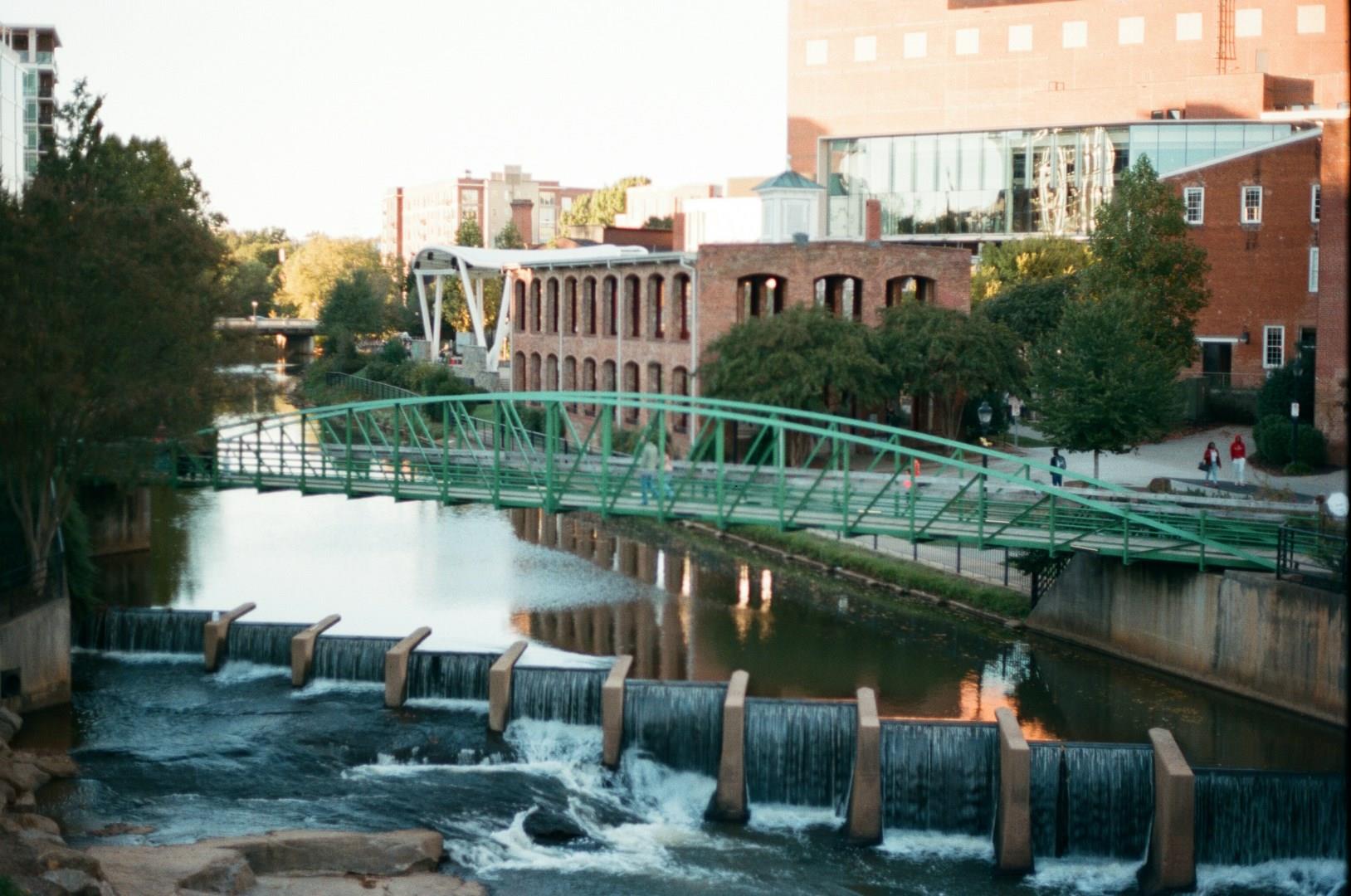
Greenville
Greenville, South Carolina sits at the foothills of the Blue Ridge Mountains and has grown from a former textile center into one of the Southeast’s most appealing small cities.

Cabo San Lucas
Nestled on the southern tip of California's Baja Peninsula, there's a feeling of peace on Cabo San Lucas, Mexico. Find your own private sand dune and bask in the sun. Walk along the famous Playa del Amor or explore Cabo's unique rock formations that are found in almost every cove. For a special treat, stop and watch artists create black coral jewelry.
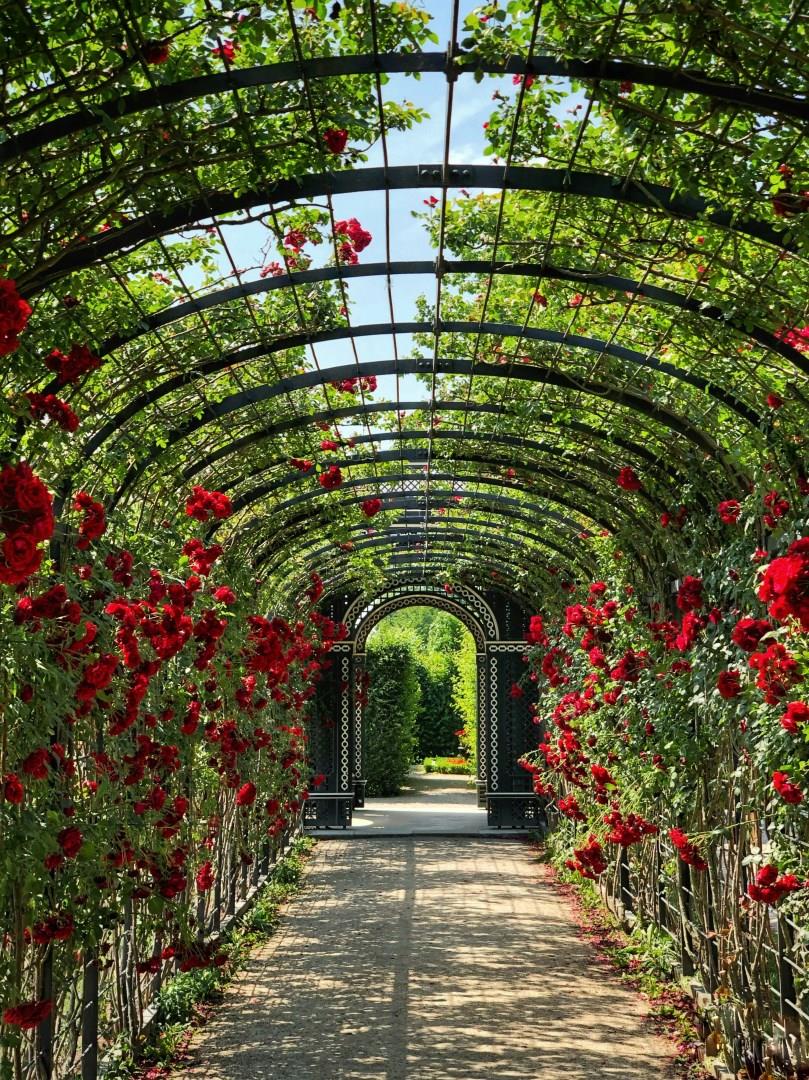
Vienna
Vienna has a long memory. Once the capital of the Habsburg Empire, the city still carries signs of its imperial past in its palaces, concert halls, and wide boulevards. Visitors can walk through the Hofburg complex, where emperors once ruled, or tour the opulent rooms of Schönbrunn Palace, which features 1,441 rooms and a maze in its gardens. But Vienna’s many historic buildings now house contemporary art museums, cafés, and institutions that reflect the city’s modern identity.
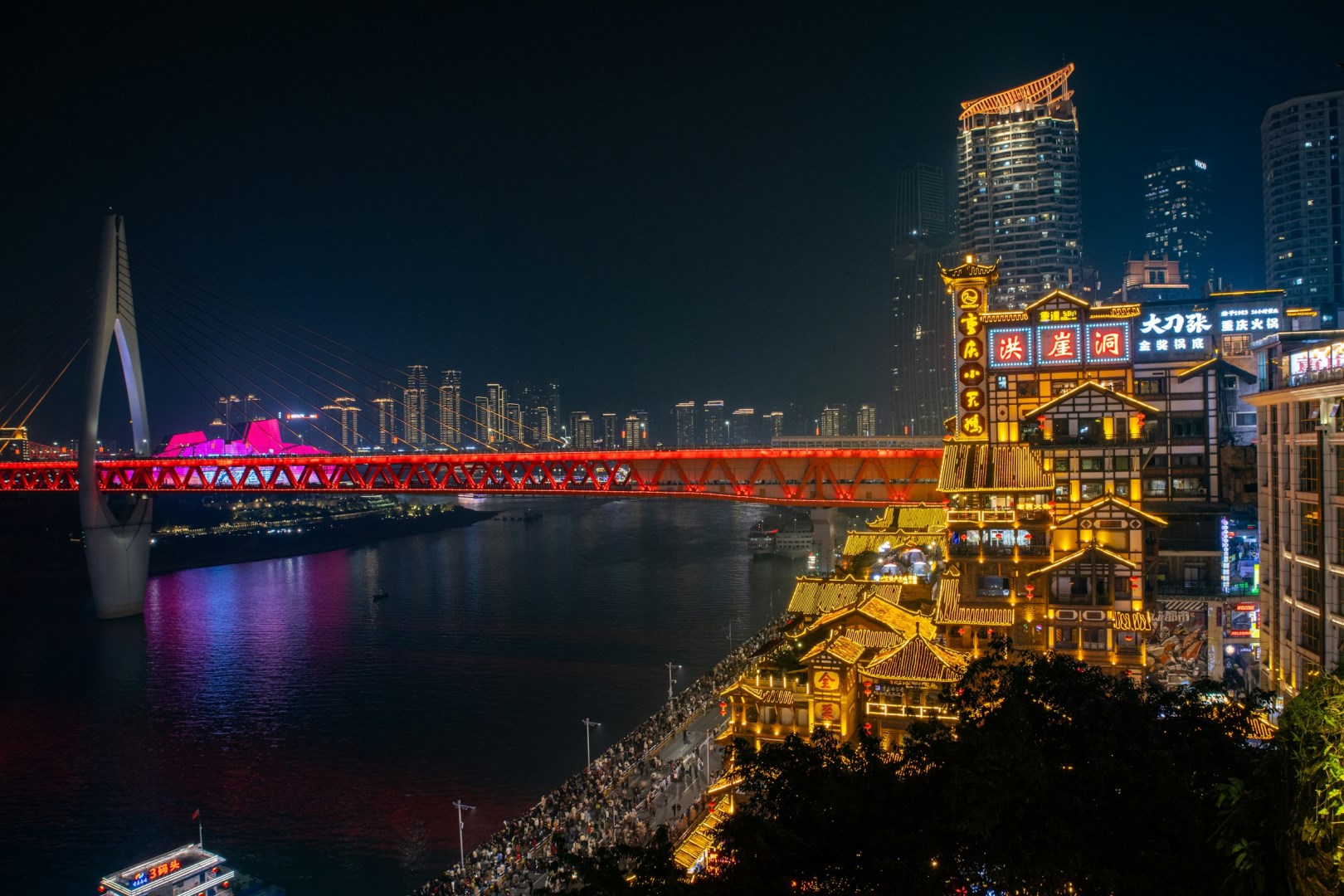
Chongqing
The largest city in Sichuan Province and a port-of-call on the Yangtze River. Located at the heart of where the Jialing and Yangtze Rivers meet, this beautiful combination of ancient and modern will take your breath away.

Middle East
The Middle East offers an extraordinary mix of history, culture, and natural beauty. Whether uncovering its ancient mysteries, indulging in its delicious cuisine, or experiencing its warm hospitality, travelers are sure to create lasting memories in this remarkable part of the world.
