
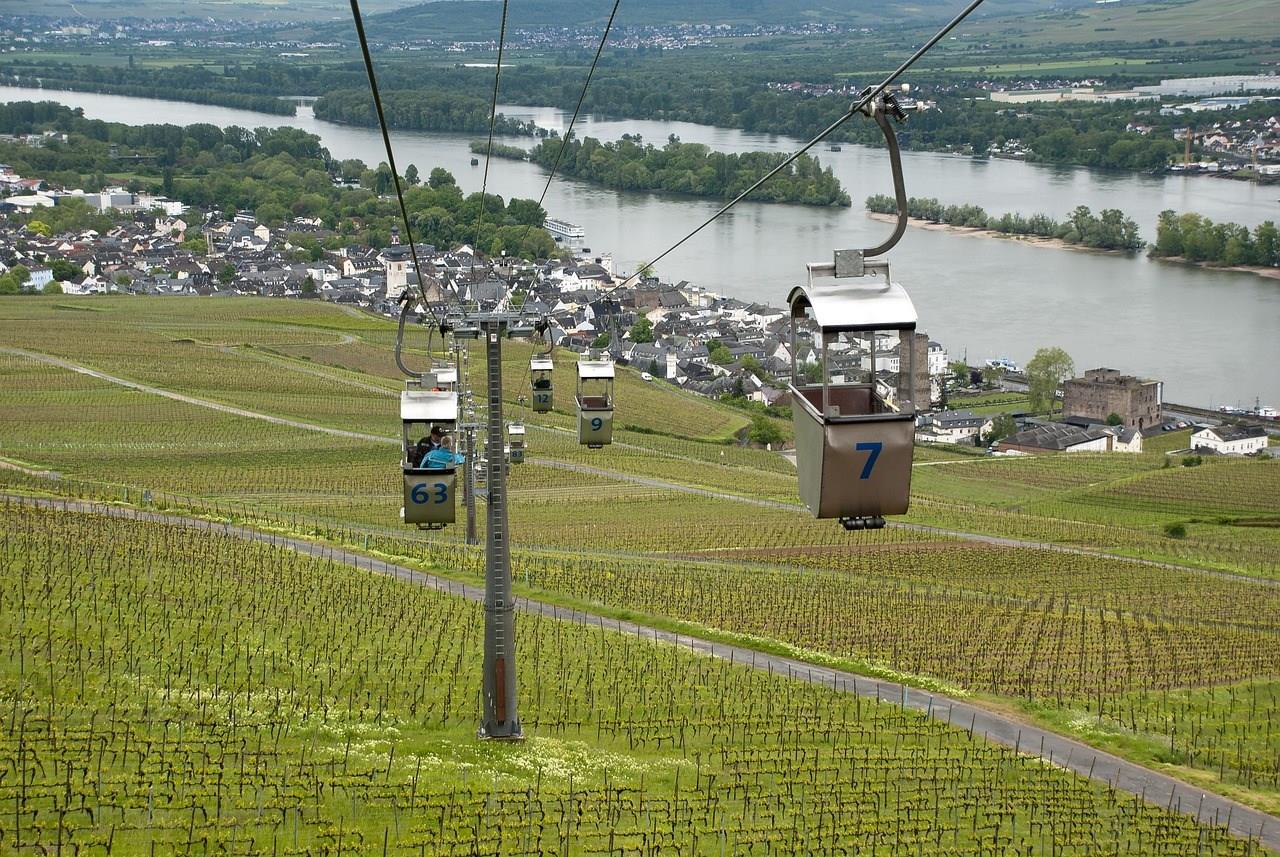
Rüdesheim
This city in the Rhine Gorge is known for its winemaking, dramatic landscapes and 15-minute cable car ride to the Niederwald Monument (celebrating the German victory over France in 1871).
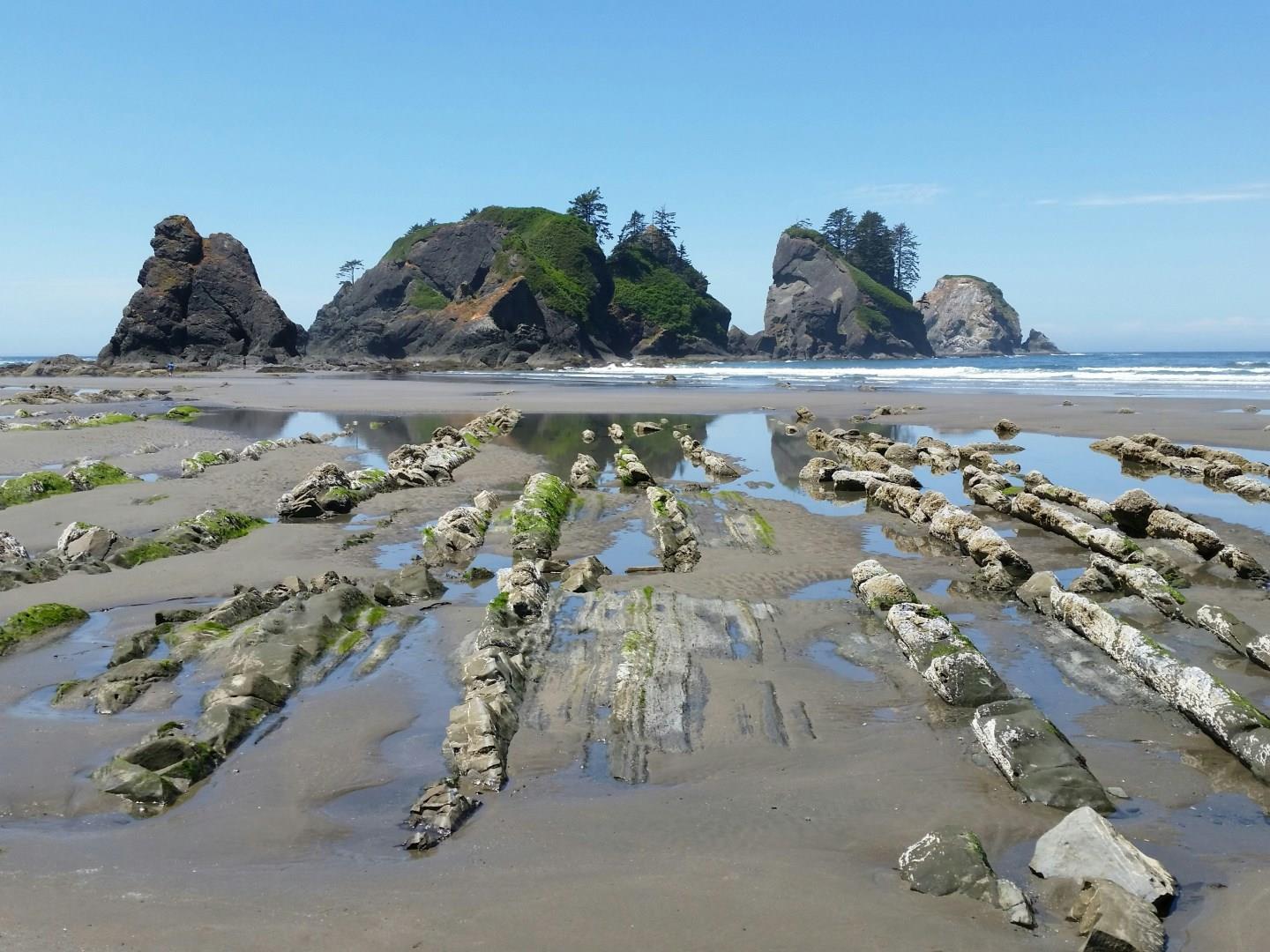
Olympic Peninsula
The Olympic Peninsula occupies the far northwest corner of Washington State, where mountains, rainforest, and coastline meet within a relatively compact area.

Miami
Nestled between Biscayne Bay to the east and Everglades National Park to the west, Miami, Florida is one of the Sunshine State's most vibrant, culturally diverse, and dynamic cities.
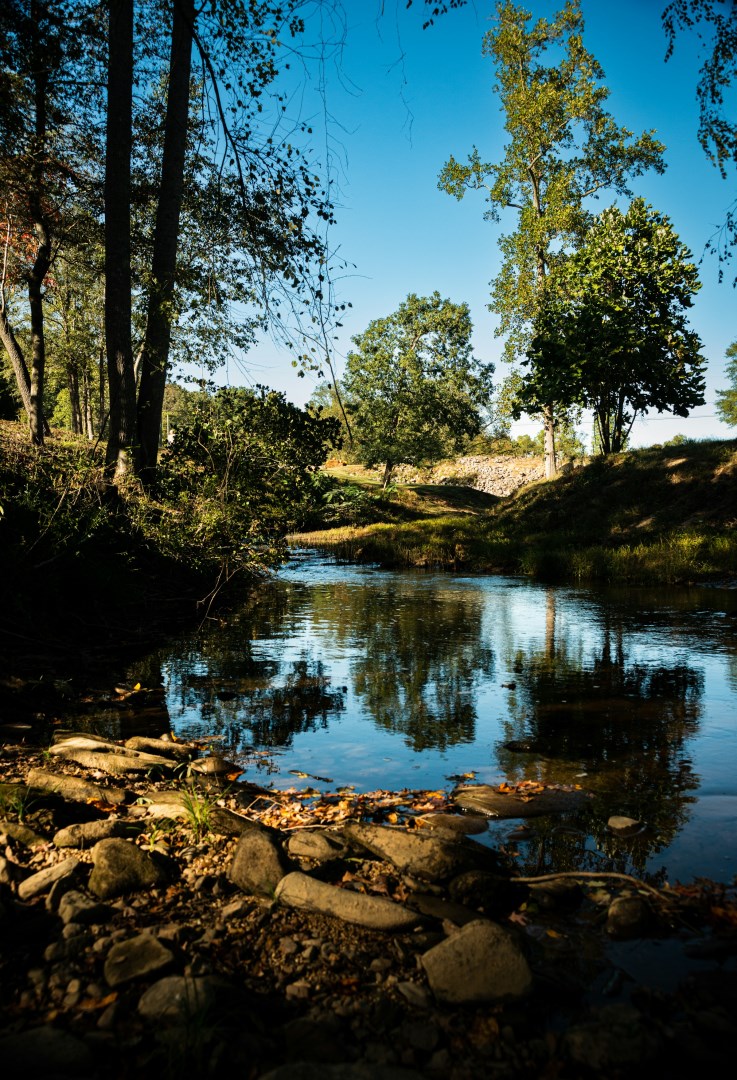
Hamilton
Hamilton, Alabama, nestled in the picturesque region of northwest Alabama, offers a unique blend of Southern charm and natural beauty. As the county seat of Marion County, Hamilton is renowned for its vibrant community and rich history. A visit to the Marion County Museum, located in the historic courthouse, provides a fascinating glimpse into the area’s past, showcasing exhibits ranging from Civil War artifacts to local memorabilia.

Galapagos Islands
Off the coast of Ecuador, the iconic and biodiverse Galápagos Islands, made famous by Charles Darwin’s nineteenth-century research expeditions on HMS Beagle, beckon you. This glittering archipelago, surrounded by vivid turquoise waves, abounds with stunning beaches and spectacular wildlife, perfect for the adventurous traveler.
