
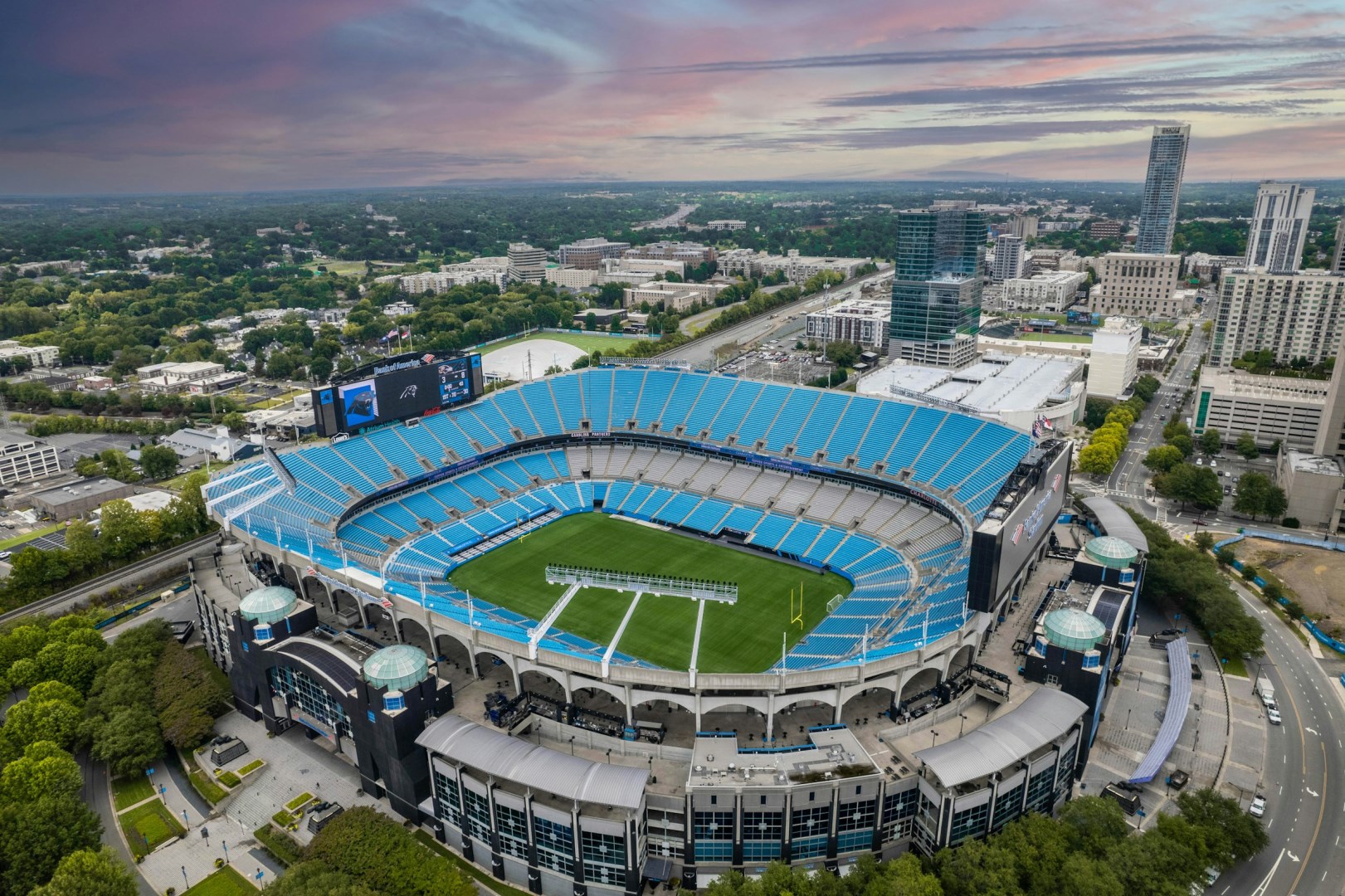
Charlotte
Founded in 1768, it is one of the South's major industrial centers for textiles, machinery and food products.
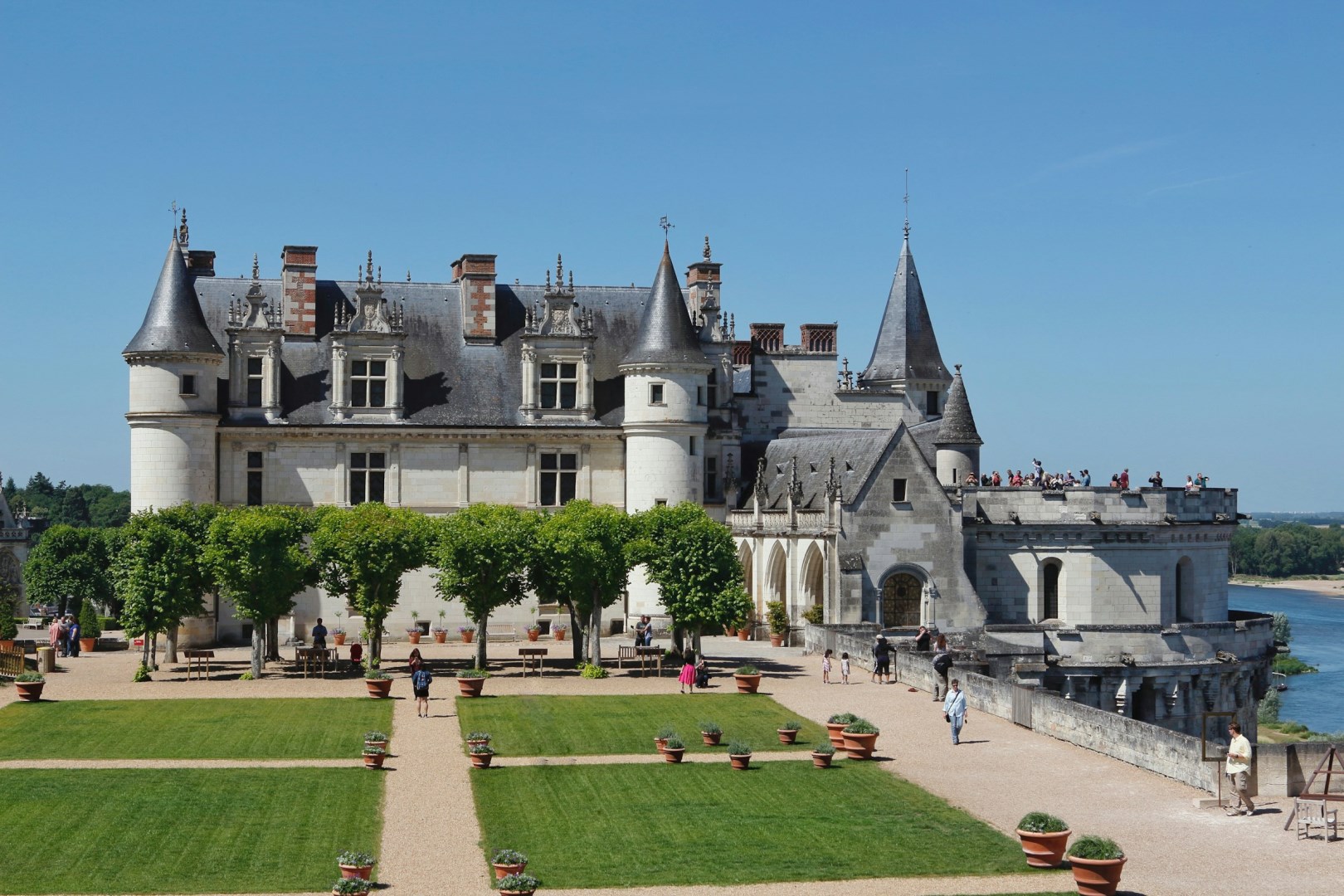
Amboise
Amboise has 12,000 inhabitants and is in the heart of Touraine, in the land of chateaux. It is a town both traditional and modern, lively and quiet. In Amboise, there is a royal castle set above the Loire Valley and is a strong point extensively embellished during the 15th and 16th centuries.
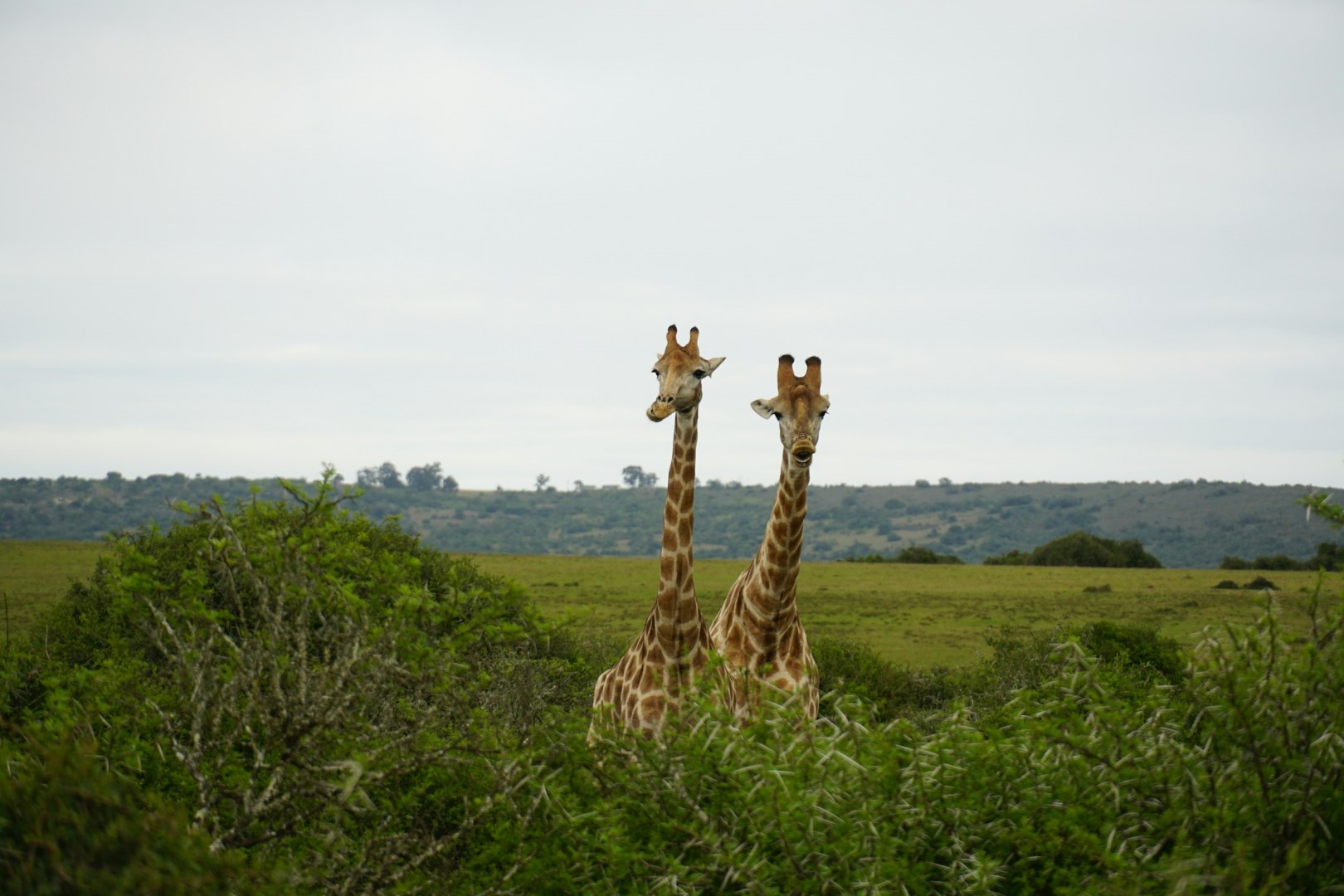
Shamwari Private Reserve
The Samwari Private Reserve is formed at the conjunction of five eco-systems, supporting a wide range of flora and fauna including the recently reintroduced "Big Five".
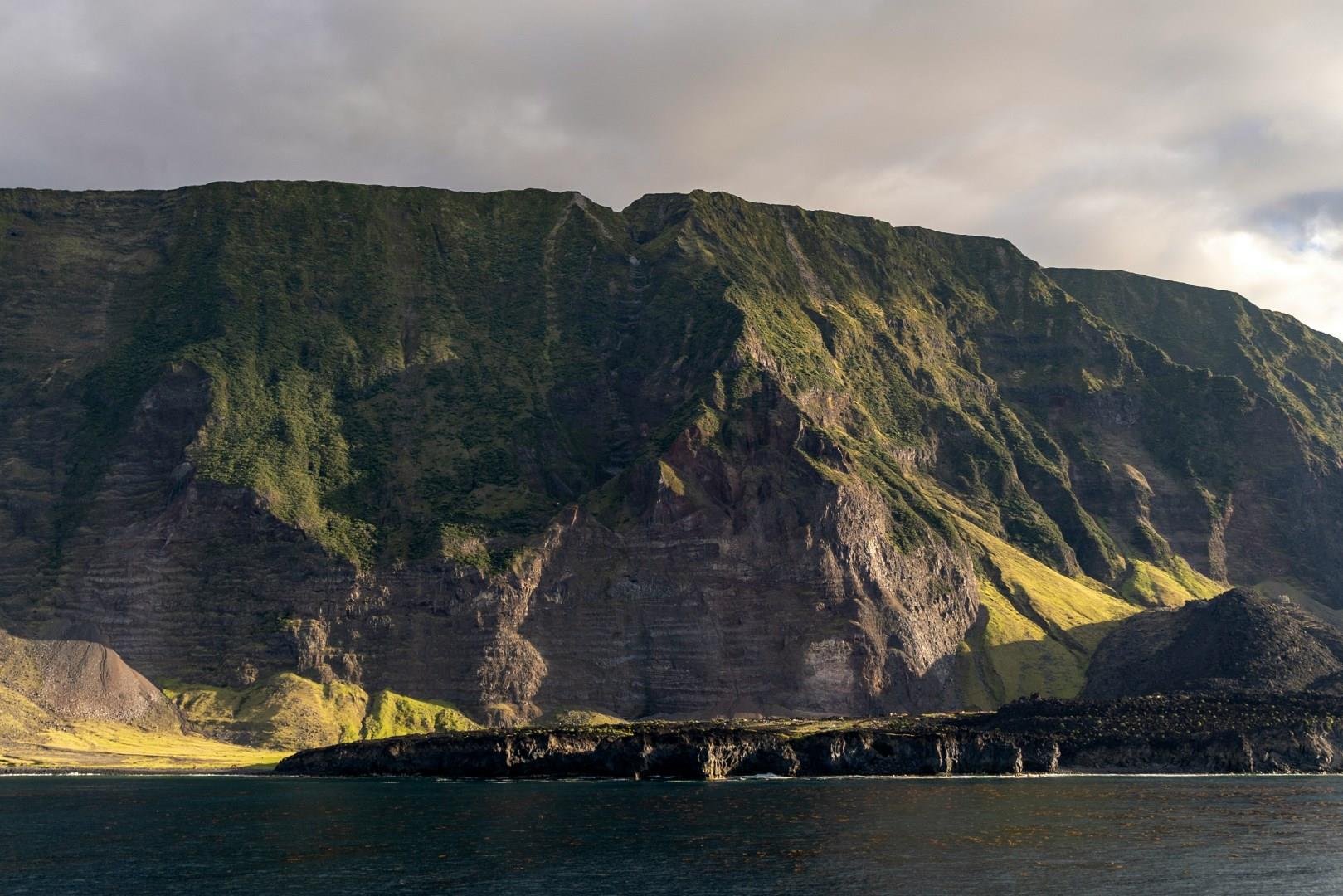
Tristan da Cunha
Tristan da Cunha is a remote volcanic island in the South Atlantic Ocean, forming part of a small archipelago along with Inaccessible Island and Nightingale Island. Known as the most isolated inhabited island in the world, it is accessible only by a week-long boat journey from South Africa.
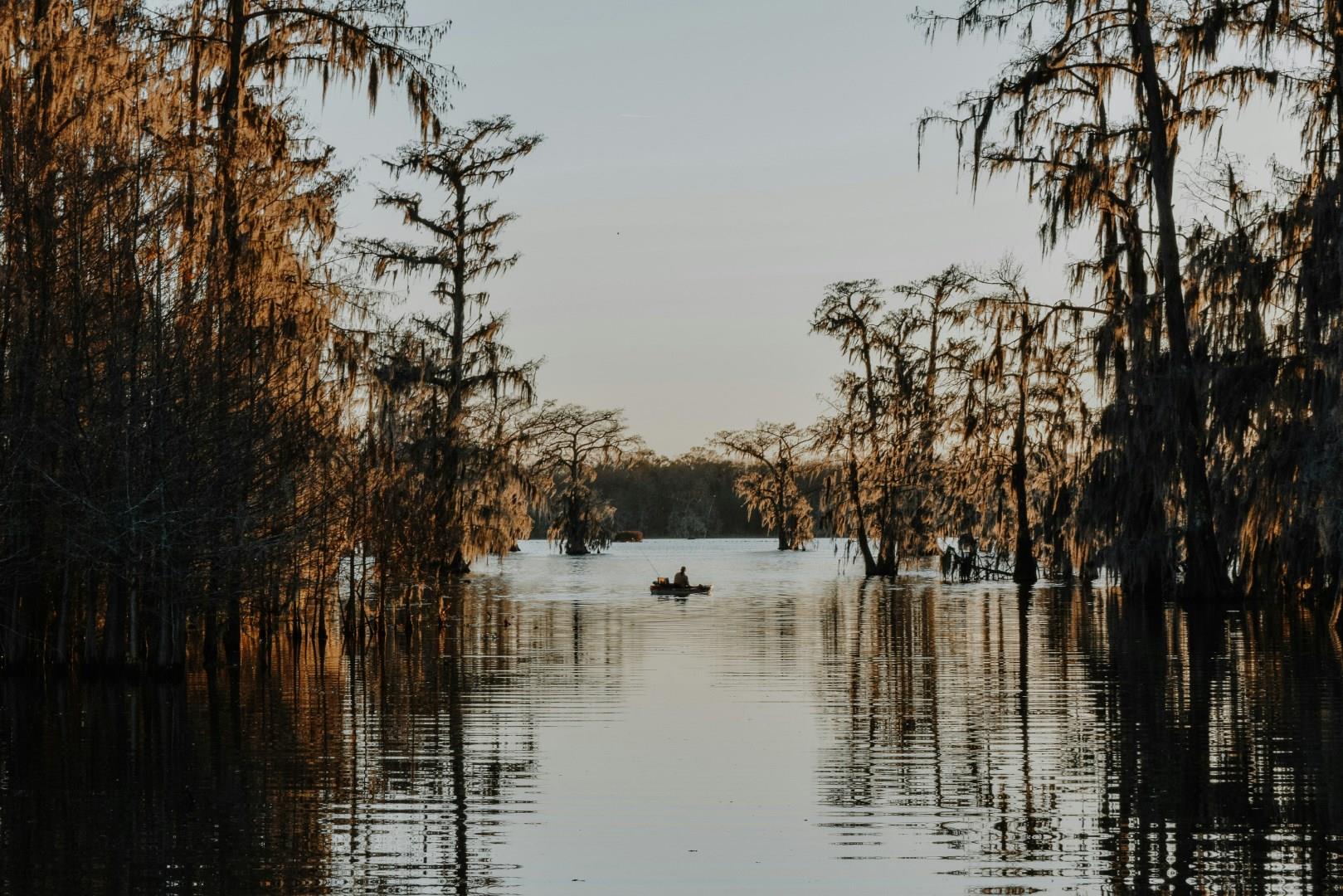
Lafayette
Lafayette is often called the heart of Cajun country for good reason. This vibrant city blends French-speaking roots with bold music, rich storytelling, and a culture that doesn’t just celebrate life but dances through it. Originally settled by Acadians expelled from Canada in the 1700s, Lafayette has grown into a lively hub where traditions are preserved and passed down through generations.
