

Zion National Park
Zion National Park, located in southwestern Utah, is known for its massive sandstone cliffs, narrow slot canyons, and unique desert ecosystems. Established in 1919, it was Utah’s first national park and continues to attract visitors with its dramatic elevation shifts and striking rock formations. The park’s most iconic feature, Zion Canyon, stretches for 15 miles and reaches depths of up to 2,640 feet, carved over time by the Virgin River.
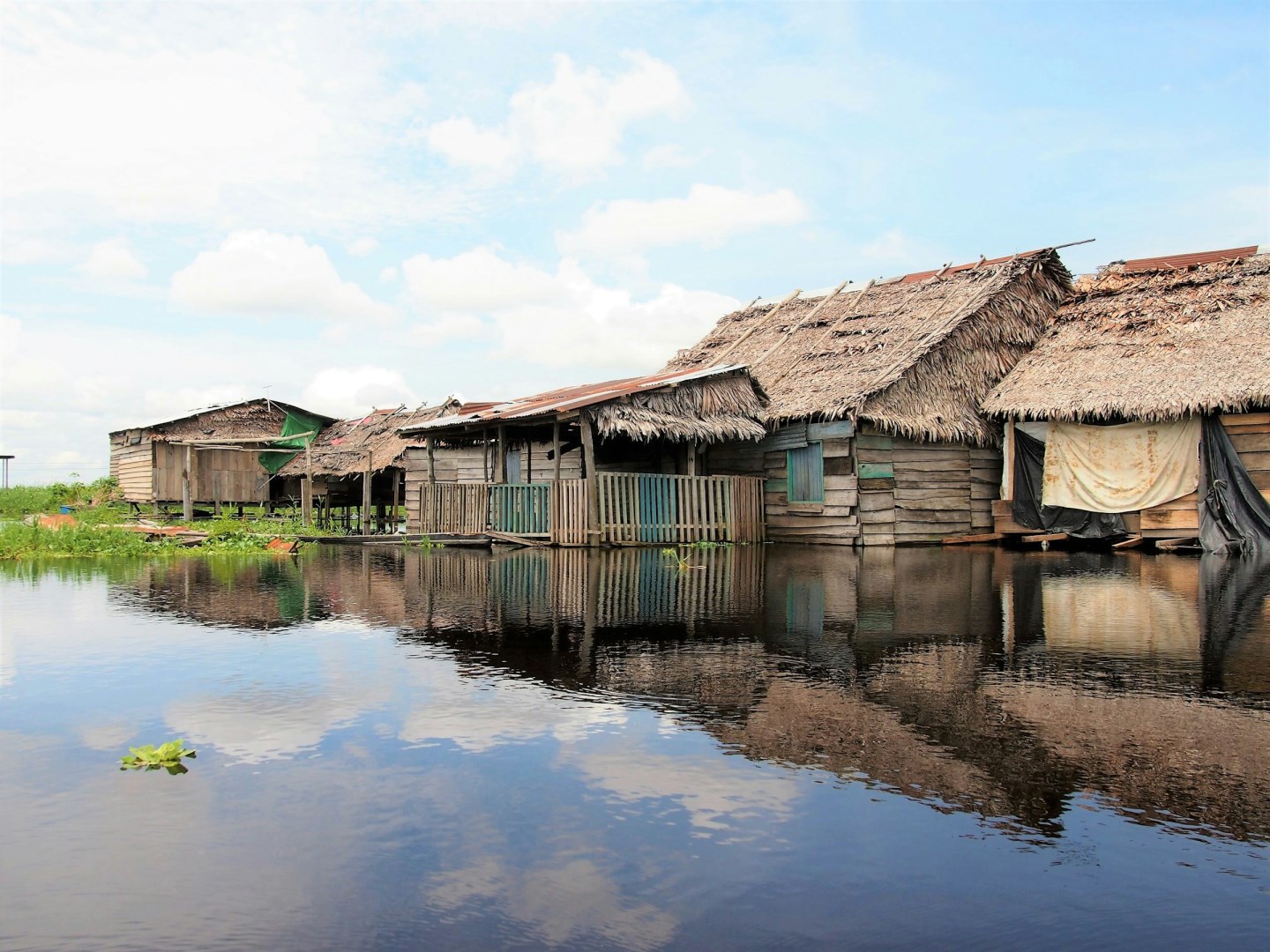
Iquitos
Although not accessible by road, it is Peru's most important commerical center in the east. It is on the Amazon which is wide enough to allow freighters at their busy port. The 1880's saw the rubber boom and recently oil has been the boom.
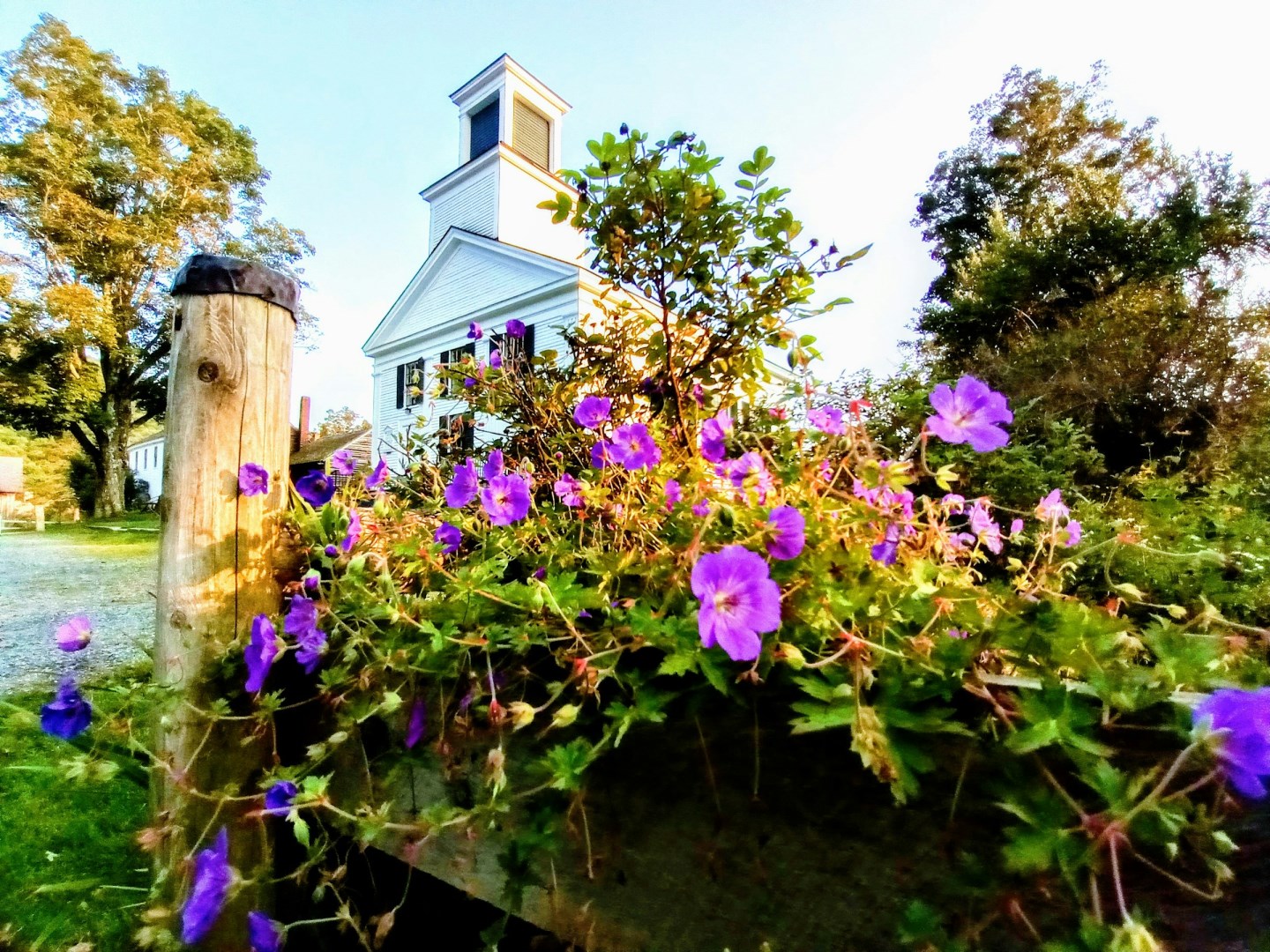
Plymouth
Plymouth is a rural town in central Vermont, set among wooded hills, small farms, ponds, and mountain valleys in the Green Mountain region. The town includes several small settlements, with Plymouth Notch being the best-known because of its preserved historic buildings and connection to President Calvin Coolidge. Much of the surrounding landscape remains forested and lightly developed, with roads following valleys and ridgelines rather than forming a dense urban center.
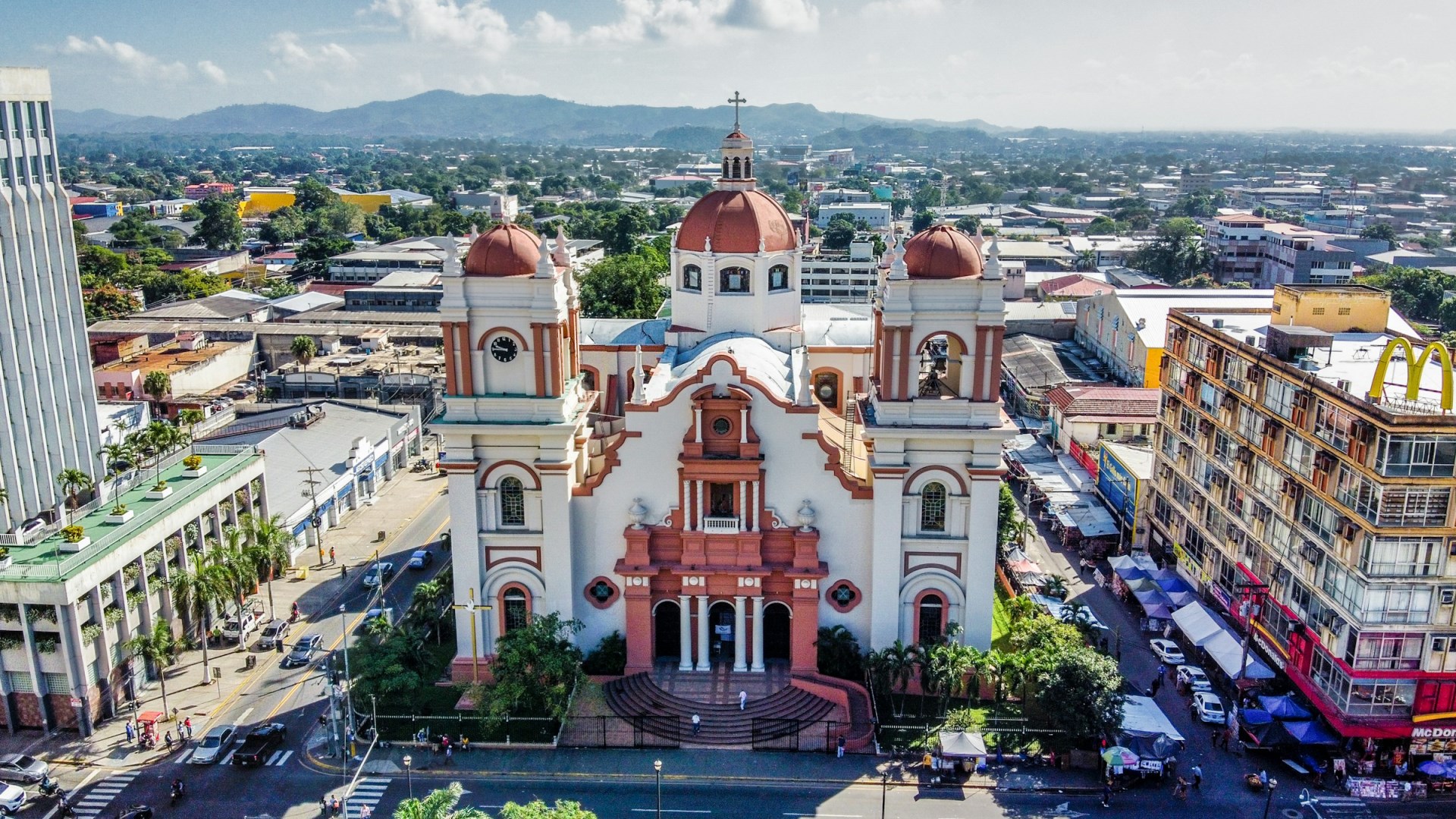
San Pedro Sula
While San Pedro Sula is the oldest city in Honduras, it doesn't show its age. Flat, with a tropical climate,the city prospers both as a commercial center and as a getaway to the Copan ruins and the Bay Islands. There is also a popular artisan market where you can buy silkscreen prints, primitive paintings, pottery, hammocks and wood sculptures.

Palmeira
On the north-western coast of Sal Island in Cape Verde sits Palmeira, an authentic fishing settlement where day-to-day life still revolves around the sea. The village’s seaside restaurants serve grilled tuna, octopus, and flying fish fresh from the day’s catch. Just a short trip from the centre lies Buracona, a natural lava rock pool famous for the “Blue Eye,” a glowing underwater cave that shines when the sunlight hits at just the right angle.
