
Yanbu
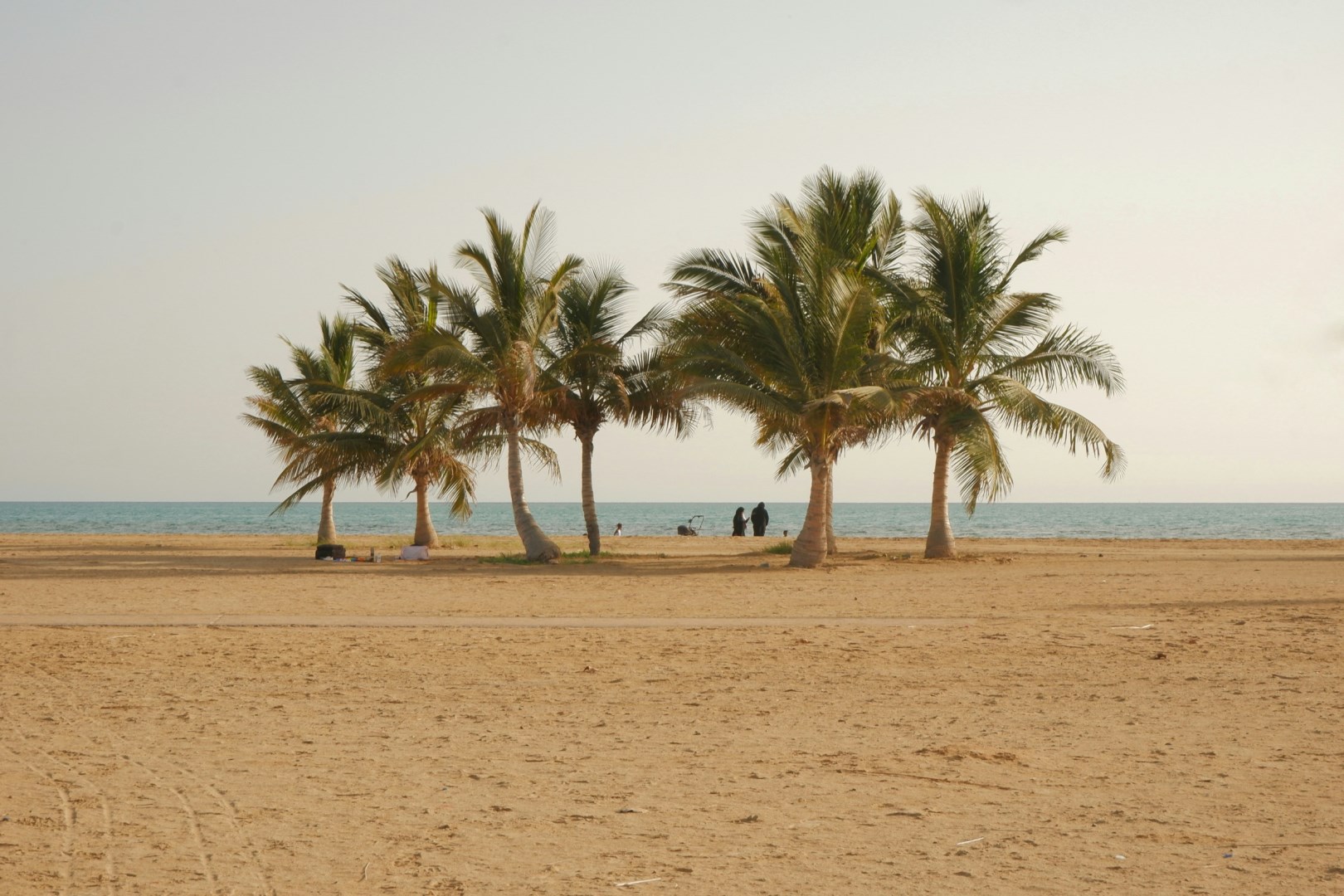
Yanbu, located on the Red Sea coast of Saudi Arabia, is a city where ancient history meets modern allure. As one of Saudi Arabia’s oldest port cities, Yanbu has a rich maritime heritage that is evident in its well-preserved historical sites. A visit to the Yanbu Historic Area reveals charming traditional architecture and the vibrant local culture.
Savannah
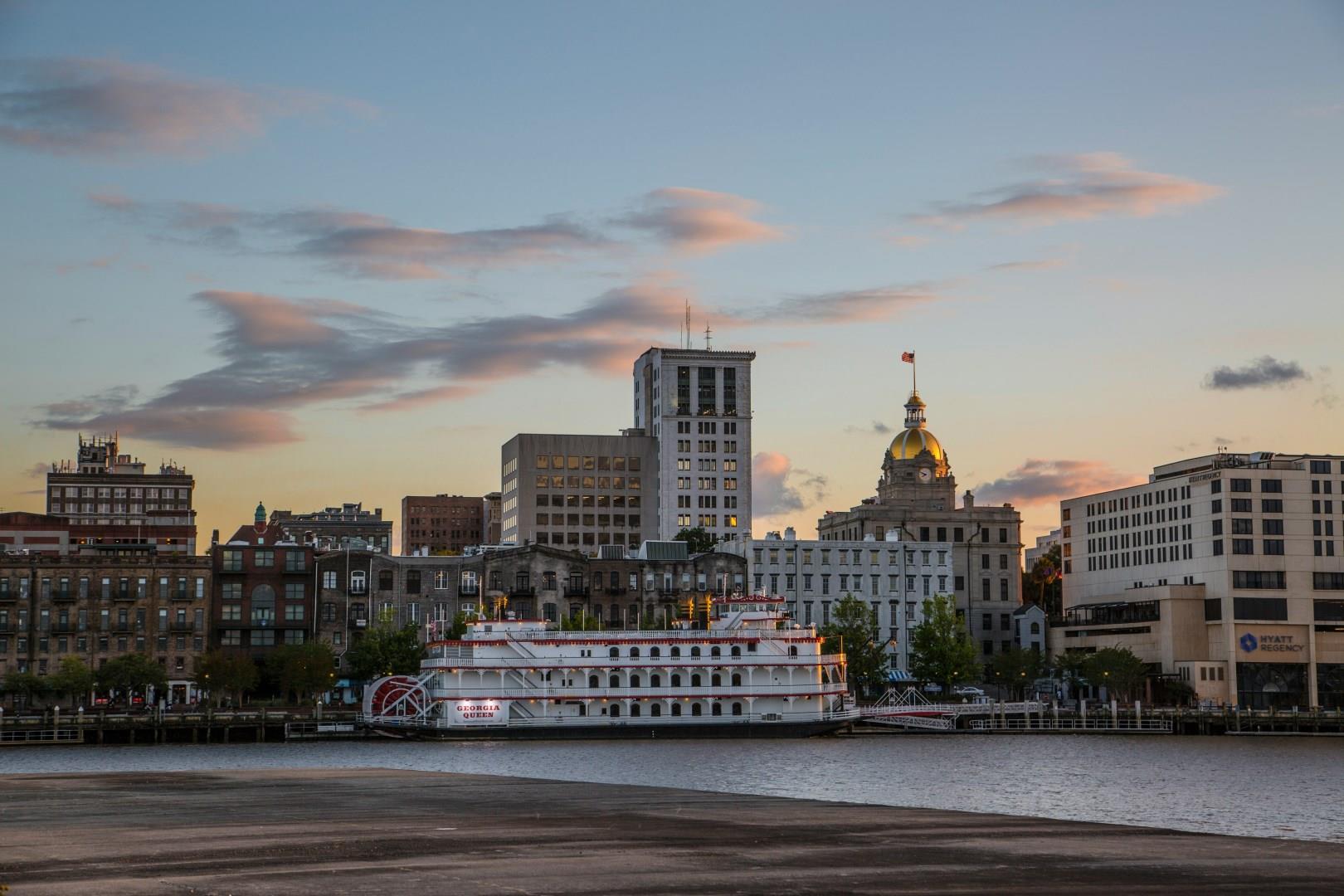
Savannah, Georgia, is a city that moves at its own pace, shaded by moss-draped oaks and shaped by centuries of stories. Founded in 1733, it was Georgia’s first city and still wears its history proudly. Visitors walking through the Historic District will find cobblestone streets, hidden gardens, and 22 public squares, each with its own character.
Abha
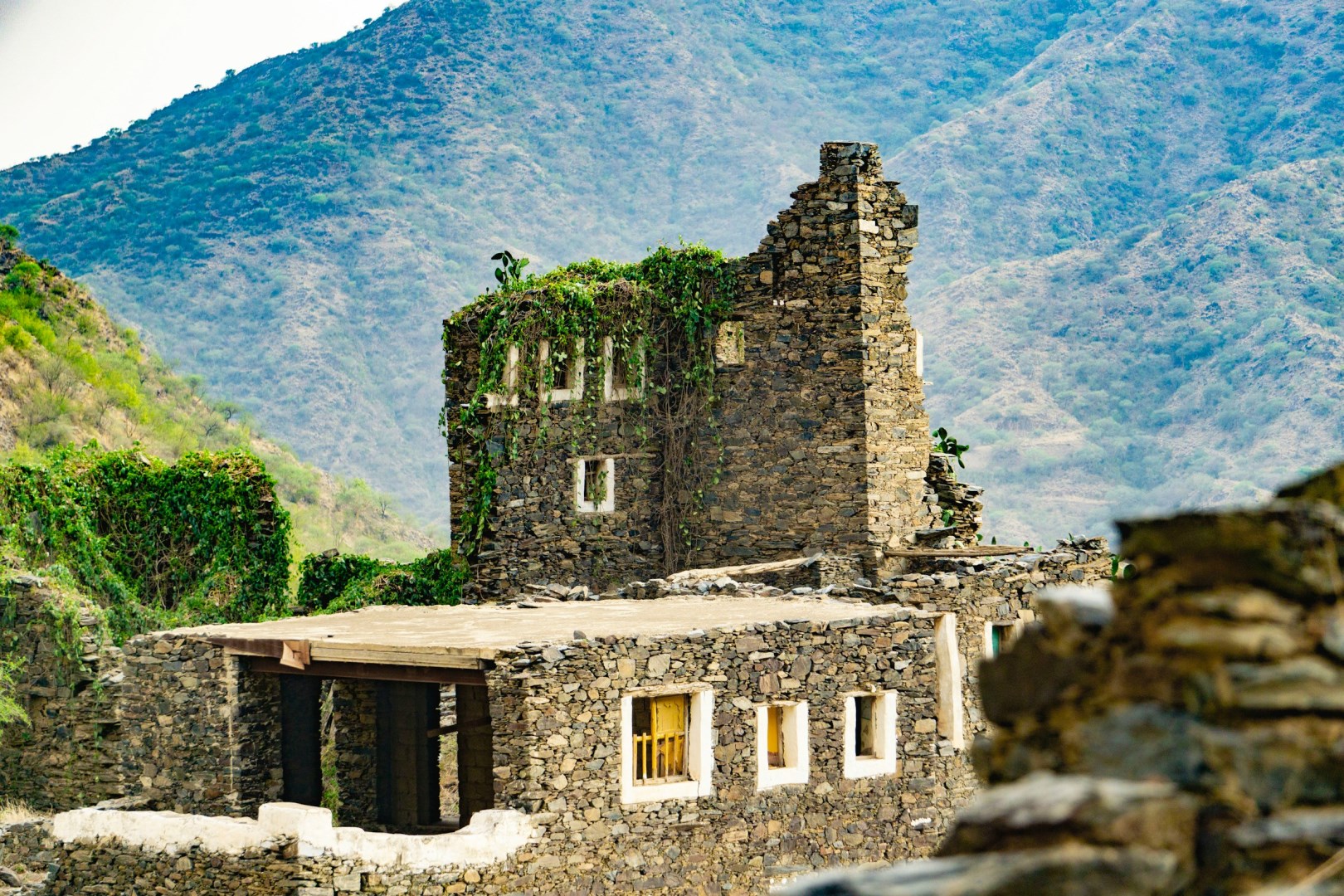
Abha, the capital of Saudi Arabia’s Asir Province, is a scenic mountain city set nearly 2,200 meters (7,200 feet) above sea level in the Sarawat Mountains. Known for its mild climate, lush green hills, and misty peaks, it stands in striking contrast to the country’s desert landscapes.

Cabo San Lucas
Nestled on the southern tip of California's Baja Peninsula, there's a feeling of peace on Cabo San Lucas, Mexico. Find your own private sand dune and bask in the sun. Walk along the famous Playa del Amor or explore Cabo's unique rock formations that are found in almost every cove. For a special treat, stop and watch artists create black coral jewelry.
Lighthouse Reef
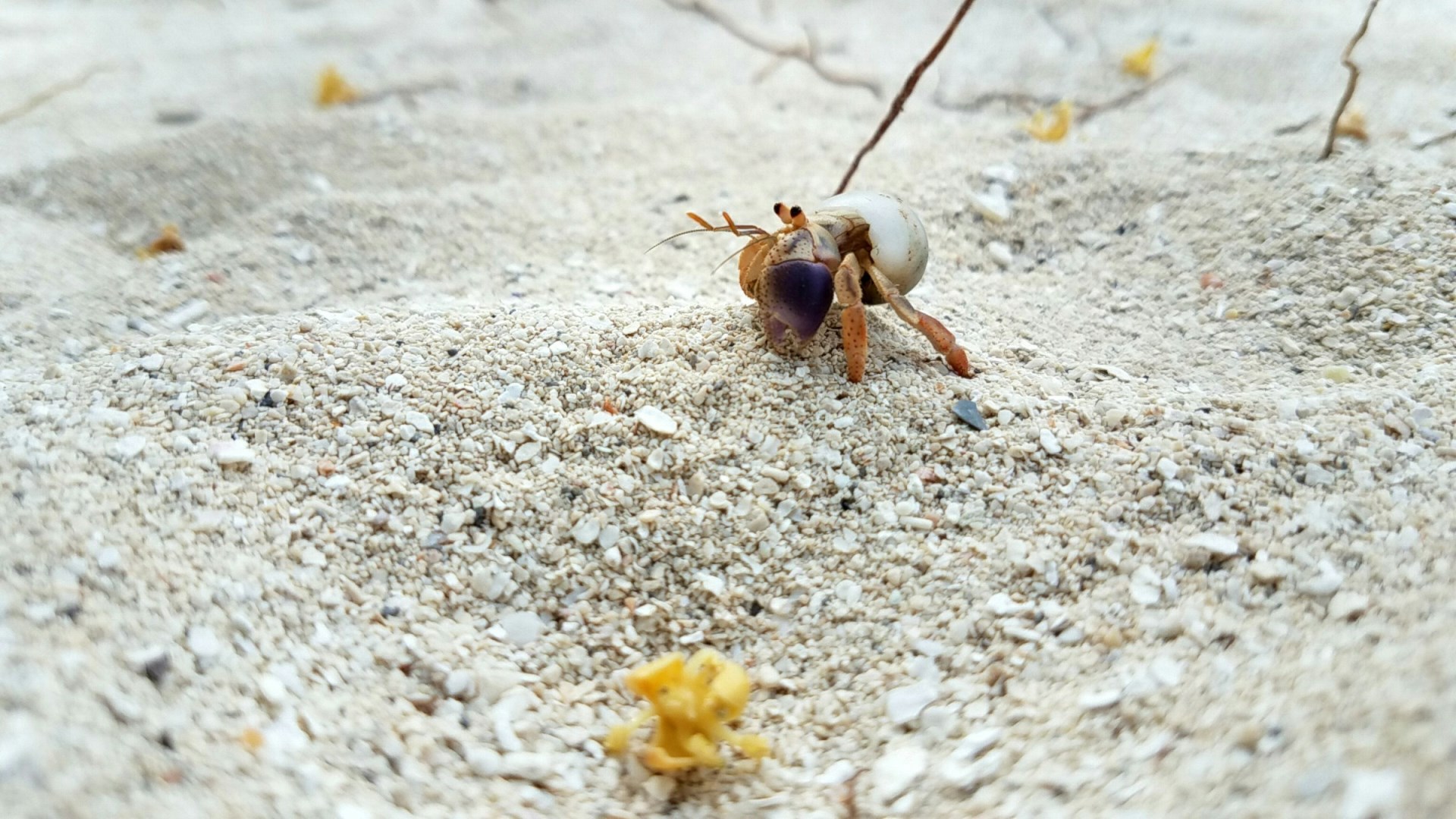
This natural reef and its uninhabited islands are home to one of the natural wonders of Belize, the Blue Hole. An underwater shaft that drops from a ten-foot-deep lagoon, it opens into a series of elaborate, stalactite-filled caverns. A true diver's paradise!
