
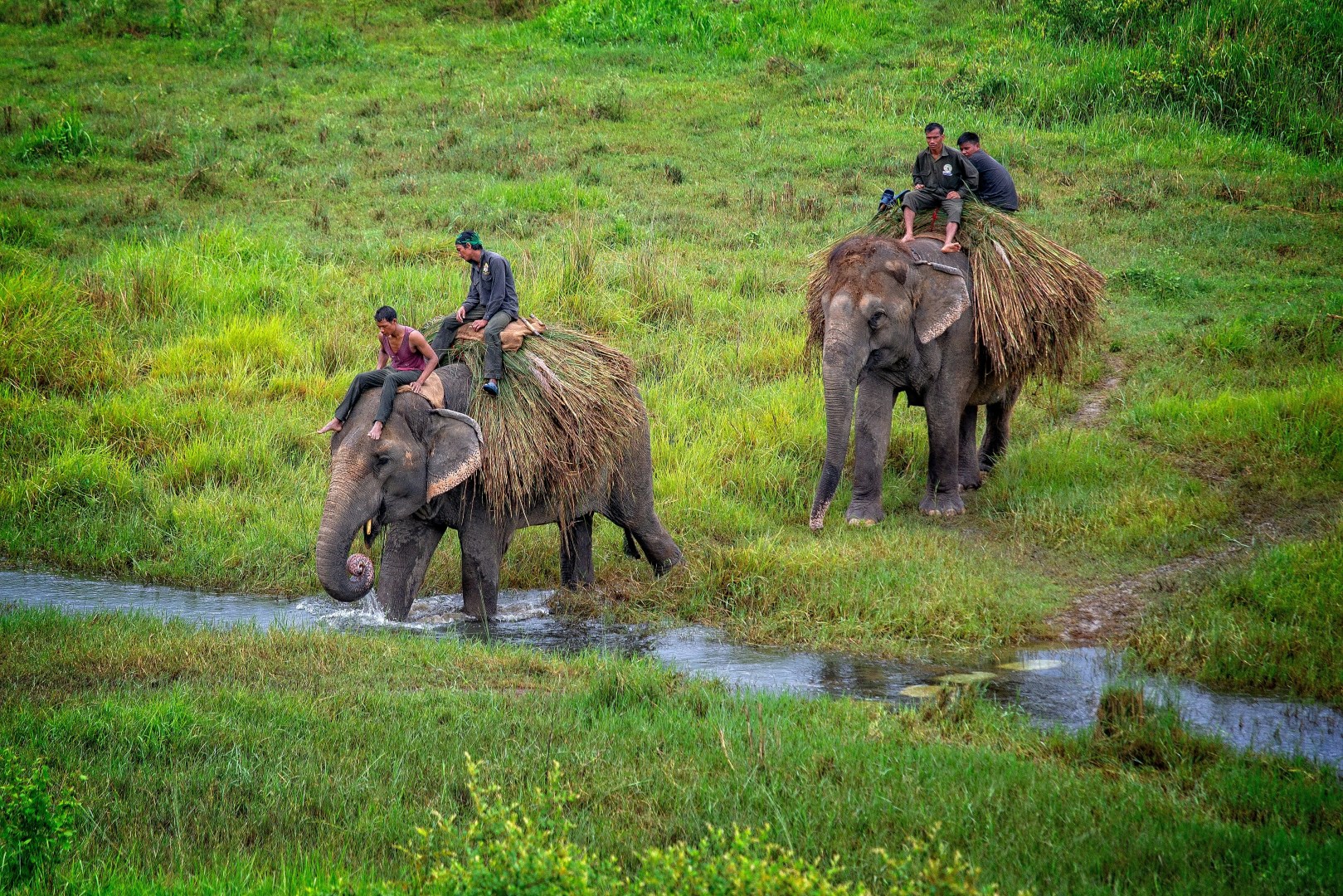
Chitwan National Park
Chitwan National Park is one of Nepal’s most important protected natural areas. Located in the subtropical lowlands of southern Nepal, the park is known for dense sal forests, grasslands, rivers, and a large concentration of wildlife.
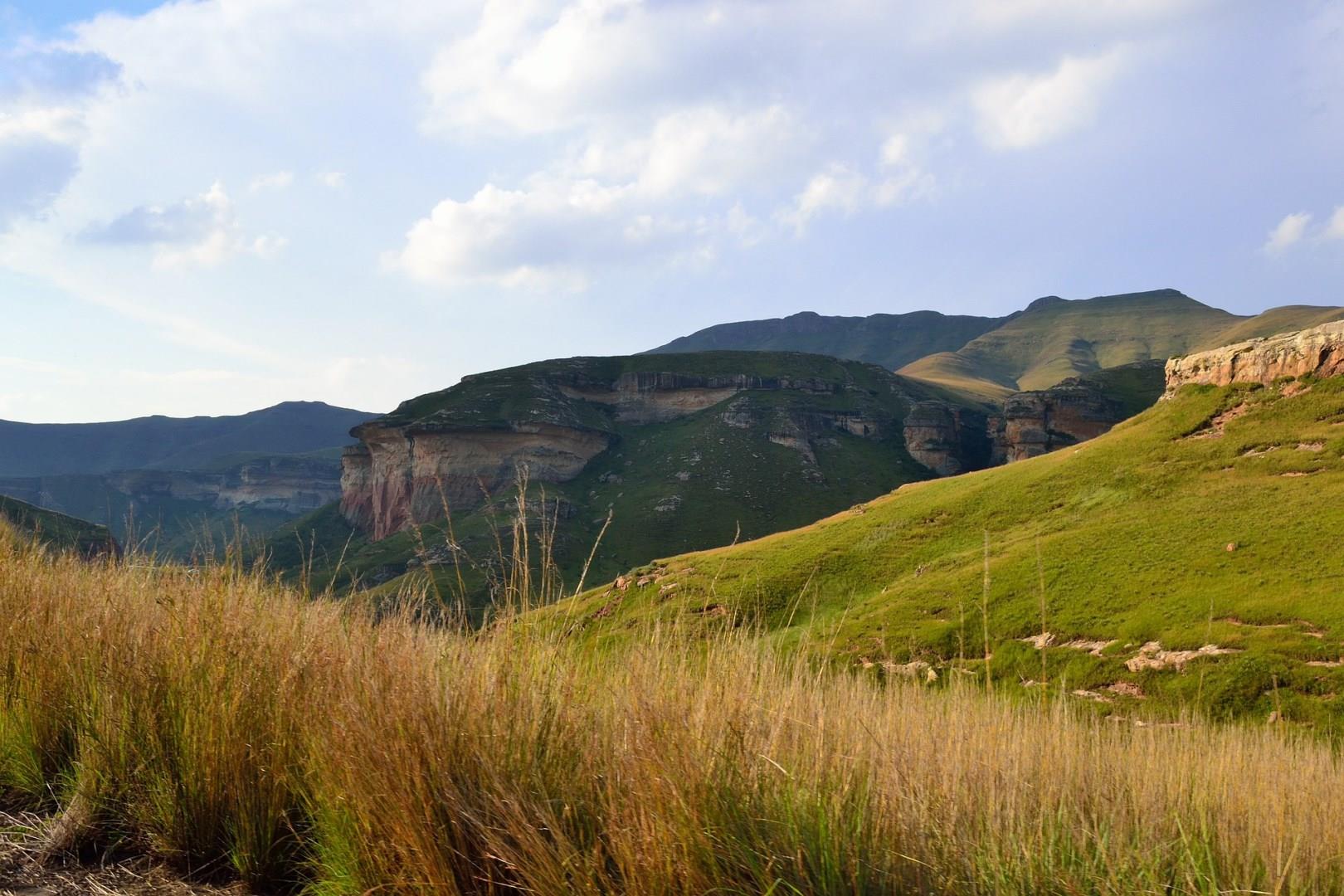
Golden Gate Highlands National Park
Golden Gate Highlands National Park, situated in the northeastern part of South Africa's Free State province, offers a breathtaking blend of natural beauty and geological wonder. Named after the golden-hued sandstone cliffs that glow in the setting sun, the park is renowned for its dramatic landscapes and rich biodiversity. The park's most famous feature is the Golden Gate, a majestic sandstone formation that contrasts sharply with the lush green vegetation and rolling hills. This striking scene
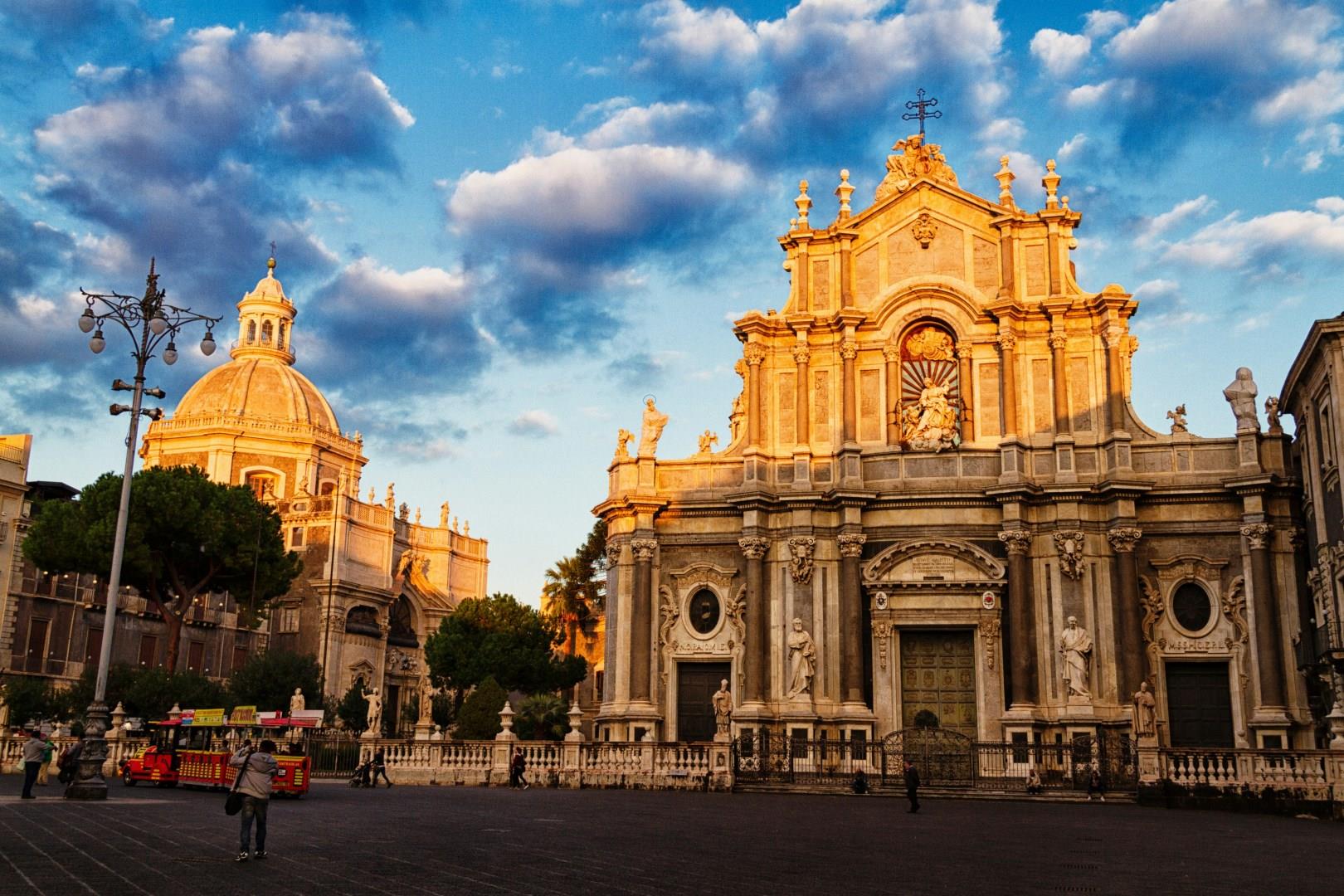
Catania
Catania, nestled on the eastern coast of Sicily, is a city shaped by fire and stone. Built from the black lava of Mount Etna, it’s a landscape filled with energy and contrasts from its Baroque palaces to its open air fish markets. At the heart of the city stands the Piazza del Duomo, where the iconic Fontana dell’Elefante, which is carved from volcanic rock, greets every visitor who passes by.

Húsavík
Nestled on the shores of Skjalfandi Bay in northern Iceland, Husavik offers visitors the unique chance to witness humpback whales, minke whales, and even the occasional blue whale in their natural habitat. The town is also home to the Husavik Whale Museum, which provides fascinating insights into the marine life of the region and the history of whaling in Iceland.
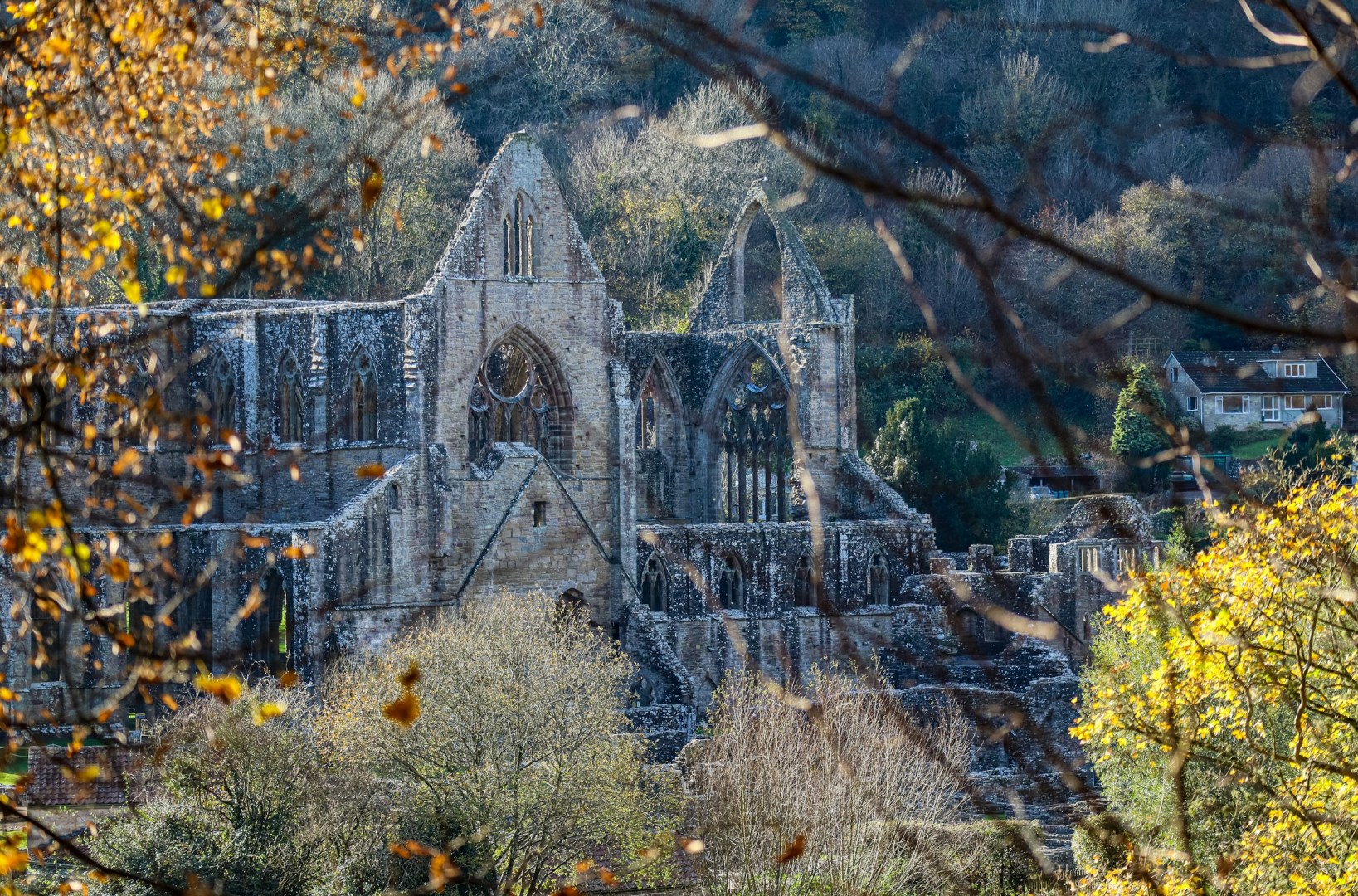
Tintern
Tintern, a picturesque village in Monmouthshire, Wales, is nestled in the heart of the scenic Wye Valley. This charming destination is renowned for the atmospheric ruins of Tintern Abbey, a 12th-century Cistercian monastery that has inspired poets like William Wordsworth and artists such as J.M.W. Turner. Visitors are often captivated by the abbey's majestic presence and the serene beauty of its surroundings.
