

Brecon Beacons
The Brecon Beacons, officially known as Bannau Brycheiniog, rise through south-central Wales as a landscape shaped by myth, grazing, and long human presence.
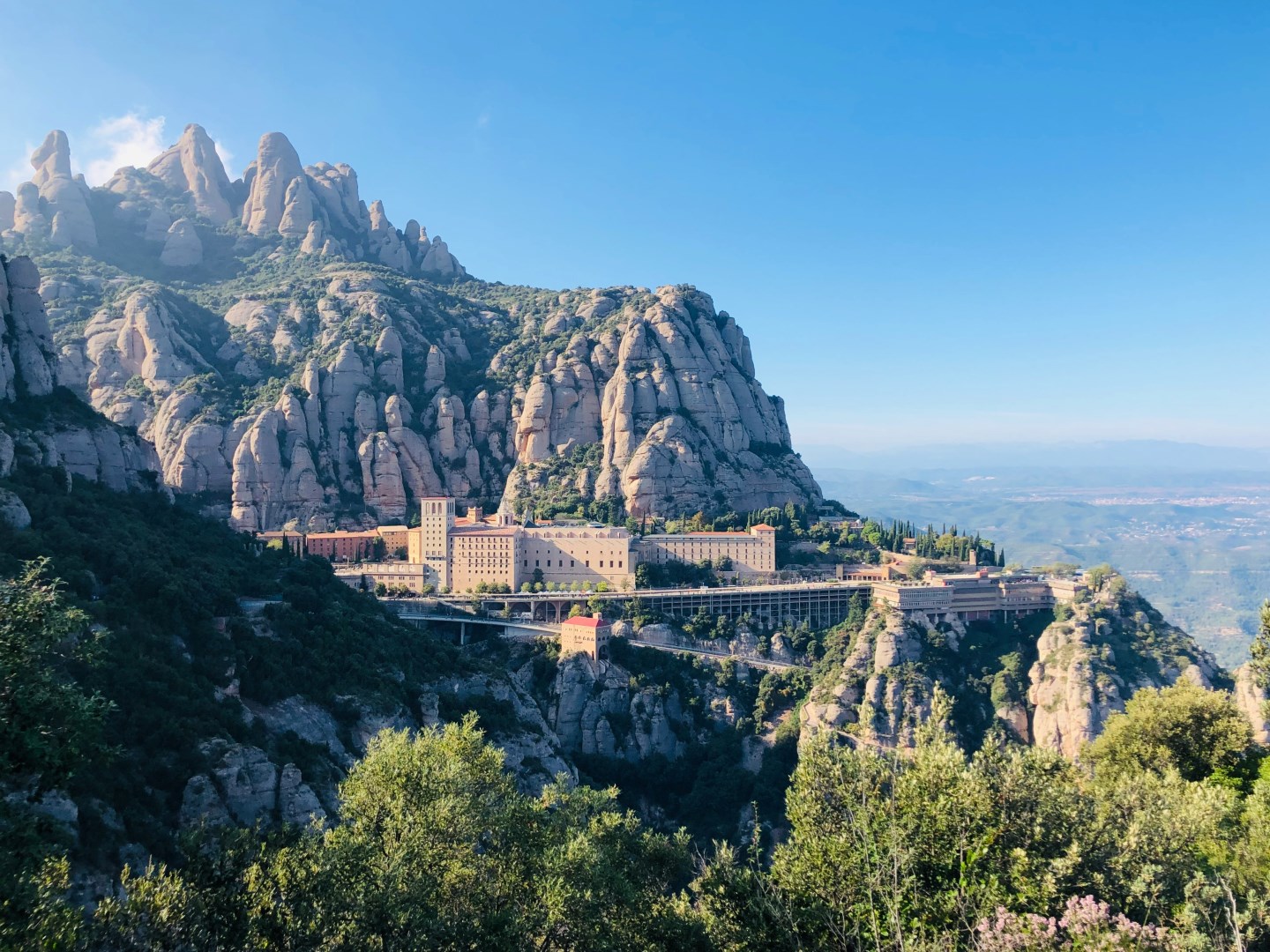
Montserrat
Montserrat Mountain rises sharply from the plains of Catalonia, its jagged rock shapes visible from far away. The mountain is known for its unusual rounded peaks and narrow ridges, formed into striking forms that look almost carved by hand. Trails and cable cars lead visitors upward from nearby villages such as Monistrol de Montserrat, where the climb quickly reveals wide views across the region, stretching toward Barcelona on clear days.

Volcanoes National Park
Volcanoes National Park, in northwestern Rwanda, is a place where dramatic volcanic landscapes meet extraordinary wildlife encounters. Stretching across the Virunga Mountains, the park is dominated by five towering volcanoes whose slopes are cloaked in rainforest and bamboo.
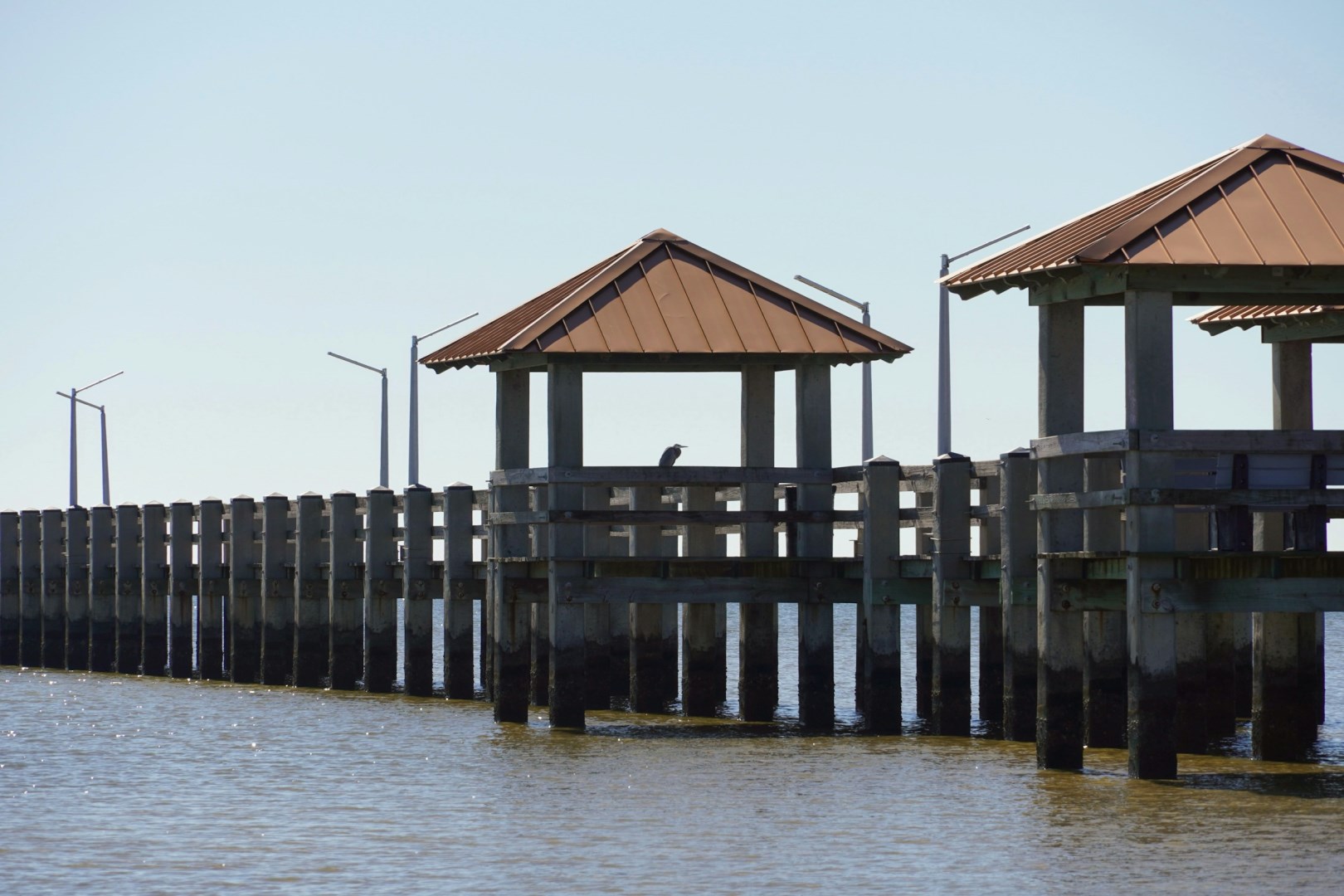
Gulfport
Gulfport, Mississippi, is the largest city on the Mississippi Gulf Coast and an important center for beaches, fishing, shipping, and coastal recreation. The city faces the Mississippi Sound, with barrier islands lying offshore and helping shape its relatively calm coastal waters. Gulfport Beach stretches along the shoreline with wide sandy areas, while the Port of Gulfport serves as a major deep-water shipping facility.
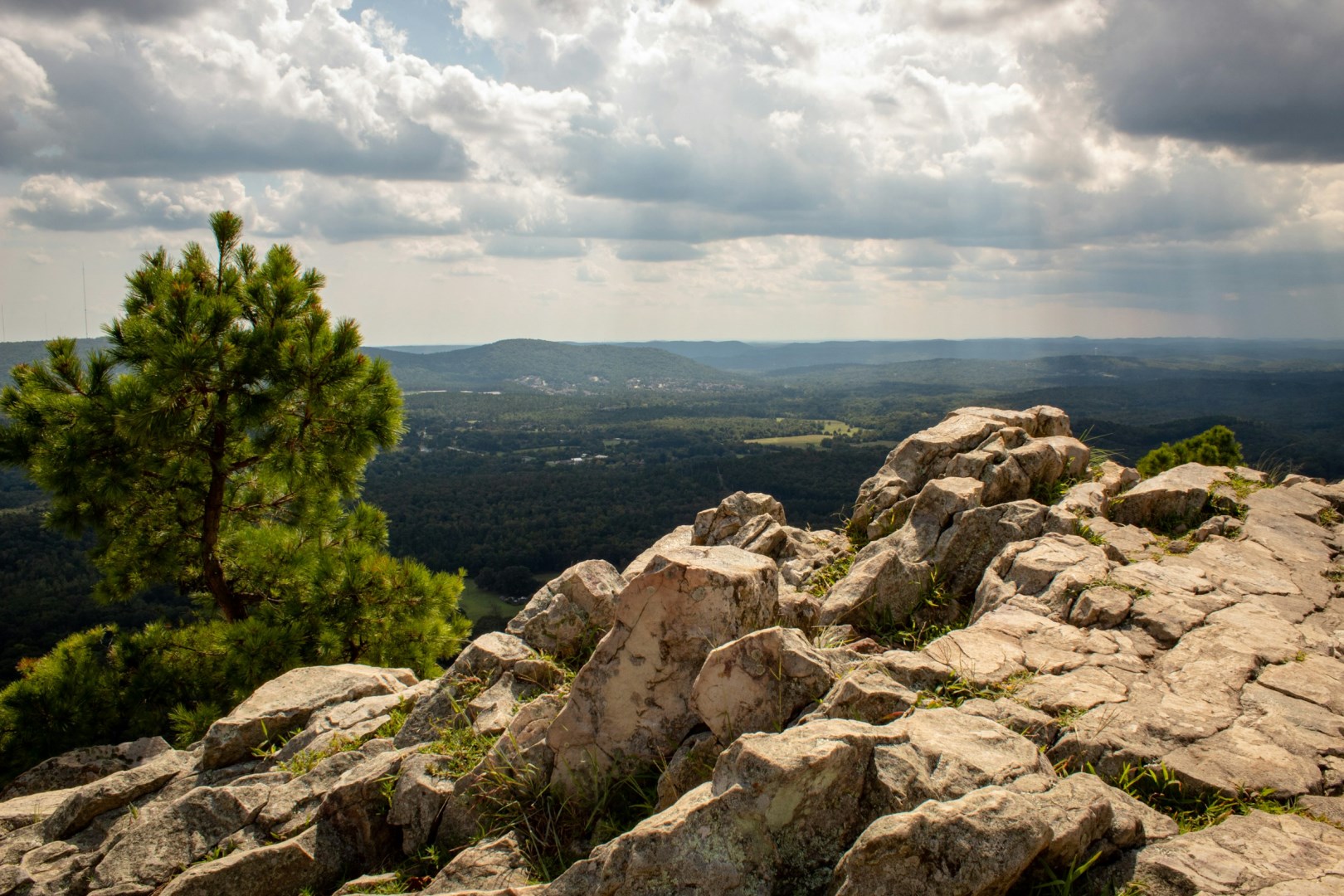
Pinnacle Mountain State Park
Pinnacle Mountain State Park is a protected recreation area west of Little Rock, Arkansas, centered on the distinctive summit of Pinnacle Mountain. The park covers more than 2,300 acres along the Arkansas River and combines forested slopes, rocky ridges, wetlands, and open river landscapes. Pinnacle Mountain rises above the surrounding Ouachita Mountain foothills and is one of the most recognizable natural landmarks near the state capital.
