
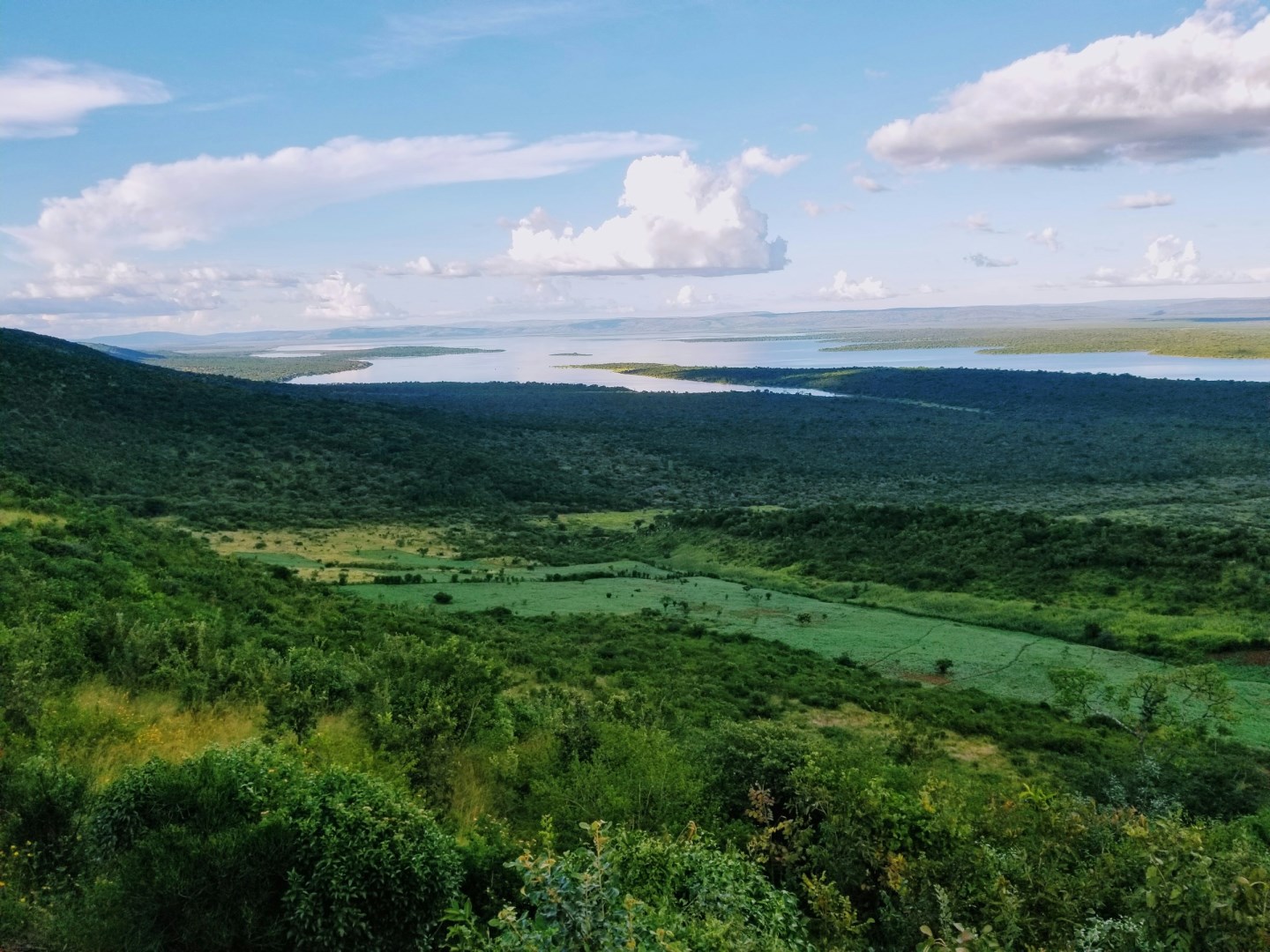
Akagera National Park
Akagera National Park occupies Rwanda’s northeastern corner along the border with Tanzania and is the country’s only protected savanna region. Its relatively low-lying landscape contains rolling hills, open grasslands, woodland, papyrus wetlands, and a chain of lakes connected by the Akagera River system.

Hallstatt
Nestled between the serene waters of Lake Hallstatt and the towering Dachstein mountains, Hallstatt, Austria, is a picturesque gem that seems almost too perfect to be real. This UNESCO World Heritage site is renowned for its stunning alpine scenery and charming architecture. Wander through the narrow streets lined with 16th-century houses and experience the timeless beauty that has captivated visitors for centuries.
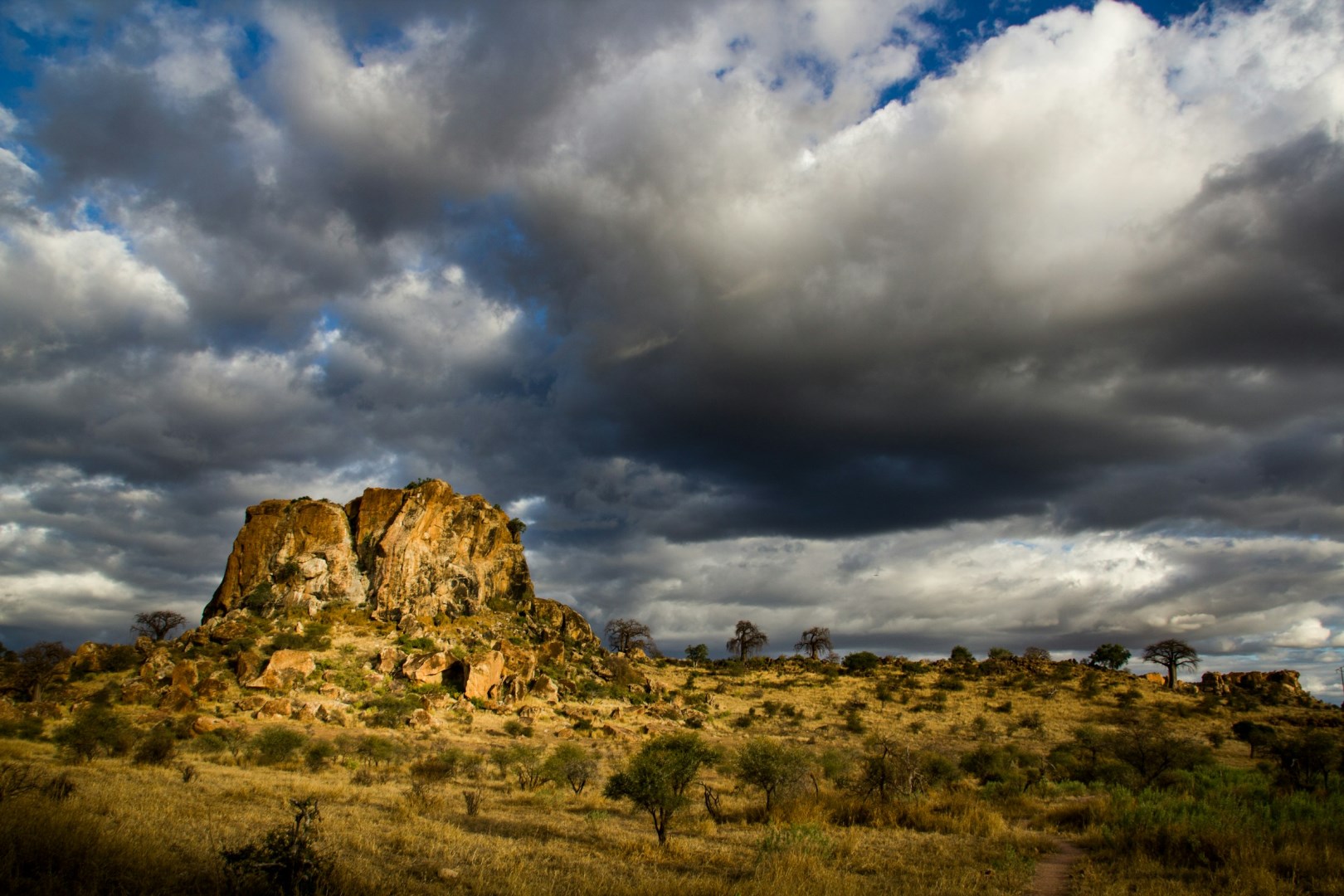
Mapungubwe National Park
Mapungubwe National Park lies in Limpopo province at the meeting point of the Limpopo and Shashe rivers, where South Africa borders Botswana and Zimbabwe. Its landscape combines open savanna, sandstone cliffs, baobab trees, riverine woodland, and rocky hills. The park forms part of the Mapungubwe Cultural Landscape, a UNESCO World Heritage Site recognized for its archaeological and cultural importance.
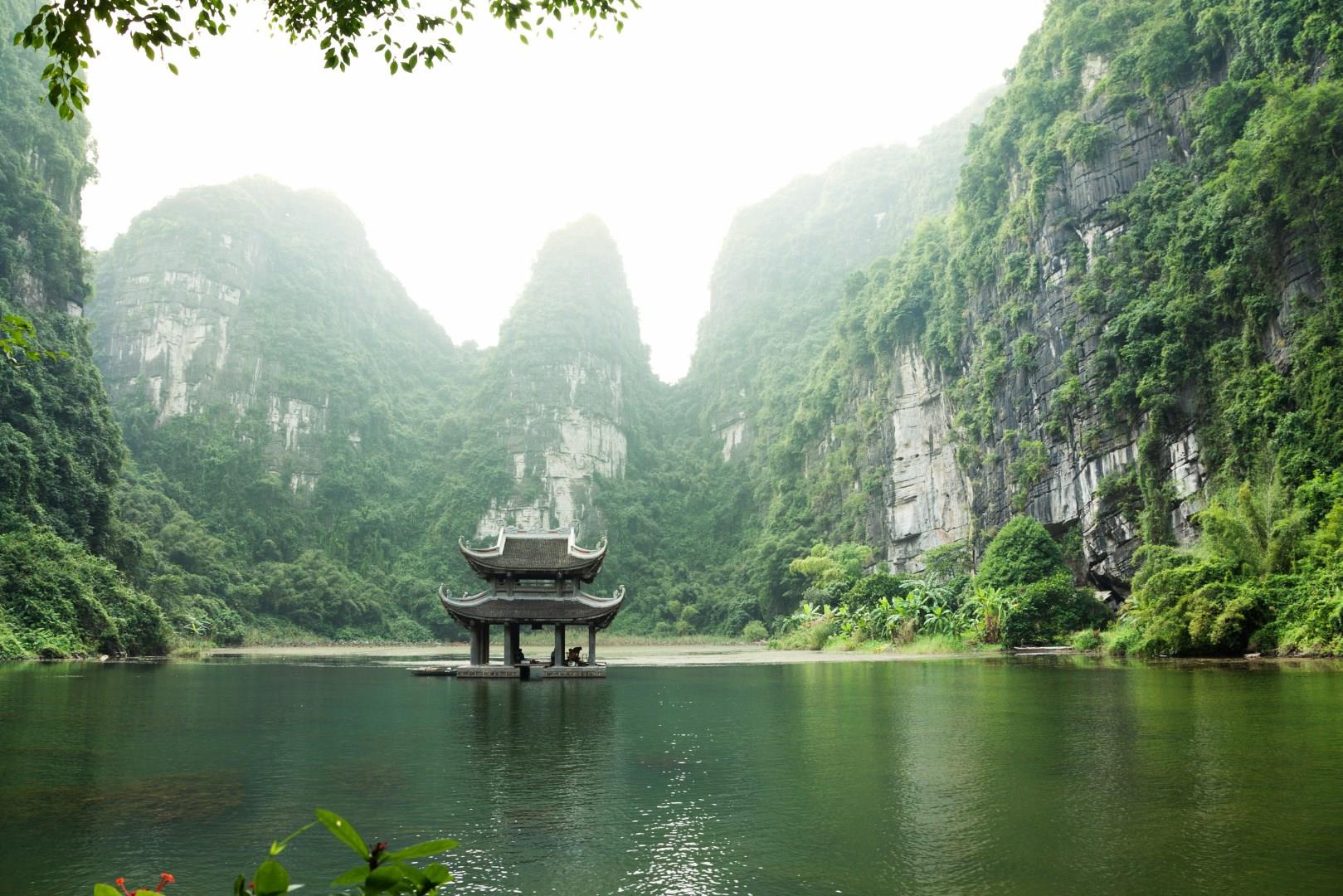
Ninh Binh
Ninh Binh, located about 100 kilometers south of Hanoi, offers a landscape shaped by limestone karsts, winding rivers, and flooded rice paddies. Often referred to as “Ha Long Bay on land,” the area is best explored by rowboat. At Trang An Scenic Landscape Complex, boat routes pass through caves, ancient pagodas, and valleys surrounded by towering cliffs. Local rowers often use their feet to paddle, an unusual technique that surprises many first-time visitors.
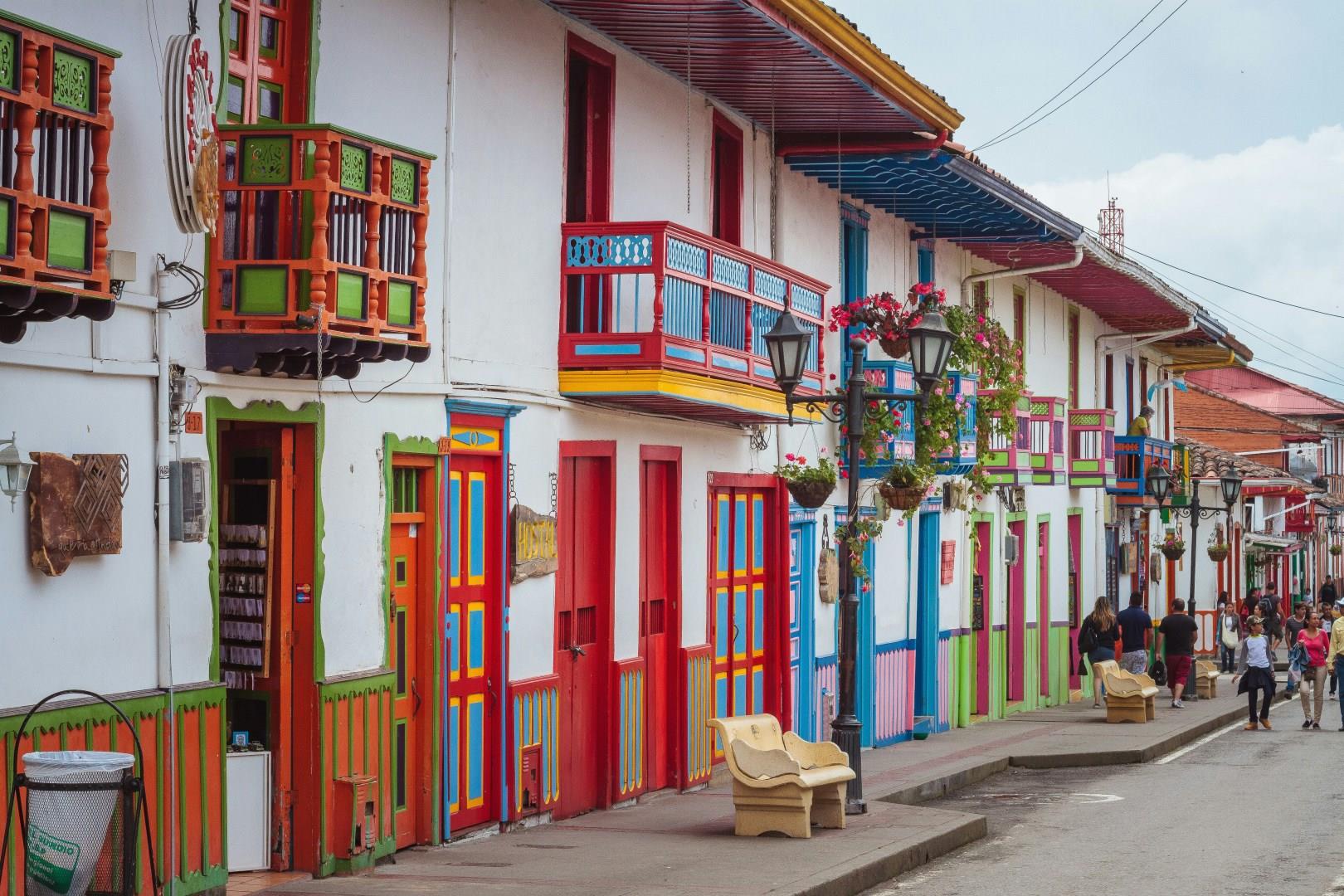
Salento
Salento is the sun-kissed peninsula at the southern tip of Italy’s Puglia region, where history, seaside views, and lively local customs create a destination unlike any other. Its coastline stretches between the Adriatic and Ionian seas, offering beaches with clear, turquoise water and soft sand at places like Torre dell’Orso, Punta Prosciutto, and Porto Cesareo, each with its own character and allure for visitors exploring the shore.
