
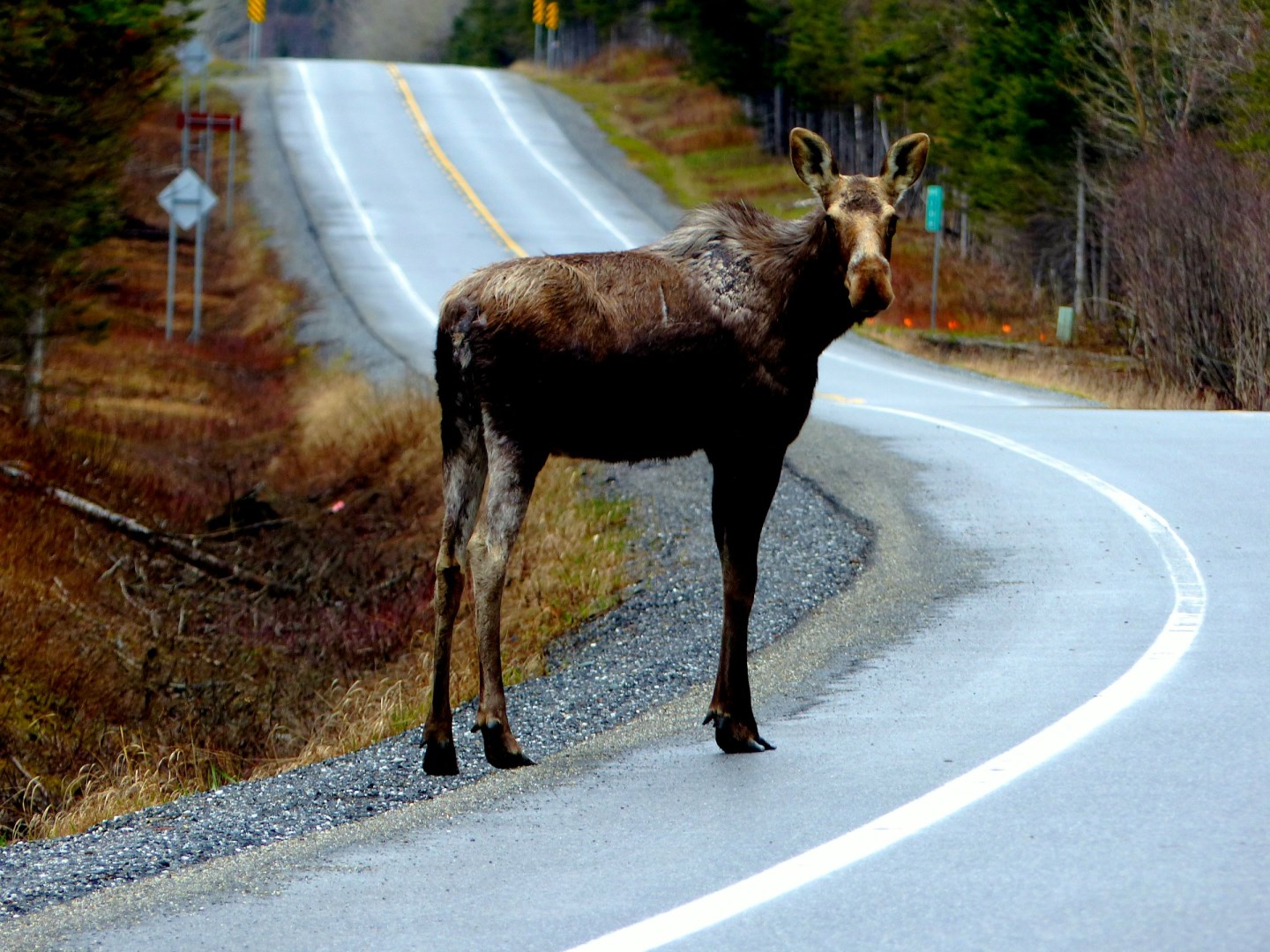
Gaspésie National Park
Gaspésie National Park lies in the heart of Quebec's Gaspé Peninsula, protecting more than 800 square kilometres of mountains, forests, rivers, and alpine environments. The park encompasses parts of the Chic-Choc and McGerrigle mountain ranges, including more than 25 peaks rising above 1,000 metres.
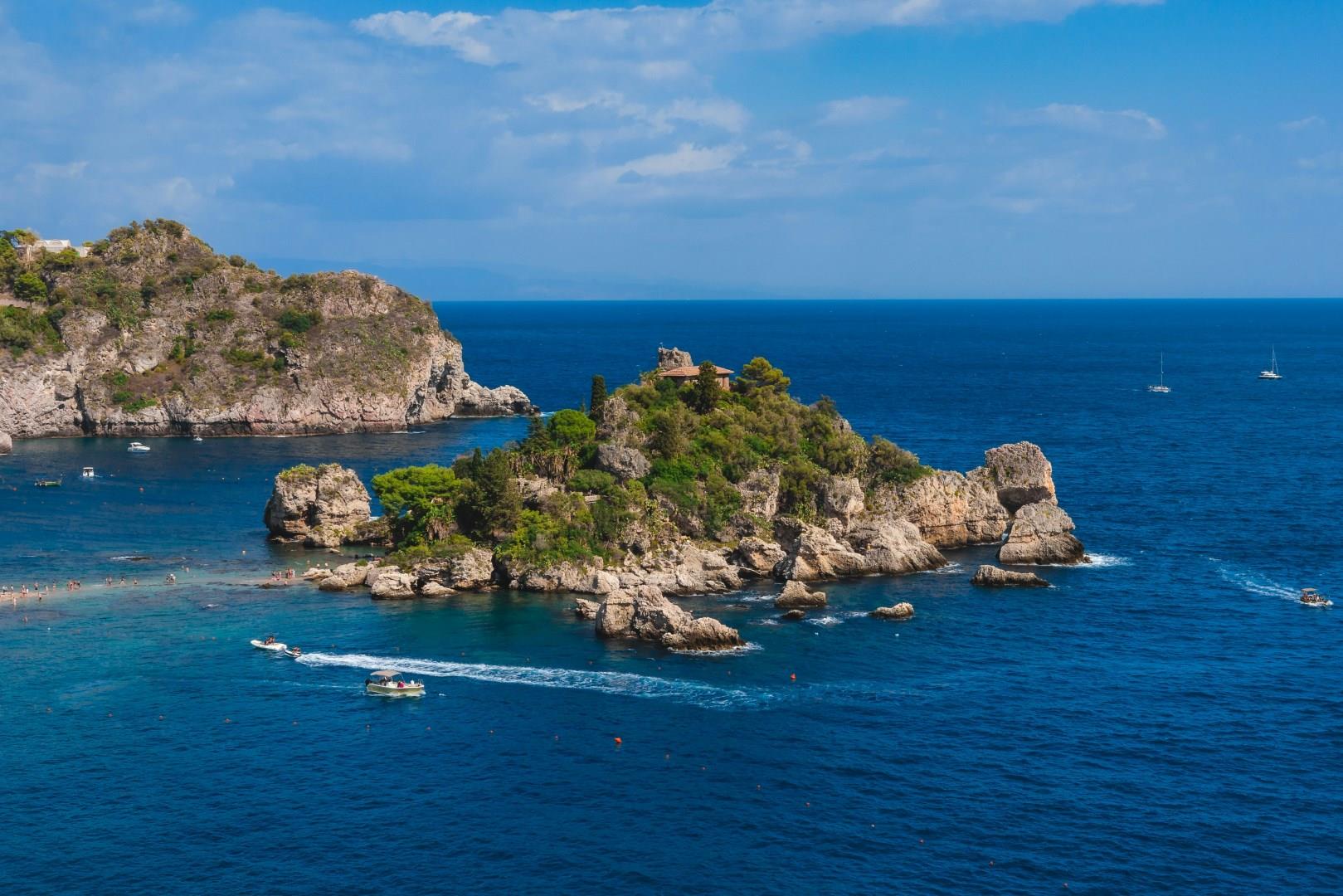
Isola Bella
Isola Bella sits on Lake Maggiore as part of the Borromean Islands, closely tied to the ambitions of the Borromeo family who reshaped the rocky outcrop in the 17th century.
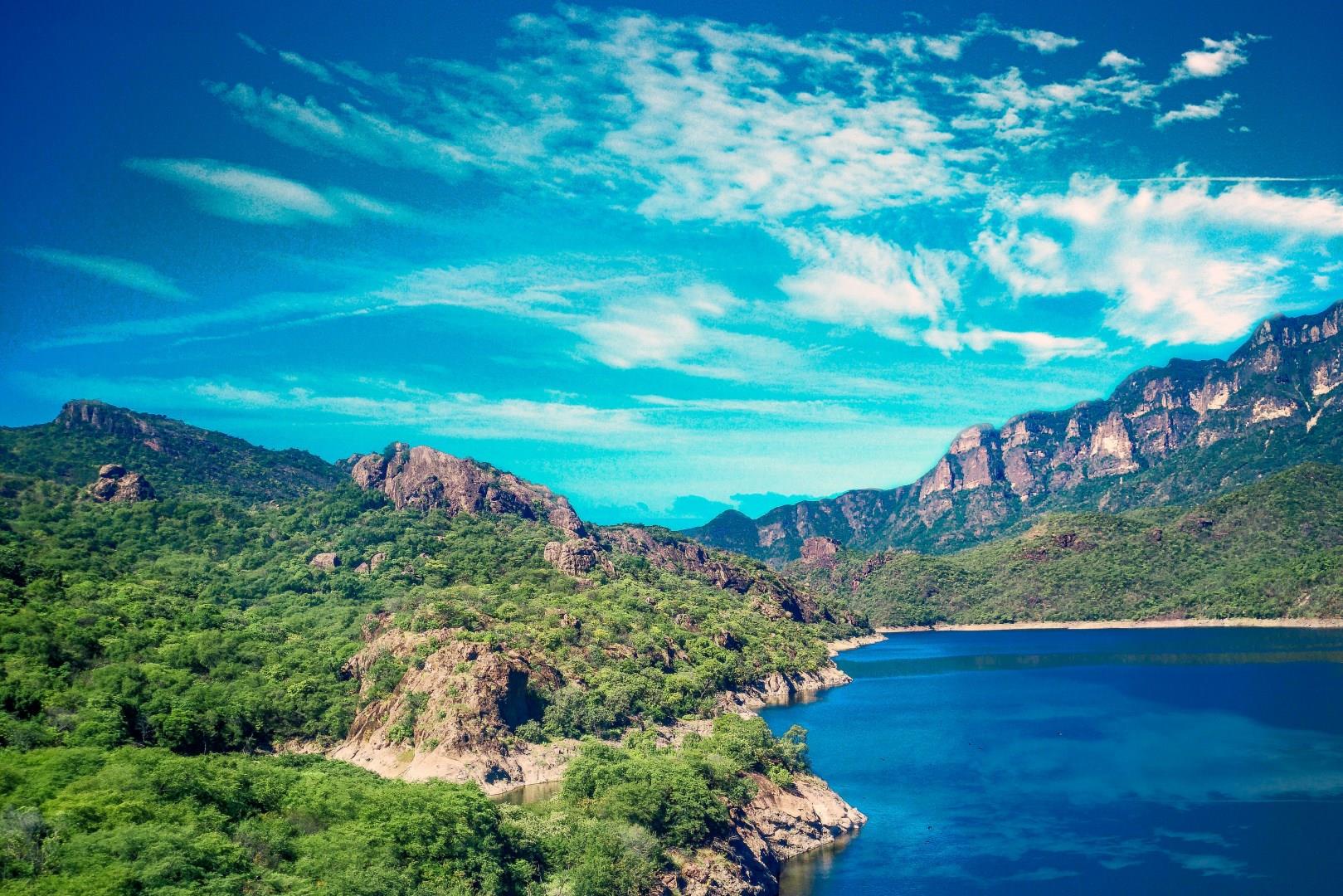
Sinaloa
Sinaloa, in Northwest Mexico, comprises 18 municipalities, and Culiacán Rosales serves as its capital. It is located opposite Baja California Sur, across the Gulf of California.
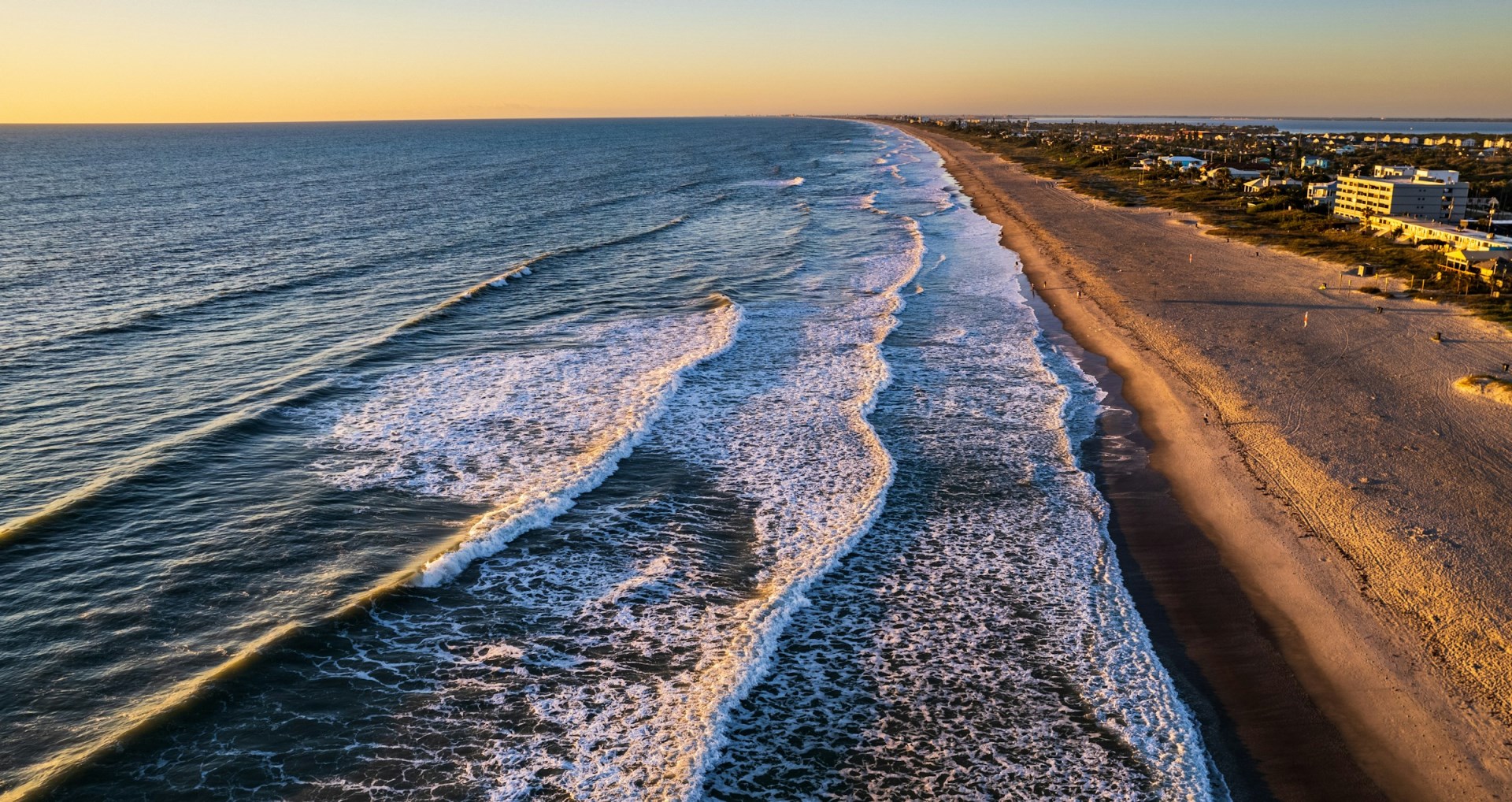
Cocoa Beach
Cocoa Beach is a barrier-island community on Florida’s central Atlantic coast, located east of the Indian River Lagoon and just south of Cape Canaveral. The city is closely associated with surfing, beach recreation, and the nearby Kennedy Space Center, while its compact streets lead quickly from residential areas and restaurants to the Atlantic shoreline. The beach itself stretches along a broad, sandy coast, and the city’s position between the ocean and lagoon provides opportunities for swimmin

Dijon
Dijon is the capital of the Burgundy region in eastern France and a city renowned for its rich history, architectural beauty, and, of course, its world-famous mustard. With the city's origins dating back to Roman times, Dijon boasts an impressive array of historical sites, including the Église Notre-Dame and Palais des Ducs, one of France's most outstanding museums of fine arts.
