
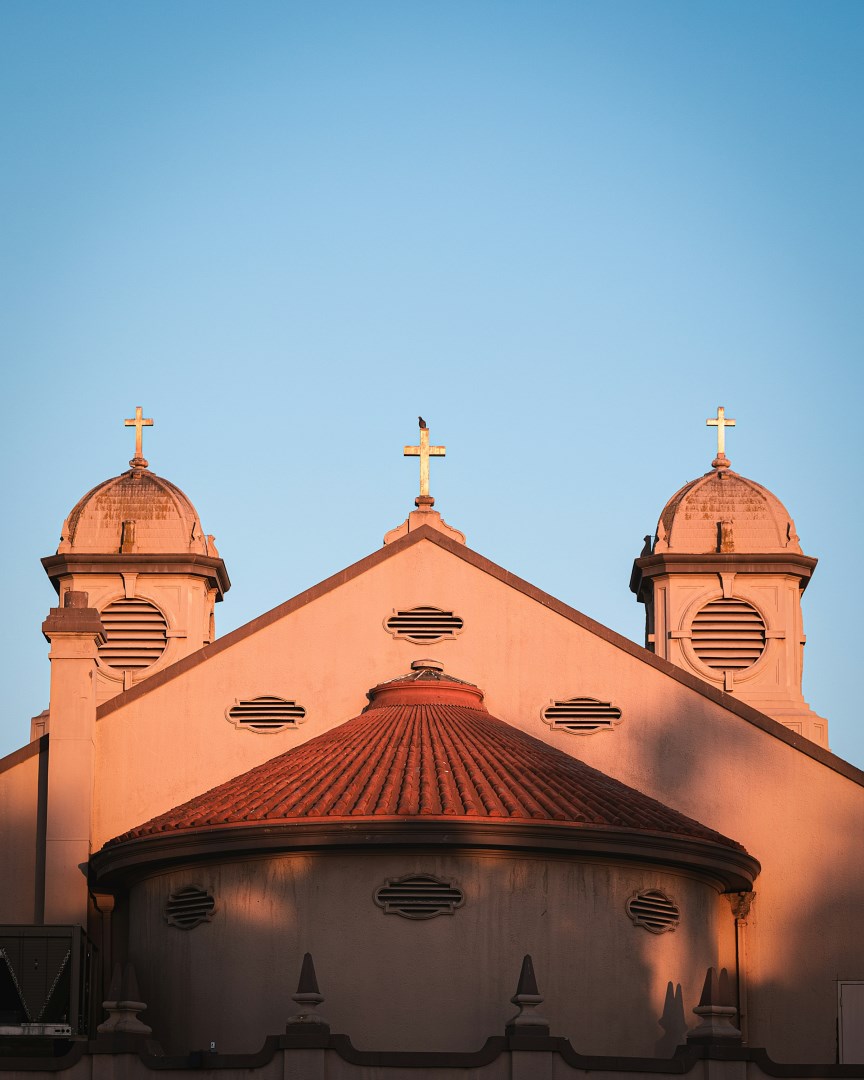
Modesto
Modesto is a city in California’s Central Valley, located along the Tuolumne River between the Sierra Nevada and the Coast Range. The city is surrounded by some of the state’s most productive agricultural land, with orchards, vineyards, dairies, and fields extending across the surrounding countryside. Modesto’s urban center includes historic neighborhoods, downtown businesses, parks, and cultural venues, while the Tuolumne River provides a natural corridor through the region.

Outer Banks
The Outer Banks are a long chain of narrow barrier islands along the coast of North Carolina, separated from the mainland by broad sounds and connected by bridges and ferries. Communities including Corolla, Duck, Kitty Hawk, Kill Devil Hills, Nags Head, Manteo, Hatteras, and Ocracoke each have distinct settings and local traditions. The landscape is shaped by ocean waves, shifting sand, wind, and storms, creating wide beaches, dunes, marshes, maritime forests, and tidal inlets.
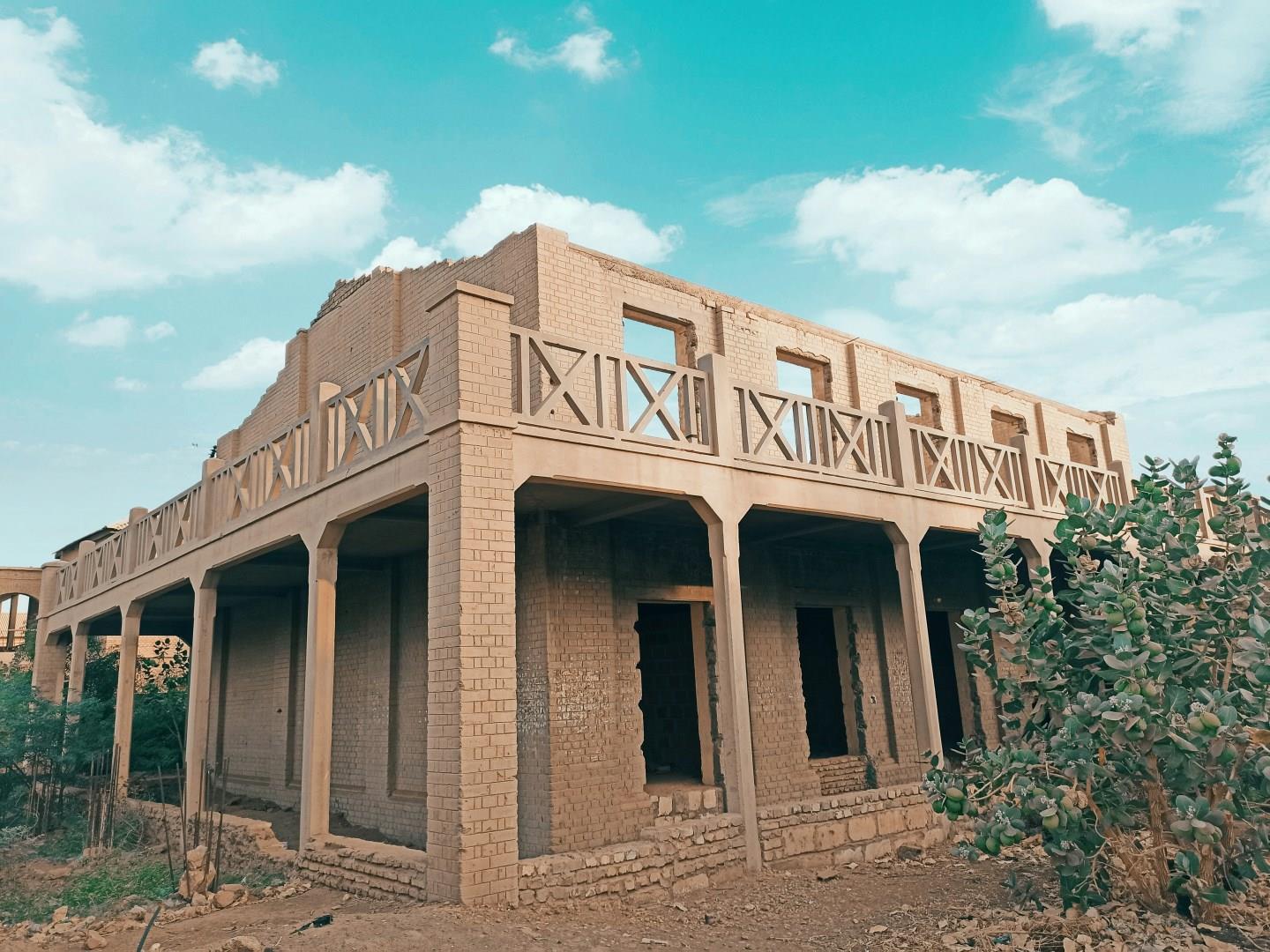
Sudan
Sudan, located in northeastern Africa, is a country of diverse landscapes, from the vast Sahara Desert in the north to the fertile Nile Valley in the center. The Nile River, one of the world’s longest, runs through the country, shaping both its agriculture and history.
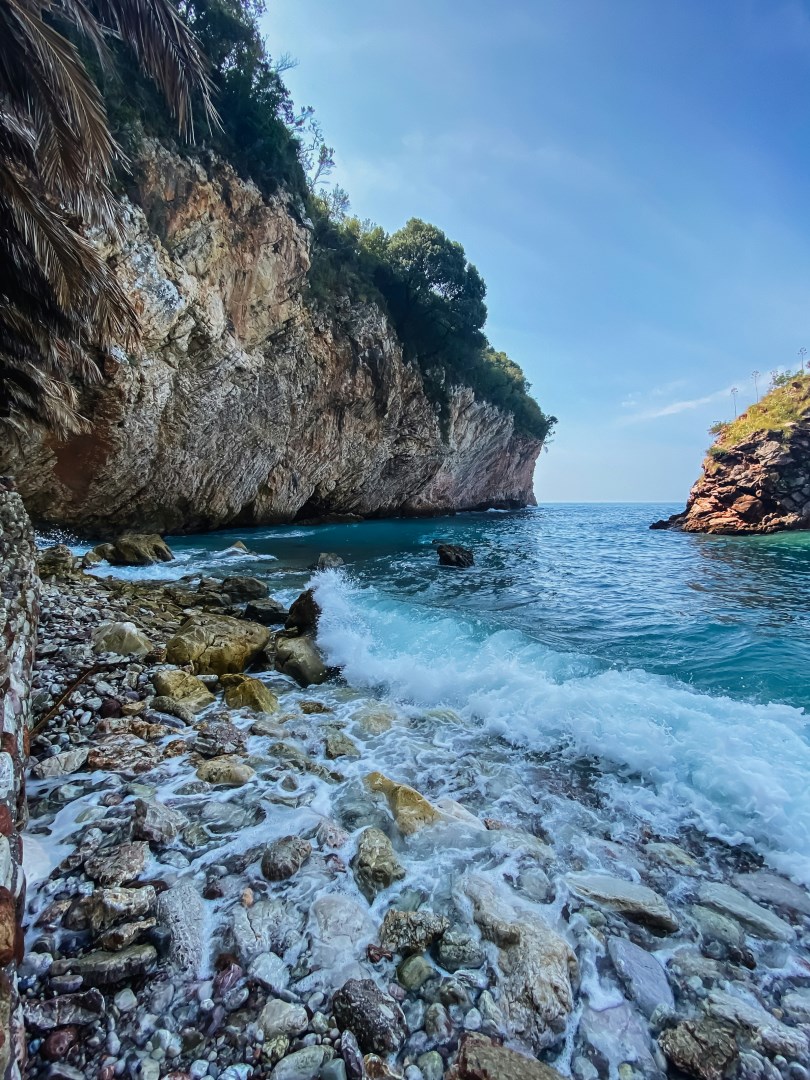
Adriatic Sea
The Adriatic Sea, a stunning crescent-shaped expanse of turquoise water between the Italian Peninsula and the Balkan Peninsula, offers a captivating destination for travelers seeking both natural beauty and rich history. Stretching from the Gulf of Trieste in the north to the Gulf of Kotor in the south, this Mediterranean gem is renowned for its crystal-clear waters, charming coastal towns, and diverse marine life. The pristine beaches of Croatia's Dalmatian Coast and Montenegro's Bay of Kotor p

Bernkastel
Timbered homes and winemaking are some of the defining characteristics of Bernkastel-Kues.
