

Amsterdam
Amsterdam, the 17th century capital of Holland, is often called the "Venice of the North" due to its numerous, boat-navigable canals. Truly rich in history, the oldest part of this populous, multicultural city is Sloten, which dates all the way back to the 9th century.

Constanta
Almost every modern scene in Constanta, Romania, is juxtaposed against 4th century Roman relics.

Endicott Arm
Whether witnessing the thunderous calving of Dawes Glacier, spotting orcas gliding through the water, or simply taking in the serenity of the fjord, a journey through Endicott Arm is a remarkable encounter with one of Alaska’s most stunning landscapes.

Aruba
Aruba, the “One Happy Island,” blends Caribbean charm with a distinct Dutch influence that shapes its culture, cuisine, and colorful architecture. Located just outside the hurricane belt, it enjoys year-round sunshine, making it a favorite destination for travelers seeking both relaxation and adventure.
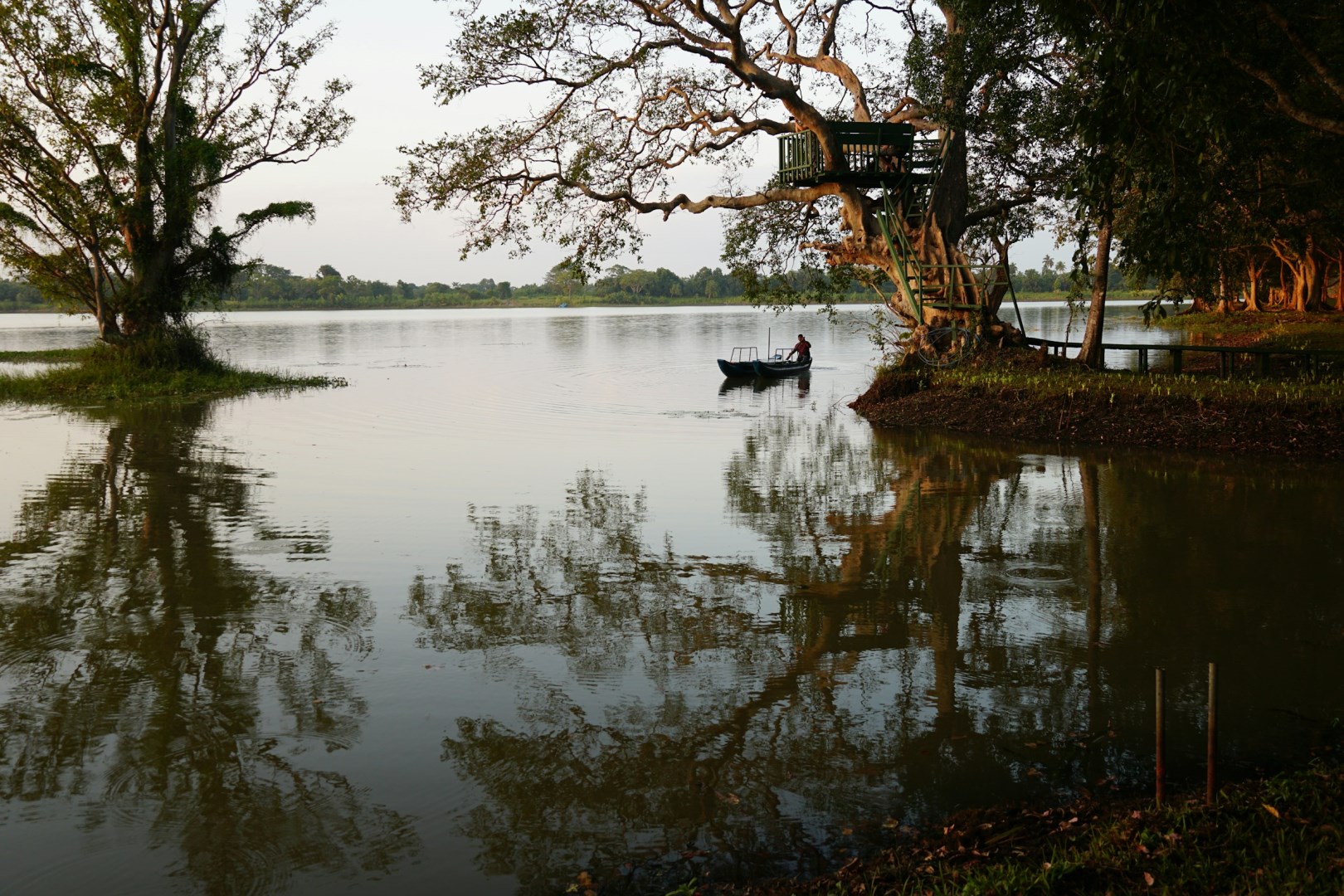
Habarana
Habarana is a small town in Sri Lanka’s North Central Province and an important base for exploring the island’s Cultural Triangle. Set among dry-zone forest, lakes, and open countryside, it provides access to several major heritage and wildlife sites. Sigiriya, Polonnaruwa, Dambulla, and Anuradhapura are all within reach, while the town itself has developed accommodation and services for visitors traveling between these destinations.
