
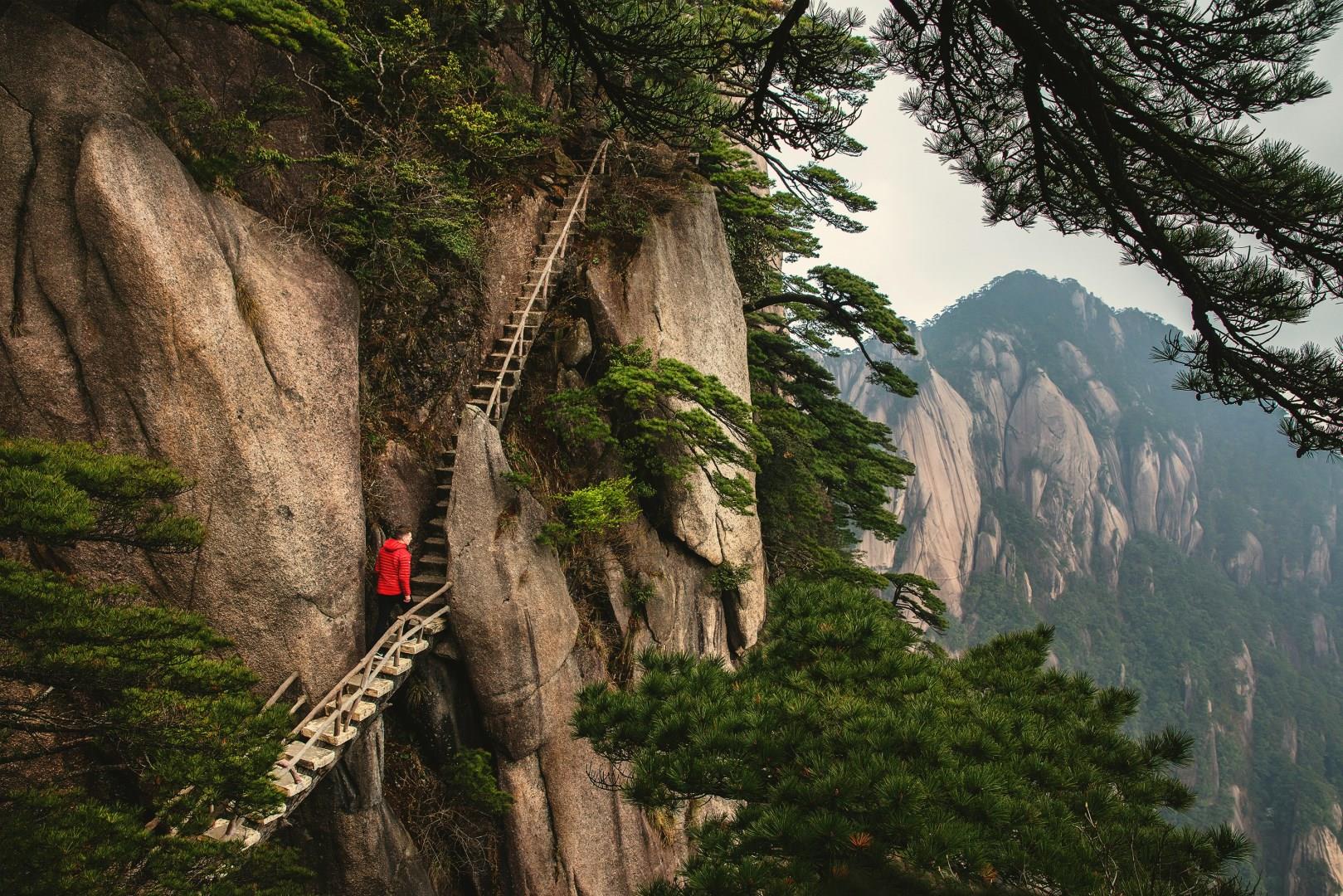
Huangshan
Huangshan, also known as the Yellow Mountains, is one of China’s most iconic and culturally significant mountain landscapes.
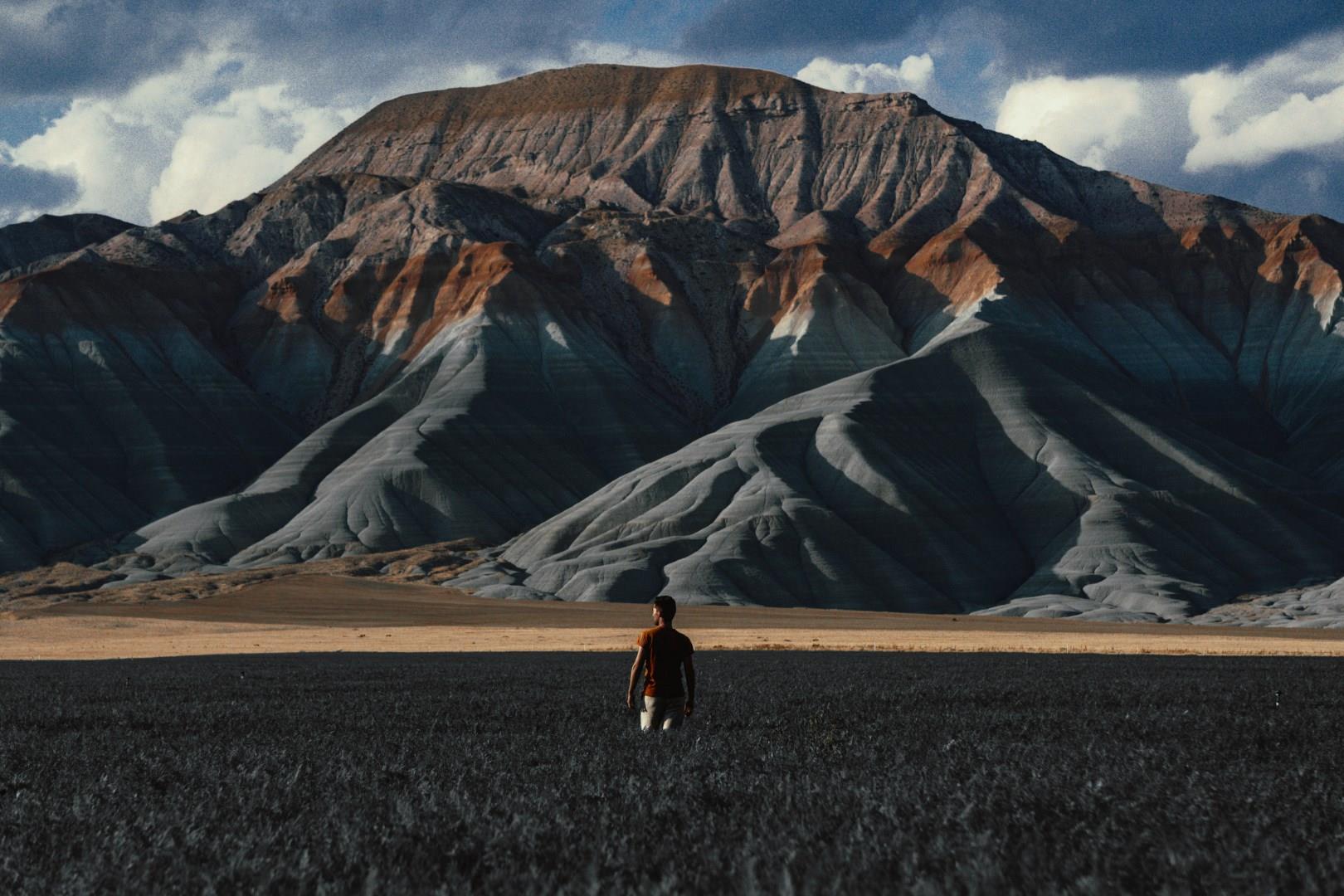
Ankara
Ankara, the capital of Turkey, sits on the Anatolian plateau and reflects the country’s layered history more quietly than Istanbul, yet with equal depth. Once an important settlement for the Hittites, Phrygians, Romans, and Byzantines, Ankara rose to national prominence in the 20th century when Mustafa Kemal Atatürk chose it as the heart of the modern Turkish Republic. Today, it functions as Turkey’s political center while preserving traces of its ancient and Ottoman past.

Ishasha
Ishasha, a hidden gem in southwestern Uganda, offers travelers a serene yet thrilling experience within Queen Elizabeth National Park. Known for its famous tree-climbing lions, this remote section of the park attracts wildlife enthusiasts eager to witness these majestic creatures lounging in the branches of fig and acacia trees. The landscape of Ishasha is stunning, with vast savannahs stretching out towards the horizon, dotted with rivers that attract herds of elephants, buffalo, and antelopes.
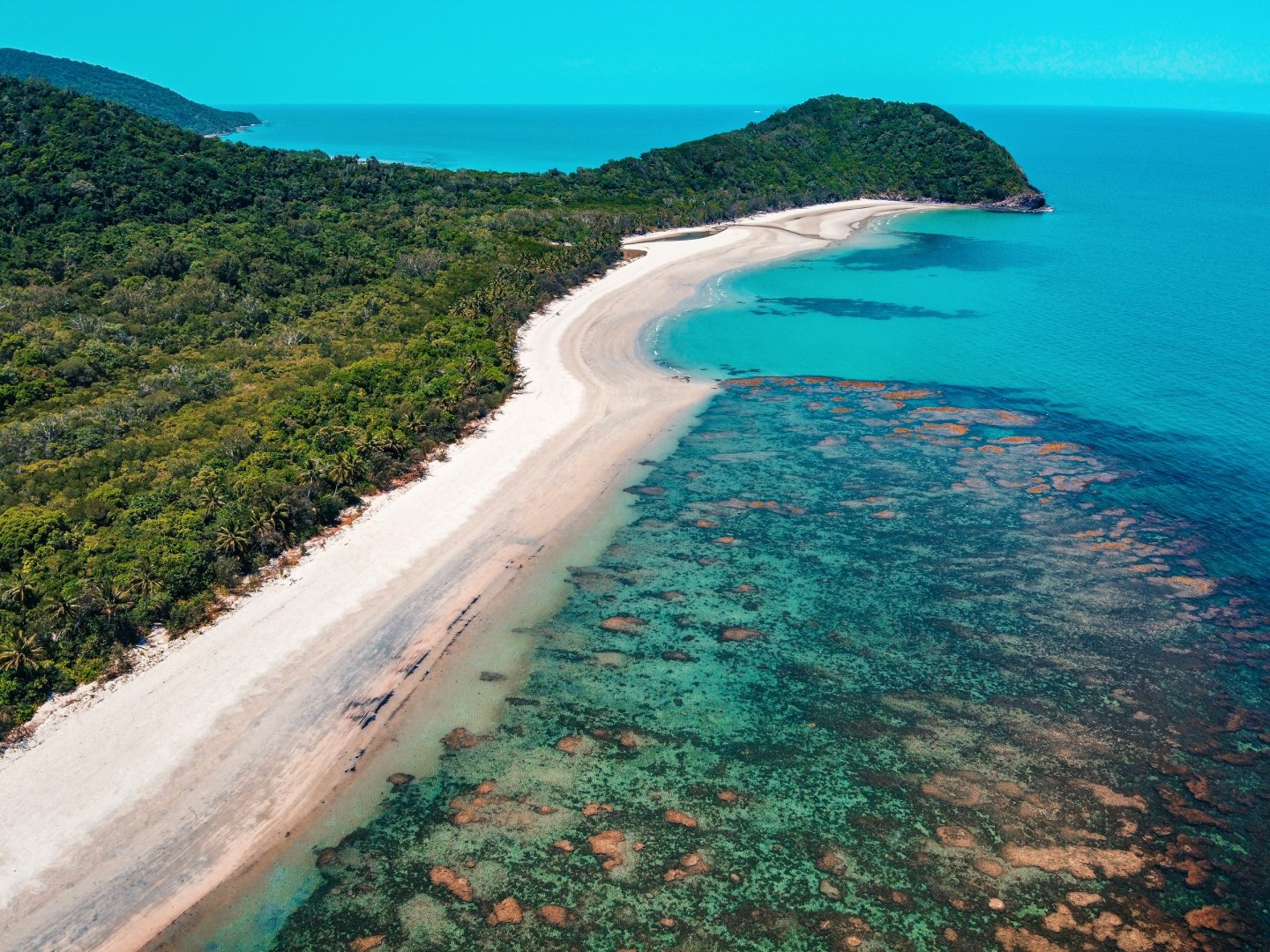
Cape Tribulation
The largest virgin tract of rainforest in Australia (and the second largest in the world), this lush, tropical World Heritage area is a living testimonial to the ancient rainforests which once covered the earth's surface. Cool forest streams, primitive rainforests, stunning mountain scenery and abundant wildlife - a naturalists and bird watchers paradise.
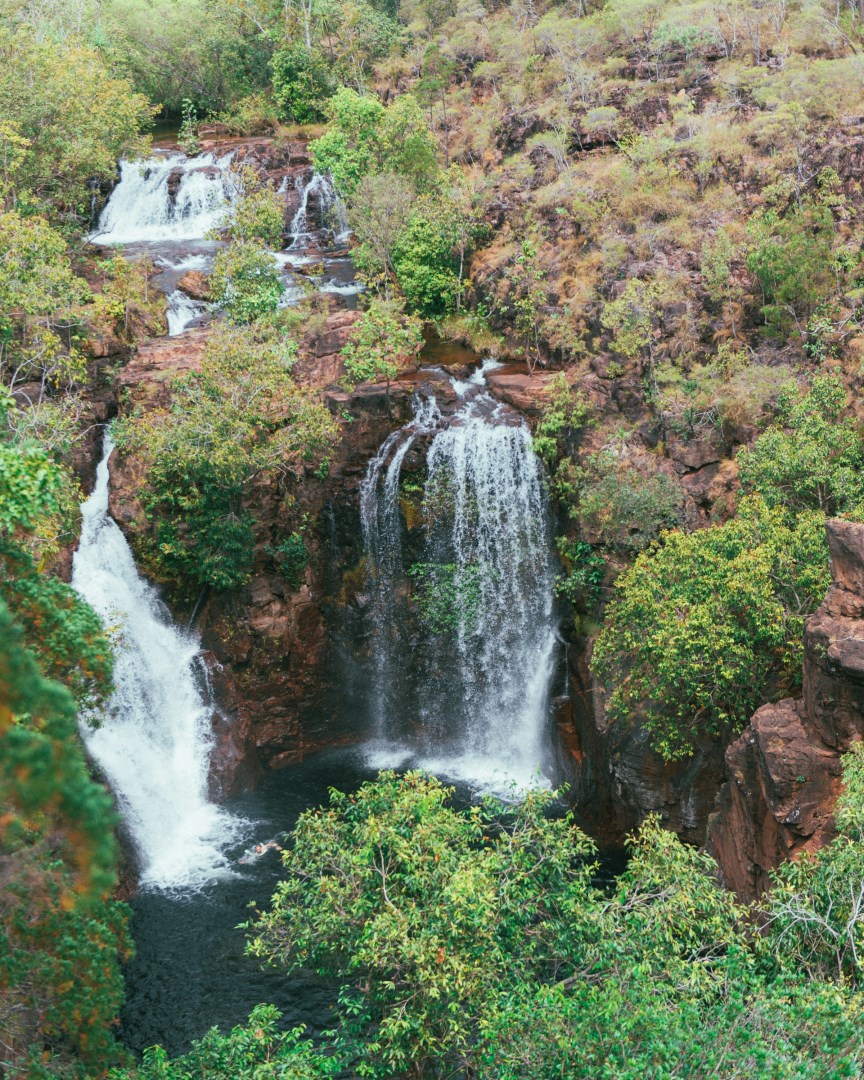
Karijini National Park
Wander through red gorges, swim in clear rock pools, and stand beneath spectacular waterfalls. It is an awe-inspiring journey into the rugged heart of the outback.
