
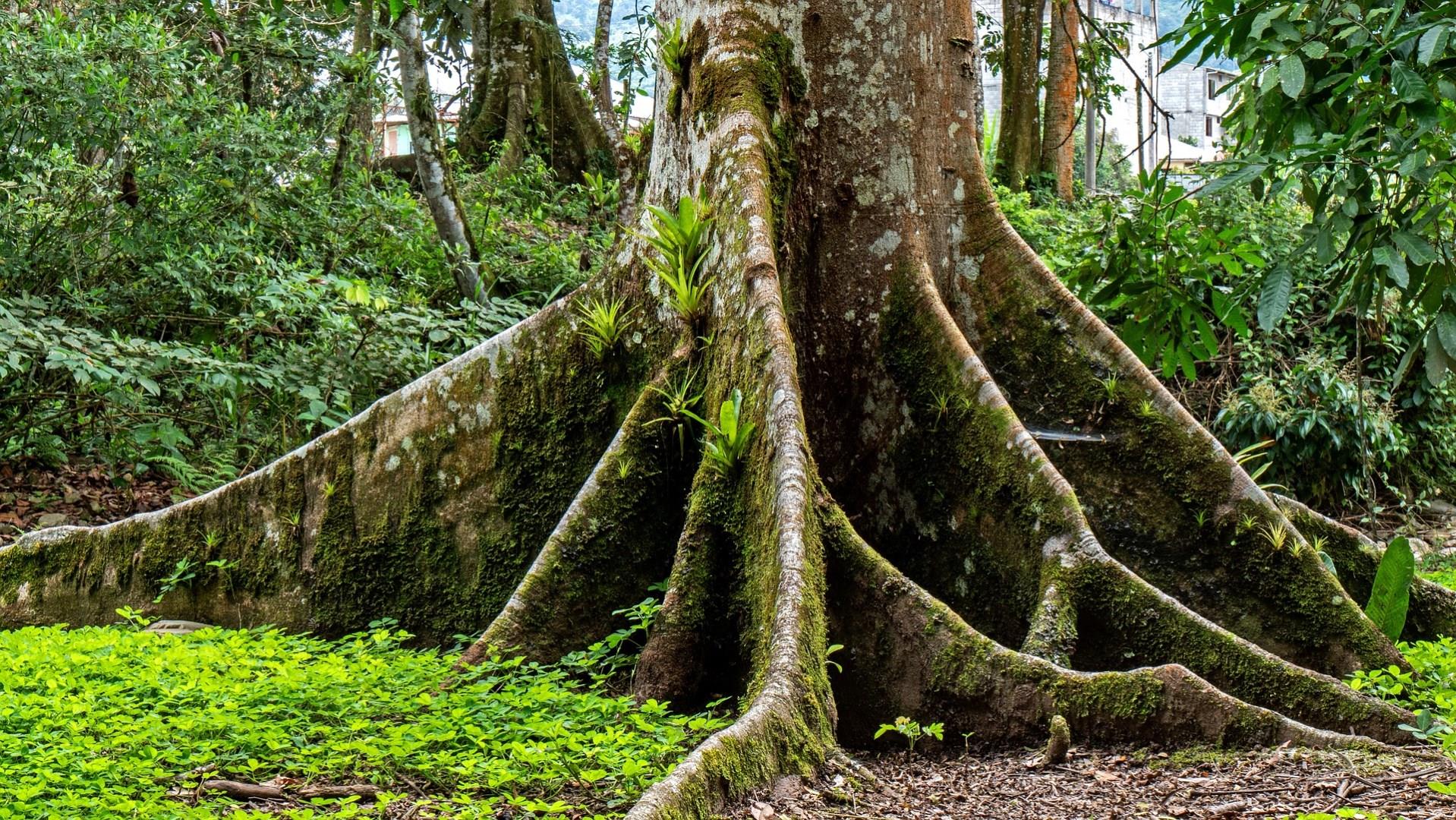
Ecuador
In the heart of South America, Ecuador offers a compact yet astonishingly diverse experience for travelers. From the cobbled streets of Quito’s historic center to the vibrant Afro-Ecuadorian rhythms of Esmeraldas, the country pulses with stories waiting to be discovered. Just a short drive away, visitors can stand on the equator line at the “Mitad del Mundo” and participate in engaging experiments that demonstrate the planet’s gravitational quirks.
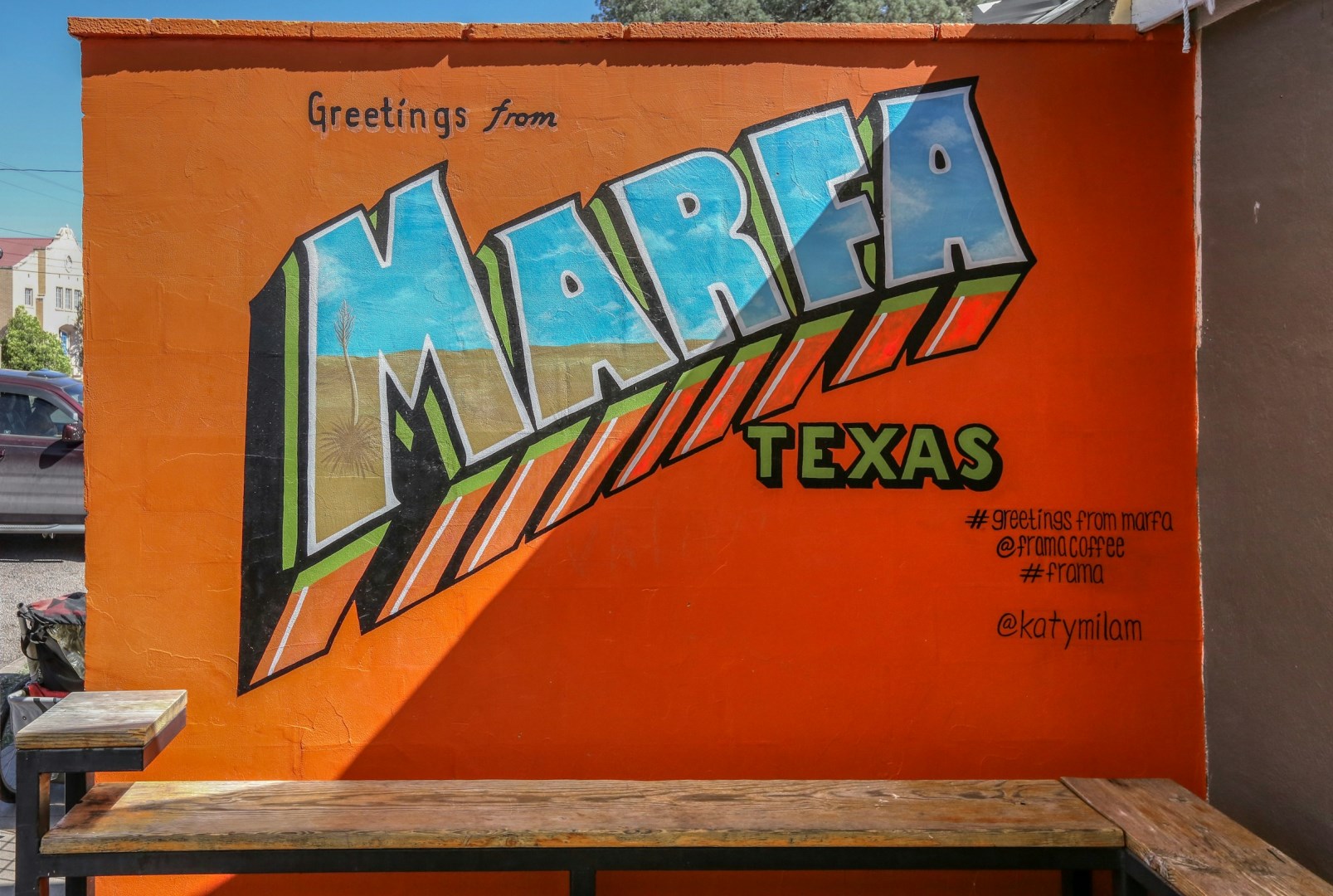
Marfa
This desert city in west Texas might be small in size, but it is big in arts! As an arts hub, founded by artist Donald Judd, it features both huge outdoor, and indoor, installations on an old army base. Whether you are looking for traditional, or quirky, in your art, Marfa has it.

Rhine River
Whether cruising along its waters, exploring historic towns, or simply soaking in the scenic views, the Rhine River offers an experience that is as diverse as the countries it passes through.
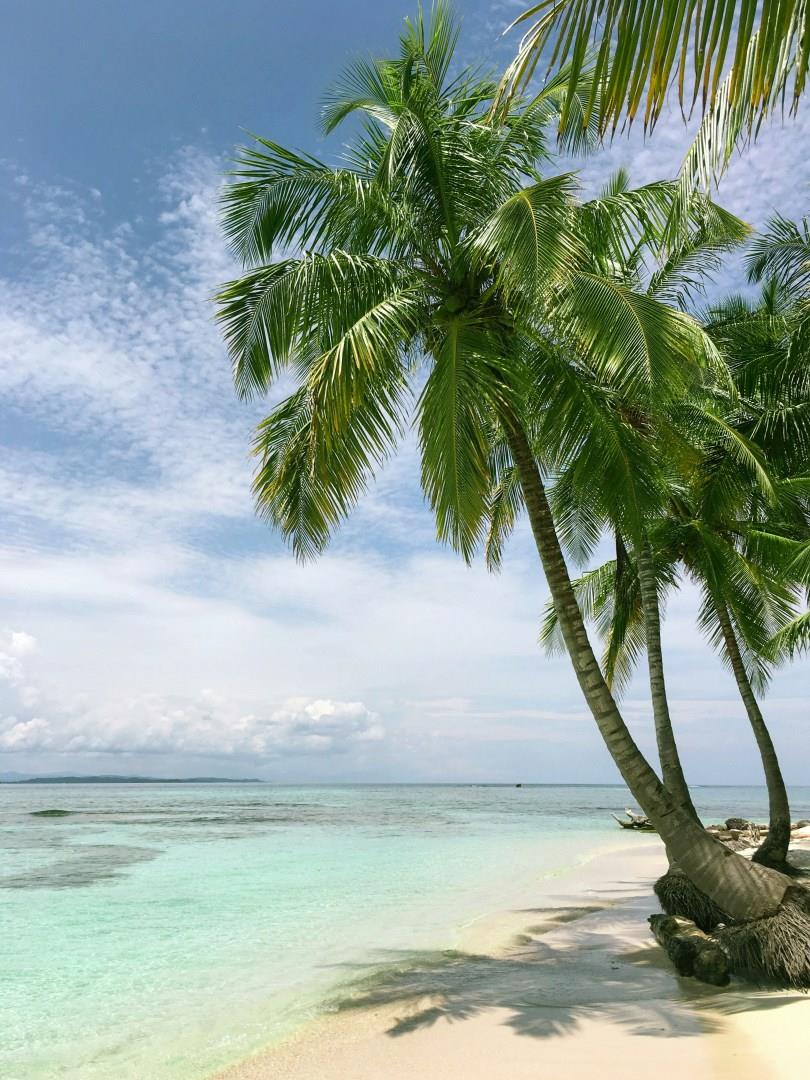
San Blas
San Blas, Panama, known locally as Guna Yala, is a paradise of untouched beauty and indigenous culture, nestled along Panama's Caribbean coast. Comprising an archipelago of over 365 islands, San Blas offers a new adventure for every day of the year. Crystal-clear turquoise waters, pristine white sand beaches, and coral reefs teeming with marine life make it a haven for snorkeling, diving, and sailing enthusiasts.
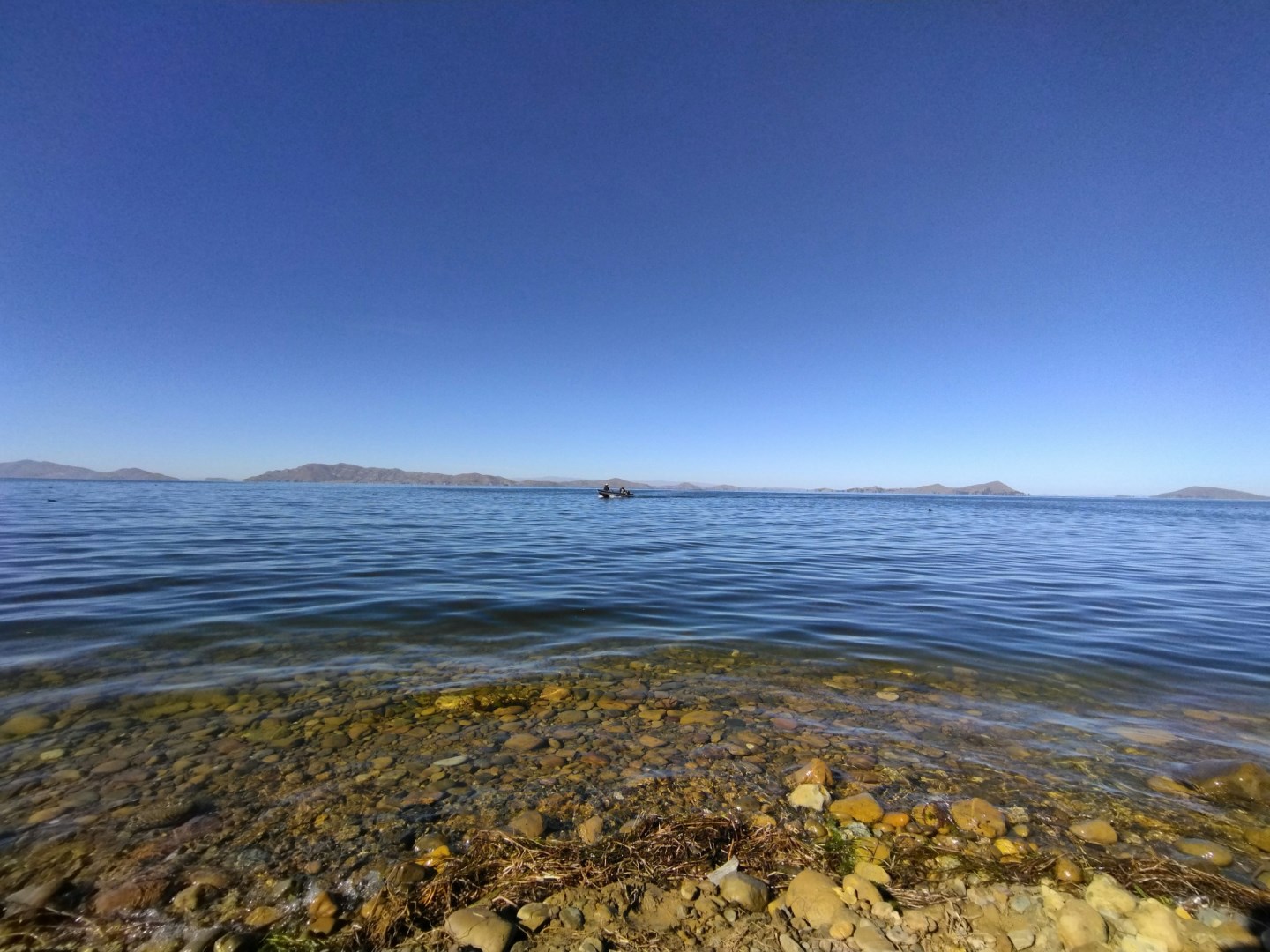
Huatajata
Huatajata is a serene lakeside village on the Bolivian shore of Lake Titicaca, the world’s highest navigable lake. Surrounded by the majestic Andes, this small community offers a peaceful atmosphere with stunning views of shimmering blue waters and distant snowcapped peaks.
