

Mahé Island
Mahé Island is the largest and most culturally central island in the Seychelles, home to the capital city of Victoria and the majority of the country’s population.

Canada
Canada spans an immense and diverse landscape, offering experiences that range from cosmopolitan city life to some of the most pristine wilderness on Earth.
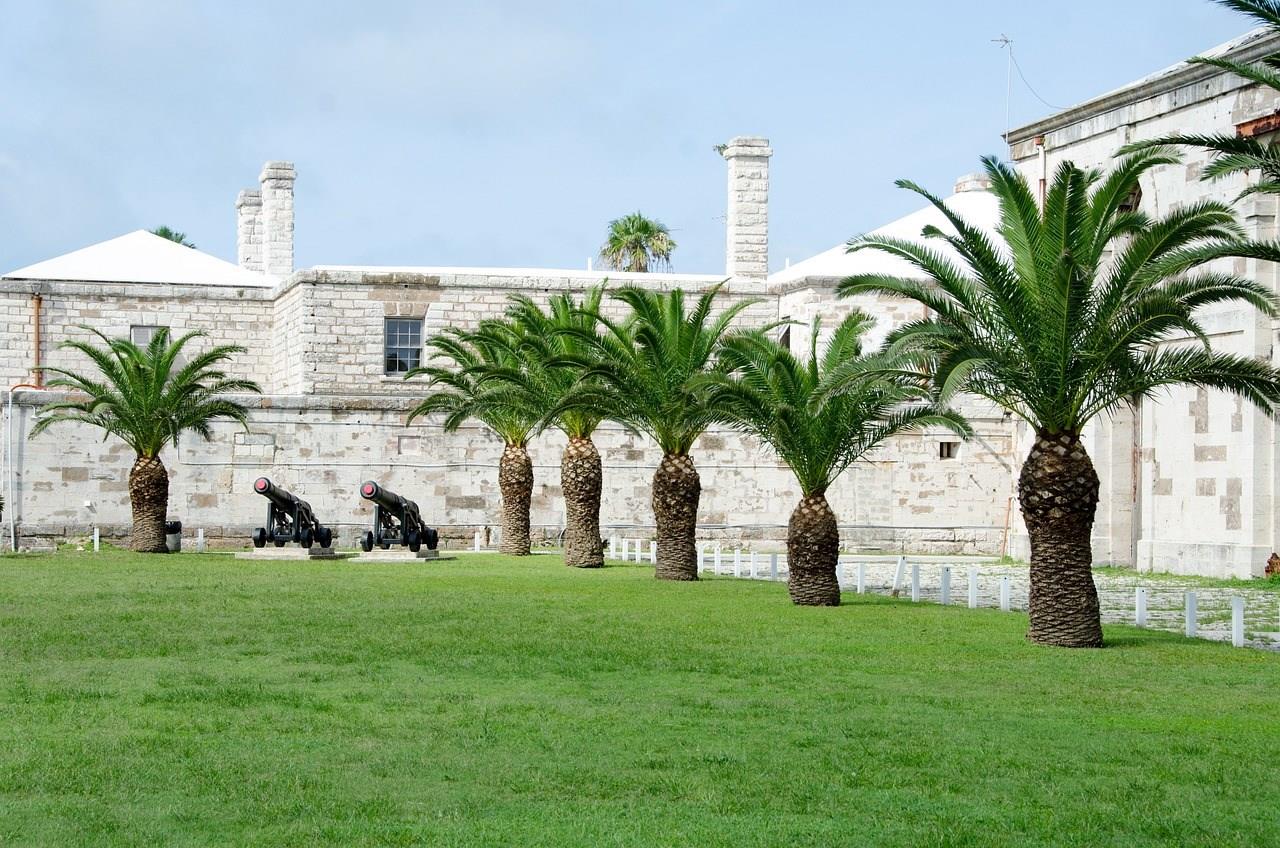
Royal Naval Dockyard
The Royal Naval Dockyard in Bermuda stands as a testament to the island's maritime history and naval heritage. Located at the western tip of Bermuda, this historic site was once a major naval base for the British Royal Navy and is now a thriving hub of culture, history, and tourism. The Dockyard's impressive buildings, including the Commissioner's House and the historic fortifications, offer a glimpse into Bermuda's naval past.

Nijmegen
Whether exploring ancient ruins or strolling through its modern city center, visitors will find plenty to discover in Nijmegen, the oldest city in the Netherlands.
Lighthouse Reef
This natural reef and its uninhabited islands are home to one of the natural wonders of Belize, the Blue Hole. An underwater shaft that drops from a ten-foot-deep lagoon, it opens into a series of elaborate, stalactite-filled caverns. A true diver's paradise!
