
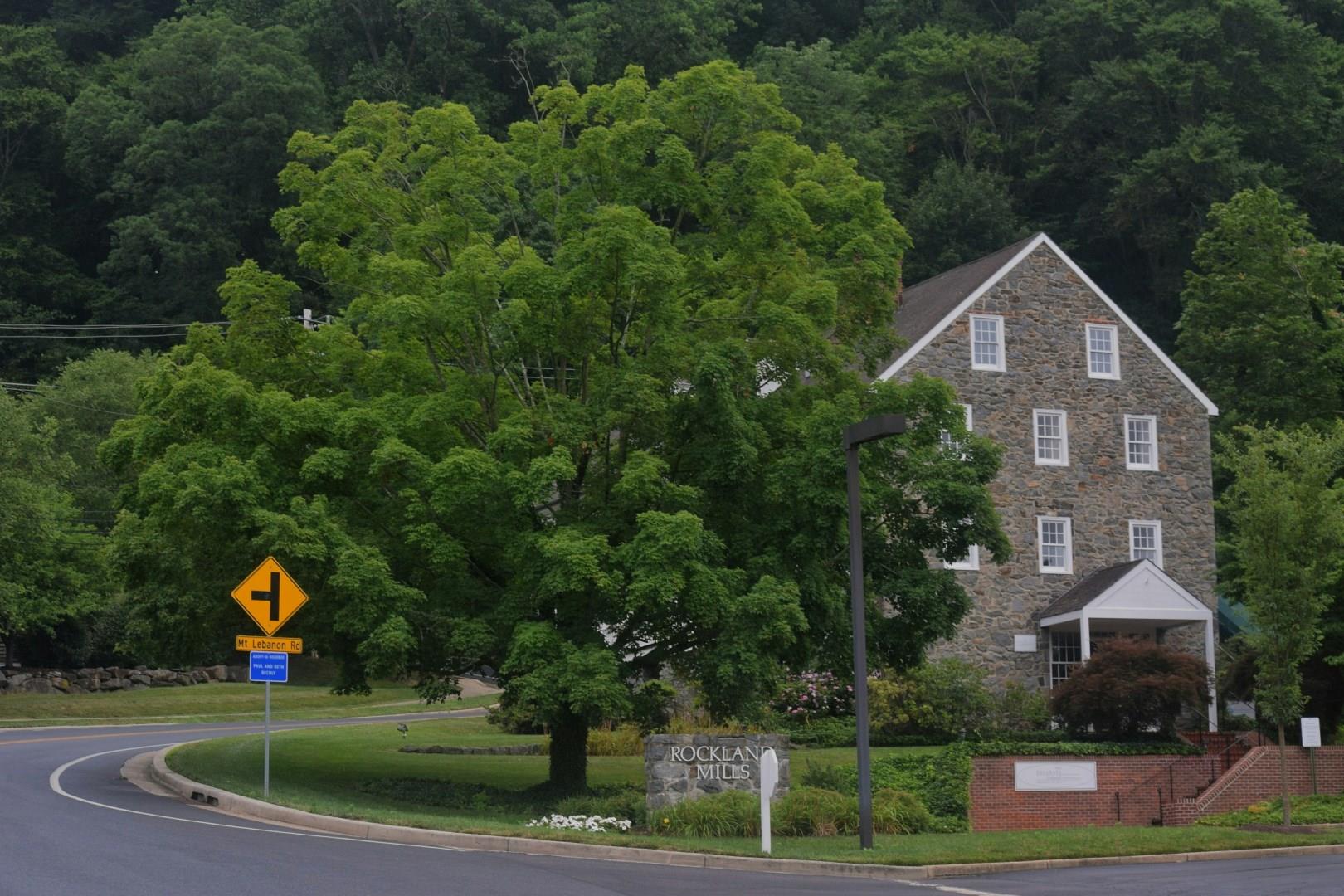
Wilmington
Wilmington, Delaware, offers a dynamic blend of history, culture, and natural beauty, making it a compelling destination for travelers. Situated along the scenic Christina River, Wilmington is home to a variety of attractions that range from historical landmarks to vibrant arts districts. One of the city’s most significant historical sites is the Hagley Museum and Library, which showcases the legacy of the DuPont family and their role in America’s industrial revolution.
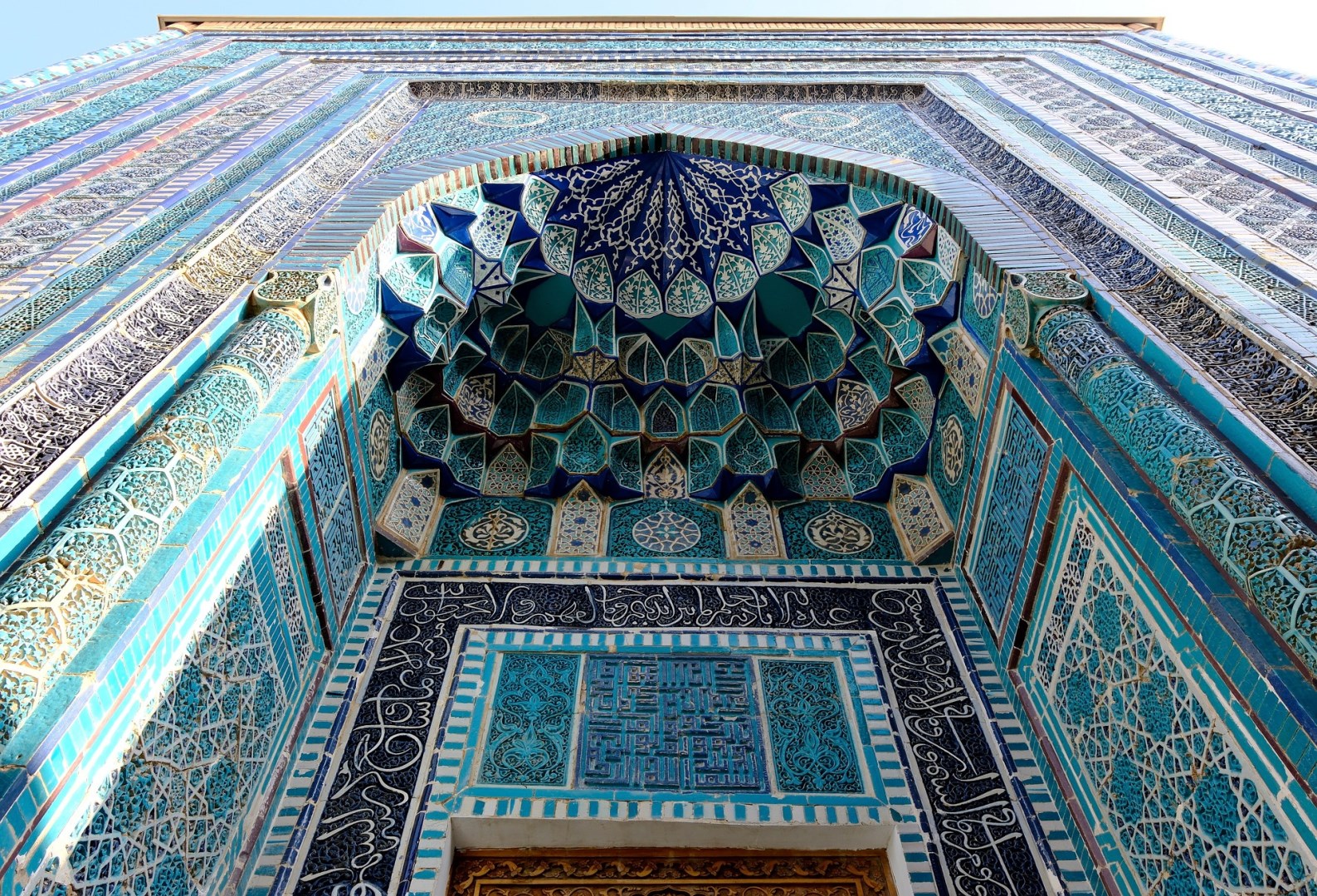
Tashkent
Tashkent, the capital of Uzbekistan, lies at the crossroads of Central Asia and has long been a hub of culture, trade, and political life. Its history stretches back over two millennia, shaped by Persian, Mongol, and Russian influences.
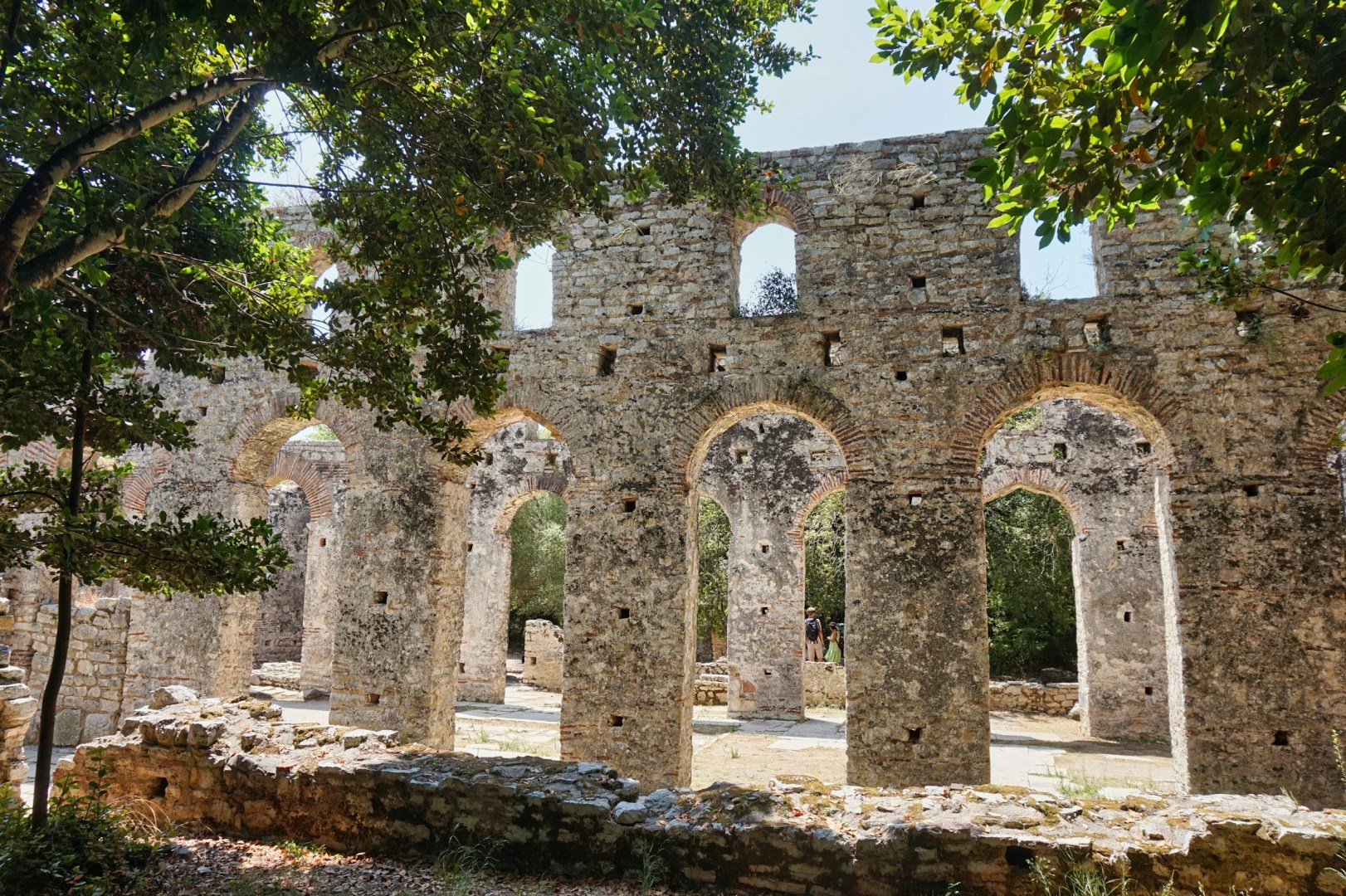
Butrint
According to legend, the ancient Greek city of Butrint was founded by the Trojans. It was later occupied by the Romans, Greeks, and the Byzantine Empire
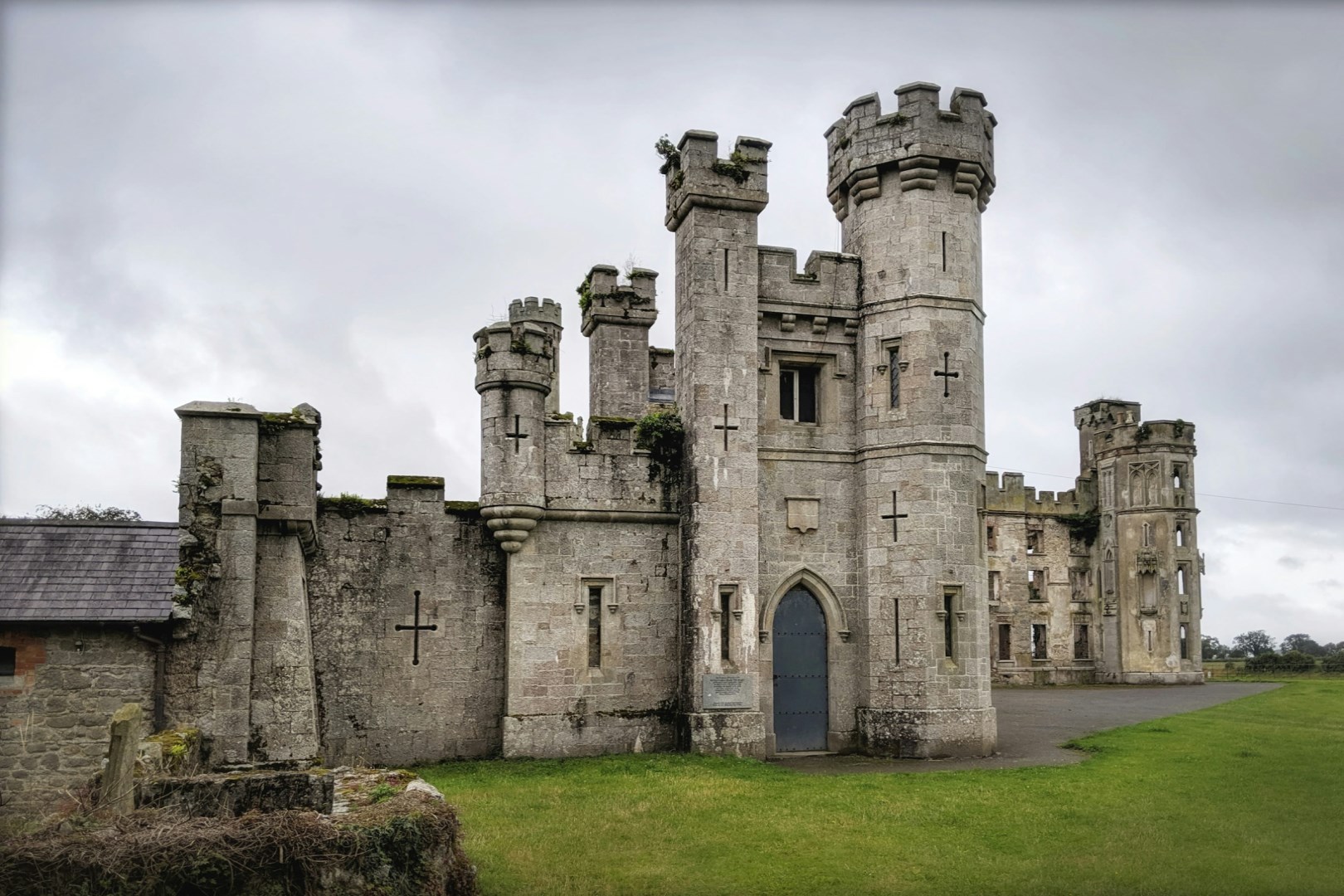
County Carlow
A most pleasant and picturesque county, famed for its scenic beauty. Bordered by the Blackstairs Mountains and Mount Leinster, the county is divided by the rivers Barrow and Slaney. There are many historical monuments and castles. Recreations include Golf, Tennis, Fishing, Shooting, Rowing, River Cruising, Swimming, Hunting and Climbing.
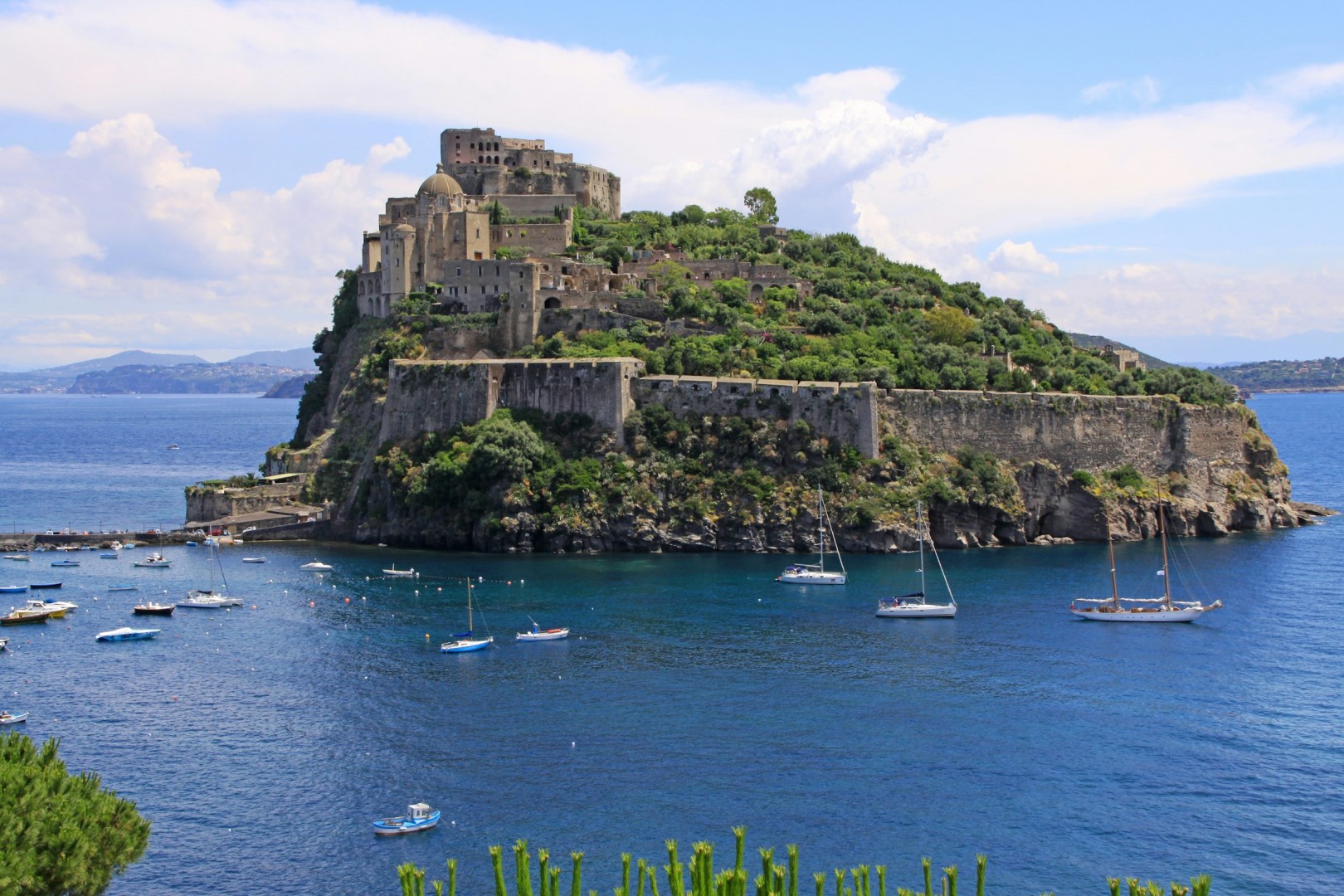
Ischia
The largest island in the Bay of Naples, it is known as the 'Emerald Isle' because of its lush green landscape.
