

Rouen
Set on the River Seine, Rouen is Normandy's capital and a breathtaking city steeped in history, art, and romance. Marvel at the exquisite Gothic architecture of the Palais de Justice, l'Église Saint-Maclou, l'Abbatiale Saint-Ouen, and the Cathédrale Notre-Dame de Rouen.

Iles des Saintes
Framed by an array of tropical flowers, "miniature" houses painted in a pastel palette will enchant you. But, a splash of watercolors is all you'll see as you zip by on a moped. It won't be long before you find the perfect spot for a beach picnic and afternoon of snorkeling.

Quebec
Quebec is a province where the old meets the new in the most exciting way, with each of its diverse cities offering a distinct experience for travelers. It is a melting pot of French and English heritage, and this duality can be seen in its art, music, and festivals.

Castries
Castries, St. Lucia's capital and a busy port city, is an idyllic Caribbean wonderland. Tourists will find craft and fruit markets, photo-ready murals and a general cozy charm here. One must-do activity is getting to the top Morne Fortune (Hill of Good Luck) to drink in the lovely panoramic views. Be sure to visit the museum at Derek Walcott Square, and soak up the sun on Vigie Beach!
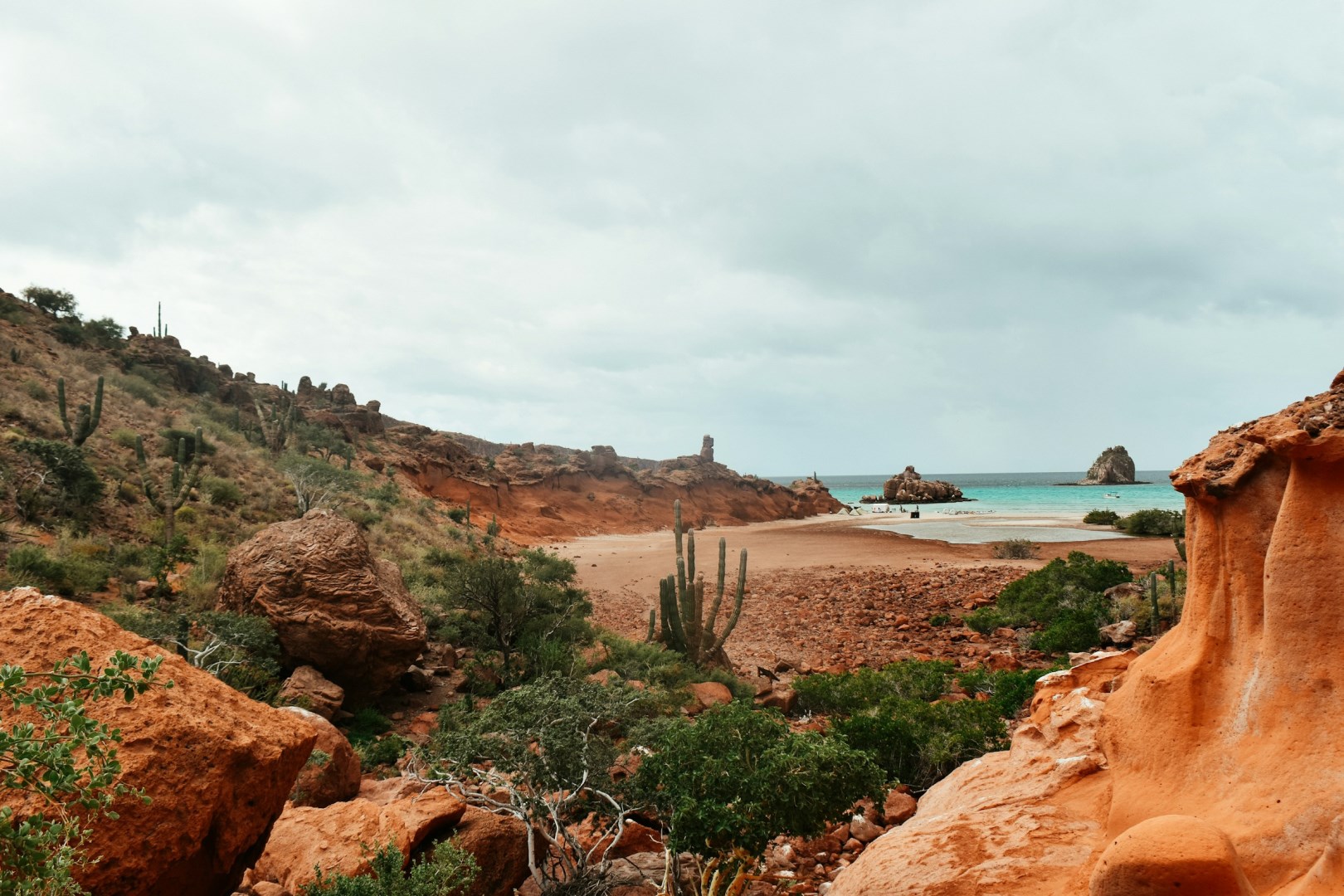
Isla Espiritu Santo
One of the most beautiful islands in the Sea of Cortez, with deeply indented shorelines and dramatically eroded cliff faces.
