

Kotor
This coastal town in Montenegro is part of the World Heritage Site dubbed the Natural and Culturo-Historical Region of Kotor. It holds several summer events, such as the Summer Carnival or Bokeljska Noc. One of the most notable and charming aspects of the town is the large population of cats that have become a symbol of the city.
Bay City
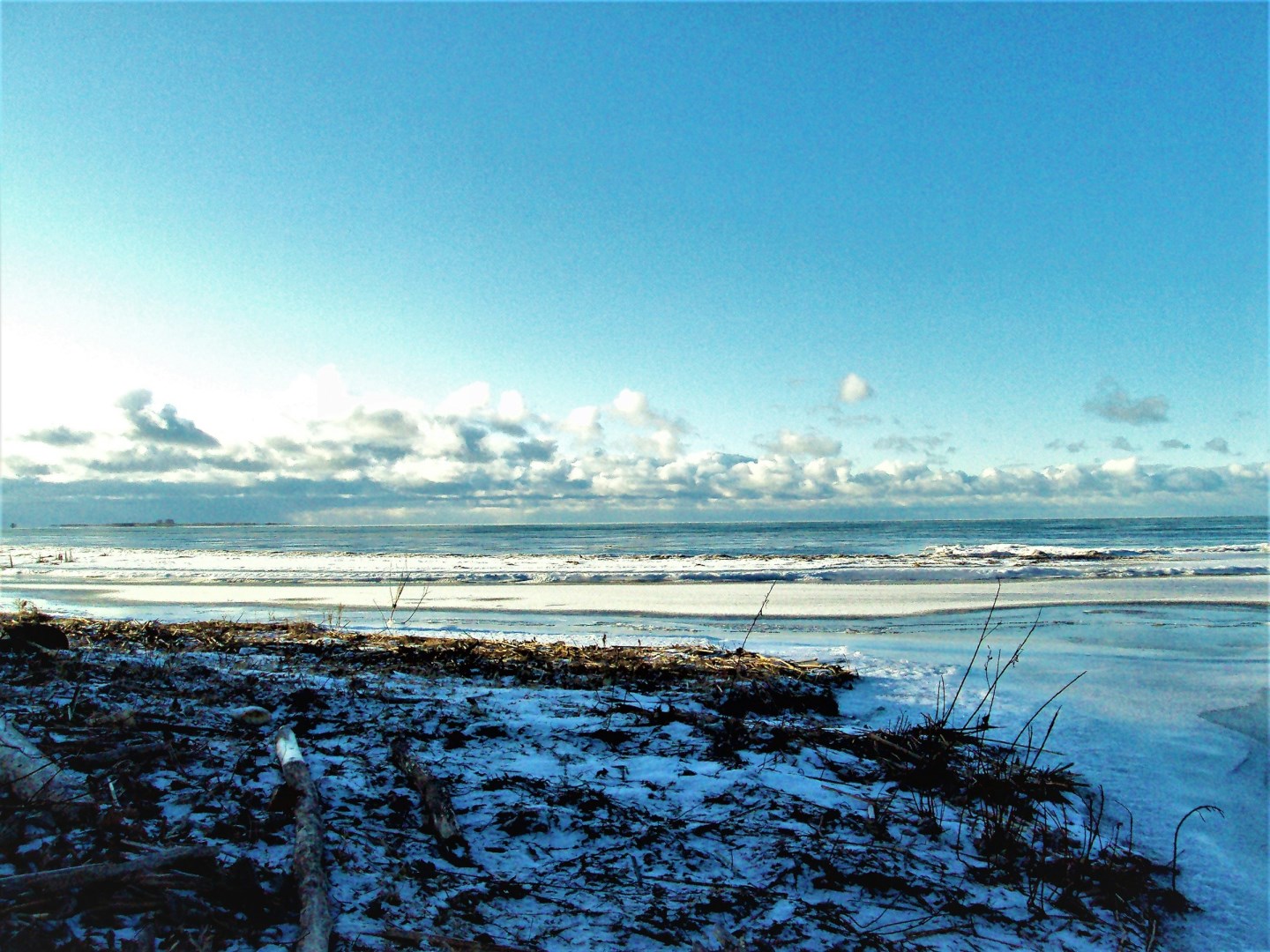
Bay City is a waterfront city in eastern Michigan, situated along the Saginaw River near its outlet into Saginaw Bay, one of the large bays of Lake Huron. Its location on the river helped establish the city as a center for lumber, shipbuilding, manufacturing, and commercial shipping.
Angers
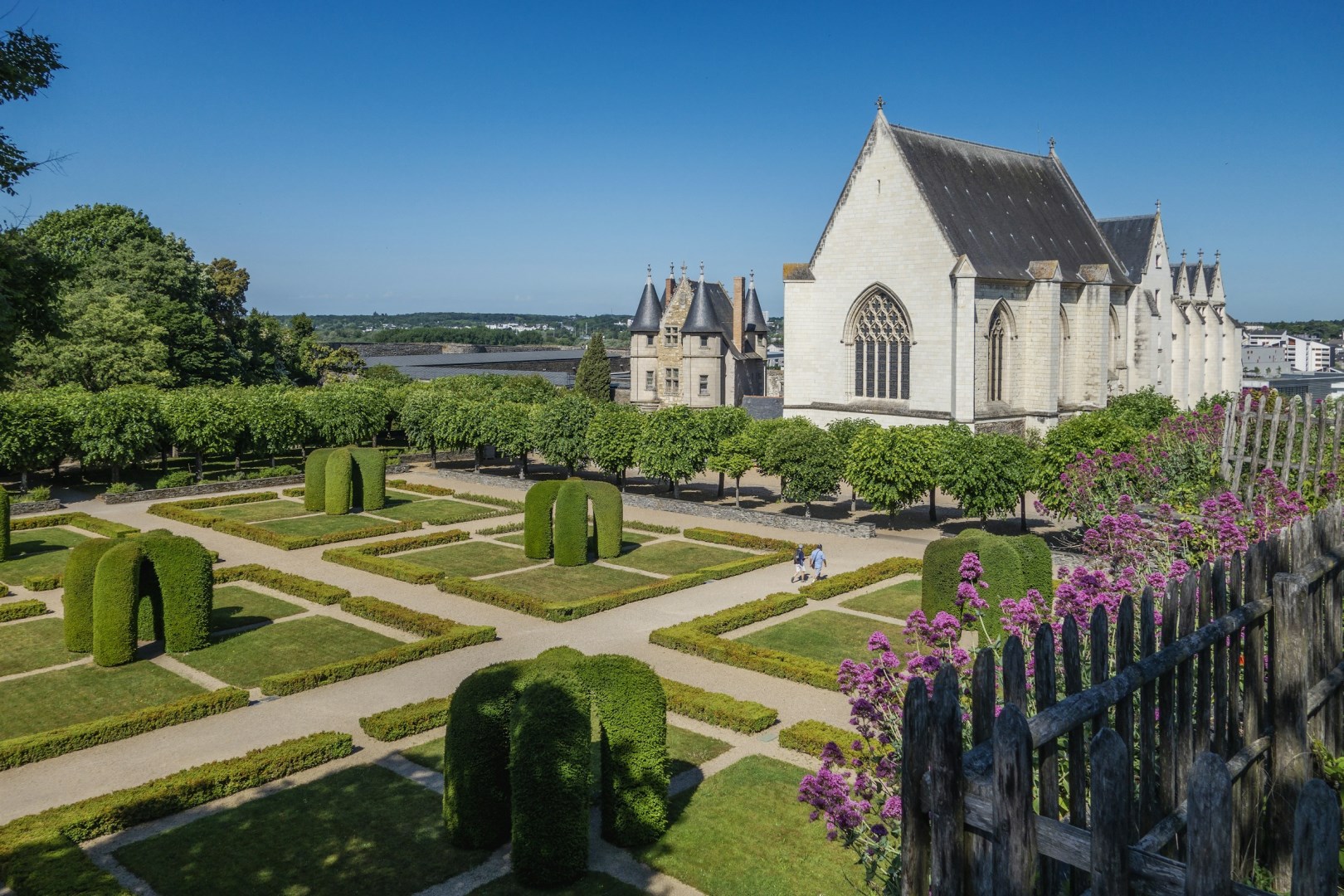
Angers is a city in western France, situated along the Maine River in the Loire Valley and surrounded by the vineyards and countryside of Anjou. Its historic centre combines medieval streets, elegant townhouses, and gardens with a lively university and cultural scene. The Château d'Angers is the city's defining landmark, with massive slate-coloured defensive walls overlooking the river and historic districts.
Auxerre
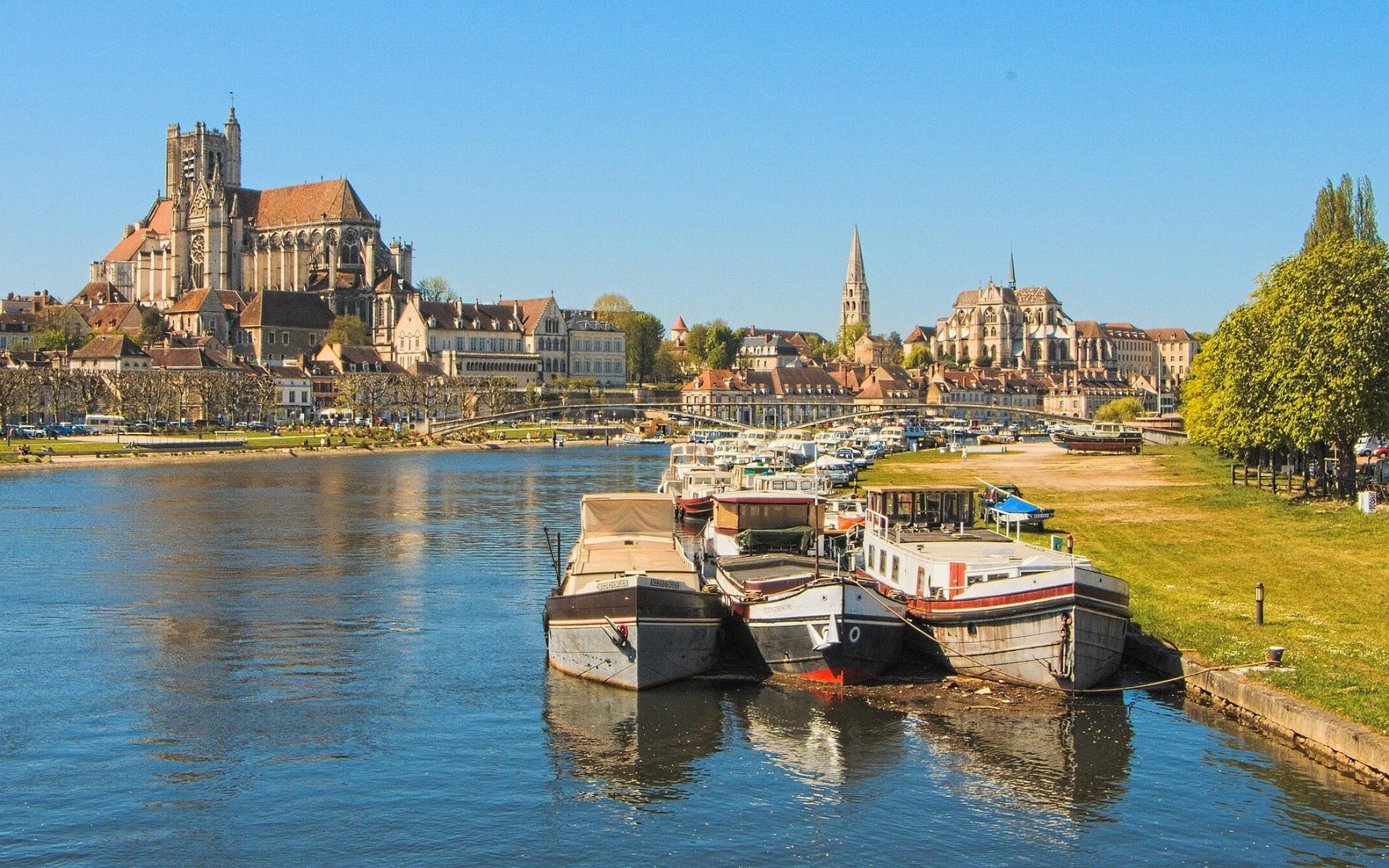
Auxerre is a picturesque city located southeast of Paris and is the capital of the Yonne department.
Bandung
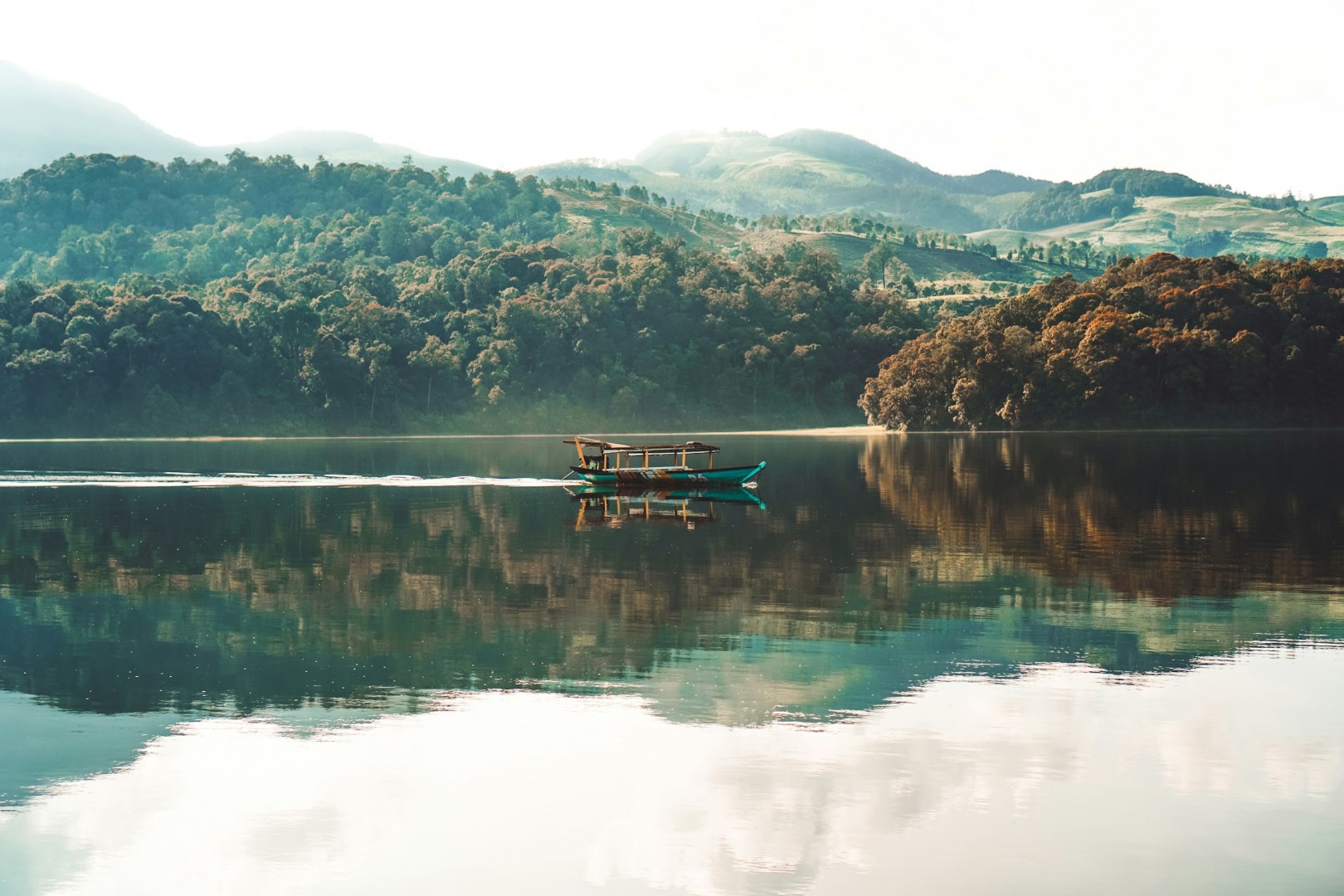
Southeast of Jakarta in western Java, the city is a commercial center and a popular resort area with a moderate climate.
