

Nanjing
This is a city one could get lost in for days, exploring the old Ming Dynasty walls and wandering through its superb museum. If time permits, you should also take a walk through Linggu Park, home of the Linggu Pagoda and other items of Buddhist interest. Even just a casual walk through the streets-replete with food vendors and baskets of live geese-will help convey the unique flavor of this city.

Latvia
Latvia invites visitors to explore a land where medieval streets meet vast forests and a lively coastline. Riga, the country’s capital, is home to one of the largest and best-preserved collections of Art Nouveau architecture in Europe. Walking through the Old Town, visitors can admire intricate facades and cobblestone streets that lead to landmarks like the House of Blackheads and St. Peter’s Church, whose tower offers panoramic views of the city.
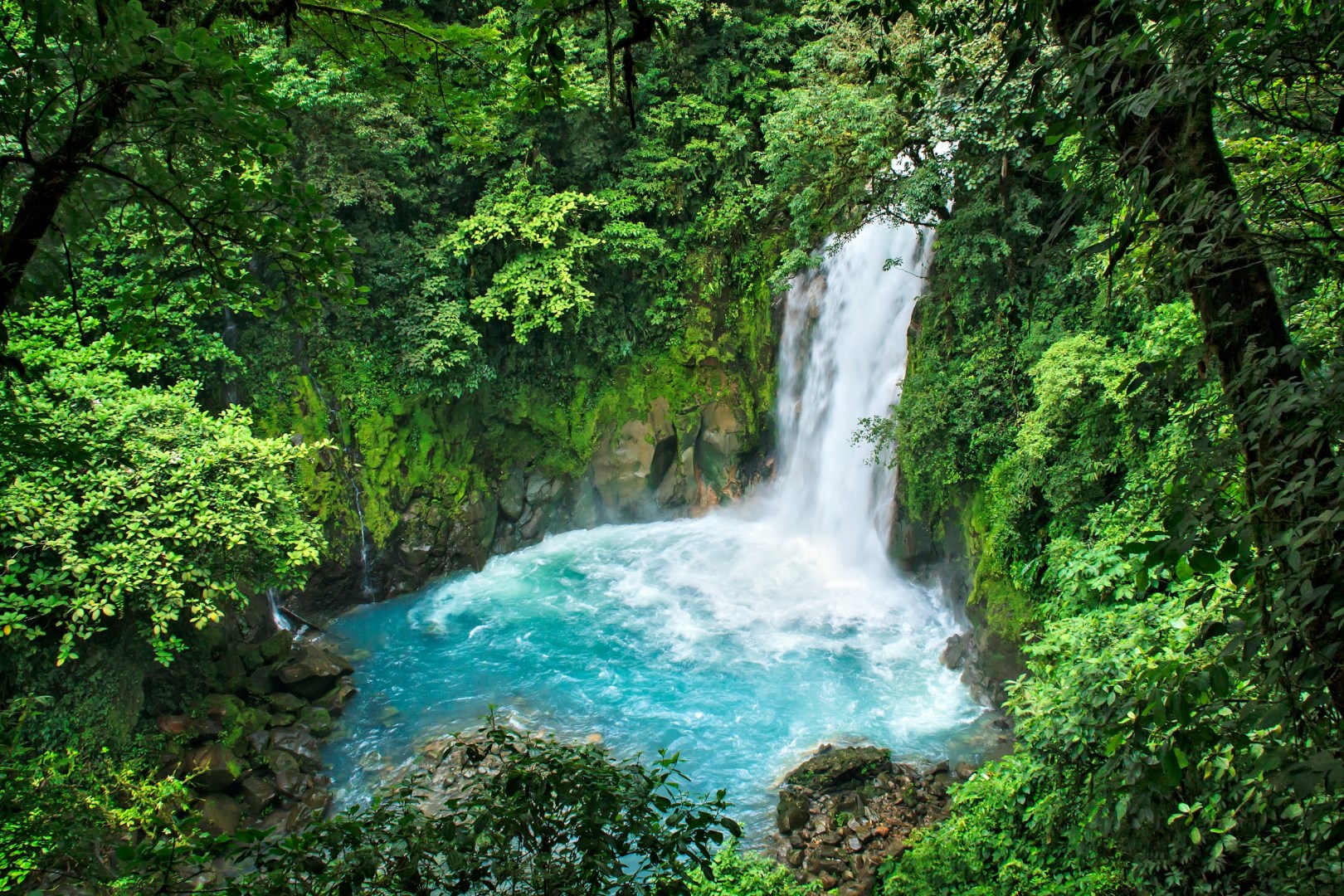
Tenorio Volcano National Park
A relatively recent addition to Costa Rica's list of national parks is Tenorio Volcano National Park, home to its namesake Tenorio Volcano as well as its taller sister, Miravalles Volcano, also the highest mountain in the Guanacaste Mountains.

Zion National Park
Zion National Park, located in southwestern Utah, is known for its massive sandstone cliffs, narrow slot canyons, and unique desert ecosystems. Established in 1919, it was Utah’s first national park and continues to attract visitors with its dramatic elevation shifts and striking rock formations. The park’s most iconic feature, Zion Canyon, stretches for 15 miles and reaches depths of up to 2,640 feet, carved over time by the Virgin River.

Arles
Nestled between two nature parks and the Rhône River, picturesque Arles will absolutely delight any traveler to the south of France. Situated near Marseille in the Provence-Alpes-Côte d’Azur region, Arles boasts small town charm and its architectural treasures have been heavily influenced by the city’s role as an ancient Roman capital.
