
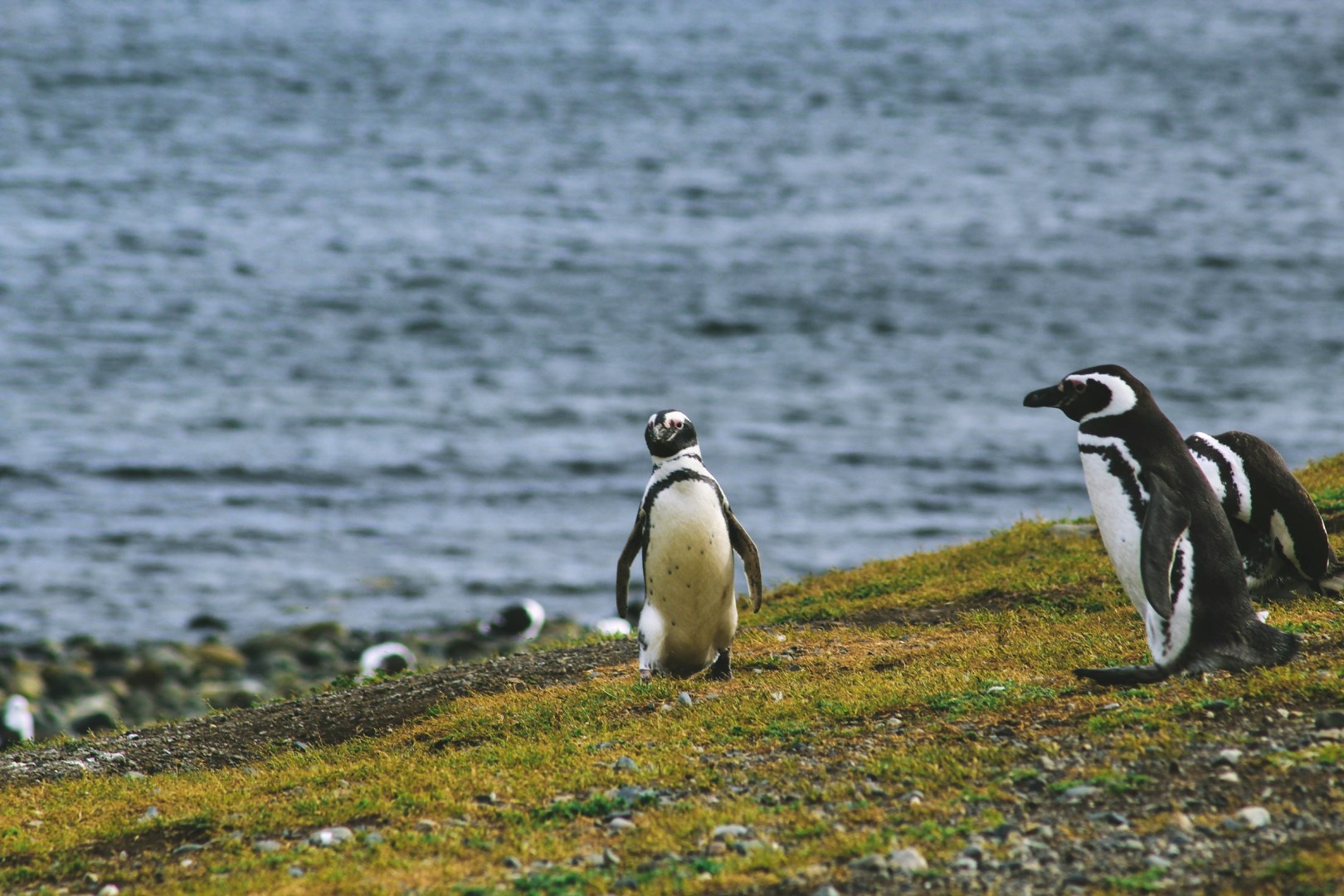
Magdalena Island
Magdalena Island is a small, uninhabited island in the Strait of Magellan, northeast of Punta Arenas in Chilean Patagonia. It forms part of the Magdalena Island National Park, together with nearby Marta Island, and is best known for its large colony of Magellanic penguins. The island consists largely of low, windswept terrain covered with grasses and other hardy vegetation, surrounded by cold waters and exposed to the strong weather of the strait.
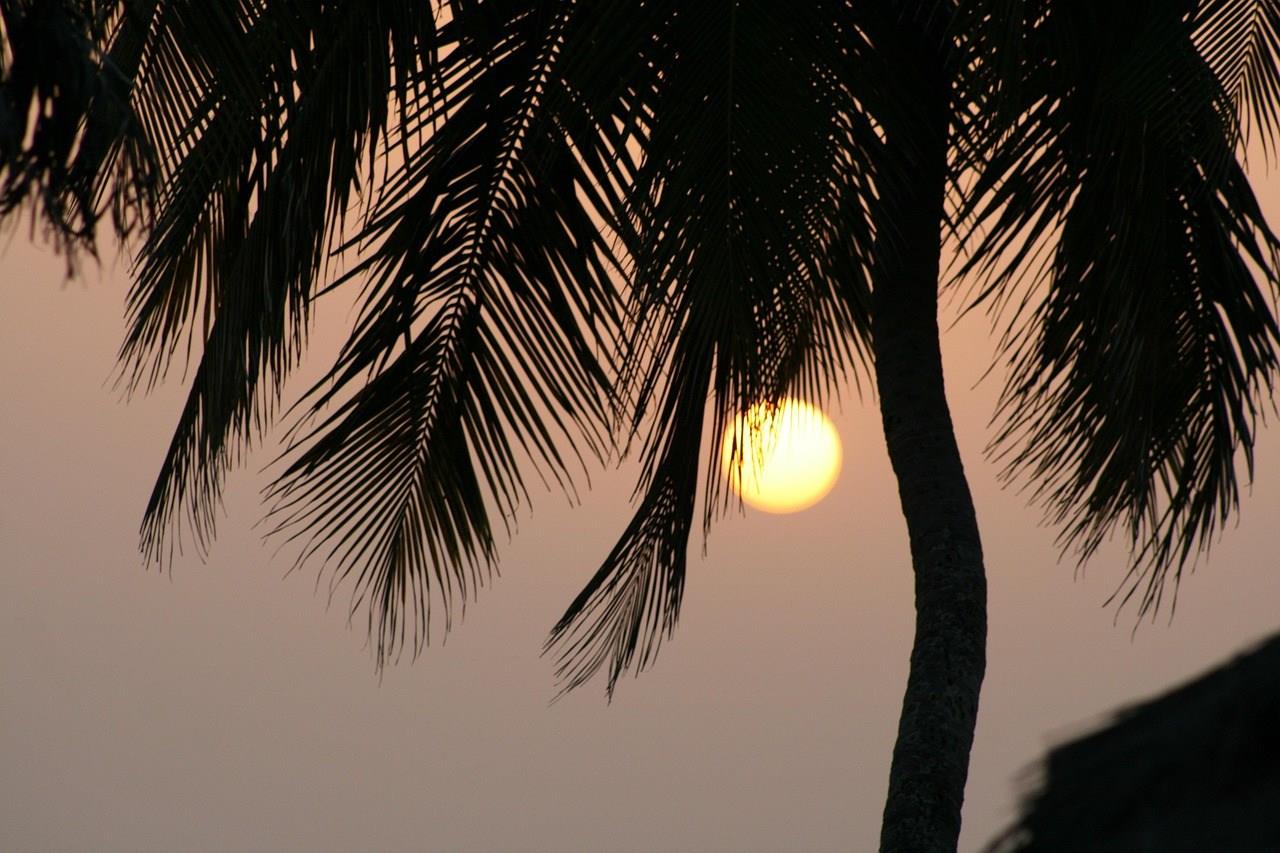
Guinea
Guinea, located on the west coast of Africa, offers a rich blend of landscapes, cultures, and traditions that remain largely untouched by mass tourism. Its Atlantic shoreline is dotted with fishing villages and sandy beaches, while inland, rolling highlands and dense rainforests give way to sweeping savannas.
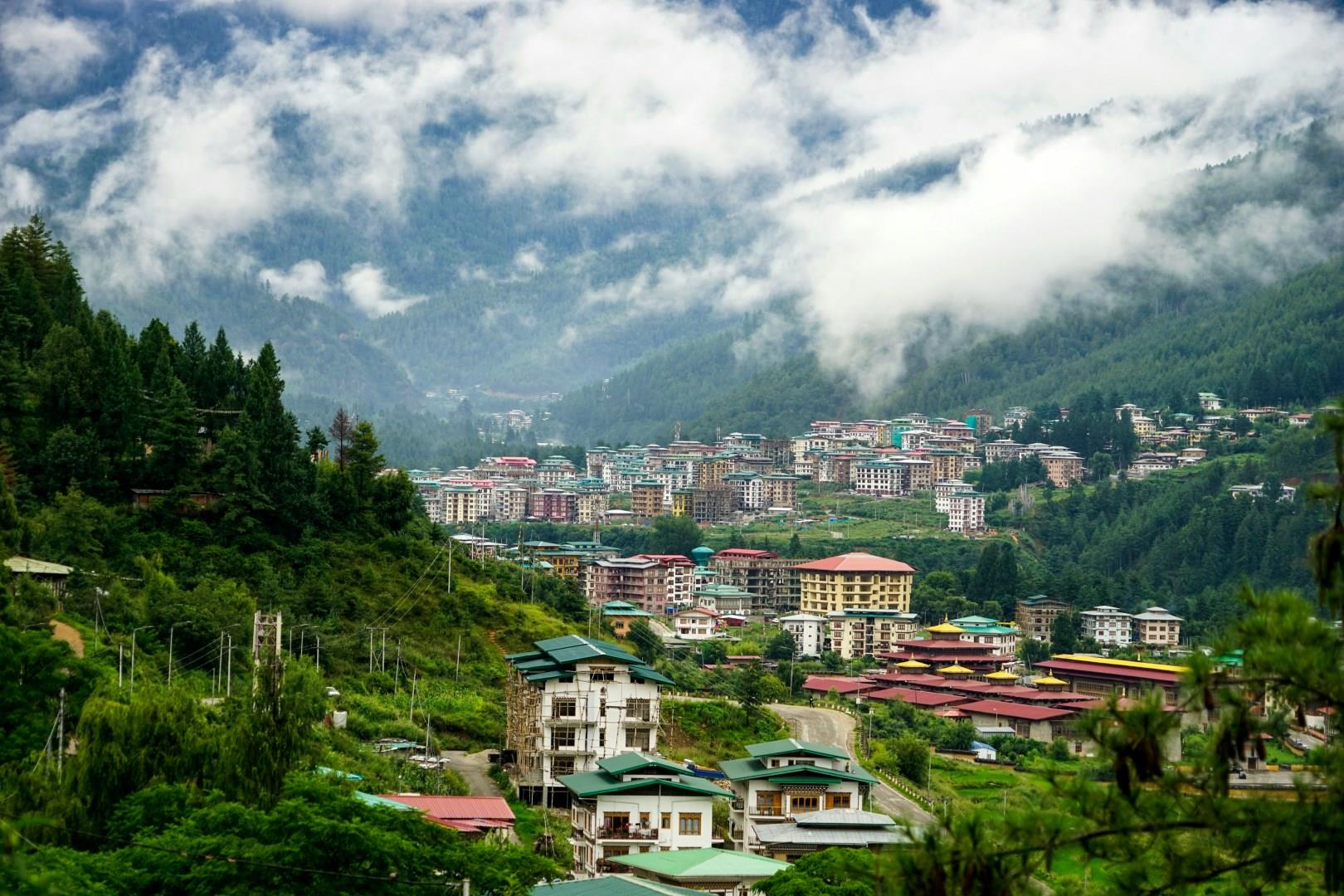
Thimpu
Thimphu, the capital of Bhutan, is a city where tradition and modern life meet in unexpected ways. Streets are lined with traditional Bhutanese architecture, colorful prayer flags, and shops selling handicrafts, while government offices and modern facilities operate alongside centuries-old temples.

Athens
Nestled in the rolling hills of northeast Georgia, Athens is a vibrant city known for its rich history, thriving arts scene, and quintessential Southern charm. Home to the University of Georgia, the birthplace of public higher education in America, Athens brims with youthful energy and intellectual curiosity.
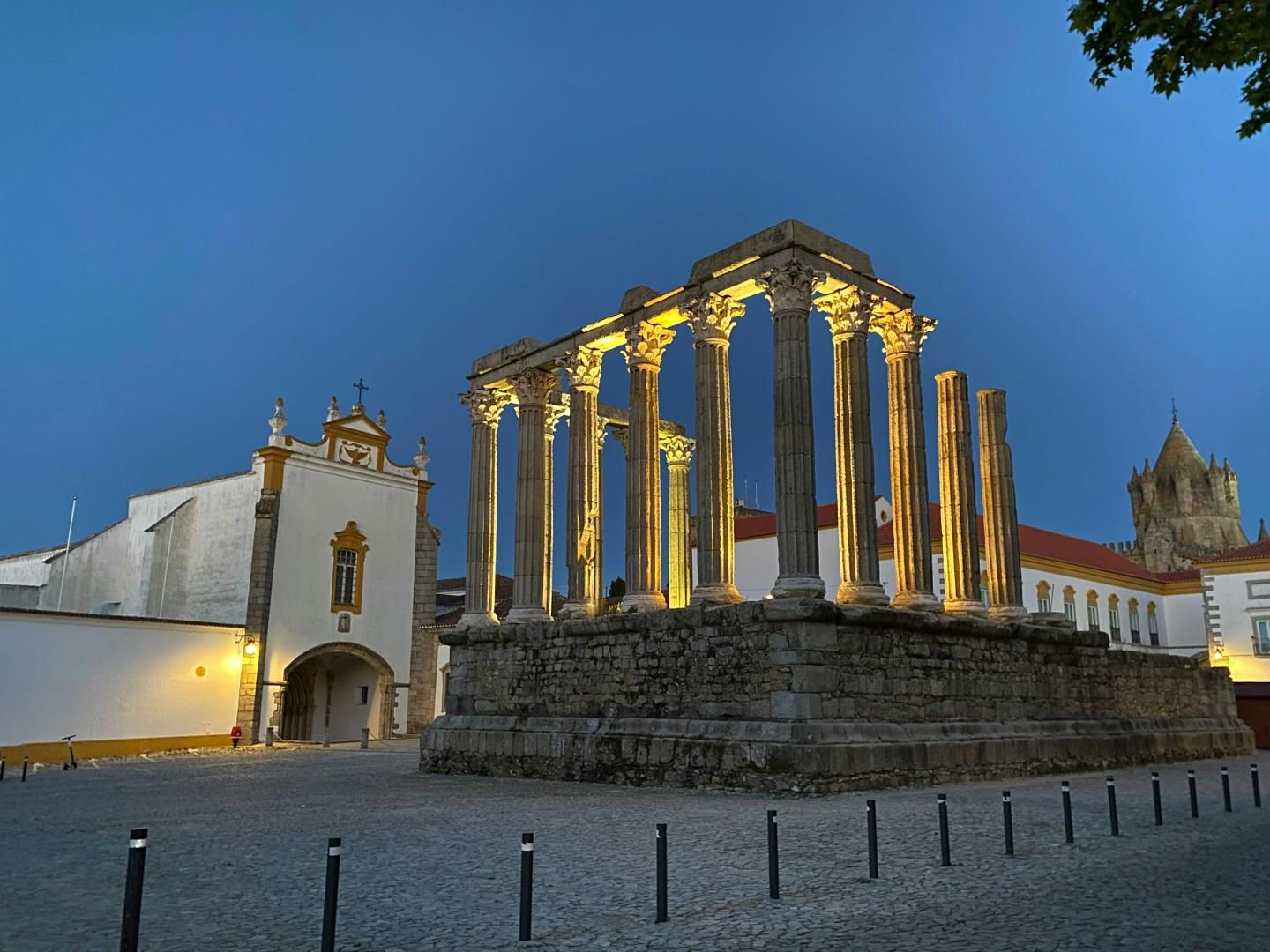
Evora
Évora, in Portugal’s Alentejo region, feels like stepping into a story that spans more than two thousand years. Its Historic Centre was named a UNESCO World Heritage Site for good reason with its ancient walls, homes with wrought-iron balconies, and narrow streets quietly preserve traces of Roman, Moorish, and medieval life. Beyond architecture and monuments, Évora reveals lesser-known treasures that reward exploration.
