

Ngorongoro
Ngorongoro, Tanzania, is a destination where breathtaking landscapes and abundant wildlife converge in a truly unique way. Nestled within the Ngorongoro Conservation Area, this region is renowned for the Ngorongoro Crater, a UNESCO World Heritage Site. This ancient caldera, formed by a volcanic eruption millions of years ago, creates a natural amphitheater teeming with wildlife.
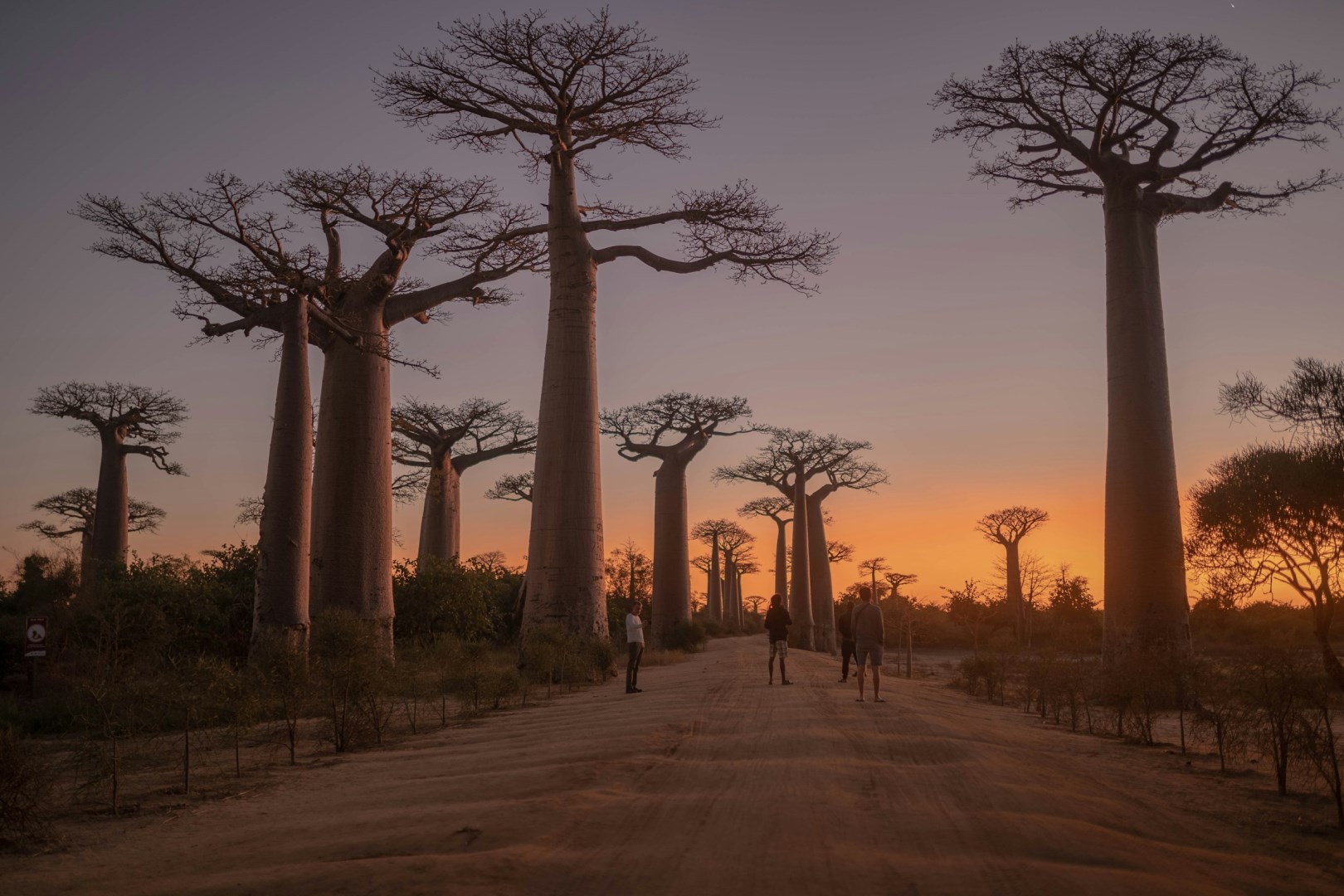
Avenue of the Baobabs
The Avenue of the Baobabs is a famous landscape in western Madagascar, located near Morondava in the Menabe region. A group of tall Grandidier's baobabs lines a dirt road across a broad, dry plain, creating one of the country's most recognizable natural scenes. These trees are endemic to Madagascar and can reach great heights, with thick trunks adapted to storing water during the dry season.

Dominica
Dominica, known as the “Nature Island of the Caribbean,” is a haven for eco-tourists and adventure seekers. Nestled between the French islands of Guadeloupe and Martinique, this lush island boasts a remarkable landscape of volcanic mountains, dense rainforests, and stunning waterfalls. Dominica’s most iconic natural wonder is the Boiling Lake, the second-largest hot spring in the world.
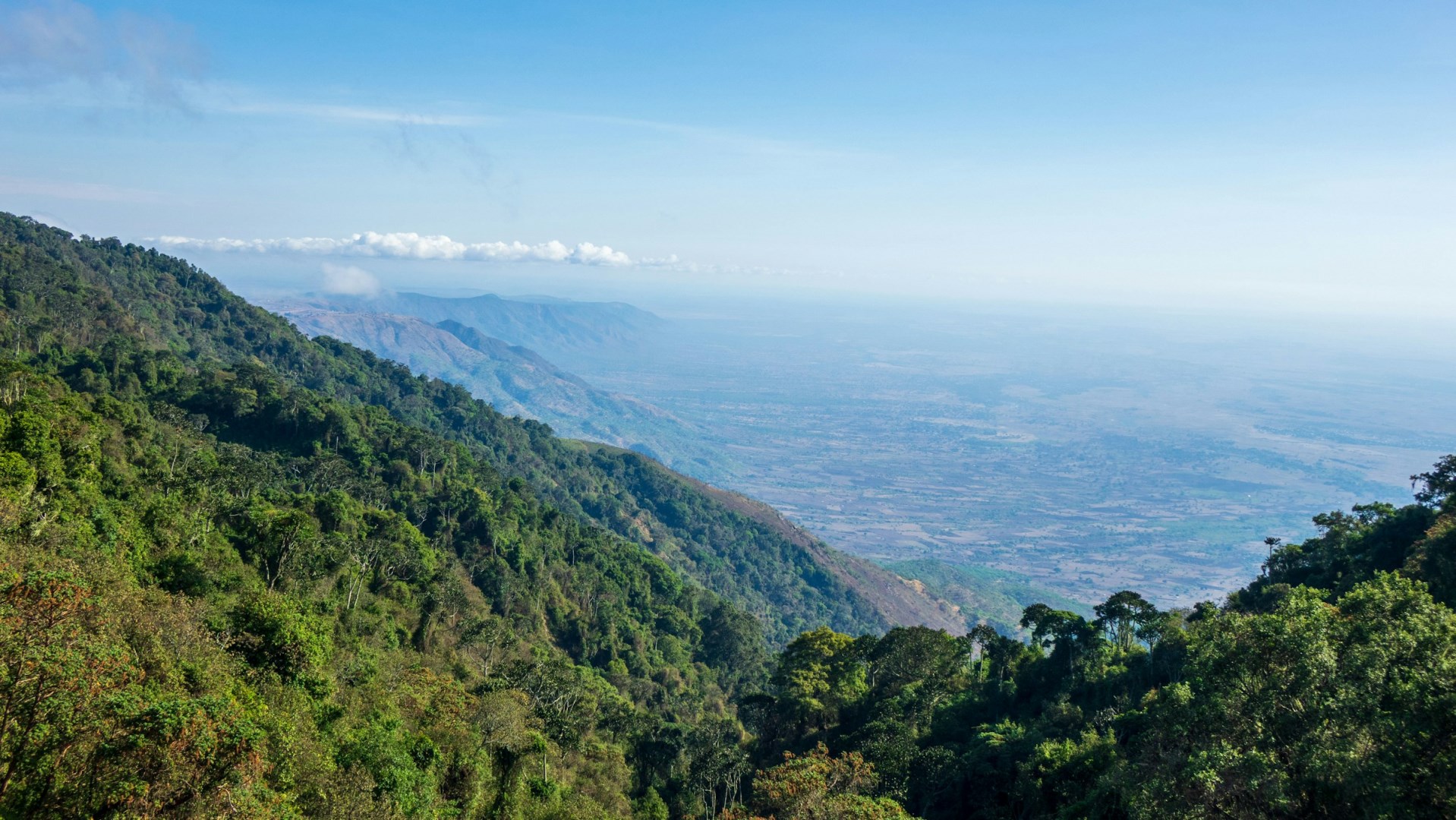
Mbeya
In southern Tanzania, this pleasant town is the capital of the Mbeya region and an important trading center for tobacco, tea, cocoa and cattle. It is the last railroad stop in the country before entering Zambia

Lyon
The metropolitan center of southeastern France, vibrant Lyon abounds with stunning architectural masterpieces, gastronomic delights, and immersive museums. This spectacular city, founded by the Romans centuries ago, rivals Paris as a cultural and social hub for exploring the best that France has to offer.
