

Manaus
Manaus, capital of Brazil’s Amazonas state, is a city that rises unexpectedly from the rainforest. Once the center of the global rubber boom in the late 1800s, Manaus still holds onto that legacy with surprising elegance. The Teatro Amazonas, an opulent opera house imported piece by piece from Europe, sits at the heart of the city, its pink façade and domed roof tiled in the colors of the Brazilian flag. Today, it hosts concerts, festivals, and curious visitors eager to step back in time.
Lüderitz
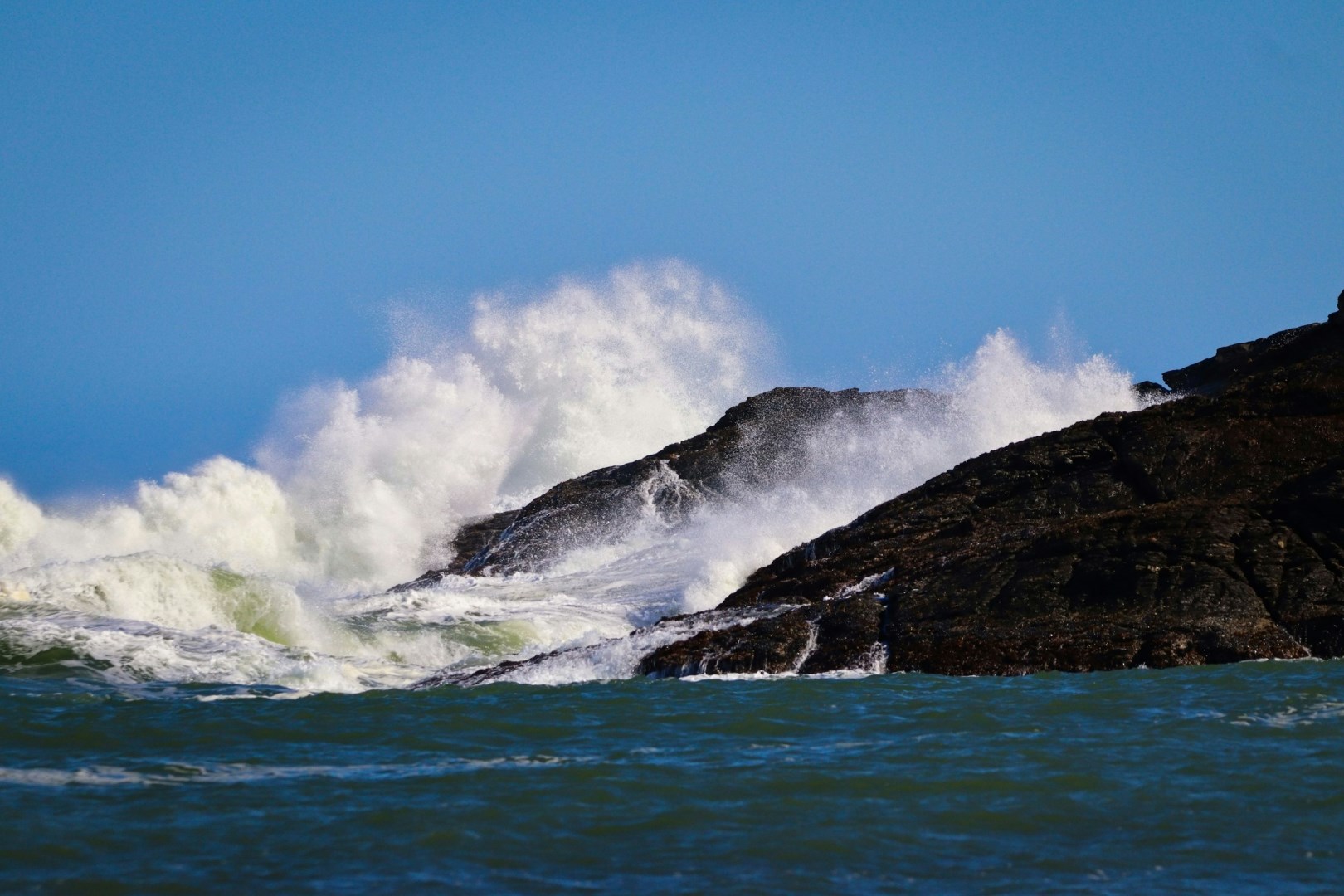
This coastal town in southwestern Namibia is known for its German colonial buildings, including the art nouveau Goerke Haus, built into the rock face on Diamond Hill. Nearby, Felsenkirche is a hilltop church with panoramic bay views stretching around to Robert Harbor. The Lüderitz Museum has displays about the town’s diamond mining past as well as local and natural history.

Cook Islands
The Cook Islands, a group of 15 islands scattered across the South Pacific, offer a rare blend of Polynesian tradition and laid-back island charm. Rarotonga, the largest and most visited island, is ringed by a turquoise lagoon and backed by lush mountains. Visitors can circle the entire island in under an hour, stopping along the way for fresh coconut, beachside cafés, or a quick swim in the clear lagoon.
Thimpu
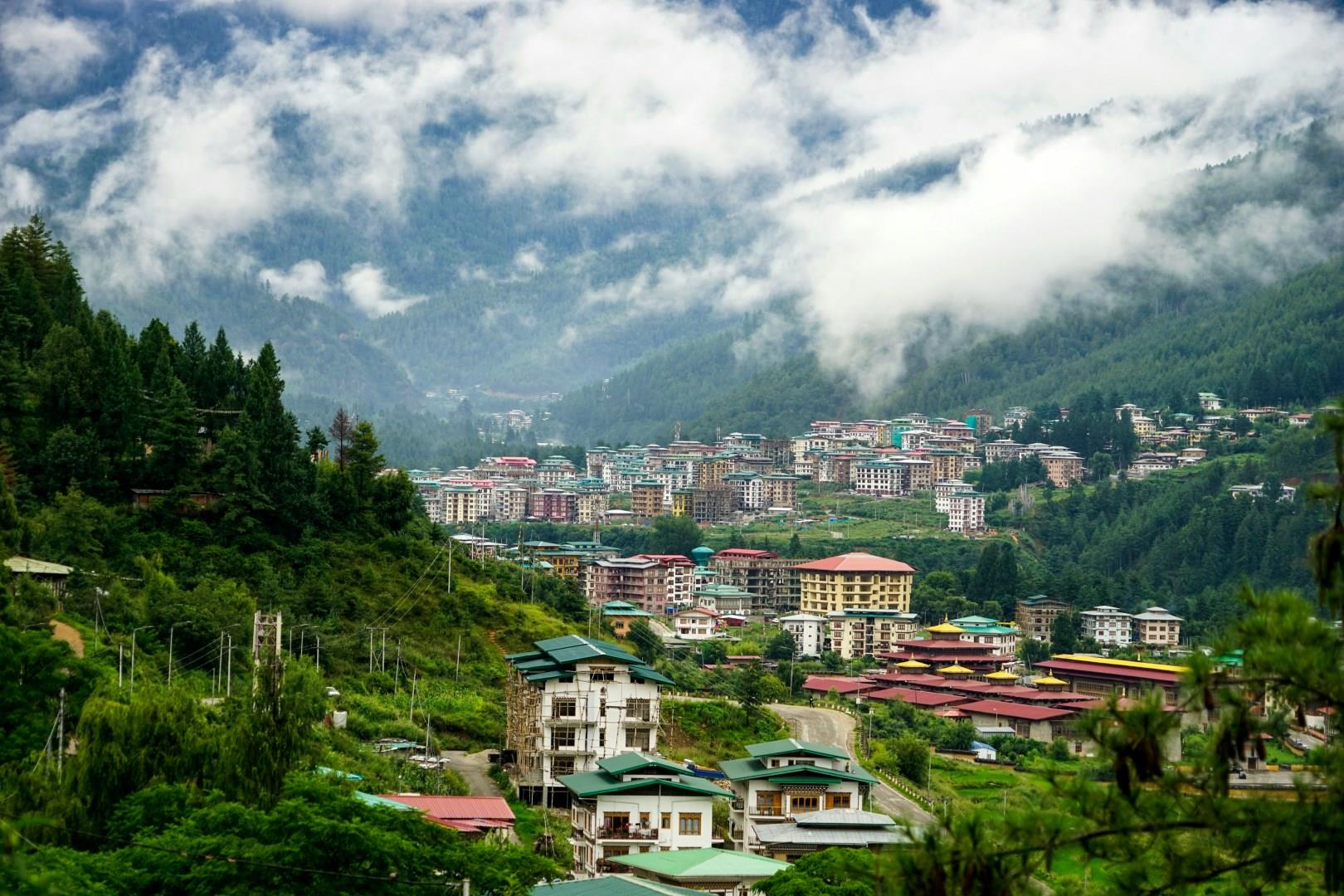
Thimphu, the capital of Bhutan, is a city where tradition and modern life meet in unexpected ways. Streets are lined with traditional Bhutanese architecture, colorful prayer flags, and shops selling handicrafts, while government offices and modern facilities operate alongside centuries-old temples.

Sacred Valley
The Sacred Valley, located in the Andes and divided by Urubamba River, was part of the larger Inca Empire, along with Machu Picchu and the closeby town of Cusco. Tourists will see green agricultural landscapes and Spanish hamlets like Ollantaytambo and Pisac, the latter featuring a Sunday market.
