

Pisa
Pisa, Italy, is more than just its world-famous Leaning Tower; it's a city where history, art, and culture intersect to create a fascinating experience for visitors. The Leaning Tower, part of the Piazza dei Miracoli or Square of Miracles, is an architectural wonder that draws millions each year. Built as a bell tower for the adjacent Pisa Cathedral, its unintended tilt has become a global icon.

Dominica
Dominica, known as the “Nature Island of the Caribbean,” is a haven for eco-tourists and adventure seekers. Nestled between the French islands of Guadeloupe and Martinique, this lush island boasts a remarkable landscape of volcanic mountains, dense rainforests, and stunning waterfalls. Dominica’s most iconic natural wonder is the Boiling Lake, the second-largest hot spring in the world.
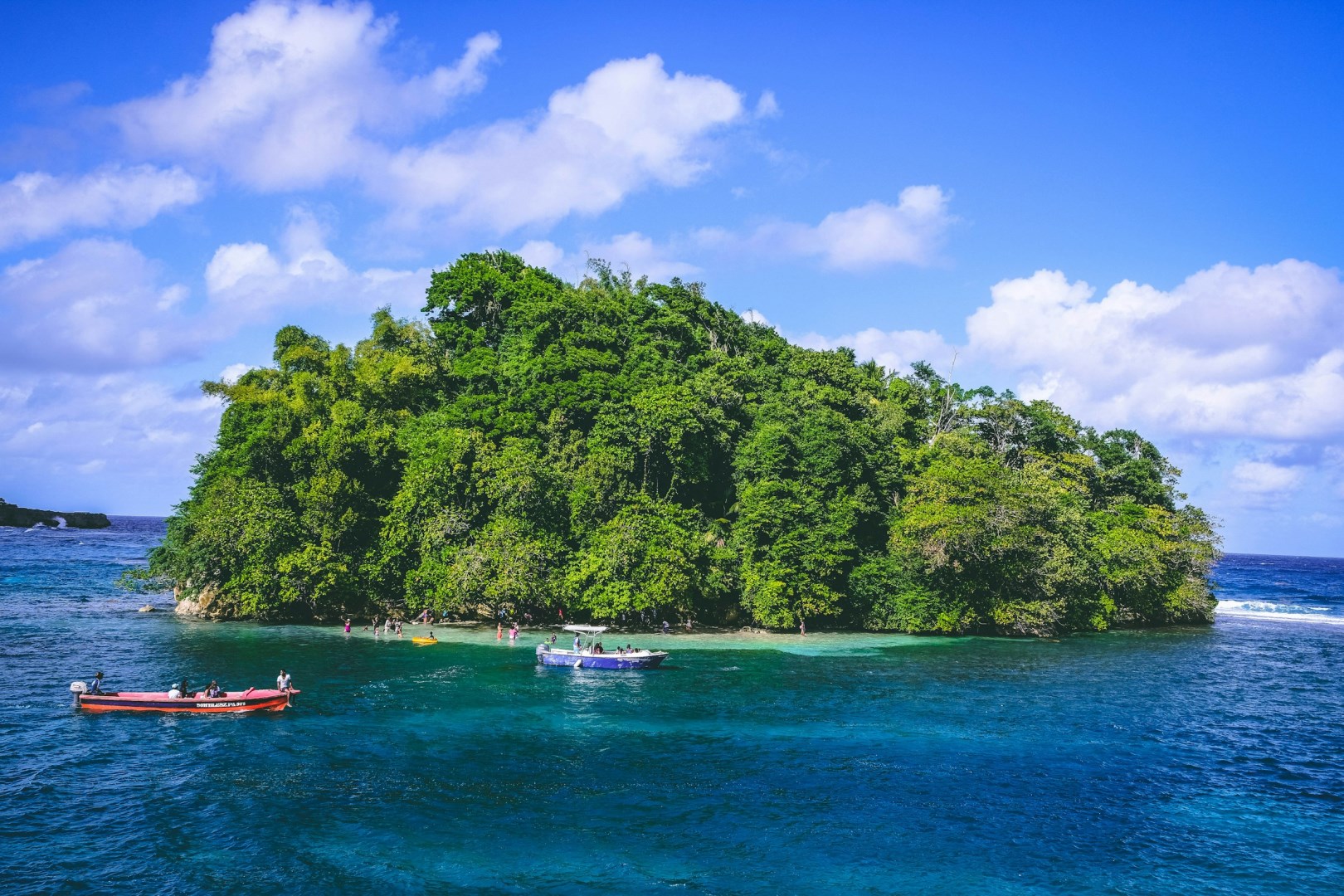
Port Antonio
Port Antonio is a coastal town in northeastern Jamaica, serving as the capital of Portland Parish and sitting between the Caribbean Sea and the foothills of the Blue Mountains. The town is surrounded by steep green hills, rivers, bays, and tropical vegetation, with the natural harbour formed by Navy Island and the mainland providing a sheltered setting.

Ceske Budejovice
Ceske Budejovice, the vibrant capital of the South Bohemian Region in the Czech Republic, is a city rich in history and culture. Its most famous landmark is the magnificent Black Tower, offering panoramic views of the city and the surrounding countryside. This 72-meter-tall Gothic tower, completed in the 16th century, is a prime example of the city's architectural heritage source.
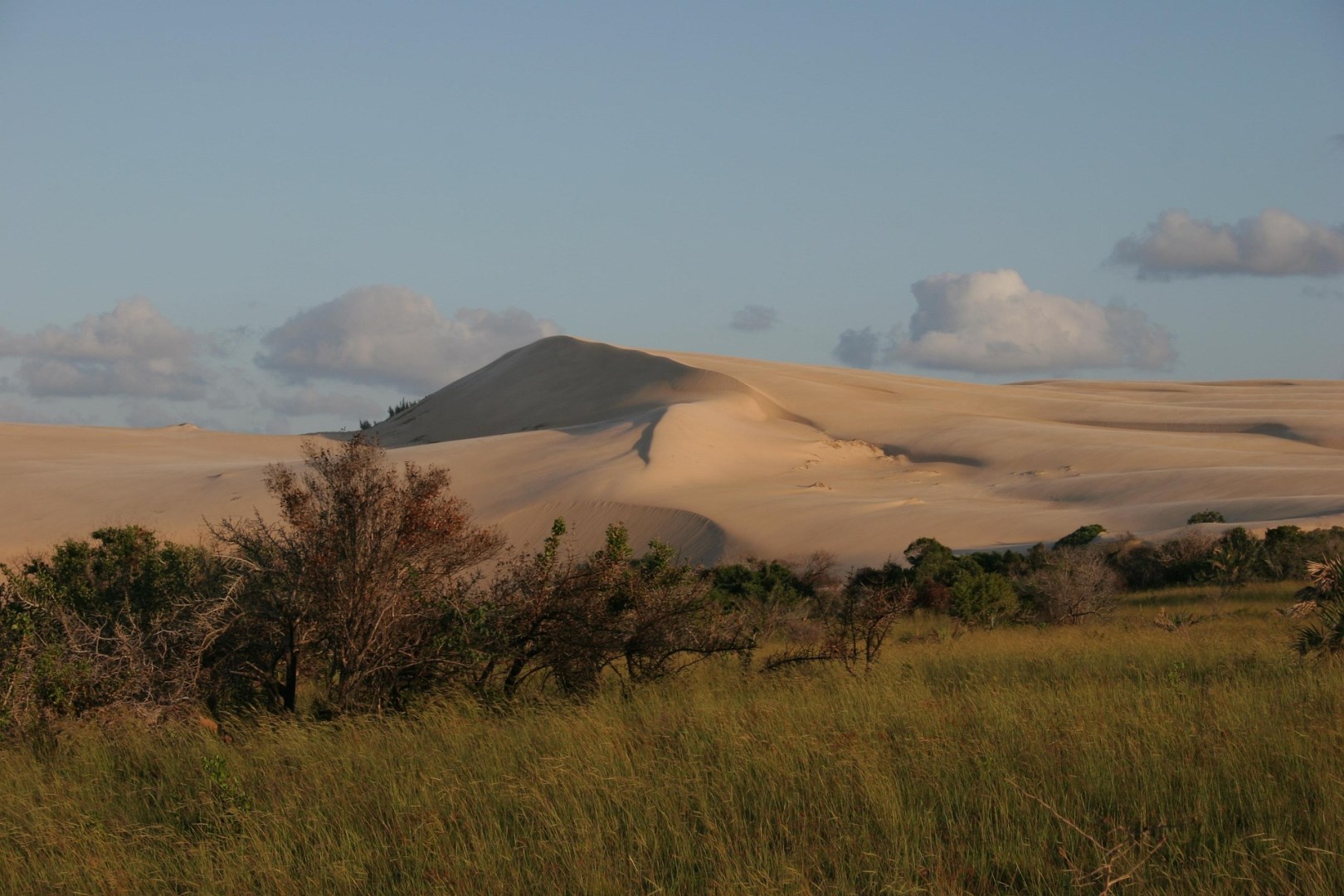
Bazaruto Archipelago
The islands have long been connected to coastal communities whose livelihoods include fishing and small-scale trade. Traditional dhow boats remain part of the maritime landscape, linking island and mainland communities across the archipelago. Local culture reflects the wider coastal heritage of Inhambane Province, where African, Swahili, and Indian Ocean influences have shaped food, language, music, and commerce.
