
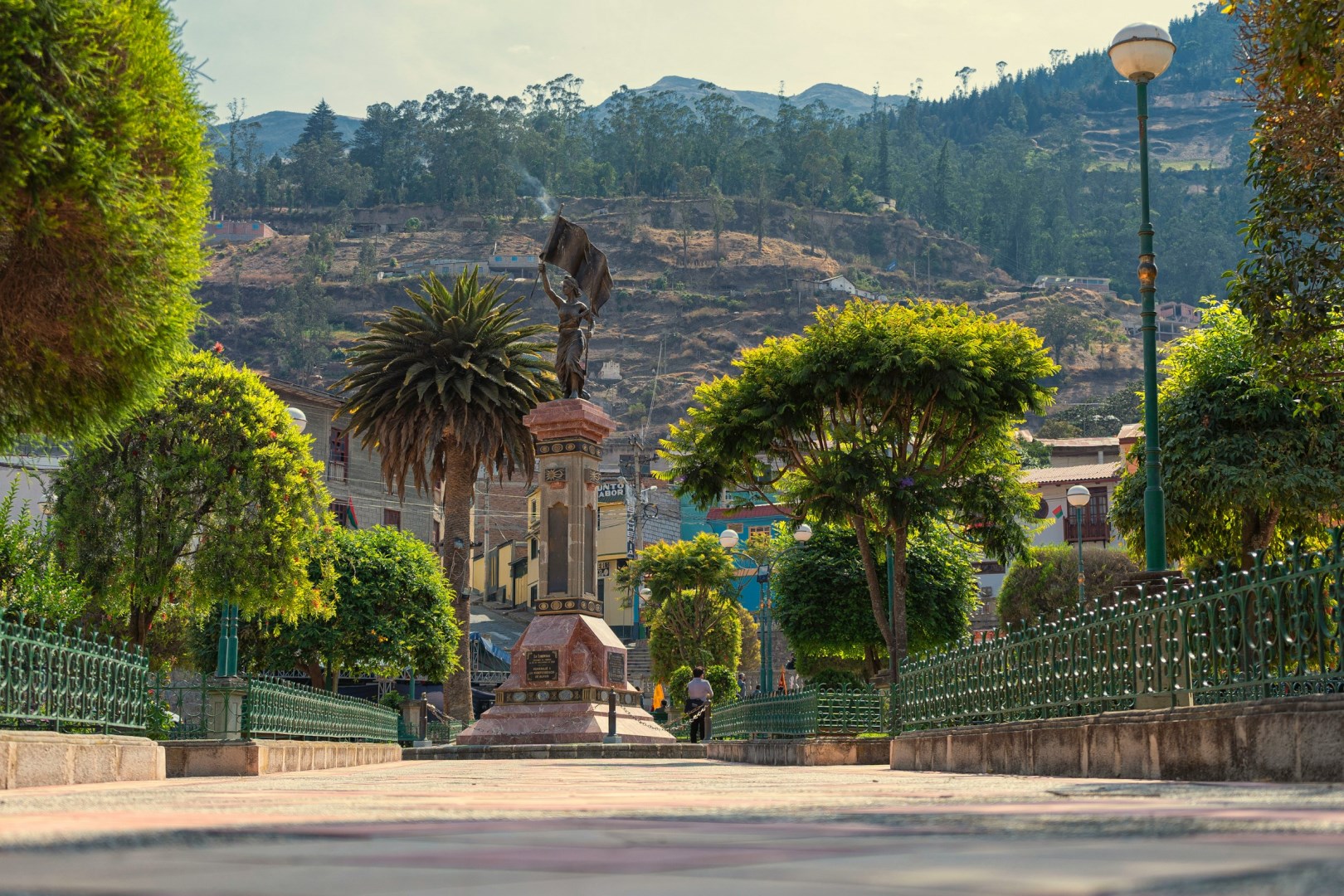
Riobamba
Located roughly in the center of the country, Riobamba is one of Ecuador's largest cities and the starting point of the scenic train ride to Nariz del Diablo (Devil's Nose). The city has a strong indigenous presence, which lends itself well to the open-air artisan market, and plenty of opportunities for mountainous activities such as hiking and mountain biking.

Suchitoto
Suchitoto, located in the Cuscatlán department of El Salvador, is a hilltop town known for its cobblestone streets and scenic views of Lake Suchitlán. Once an important center for indigo production, the town still celebrates its dye-making history through artisan workshops where visitors can learn to create textiles using natural indigo. The name “Suchitoto” comes from the Nahuatl language and means “place of flowers and birds,” a nod to the area’s diverse birdlife and surrounding vegetation.
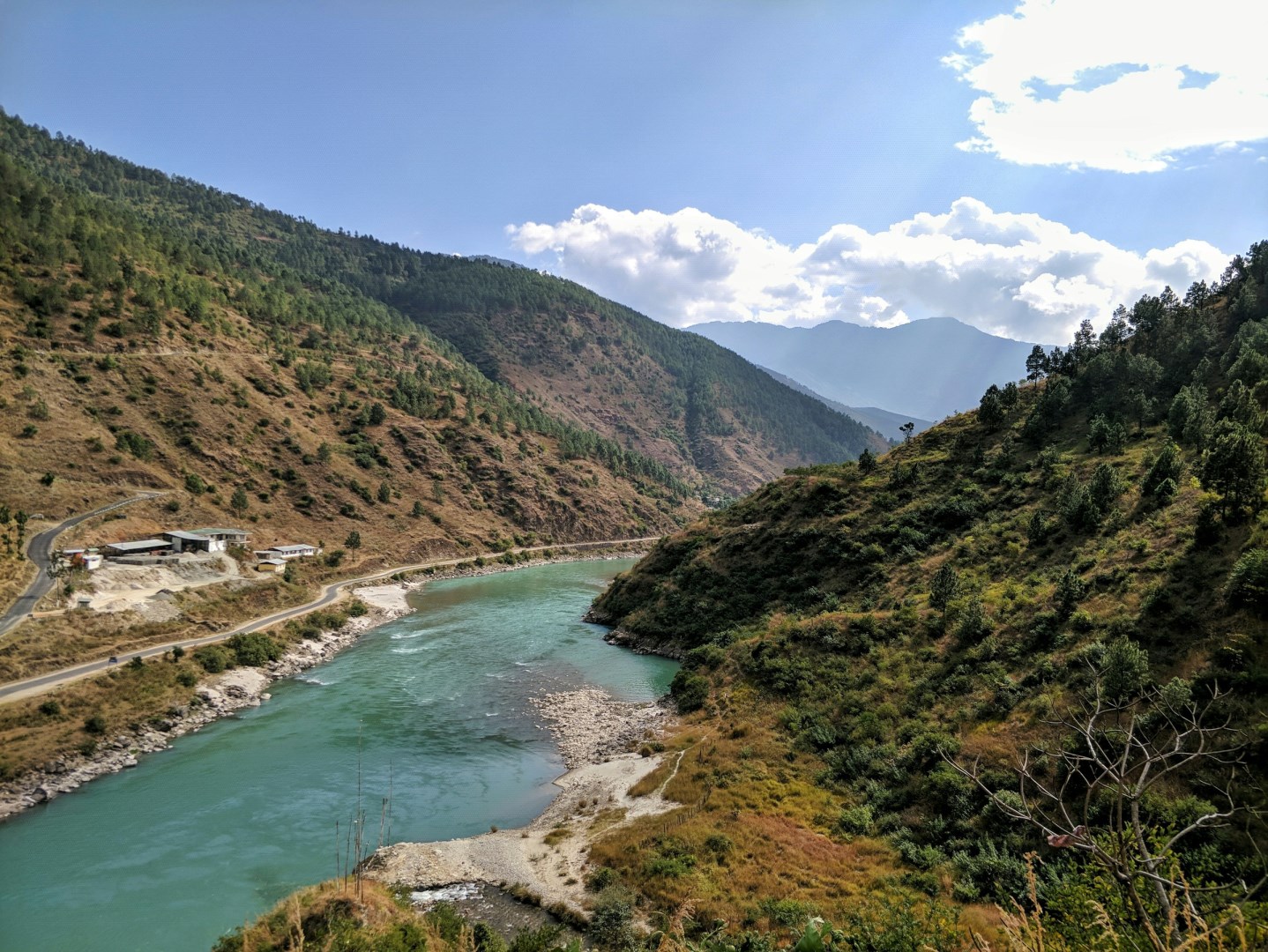
Lobesa - Metsina
Lobesa–Metsina is a rural area in Punakha District, western Bhutan, set within the warm and fertile Punakha Valley. The settlements lie among rice paddies, mustard fields, orchards, and forested hills, with the Punatsangchhu River shaping the wider valley landscape. Lobesa is located along the main road linking Punakha and Wangdue Phodrang and provides access to villages and agricultural areas surrounding the valley. The region has a distinctly rural character, with traditional Bhutanese houses,

Tarragona
The Port of Tarragona is located in one of the most active economic areas of the Spanish Mediterranean, where the main petrochemical complex of the Spanish State is located.

Napa Valley
Napa Valley, California, is synonymous with world-class wine, offering a refined yet welcoming escape to one of the most renowned wine regions on the planet. Nestled between the Mayacamas Mountains and Vaca Range, Napa Valley boasts over 400 wineries. Tourists flock to this bucolic haven to experience wine tastings, vineyard tours, and cellar explorations. But Napa is more than just a destination for wine lovers; it's a gateway to California's finest culinary offerings.
