
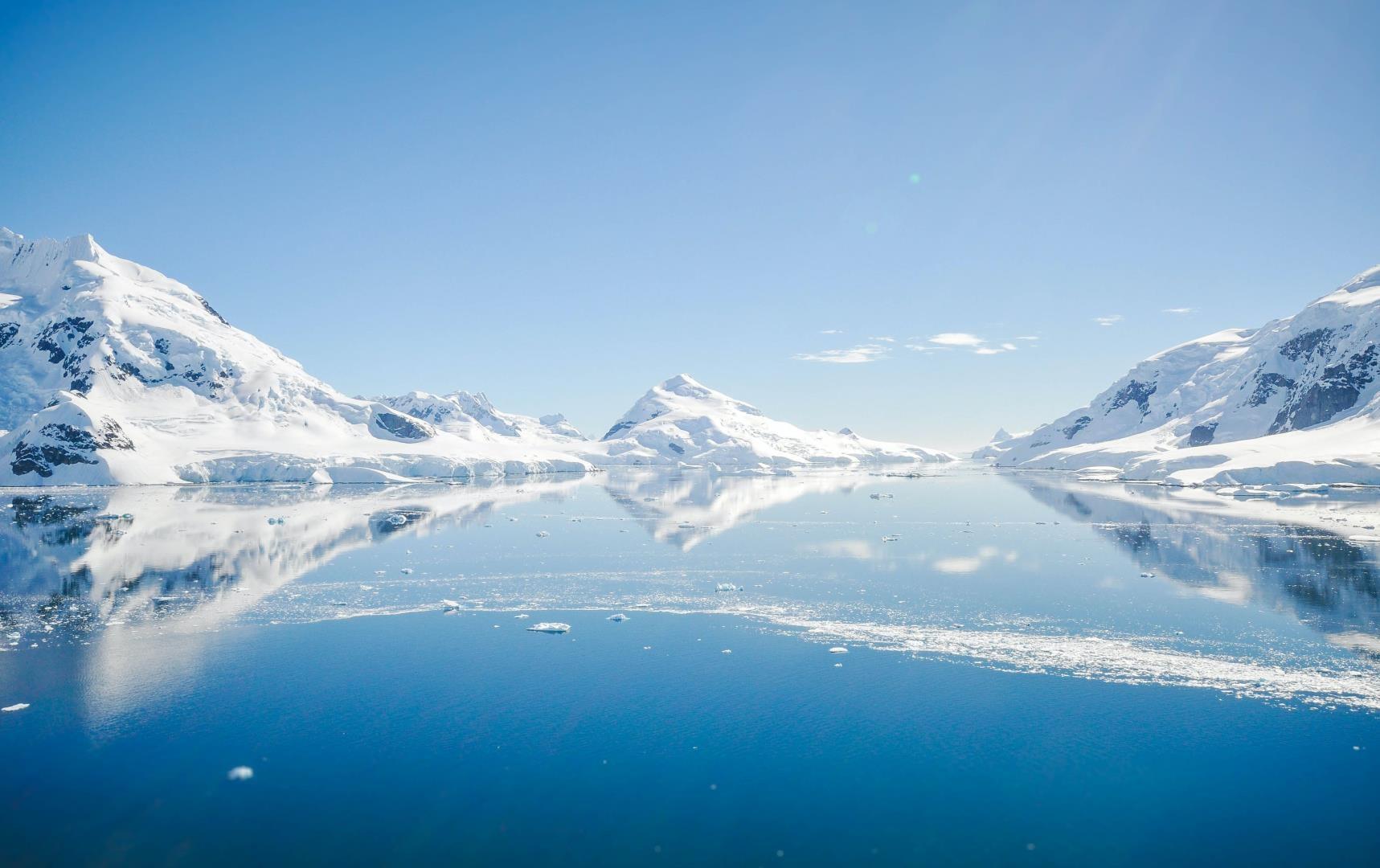
South Shetland Islands
Mist, research stations, and penguins are just a few of the things that define the South Shetland Islands, an archipelago off the coast of Antarctica. These 11 Antarctic islands, most notably King George Island, have served as a base for researchers from Chile, Argentina, and a variety of other countries. The archipelago has also become a popular cruise destination for tourists to the Antarctic region.
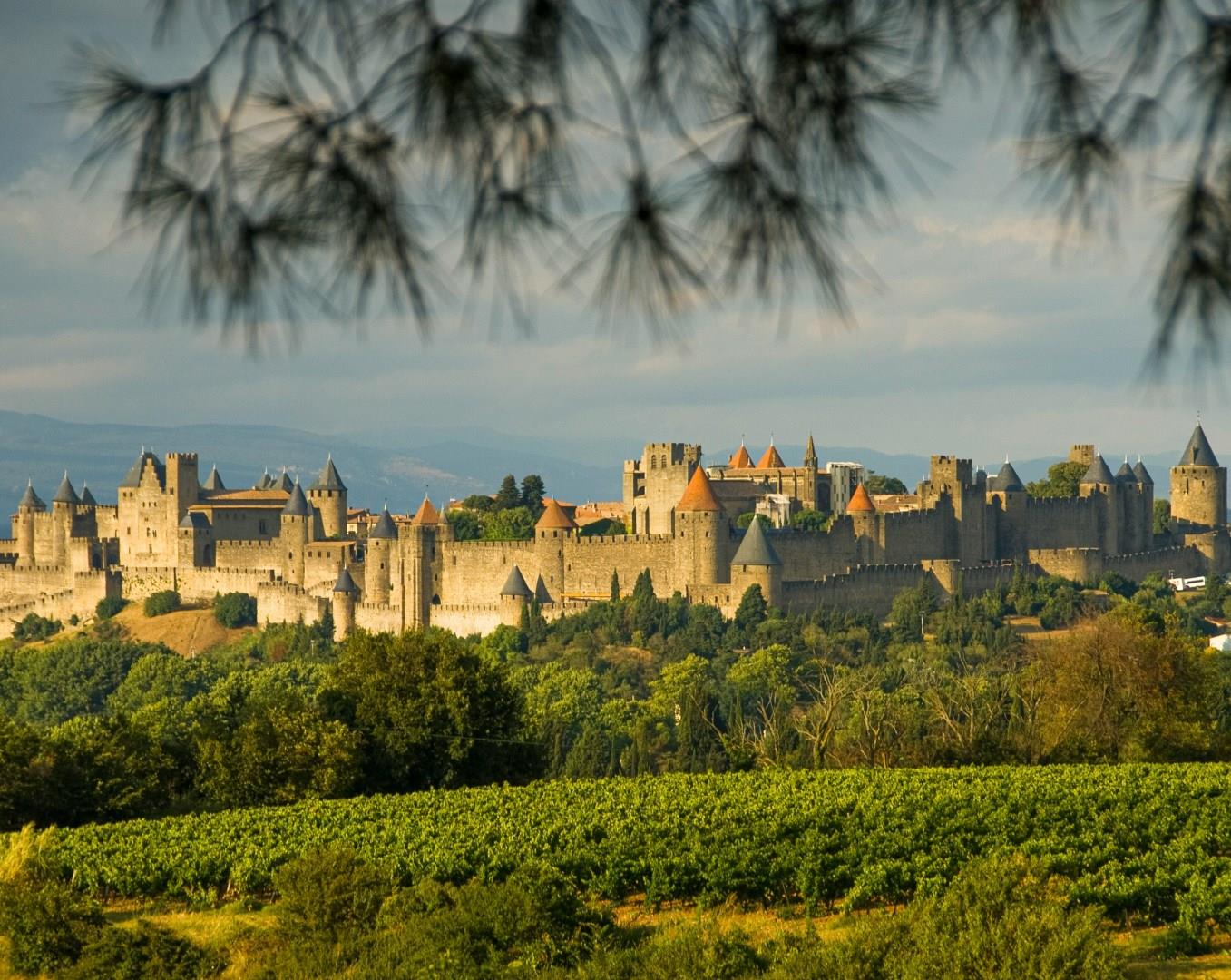
Carcassonne
Carcassonne is a fortified city in southern France, rising above the Aude River with walls and towers that feel lifted from another century. Its origins stretch back to Roman times, but the city is best known for its medieval citadel, rebuilt and expanded during the Middle Ages when Carcassonne became a strategic stronghold on key trade and military routes.
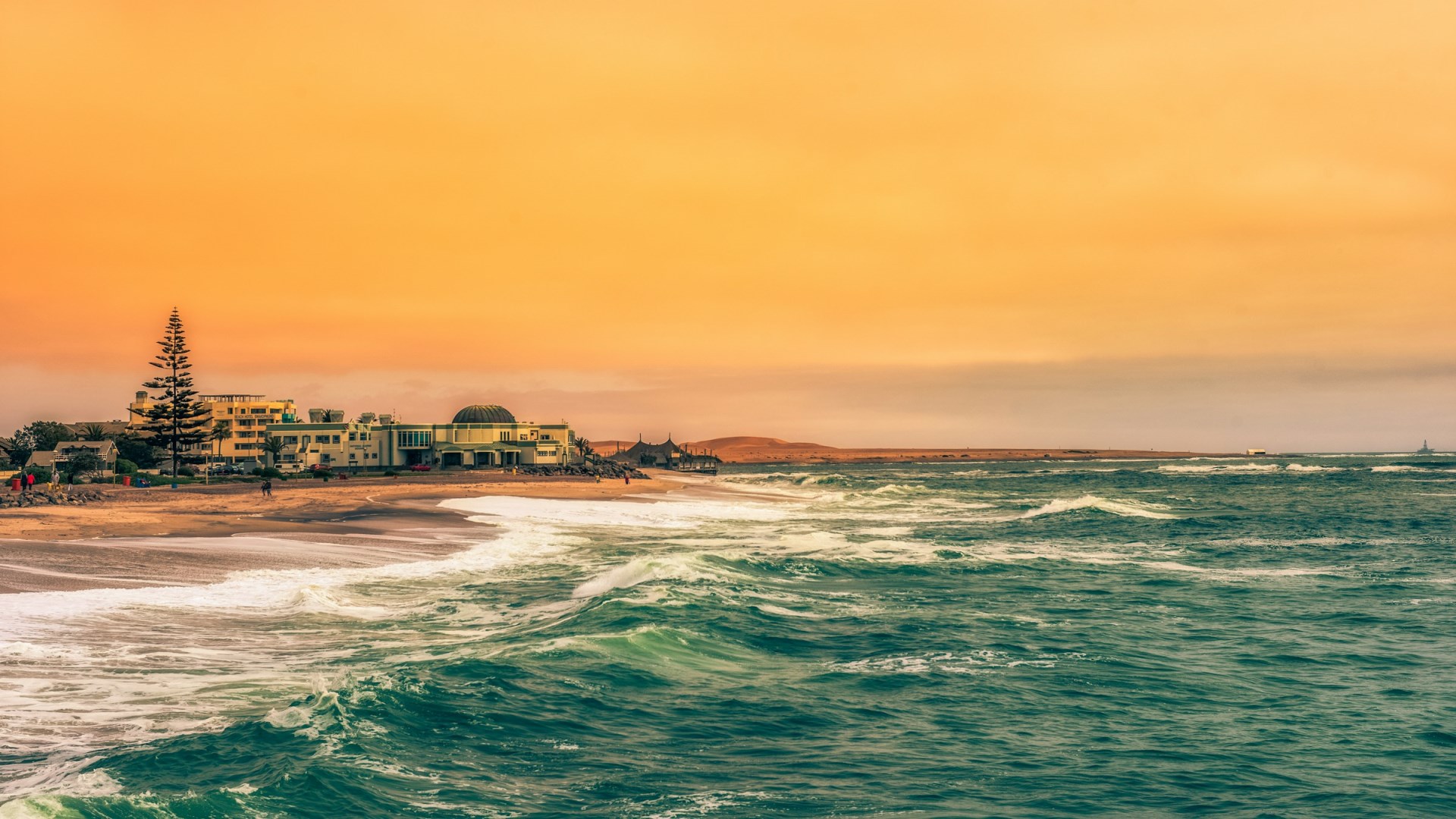
Swakopmund
Swakopmund, on Namibia’s Atlantic coast, is a town where desert meets ocean in striking contrast. Founded by German colonists in the late 19th century, its streets are lined with colonial-era buildings painted in pastel colors, giving the town a distinctly European feel.

Luxembourg
Luxembourg City, the capital of the Grand Duchy of Luxembourg, is a stunning blend of medieval charm and modern sophistication. Perched atop dramatic cliffs and surrounded by deep gorges, this city offers a unique and breathtaking landscape. The UNESCO-listed Old Town is an essential starting point for visitors, with its ancient fortifications, narrow cobblestone streets, and grand squares.
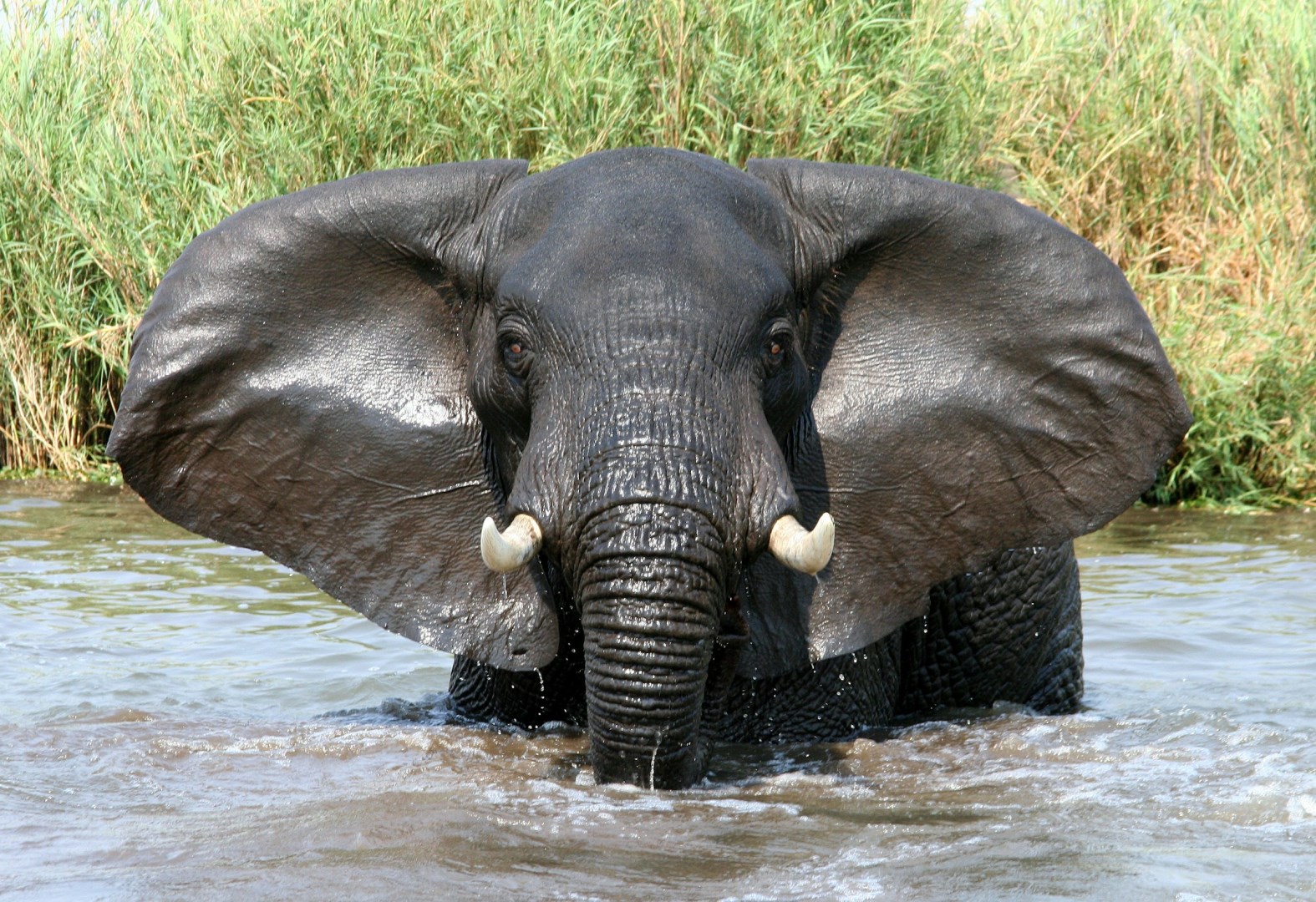
Liwonde National Park
Liwonde National Park lies in southern Malawi along the Shire River, the country’s largest river and the main outlet of Lake Malawi.
