
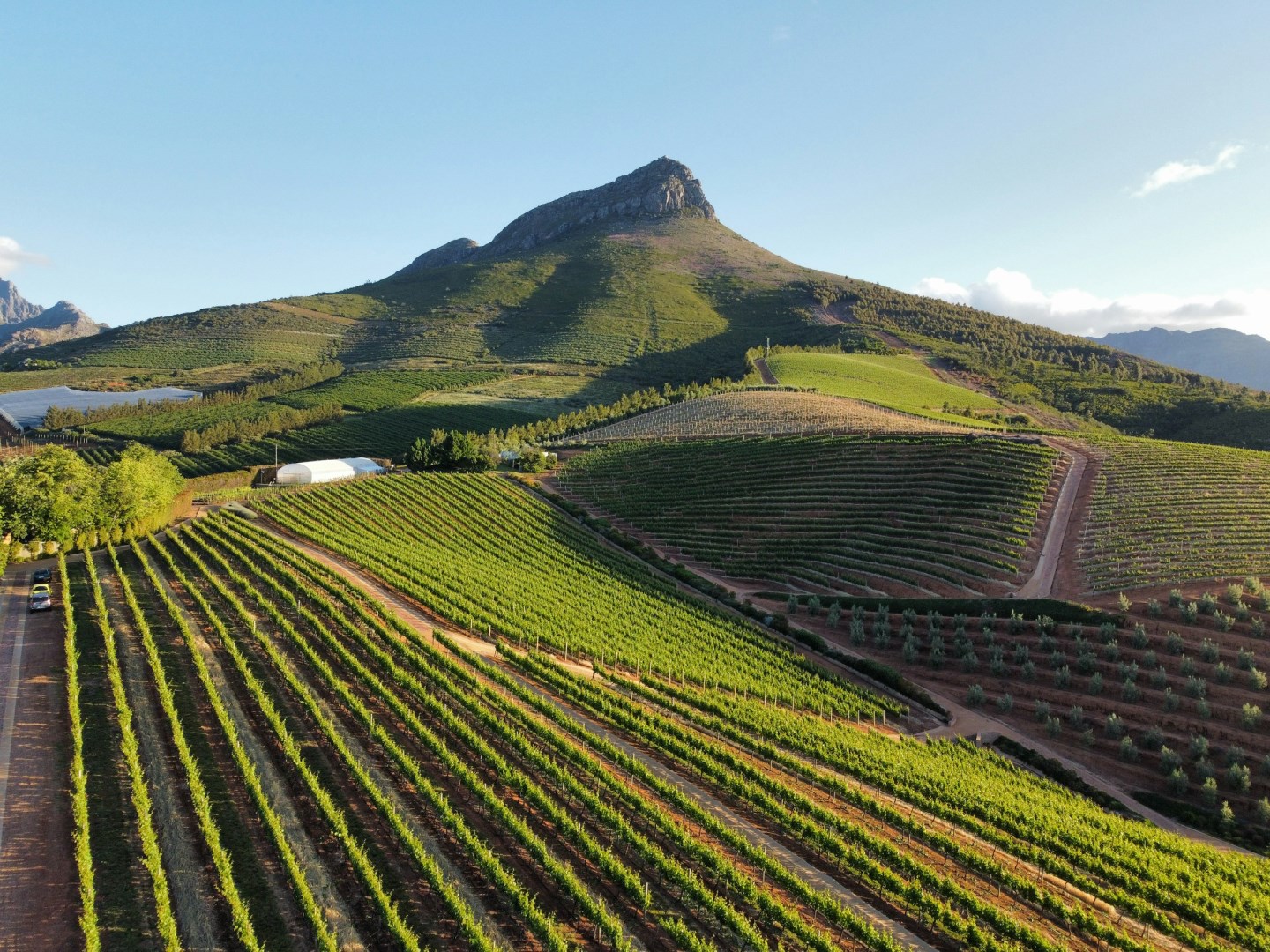
Stellenbosch
Stellenbosch, a charming town in South Africa’s Western Cape, is a haven for wine lovers and history enthusiasts alike. Established in 1679, Stellenbosch boasts well-preserved Cape Dutch architecture and a vibrant cultural scene. Its tree-lined streets are dotted with historical buildings, boutique shops, and artisanal cafes. A visit to the Stellenbosch Village Museum offers a glimpse into the town’s rich heritage, showcasing restored buildings from the 18th and 19th centuries.
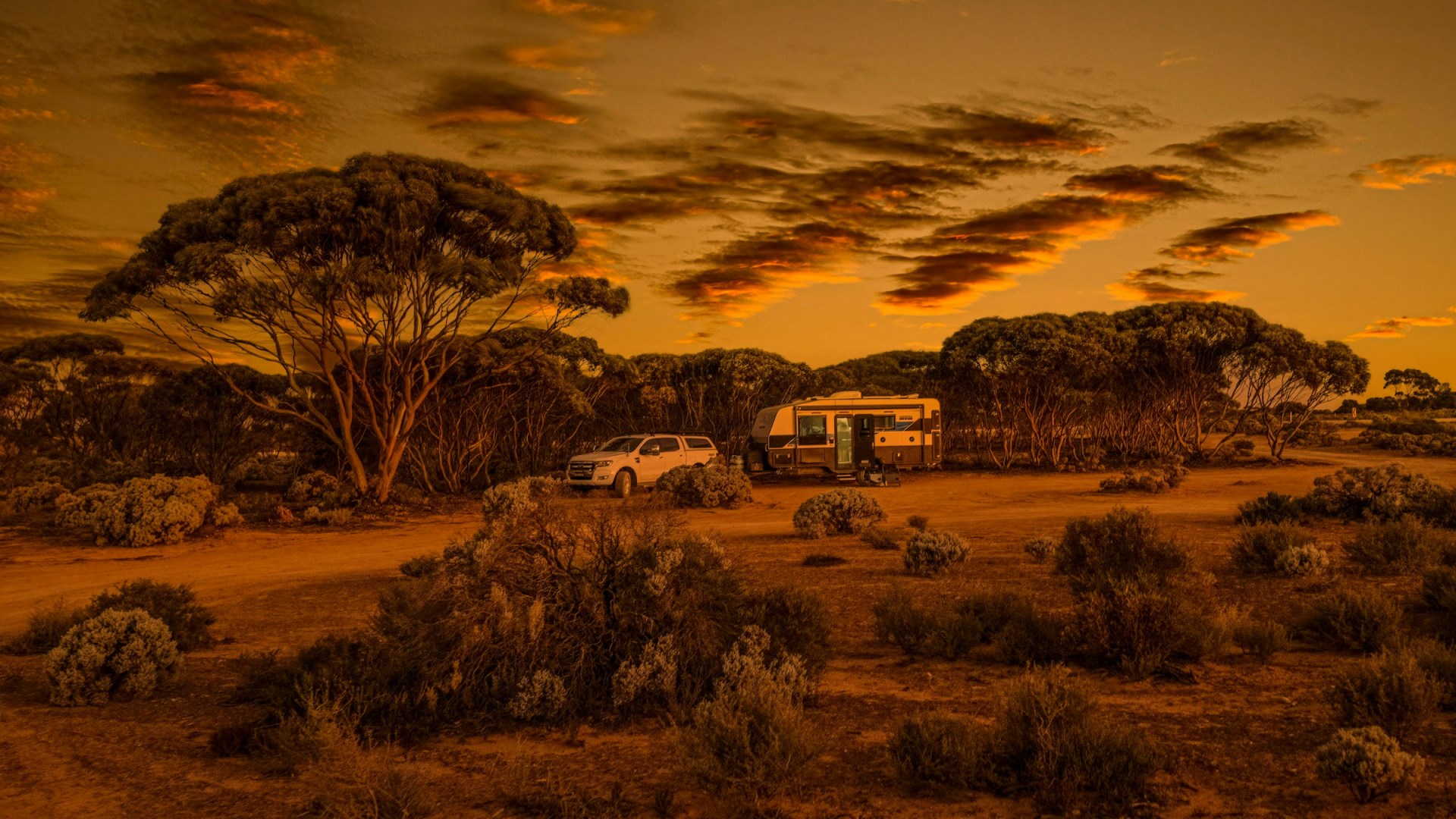
Outback
The Australian Outback is a broad term for the sparsely settled rangelands and remote landscapes that extend across much of the continent. Rather than being a single desert, it includes arid plains, red-earth deserts, mountain ranges, rocky gorges, tropical savannas, salt lakes, and river country.
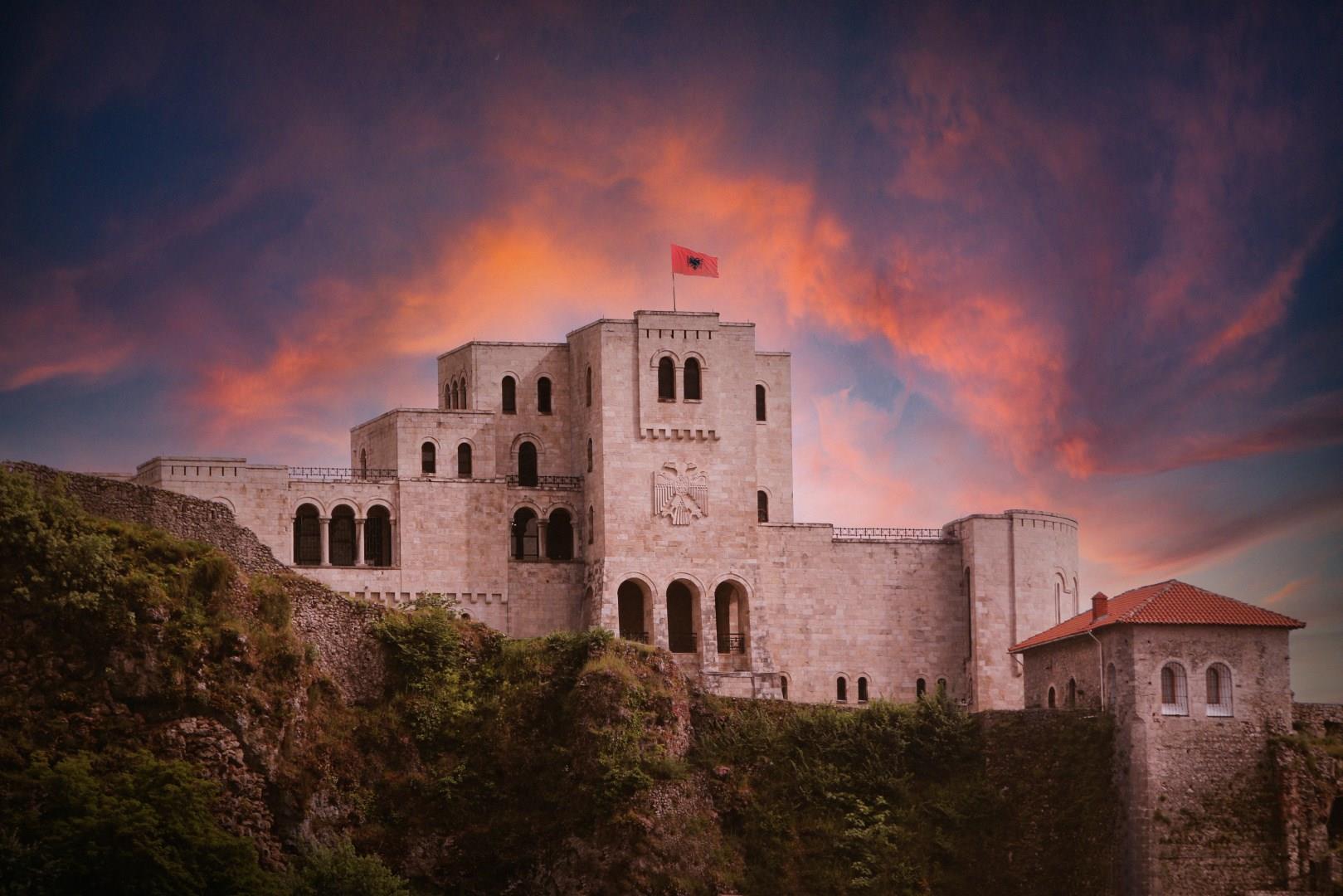
Krujë
Krujë sits on a rocky hilltop above central Albania and has long been a symbol of the country’s history and independence. At Krujë Castle ancient stone walls rise above the town and offer striking views of the surrounding hills and valleys, and inside the fortress visitors find the Skanderbeg Museum, where armor, documents and displays recount the life and battles of Albania’s national hero.

Angkor Wat
Angkor Wat, located near Siem Reap in Cambodia, is a mesmerizing testament to the grandeur of the Khmer Empire and one of the world's most remarkable archaeological sites. Built in the early 12th century by King Suryavarman II, Angkor Wat was originally dedicated to the Hindu god Vishnu but later became a Buddhist temple.
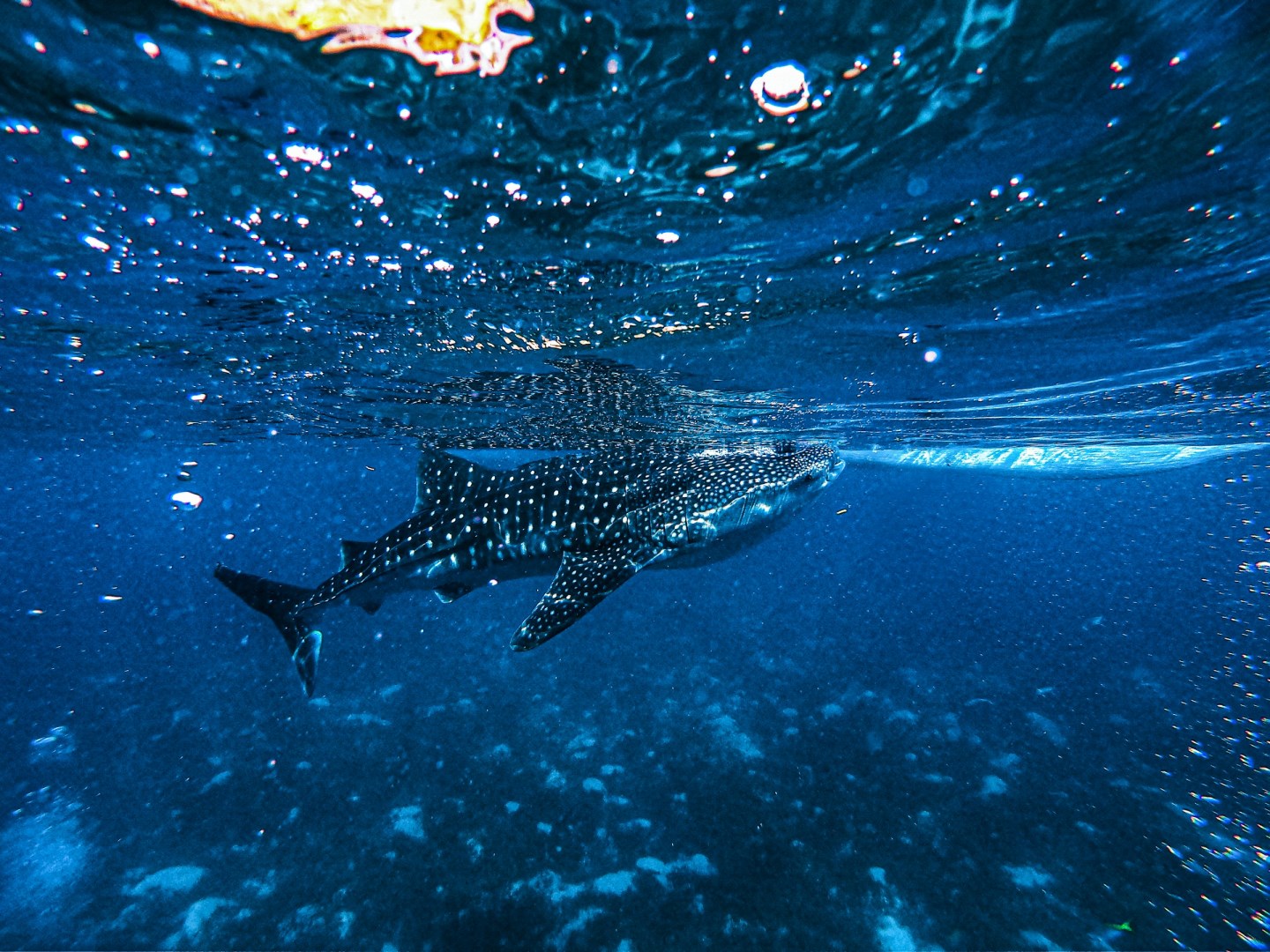
Oslob
Oslob is a coastal municipality in southern Cebu, Philippines, facing the Bohol Strait. The area combines a historic town center with fishing communities, beaches, coral-rich waters, and mountainous terrain rising inland. Oslob is best known for its marine tourism, particularly whale shark encounters, but it also has cultural and natural attractions away from the coast.
