

Santa Cruz de La Palma
Santa Cruz de La Palma is the capital of the island of La Palma, one of the seven Canary Islands. Although often forgotten in favor of the similarly named Santa Cruz de Tenerife, it is a compact and colorful colonial town well worth a visit. Swimming, paragliding, and hiking and some of the most popular daytime activities, while stargazing is a favorite pastime after the sun goes down.

Tracy Arm
Tracy Arm, Alaska, is a breathtaking fjord nestled within the Tongass National Forest, offering a pristine wilderness experience unlike any other. Known for its towering cliffs, majestic waterfalls, and awe-inspiring glaciers, this natural wonder is a must-see for nature lovers and adventurers alike. As you cruise through the narrow, winding waterway, you’ll be greeted by stunning views of the Sawyer Glaciers, which periodically release enormous icebergs into the fjord.
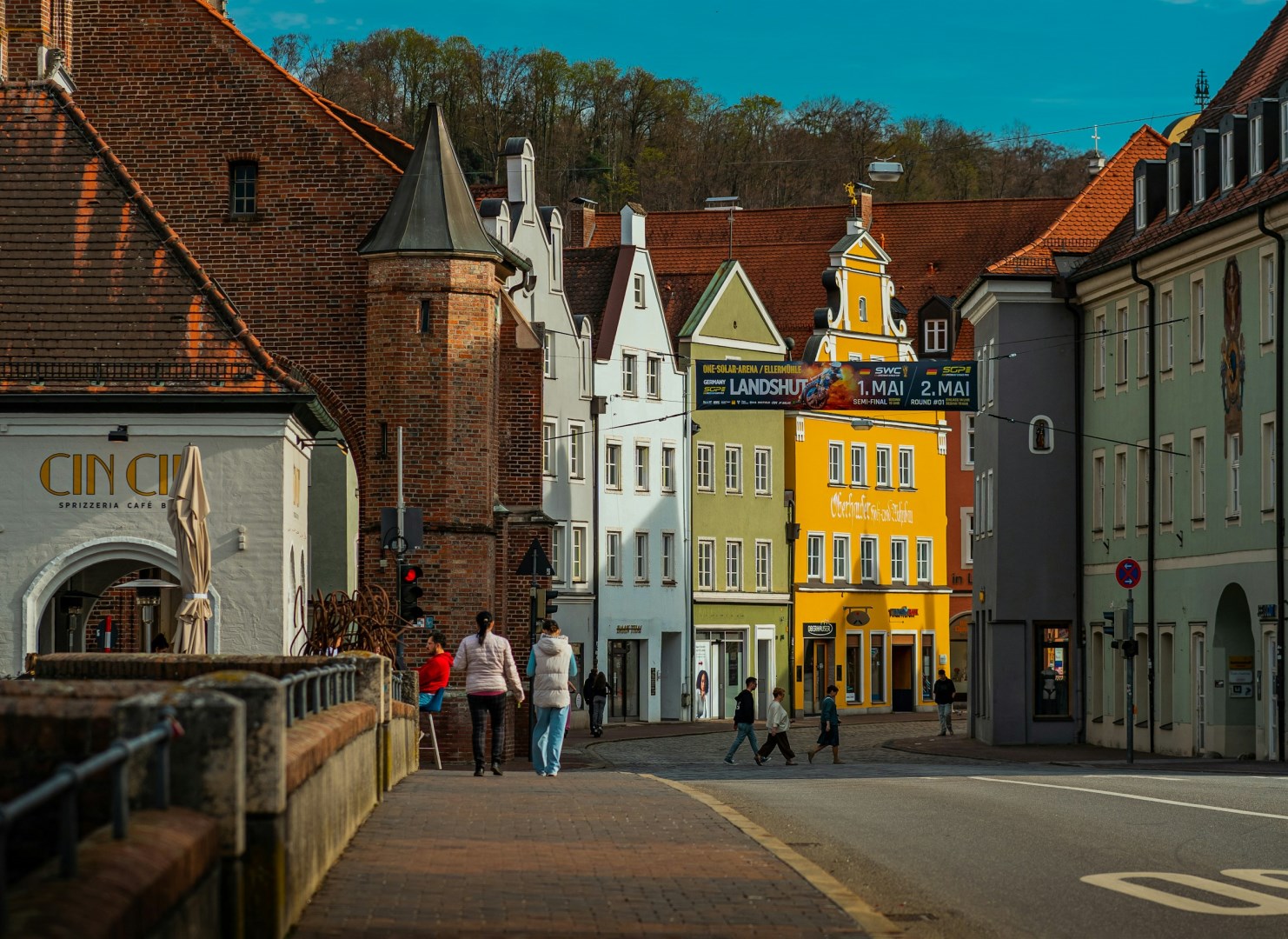
Landshut
Landshut has the epithet "the three helmet city", lead back to the coat of arms of the city, which shows three helmets, like they were worn by the city guards in the middle age. The armours, produced by the so-called "plattners", were known and popular far over the frontiers of Landshut, at that time.

Napier
On the east coast of North Island, Napier is considered the "Art Deco capital" of New Zealand and the gateway to the Hawke's Bay wine region, whose popular varietals include pinot gris and syrah.
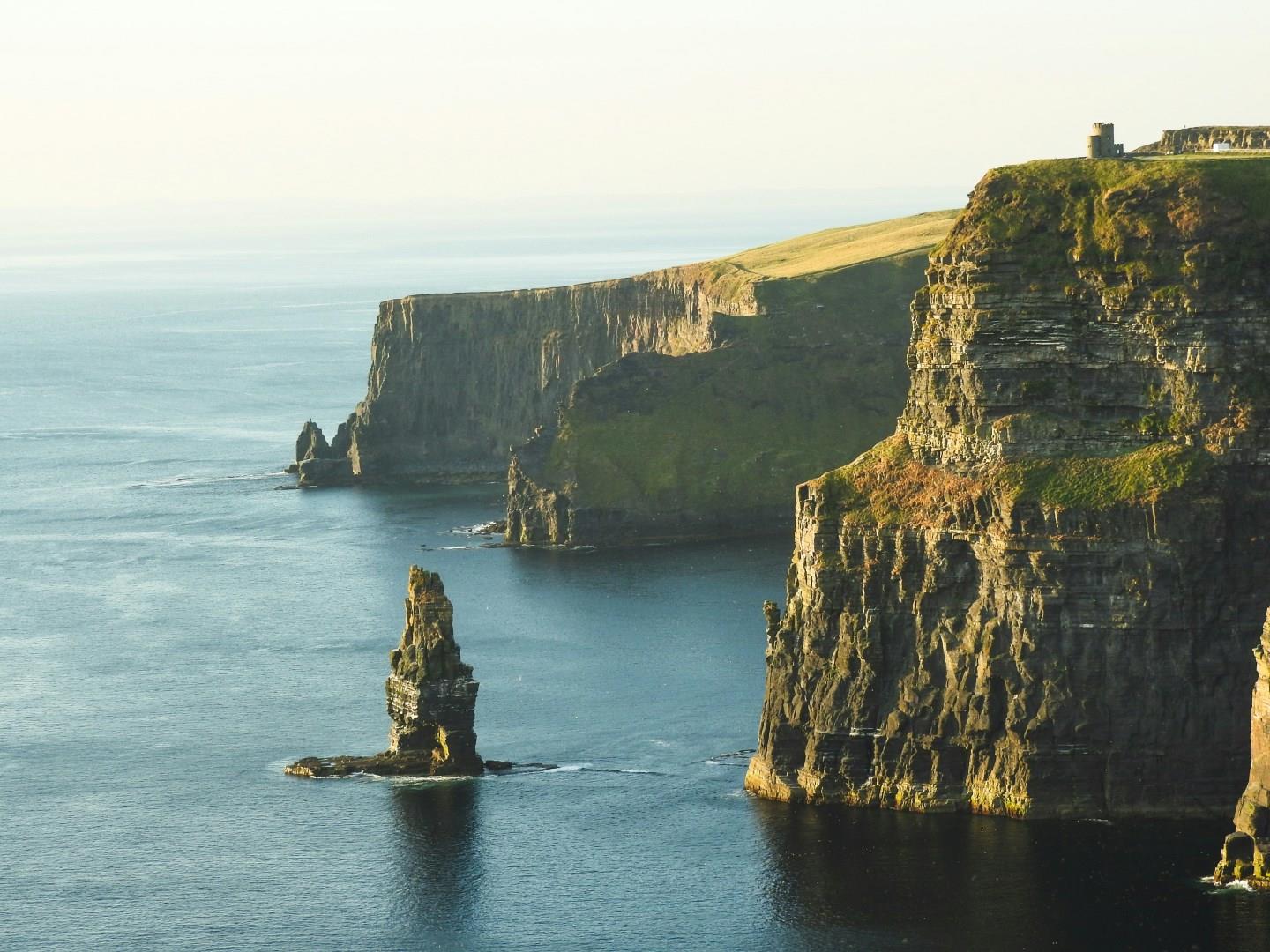
Cliffs of Moher
The Cliffs of Moher rise dramatically from the Atlantic Ocean, stretching for about 8 kilometers along Ireland’s western coast in County Clare. At their highest point near O'Brien's Tower, the cliffs reach 214 meters, offering uninterrupted views of the Aran Islands, Galway Bay, and the craggy peaks of Connemara on a clear day. These ancient sea cliffs have stood for over 300 million years and remain one of the most visited and photographed sites in Ireland.
