
San Francisco
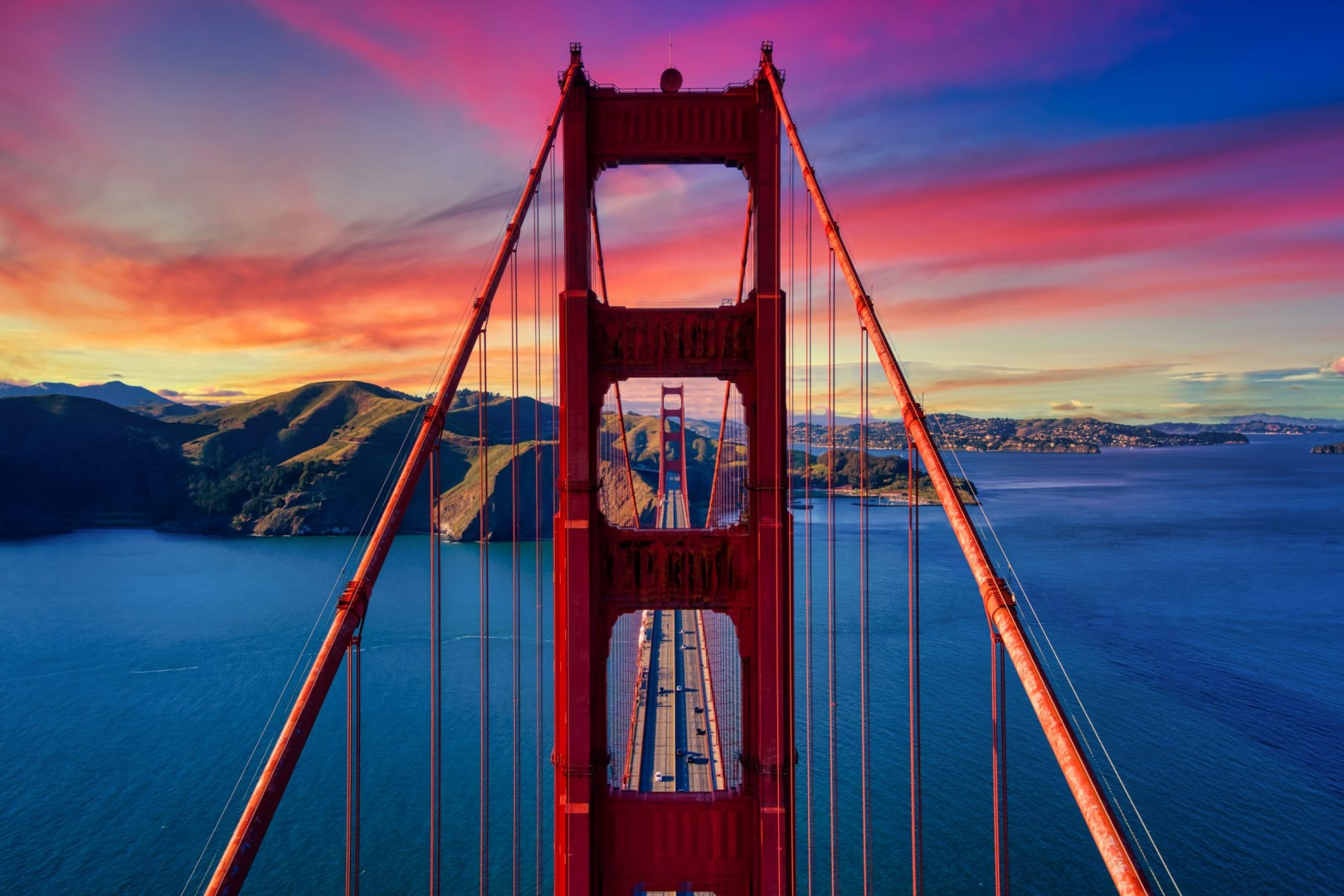
San Francisco offers something for everyone. Whether it's exploring world-famous landmarks, discovering hidden gems in its neighborhoods, or enjoying the coastal breeze by the bay, this vibrant city promises a memorable experience for all who visit.

Thailand
Thailand is a country where centuries-old traditions coexist with vibrant modern life. From ancient kingdoms that left behind grand temples and ruins to lively festivals filled with music, dance, and color, Thai culture is deeply rooted in spirituality and community.

Port Canaveral
Port Canaveral, located on Florida's Space Coast, is a captivating destination where space exploration and beachside relaxation come together. This bustling port is known as one of the world's busiest cruise ship ports, making it a prime gateway for cruising to the Caribbean and beyond source.
Wrexham
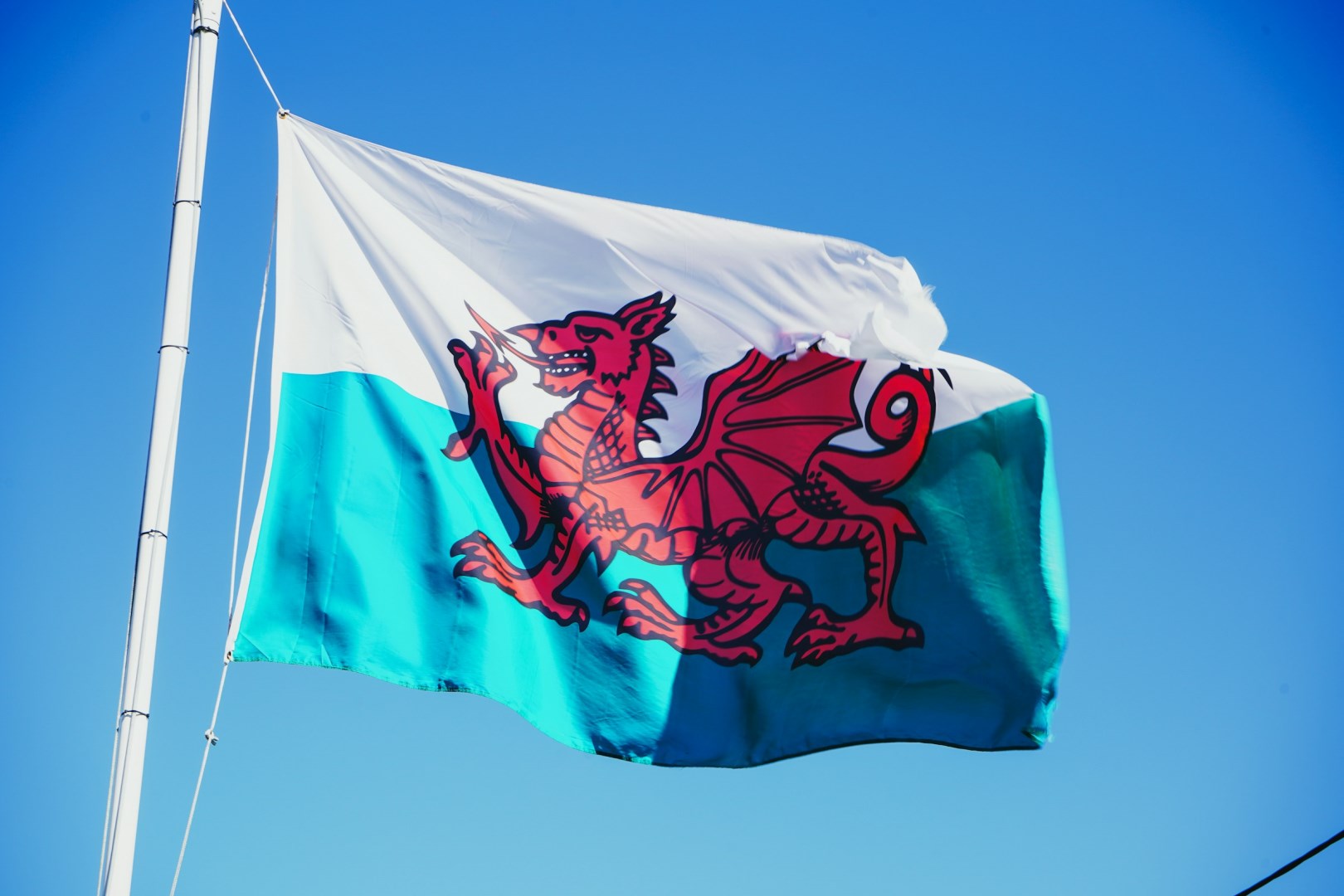
Wrexham is the largest town in North Wales, and is a busy shopping centre. The town is well-known for its many markets, including the Butcher's Market, the General Market and the People's Market. The town is also home to a large number of male voice choirs, has a multi-cinema, several nightclubs and many inns and pubs. St Giles's Parish Church is widely regarded as the finest example of Gothic architecture in North Wales. All Saints Church, Gresford, is one of the finest churches in Wales.

Bratislava
Bratislava, Slovakia’s capital, sits along the Danube River at the crossroads of Central Europe. It's the only capital in the world bordering Austria and Hungary, which makes it an easy stop on many European itineraries. Yet Bratislava is more than a waypoint; it offers a compact city center filled with centuries of history. The Old Town’s cobbled lanes lead past Gothic cathedrals, Baroque palaces, and buildings once used by Habsburg royalty.
